- Company Articles
- Products and Technology
- Product knowledge
- Corrugated Aluminum Pipe Cost Analysis: Short-Term vs Long-Term Investment

Corrugated Aluminum Pipe Cost Analysis: Short-Term vs Long-Term Investment
Related Product
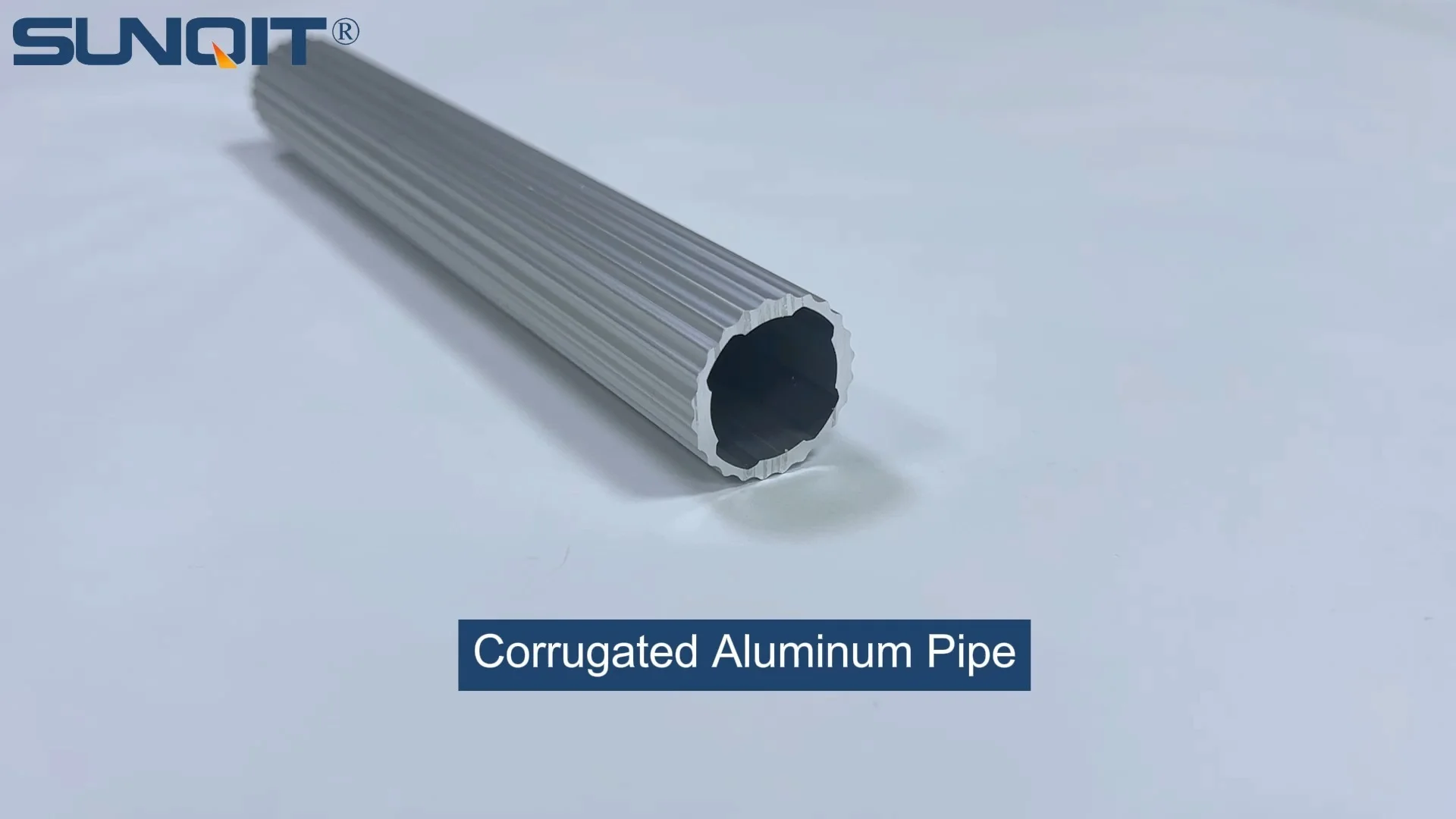
Corrugated Aluminum Pipe
Product Description The slot side is 10mm which can work with a T sliding block for connection accessories Quick Detail Product name Corrugated Aluminum pipe model GLT28-T-3010A Material Science 6005-T6 thickness 1.7mm surface treatment anodic oxidat
Let's talk about the quiet hero of many workshops, factories, and warehouses: the materials that hold everything together. When you're setting up a production line, organizing a storage area, or building a lean system, the choices you make—especially about pipes and structural components—can feel like just another item on a long to-do list. But here's the thing: those choices aren't just about checking a box. They're about balancing today's budget with tomorrow's needs. And that's where corrugated aluminum pipe comes into play. It's not the flashiest option, but it's the kind of choice that might just save you headaches (and money) down the line. Let's dive into whether it's worth the upfront spend or if you're better off cutting costs now—even if it means paying more later.
First Things First: What Even Is Corrugated Aluminum Pipe?
Before we start crunching numbers, let's make sure we're all on the same page. Corrugated aluminum pipe is exactly what it sounds like: aluminum pipe with a series of ridges (corrugations) along its length. Those ridges aren't just for show—they add strength without making the pipe heavy. Think of it like a cardboard box: flat cardboard bends easily, but when you fold it into a corrugated shape, suddenly it can hold up a stack of books. Aluminum, already lightweight and resistant to rust, gets an extra boost from those corrugations, making it tough enough for everything from material racks to conveyor systems in lean environments.
You'll often hear it called "aluminum lean pipe" in manufacturing circles, and for good reason. It's a staple in lean systems, where efficiency and flexibility are king. Unlike rigid steel pipes or flimsy plastic ones, corrugated aluminum pipe can be easily cut, connected, and reconfigured using simple aluminum pipe accessories—think joints, clamps, and end caps. That means if your production line needs to shift next month, you're not tearing everything down and starting over. You're just adjusting the pipes. Handy, right?
The Short-Term View: What You'll Pay Today
Let's get real: when you're staring at a budget spreadsheet, the first question is always, "How much is this going to cost me now ?" Corrugated aluminum pipe isn't the cheapest option upfront, and that's a fair concern. Let's break down the short-term costs so you know exactly what you're signing up for.
1. The Pipe Itself: Initial Purchase Price
Aluminum isn't as cheap as plastic, we'll admit that. A 10-foot length of basic corrugated aluminum pipe might run you $25–$40, depending on the diameter and wall thickness. Compare that to plastic pipe, which could be $10–$20 for the same length, and it's easy to think, "Why not just go with plastic?" But here's the catch: plastic pipe is great for light-duty tasks, but if you're using it to support heavy materials or in a busy workshop, it'll warp, crack, or fade under stress. Steel pipe, on the other hand, is strong—but it's heavy, prone to rust, and can cost $50–$70 per 10-foot length. So aluminum lean pipe sits in that sweet spot: more durable than plastic, lighter and more affordable than steel.
And let's not forget: when you buy from a reputable lean pipe supplier, you're often getting a better quality product. Cheaper aluminum pipes might skimp on wall thickness or use lower-grade aluminum, which can bend or dent easily. Paying a little more upfront for a trusted supplier's pipe means you're less likely to replace bent sections in the first year. Trust us—replacing pipes mid-project is way more frustrating (and costly) than spending a few extra dollars initially.
2. Aluminum Pipe Accessories: The Little Parts That Add Up
You can't build much with just pipes. You need aluminum pipe accessories to hold everything together. We're talking about joints (like the 90° aluminum pipe joint or internal rotary aluminum joint), clamps, end caps, and maybe even caster wheels if you're building a mobile trolley. These parts aren't free, but they're not budget-breakers either. A basic aluminum joint might cost $3–$8, and a set of four caster wheels (with brakes!) could be $20–$40. Most projects will need a handful of these—say, 10–15 accessories for a small workbench or material rack. So add $50–$100 to your upfront costs for accessories.
Here's a pro tip: Many suppliers offer bundle deals if you buy pipes and accessories together. A lean pipe supplier might sell a "workbench starter kit" with 6 pipes, 8 joints, and 4 end caps for $150–$200, which is cheaper than buying each piece separately. It's worth asking about these bundles—they can knock 10–15% off your accessory costs right off the bat.
3. Installation: Time = Money
Even if the pipes and accessories are affordable, you've got to install them. The good news? Corrugated aluminum pipe is a DIY dream. Unlike steel, which requires welding or heavy tools, aluminum lean pipe connects with simple hand tools—an Allen wrench, maybe a rubber mallet. If you've got a team member who's handy with a screwdriver, they can probably assemble a basic material rack in an hour or two. Compare that to steel, which might need a professional welder (costing $50–$100/hour) or plastic, which can crack if you over-tighten the joints. So while you'll spend a little on labor, it's minimal—maybe $50–$100 for a small project, tops.
Total short-term cost for a basic setup (say, a 3-foot by 6-foot workbench with shelves)? Let's add it up: 8 pipes ($25 each = $200), 12 accessories ($5 each = $60), and 2 hours of labor ($25/hour = $50). That's around $310 upfront. Not pocket change, but not bank-breaking either. Now, let's see what happens when we fast-forward a few years.

The Long-Term View: What You'll Save (or Lose) Tomorrow
Short-term costs are easy to calculate, but long-term value? That's where the real magic (or regret) happens. Let's say you go with the cheaper plastic pipe to save $100 today. What happens in 3 years? Chances are, you're replacing cracked pipes, buying new accessories because the plastic threads stripped, and maybe even shutting down production for a day to fix a collapsed shelf. Corrugated aluminum pipe, on the other hand, tends to stick around—and save you money while it does.
1. Durability: It Lasts (and Lasts and Lasts)
Aluminum doesn't rust. It doesn't warp in the sun. It doesn't crack when you bump a pallet into it. We've seen corrugated aluminum pipe in factories that's been in use for 10+ years, still looking (and working) like new. Compare that to plastic, which starts to fade and become brittle after 2–3 years, or steel, which will rust if you don't paint it every year. Let's do the math: If you replace plastic pipes every 3 years, that $100 "savings" today turns into $200–$300 in replacements over 10 years. Steel? Add $50/year for painting and rust treatment, plus the occasional replacement of a rusted joint. Aluminum? You might replace a caster wheel or two after 5 years, but the pipes themselves? They're in it for the long haul.
2. Maintenance: Set It and (Almost) Forget It
Ever tried cleaning a steel pipe covered in rust? Or fishing a cracked plastic joint out of a conveyor system? Not fun. Corrugated aluminum pipe? Wipe it down with a damp cloth, and you're done. The aluminum pipe accessories—like the internal rotary aluminum joint or aluminum guide rail—are made of the same tough material, so they don't strip, crack, or corrode. Even in messy environments (think: food processing or automotive shops with oil and grease), aluminum holds up. We talked to a lean system manager at a mid-sized factory who told us, "We have aluminum lean pipe racks that have been through 3 production line reconfigurations and 2 floods. They still look better than the steel shelves we replaced." No annual maintenance costs, no surprise breakdowns—just consistent performance.
3. Flexibility: Adapt Without Overhauling
Here's where the "lean" in "aluminum lean pipe" really pays off. In manufacturing, change is constant. Maybe next year, you need to add a conveyor to your production line. Or your material rack needs to grow from 3 shelves to 5. With corrugated aluminum pipe, you don't need to buy a whole new system. You just buy a few extra pipes and accessories, loosen the joints, and reconfigure. A lean pipe supplier can even ship you the parts overnight. Compare that to steel, which would need to be cut and welded again (costing $100+ in labor) or plastic, which might crack when you try to disassemble it (meaning you're buying new parts anyway). Over 5 years, that flexibility could save you thousands in retooling costs.
4. The ROI: When Does It Pay for Itself?
Let's get numerical. Let's say you invest $310 in a corrugated aluminum workbench today. A plastic workbench might cost $210 upfront (saving $100). But over 5 years: the plastic bench needs new pipes ($100), new joints ($50), and 2 hours of labor to replace them ($50). Total cost for plastic: $210 + $100 + $50 + $50 = $410. Aluminum? You might replace a caster wheel ($20) and that's it. Total cost: $310 + $20 = $330. So by year 5, aluminum is $80 cheaper. By year 10? Plastic would have been replaced twice, costing $610 total. Aluminum? Still going strong at $330. That's a $280 savings—almost the cost of the original aluminum setup. Not bad for a material that just "sits there."
Short-Term vs. Long-Term Costs: A 10-Year Breakdown
| Cost Category | Corrugated Aluminum Pipe | Plastic Pipe | Steel Pipe |
|---|---|---|---|
| Initial Purchase (Pipes + Accessories) | $260 | $160 | $350 |
| Installation Labor | $50 | $50 | $150 (welding) |
| Annual Maintenance | $0 | $20 (cleaning, minor repairs) | $50 (painting, rust treatment) |
| Replacement Parts (10 years) | $40 (2 caster sets, 1 joint) | $300 (3 full pipe replacements, 2 accessory sets) | $200 (1 pipe replacement, 5 rusted joints) |
| Reconfiguration Costs (2 retools) | $100 (extra pipes/accessories) | $200 (new parts, labor) | $300 (welding, labor) |
| Total 10-Year Cost | $450 | $730 | $1,200 |
Choosing Wisely: It's About More Than the Price Tag
At the end of the day, corrugated aluminum pipe isn't for everyone. If you're setting up a temporary display or a project that'll be torn down in 6 months, plastic might be fine. But if you're building a system that needs to grow, adapt, and last—something that's part of your long-term success—aluminum lean pipe is worth every penny. It's the kind of investment that doesn't scream for attention, but quietly saves you time, money, and stress year after year.
And remember: not all aluminum pipe is created equal. Work with a reputable lean pipe supplier who specializes in aluminum pipe and accessories. They'll help you choose the right thickness, recommend the best accessories, and even offer warranties (many suppliers guarantee their pipes for 5+ years). A good supplier isn't just selling parts—they're selling peace of mind.
So the next time you're staring at that budget spreadsheet, ask yourself: "Am I buying a product, or am I building a system?" Corrugated aluminum pipe is more than a product. It's a foundation—one that'll support your business today, tomorrow, and for years to come. And in the end, that's the best kind of investment.