- Company Articles
- Products and Technology
- Product knowledge
- Corrugated Aluminum Pipe Custom Lengths: Meeting Specific Project Requirements

Corrugated Aluminum Pipe Custom Lengths: Meeting Specific Project Requirements
Related Product
Corrugated Aluminum Pipe
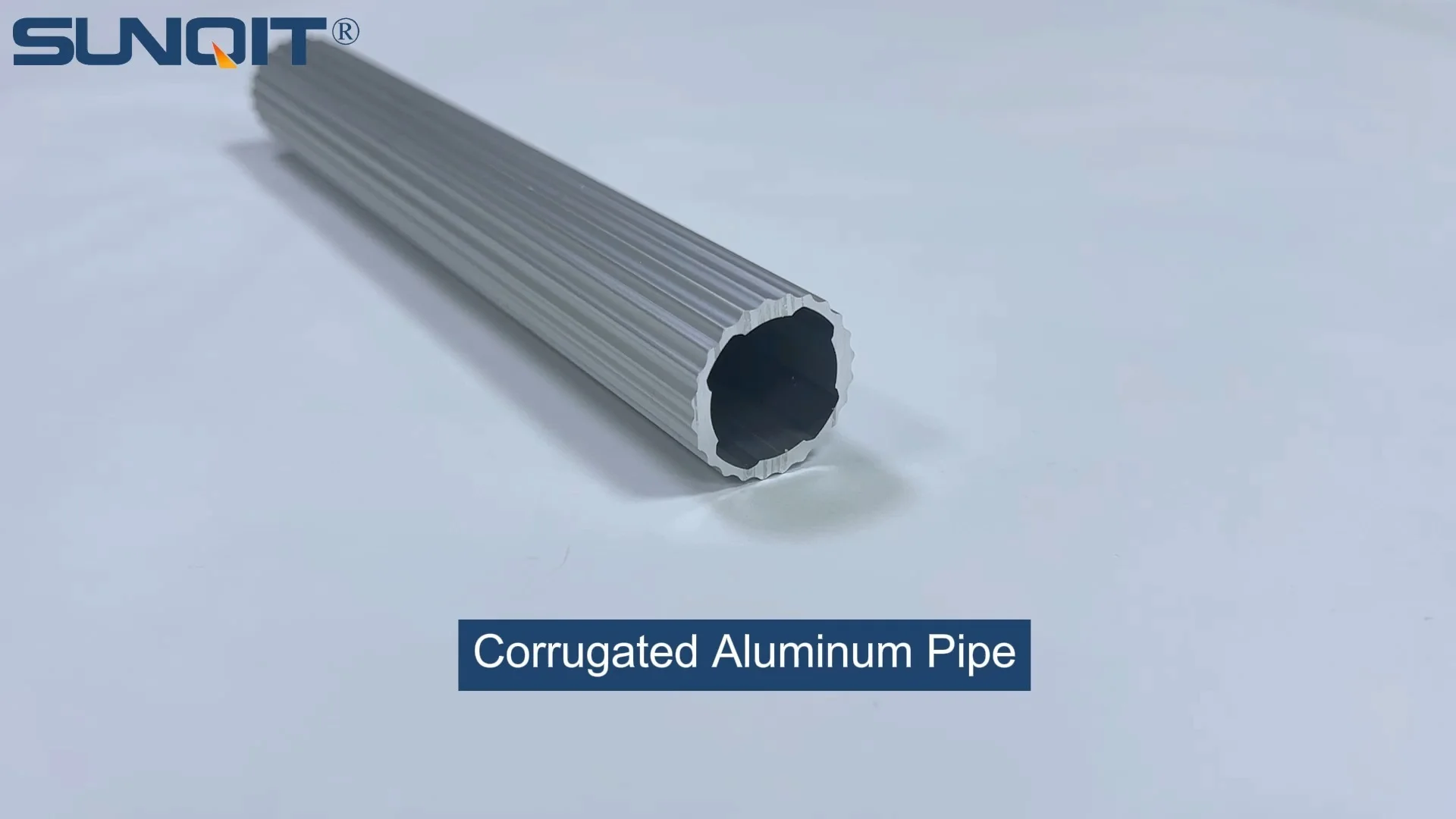
Product Description The slot side is 10mm which can work with a T sliding block for connection accessories Quick Detail Product name Corrugated Aluminum pipe model GLT28-T-3010A Material Science 6005-T6 thickness 1.7mm surface treatment anodic oxidat
In the world of industrial design and manufacturing, every project has a personality—its own set of challenges, constraints, and goals. Whether you're setting up a new production line, upgrading a warehouse workflow, or building a custom workbench, the difference between a smooth process and a frustrating one often comes down to the details. One detail that's easy to overlook? The length of the pipes that form the backbone of your systems. This is where corrugated aluminum pipes with custom lengths step in, transforming generic setups into tailored solutions that fit like a well-tailored suit. Let's dive into why these specialized components are becoming indispensable, and how they're reshaping the way projects come to life.
The Unsung Hero: What Are Corrugated Aluminum Pipes?
Before we talk about custom lengths, let's get to know the star of the show: corrugated aluminum pipes. These aren't your average metal tubes. Made from high-grade aluminum extrusion profile, they're crafted through a precision extrusion process that shapes the metal into a wave-like, corrugated pattern along the length. This design isn't just for looks—it's engineering genius. The corrugations add structural rigidity without adding unnecessary weight, making the pipes both lightweight and incredibly strong. Think of it as nature's own reinforcement: like the ridges on a leaf that help it stand tall without being thick and heavy.
Compared to traditional steel pipes or even smooth aluminum tubes, corrugated aluminum pipes offer a unique blend of benefits. They're corrosion-resistant, so they hold up in humid or industrial environments without rusting. They're also surprisingly flexible—though rigid enough to support heavy loads—making them adaptable to curved or non-linear installations. And because they're aluminum, they're recyclable, aligning with the growing demand for sustainable manufacturing practices. But perhaps their most underrated advantage? They're designed to work seamlessly with aluminum pipe accessories, from connectors to brackets, ensuring that every part of your system plays well together.
Why Standard Lengths Fall Short in Today's Projects
Walk into any hardware store or industrial supply shop, and you'll find shelves lined with pipes in "standard" lengths—10 feet, 20 feet, maybe 5 meters. These one-size-fits-most options work for simple projects, but when you're building something complex—a custom workbench for a electronics assembly line, a material rack for a tight warehouse corner, or a conveyor system that weaves through existing machinery—standard lengths become more of a hindrance than a help.
Imagine a scenario where a project requires a pipe that's exactly 7 feet, 3 inches long. A standard 10-foot pipe would leave you with 2 feet, 9 inches of leftover material—material that might end up in the scrap bin, wasting money and resources. Or worse, you might try to piece together shorter pipes, using extra connectors and brackets, which weakens the structure and creates unnecessary joints that can catch dust or jam in moving systems. For lean manufacturing environments, where efficiency is king, this kind of waste is unacceptable. That's where custom lengths come in: they're the difference between forcing a square peg into a round hole and crafting a solution that fits your project's exact needs.
Another issue with standard lengths is installation time. Cutting a 20-foot pipe down to 5 feet, 8 inches isn't just about grabbing a saw—it requires measuring, marking, cutting, and then deburring the edges to avoid sharp points or rough surfaces that could damage aluminum profile accessories. Each of these steps adds time to the project timeline, delaying production or setup. Custom-length pipes arrive ready to install, straight from the supplier, eliminating these extra steps and letting your team focus on assembly rather than modification.

The Role of the Lean Pipe Supplier in Custom Solutions
Creating custom-length corrugated aluminum pipes isn't something you can do with a hacksaw in the garage. It requires expertise, precision equipment, and a deep understanding of both materials and manufacturing workflows. That's where a reliable lean pipe supplier comes into play. These aren't just vendors—they're partners who work with you to turn your project requirements into reality.
A good supplier starts by listening. They'll ask questions about your project: What's the pipe being used for? What's the maximum load it needs to support? Are there space constraints (like low ceilings or narrow aisles) that affect length? Do you need compatible aluminum profile accessories, like specific connectors or end caps? By understanding the "why" behind your request, they can recommend not just the right length, but also the best wall thickness, corrugation pattern, and finish for your application.
Once the details are nailed down, the manufacturing process begins. Using advanced aluminum extrusion profile technology, the supplier starts with raw aluminum billets, which are heated and pushed through a die to create the corrugated shape. After extrusion, the pipes are cut to your exact specifications using precision saws or laser cutters—often accurate to within 1/16 of an inch. This level of precision ensures that when the pipes arrive on your jobsite, they fit perfectly with no gaps, overlaps, or need for adjustments. Quality control is key here: reputable suppliers inspect each pipe for straightness, wall thickness consistency, and surface finish before shipping, so you can trust that what you ordered is what you'll receive.
Aluminum Pipe Accessories: The Perfect Partners to Custom Pipes
A custom-length corrugated aluminum pipe is only as good as the accessories that connect it to the rest of your system. That's why aluminum pipe accessories and aluminum profile accessories are such critical components of any tailored solution. These small but mighty parts—connectors, brackets, end caps, and mounts—ensure that your custom pipes integrate seamlessly into workbenches, racks, conveyors, or any other structure you're building.
For example, if you're building a workbench with a corrugated aluminum frame, you might need right-angle brackets to attach the pipes to the tabletop, or T-connectors to join vertical and horizontal supports. A reputable supplier will not only provide the custom-length pipes but also recommend the exact accessories needed to assemble them, ensuring compatibility and structural integrity. This one-stop-shop approach saves you from hunting down parts from multiple vendors and reduces the risk of mismatched components that could compromise safety or functionality.
| Feature | Standard Length Pipes | Custom Length Pipes | Key Benefit with Aluminum Accessories |
|---|---|---|---|
| Material Waste | High (leftover scraps) | Low (exact length = minimal waste) | Reduced costs; eco-friendly |
| Installation Time | Long (cutting, deburring, adjusting) | Short (ready to install) | Faster project completion |
| Structural Integrity | Lower (extra joints from piecing pipes) | Higher (fewer joints, precise fit) | Safer, more durable systems |
| Accessory Compatibility | Hit-or-miss (may require adapters) | Guaranteed (supplier-matched parts) | Seamless integration; no guesswork |
Real-World Applications: Where Custom Corrugated Aluminum Pipes Shine
Custom-length corrugated aluminum pipes aren't just a niche product—they're transforming industries across the board. Let's take a look at a few examples of how they're making a difference in real-world projects:
Electronics Manufacturing Workbenches
Electronics assembly requires precision, and the workbenches where components are built must be sturdy, static-free (often using ESD materials), and tailored to the specific tasks at hand. A lean pipe supplier recently worked with a smartphone manufacturer to create custom workbenches using corrugated aluminum pipes cut to exact lengths. The pipes formed the frame of the workbench, with aluminum honeycomb panels for the and integrated cable management channels. By using custom-length pipes, the manufacturer avoided wasting 15% of material that would have been scrapped with standard lengths, and the workbenches fit perfectly into the factory's existing layout, maximizing floor space.
Automotive Material Racks
Automotive plants are bustling environments with tight schedules, so material racks must be durable, easy to load/unload, and able to fit into narrow aisles. A major auto parts supplier needed racks that could hold heavy engine components while fitting through doorways that were only 8 feet wide. Standard 10-foot pipes would have made the racks too wide, so they partnered with a supplier for custom 7-foot, 8-inch corrugated aluminum pipes. The result? Racks that glide through doorways, reduce material handling time by 20%, and use aluminum pipe accessories like swivel casters for easy mobility.
Aerospace Conveyor Systems
Aerospace manufacturing demands components that meet strict safety and weight standards. A jet engine manufacturer needed a conveyor system to move delicate parts between assembly stations, but the system had to navigate around existing machinery, requiring multiple turns and varying heights. Custom-length corrugated aluminum pipes, paired with flexible roller track accessories, allowed the conveyor to bend and rise exactly where needed, without the bulk of steel pipes. The aluminum's lightweight nature also reduced the load on the ceiling mounts, making the system safer and easier to install.
Overcoming the Myths of Custom Lengths: Cost, Lead Time, and Complexity
Despite their benefits, some project managers shy away from custom-length pipes, assuming they're too expensive, take too long to produce, or are overly complex. Let's debunk these myths:
Myth #1: "Custom lengths cost more than standard."
It's true that custom lengths may have a slightly higher per-unit cost than standard pipes, but when you factor in material waste, labor for cutting/modifying, and the risk of errors with standard lengths, custom often works out cheaper. For example, if a standard 10-foot pipe costs $50 and you only need 6 feet, you're paying $50 for 6 feet of usable material (wasting $20 on scrap). A custom 6-foot pipe might cost $40, saving you $10. Multiply that by hundreds of pipes per project, and the savings add up quickly.
Myth #2: "Custom orders take forever to arrive."
Modern lean pipe suppliers use advanced manufacturing techniques, like high-speed extrusion and CNC cutting, to produce custom lengths quickly. Many can turn around orders in 3–5 business days, which is often faster than the time it would take to order standard pipes, cut them to size, and prepare them for installation. Plus, by eliminating the need for on-site modifications, custom pipes reduce overall project timelines.
Myth #3: "Customization is too complicated for my project."
Reputable suppliers guide you through the process, from initial consultation to final delivery. They'll ask the right questions to understand your needs, provide CAD drawings for approval, and ensure that the final product matches your specifications. You don't need to be an engineer to order custom pipes—just a clear idea of what you need, and a supplier who's willing to listen.
The Future of Custom Corrugated Aluminum Pipes: Sustainability and Innovation
As industries shift toward sustainability and modular manufacturing, the demand for custom-length corrugated aluminum pipes is only growing. Aluminum is one of the most recyclable materials on the planet—nearly 75% of all aluminum ever produced is still in use today—and corrugated designs maximize strength while minimizing material use, making them inherently eco-friendly. Custom lengths take this a step further by reducing waste, aligning with the "lean" principles that drive modern manufacturing.
Innovation in aluminum extrusion profile technology is also expanding what's possible with custom pipes. New die designs allow for more complex corrugation patterns, enhancing flexibility and load-bearing capacity. Advanced cutting tools, like fiber lasers, can create intricate notches or holes in custom pipes during manufacturing, eliminating the need for post-production drilling. And digital tools, like 3D modeling and virtual prototyping, let suppliers and clients visualize custom solutions before a single pipe is extruded, reducing the risk of errors and ensuring perfect alignment with aluminum profile accessories.
Conclusion: Custom Lengths, Custom Success
In a world where every project is unique, standard-length pipes simply can't keep up. Corrugated aluminum pipes with custom lengths offer a smarter, more efficient alternative—one that reduces waste, saves time, and creates stronger, more durable systems. When paired with high-quality aluminum pipe accessories and supported by a reliable lean pipe supplier, they become more than just components: they're the building blocks of successful, tailored solutions.
Whether you're building a workbench for a small workshop or outfitting a large-scale manufacturing plant, the key is to think beyond "good enough" and aim for "perfectly tailored." With custom corrugated aluminum pipes, you're not just buying a product—you're investing in a solution that fits your project's exact needs, now and in the future. And in today's fast-paced, competitive industries, that's the difference between falling behind and leading the way.