- Company Articles
- Products and Technology
- Product knowledge
- Corrugated Aluminum Pipe for Conveyor Systems: Integration and Efficiency

Corrugated Aluminum Pipe for Conveyor Systems: Integration and Efficiency
Related Product
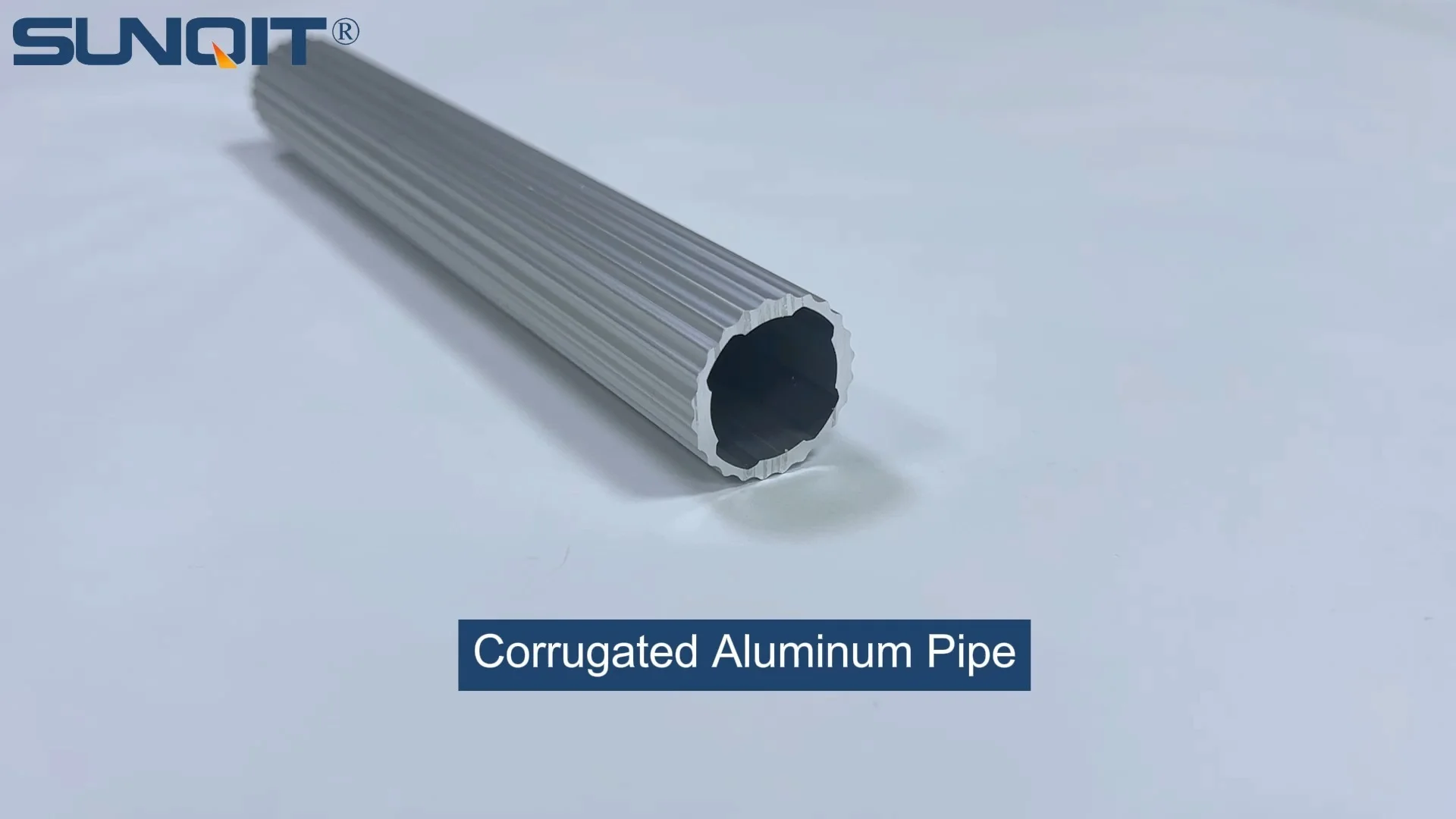
Corrugated Aluminum Pipe
Product Description The slot side is 10mm which can work with a T sliding block for connection accessories Quick Detail Product name Corrugated Aluminum pipe model GLT28-T-3010A Material Science 6005-T6 thickness 1.7mm surface treatment anodic oxidat
Introduction: The Heartbeat of Modern Manufacturing
Walk into any modern manufacturing facility, warehouse, or distribution center, and you'll notice a silent yet relentless force driving operations: conveyor systems. These networks of belts, rollers, and tracks are the circulatory system of production, moving raw materials, components, and finished goods from one station to the next with precision. But what happens when that system stumbles? A jammed roller, a bent frame, or a corroded pipe can bring the entire line to a halt—costing time, money, and morale. For plant managers and operations teams, the quest for conveyor efficiency isn't just about speed; it's about reliability, adaptability, and long-term value. In recent years, one material has emerged as a game-changer in addressing these challenges: corrugated aluminum pipe. Lightweight yet robust, flexible yet durable, it's redefining how conveyor systems are designed, built, and maintained. In this article, we'll explore how corrugated aluminum pipe integrates into conveyor systems, the efficiency gains it delivers, and why it's becoming the material of choice for forward-thinking operations.
What Is Corrugated Aluminum Pipe? Breaking Down the Basics
Before diving into its role in conveyor systems, let's start with the fundamentals: what exactly is corrugated aluminum pipe? At its core, it's an aluminum tube shaped with a series of parallel ridges and grooves—think of the wavy pattern on a cardboard box, but engineered for industrial strength. This corrugation isn't just for show; it's a masterclass in material science. By adding these ridges, manufacturers create a structure that resists bending and torsion far better than a smooth pipe of the same weight. It's the same principle that makes an I-beam stronger than a solid steel bar: strategic design maximizes strength without excess material.
Most corrugated aluminum pipes are made from high-grade aluminum alloys, such as 6061 or 6063, known for their excellent balance of strength, corrosion resistance, and machinability. The manufacturing process typically involves extruding the aluminum into a tube, then passing it through a corrugating die to form the characteristic waves. The result is a pipe that's lightweight (about 1/3 the weight of steel), yet capable of supporting heavy loads—making it ideal for applications where both strength and portability matter.
But corrugated aluminum pipe isn't a one-size-fits-all solution. It comes in various diameters, wall thicknesses, and corrugation patterns, each tailored to specific needs. For conveyor systems, common diameters range from 20mm to 100mm, with wall thicknesses between 1.2mm and 3mm. The corrugation pitch (the distance between ridges) can also vary: smaller pitches offer greater flexibility, while larger pitches enhance rigidity. This versatility means it can be adapted to everything from light-duty assembly lines to heavy-load material handling systems.

Key Advantages: Why Corrugated Aluminum Pipe Stands Out
To understand why corrugated aluminum pipe is gaining traction in conveyor design, let's compare it to traditional materials like steel, plastic, or smooth aluminum. The differences are striking, and they directly impact efficiency in ways that matter to operations teams.
| Material | Weight (per meter, 50mm diameter) | Corrosion Resistance | Installation Time (10m section) | Cost (per meter, average) | Flexibility (Bend Radius) |
|---|---|---|---|---|---|
| Steel Pipe (Galvanized) | 7.8kg | Moderate (prone to rust if coating fails) | 2-3 hours (requires heavy tools) | $15-20 | Low (rigid, hard to bend) |
| Plastic Pipe (PVC) | 1.2kg | High (resistant to chemicals) | 1-1.5 hours (lightweight but brittle) | $8-12 | Moderate (prone to cracking under stress) |
| Smooth Aluminum Pipe | 2.1kg | High | 1.5-2 hours | $25-30 | Low (smooth surface offers less grip for joints) |
| Corrugated Aluminum Pipe | 1.8kg | High (aluminum oxide layer) | 0.5-1 hour (lightweight, easy to handle) | $30-35 | High (flexible without losing strength) |
Let's unpack the standout benefits:
Lightweight Strength: Less Effort, More Durability
At just 1.8kg per meter (for a 50mm diameter pipe), corrugated aluminum is significantly lighter than steel—about 77% lighter, in fact. This reduces the load on conveyor frames, motors, and supports, extending their lifespan and lowering energy costs. But don't mistake lightness for weakness: the corrugated design gives it a tensile strength of up to 310 MPa, comparable to mild steel. In practical terms, that means a 50mm corrugated aluminum pipe can support loads of up to 200kg per linear meter without bending or deforming. For conveyor systems, this translates to fewer structural failures and less downtime for repairs.
Corrosion Resistance: Built to Last in Tough Environments
Manufacturing floors are harsh places. Chemicals, oils, moisture, and even temperature fluctuations can take a toll on metal components. Steel pipes, even galvanized ones, eventually rust if their coating is scratched. Plastic pipes may degrade under UV light or chemical exposure. Corrugated aluminum, however, forms a natural protective layer of aluminum oxide when exposed to air—a barrier that self-repairs if scratched. This makes it ideal for humid environments (like food processing plants), facilities using coolants or lubricants (automotive manufacturing), or outdoor applications (warehouse loading docks). One automotive supplier in Michigan reported that after switching to corrugated aluminum pipe, their conveyor maintenance costs dropped by 40% over three years, largely due to reduced corrosion-related repairs.
Flexibility and Adaptability: Designing for Change
Modern manufacturing isn't static. Product lines change, demand fluctuates, and facilities expand. A conveyor system that works today may need to be reconfigured tomorrow. Corrugated aluminum pipe's flexibility shines here. Unlike rigid steel, it can be bent to gentle curves (with a minimum bend radius of 1.5 meters for most sizes) without compromising strength, allowing for custom layouts that fit tight spaces or follow complex paths. This adaptability also simplifies installation: teams can cut, drill, and assemble sections on-site with basic tools, reducing reliance on specialized equipment. For example, a electronics manufacturer in California recently reconfigured their PCB assembly line to accommodate a new product size. Using corrugated aluminum pipe, their team completed the redesign in two days—half the time it would have taken with steel framing.
Integration: Fitting Corrugated Aluminum Pipe into the Conveyor Ecosystem
A conveyor system is more than just pipes and rollers—it's a network of interconnected components, each playing a role in the flow of materials. Corrugated aluminum pipe doesn't exist in isolation; its true value emerges when it's seamlessly integrated with other parts of the system. Let's explore how it pairs with key components like aluminum profile, roller track, and workbench setups to create a cohesive, efficient whole.
Aluminum Profile: The Backbone of Structure
While corrugated aluminum pipe handles the dynamic loads of material transport, aluminum profile provides the static structure that holds everything together. Aluminum profile—extruded aluminum beams with T-slots for easy mounting—is a staple in modular conveyor design. It's lightweight, strong, and infinitely customizable, making it the perfect partner for corrugated pipe. How do they work together? Imagine a conveyor frame built from 40x40mm aluminum profile, with corrugated aluminum pipes serving as cross-members to support roller track. The T-slots in the profile allow for quick attachment of pipe clamps, brackets, and stops, while the corrugated pipe adds rigidity to the frame without adding excess weight. This combination is particularly useful in overhead conveyor systems, where reducing structural load is critical. A beverage distributor in Texas used this pairing to build a suspended conveyor for moving crates between warehouses; the aluminum profile frame, reinforced with corrugated pipe, reduced the load on ceiling supports by 30% compared to a steel-based design.
Roller Track: Smooth Movement, Minimal Friction
At the heart of many conveyor systems is roller track—a series of rotating rollers mounted on a frame, designed to let materials glide along with minimal effort. For roller track to work effectively, its support structure must be stable yet lightweight. Corrugated aluminum pipe excels here. Its rigidity ensures the track remains level (preventing jams), while its light weight reduces the load on the rollers themselves, extending their lifespan. Moreover, the corrugated surface provides extra grip for mounting brackets, ensuring the roller track stays securely attached even under vibration. A warehouse in Illinois that handles small parts (like screws and washers) switched to corrugated aluminum pipe for their roller track supports. They reported a 25% reduction in roller jams, as the stable frame kept the track aligned, and a 15% increase in throughput as materials moved more smoothly.
Workbench Integration: Bridging Production and Transport
Conveyor systems rarely operate in isolation; they're often linked to workbenches where assembly, inspection, or packaging takes place. Here, corrugated aluminum pipe plays a dual role: as a support for the conveyor itself and as a component of the workbench structure. For example, a lean manufacturing cell might feature a U-shaped conveyor made with corrugated pipe, with workbenches built from aluminum profile and topped with ESD (electrostatic discharge) surfaces. The conveyor feeds components directly to the workbench, where operators assemble products, then sends finished items to the next station. The modularity of corrugated pipe and aluminum profile makes it easy to adjust the height of the conveyor relative to the workbench, ensuring ergonomic alignment for operators. A medical device manufacturer in Minnesota used this setup to reduce operator fatigue: by aligning the conveyor height with their workbenches (using adjustable corrugated pipe supports), they cut down on bending and reaching, leading to a 20% drop in reported strains and sprains.
Efficiency in Action: Real-World Case Studies
Numbers and specs tell part of the story, but real-world results speak louder. Let's look at three case studies where corrugated aluminum pipe transformed conveyor efficiency, delivering tangible benefits to operations.
Case Study 1: Automotive Parts Supplier Reduces Downtime by 35%
A mid-sized automotive parts supplier in Ohio was struggling with their legacy conveyor system. Built with steel pipe and angle iron, it was prone to rust (due to coolant exposure) and required frequent repairs. The team spent 8-10 hours per week fixing bent frames, replacing corroded rollers, and realigning tracks—time that could have been spent on production. In 2023, they decided to upgrade to a modular system using corrugated aluminum pipe and aluminum profile. The results were dramatic: installation took just 3 days (compared to the 1-week shutdown initially planned), and within six months, downtime dropped to 2-3 hours per week—a 35% reduction. The lightweight design also reduced the load on their motors, cutting energy costs by 12%. "We used to have a dedicated maintenance crew just for the conveyors," said the plant manager. "Now, they're focusing on preventive maintenance instead of fire-fighting."
Case Study 2: E-Commerce Fulfillment Center Boosts Throughput by 20%
An e-commerce fulfillment center in Georgia faced a different challenge: seasonal demand spikes. During the holiday season, order volumes doubled, and their existing plastic roller conveyors couldn't keep up—they were prone to bending under heavy packages, leading to frequent jams. The center needed a system that could handle variable loads without sacrificing speed. They turned to corrugated aluminum pipe for the conveyor frames, paired with steel roller track. The combination proved ideal: the corrugated pipe's strength supported heavy boxes (up to 50kg each), while the steel rollers maintained smooth movement. During the 2023 holiday rush, the center processed 20% more orders per day compared to the previous year, with zero major jams. "We used to have teams standing by to unjam conveyors every hour," noted the operations director. "This year, they were free to focus on packing and shipping."
Case Study 3: Food Processing Plant Cuts Sanitation Time by 40%
In food processing, cleanliness is non-negotiable. A meat packaging plant in Iowa was struggling with the time and labor required to sanitize their steel conveyor frames. The crevices in the steel welds trapped food particles and bacteria, requiring hours of scrubbing with harsh chemicals. Switching to corrugated aluminum pipe solved this problem. Its smooth, seamless surface (no welds or sharp corners) is easy to wipe down, and its corrosion resistance stands up to daily washdowns with hot water and sanitizers. The plant's sanitation team now spends 40% less time cleaning conveyors, freeing up staff for other tasks. "We used to have to disassemble parts of the conveyor to clean properly," said the plant hygienist. "With corrugated aluminum, we can spray it down and wipe it in minutes."
Choosing the Right Partner: The Role of a Lean System Supplier
Integrating corrugated aluminum pipe into a conveyor system isn't just about buying pipe—it's about partnering with a supplier who understands your unique needs. A lean system supplier —one focused on waste reduction, modularity, and continuous improvement—can make all the difference in ensuring your conveyor setup delivers maximum efficiency. Here's what to look for when selecting a supplier:
Modular Expertise: Beyond "Off-the-Shelf" Solutions
A good lean system supplier won't just sell you corrugated pipe and aluminum profile—they'll help you design a system that grows with your business. Look for suppliers who offer 3D modeling tools, on-site consultation, and custom fabrication services. They should understand how to combine corrugated pipe with other components (like roller track, workbench, and aluminum profile) to create a modular system that can be reconfigured as your needs change. For example, if you anticipate adding a new production line next year, your supplier should ensure the current conveyor design can accommodate that expansion with minimal modifications.
Quality Materials and Testing
Not all corrugated aluminum pipe is created equal. Ask suppliers about the grade of aluminum they use (6061 or 6063 are industry standards), their manufacturing processes (extrusion vs. rolling), and quality control testing (tensile strength, corrosion resistance). Reputable suppliers will provide material certificates and test reports, ensuring the pipe meets industry standards like ISO 9001. Avoid suppliers who cut corners on material thickness or corrugation depth—these shortcuts can lead to premature failure.
Support and Service: Beyond the Sale
The best suppliers don't disappear after the sale. Look for partners who offer installation support, training for your maintenance team, and responsive customer service. For example, if a component fails or you need help reconfiguring the system, your supplier should be available to troubleshoot and provide replacement parts quickly. A lean system supplier with a local distribution network can minimize lead times, ensuring you're not waiting weeks for critical components.
Future Trends: What's Next for Corrugated Aluminum Pipe in Conveyors
As manufacturing evolves, so too will the role of corrugated aluminum pipe. Here are three trends shaping its future in conveyor systems:
Smart Integration with IoT and Automation
The rise of Industry 4.0 is bringing sensors, data analytics, and automation to conveyor systems. Corrugated aluminum pipe is well-positioned to support this shift. Its hollow interior can house wiring for sensors that monitor temperature, vibration, or load—providing real-time data on conveyor health. Imagine a system that alerts you to a worn roller before it jams, or adjusts speed automatically based on material weight, all powered by sensors integrated into the corrugated pipe structure.
Sustainability: Lightweight = Lower Carbon Footprint
As companies prioritize sustainability, the environmental benefits of corrugated aluminum pipe will become even more critical. Aluminum is 100% recyclable, and its lightweight nature reduces transportation emissions (both for the pipe itself and the conveyors it supports). Future innovations may focus on bio-based lubricants for roller track, or solar-powered conveyor systems—all of which pair well with the energy efficiency of aluminum-based designs.
Advanced Coatings for Specialized Environments
While aluminum's natural corrosion resistance is excellent, specialized coatings could expand its use in extreme environments. For example, ceramic coatings might enhance wear resistance in mining or heavy manufacturing, while antimicrobial coatings could make it even more suitable for pharmaceutical or food processing. Suppliers are already experimenting with these technologies, and we can expect to see them become more mainstream in the next decade.
Conclusion: Efficiency Redefined
In the fast-paced world of manufacturing and logistics, conveyor systems are more than just tools—they're strategic assets. Corrugated aluminum pipe is transforming these assets, offering a rare combination of strength, flexibility, and durability that traditional materials can't match. By integrating seamlessly with aluminum profile, roller track, and workbench setups, it creates conveyor systems that are not only efficient today but adaptable for tomorrow. And when paired with a knowledgeable lean system supplier, it becomes a foundation for continuous improvement, reducing waste, downtime, and cost while boosting productivity and morale.
As we look to the future, one thing is clear: the conveyor systems of tomorrow won't just move materials—they'll move businesses forward. And at the heart of those systems? Corrugated aluminum pipe, quietly driving efficiency, one wave at a time.