- Company Articles
- Products and Technology
- Product knowledge
- Corrugated Aluminum Pipe for Flexible Workstations: Ergonomic Design Benefits

Corrugated Aluminum Pipe for Flexible Workstations: Ergonomic Design Benefits
Related Product
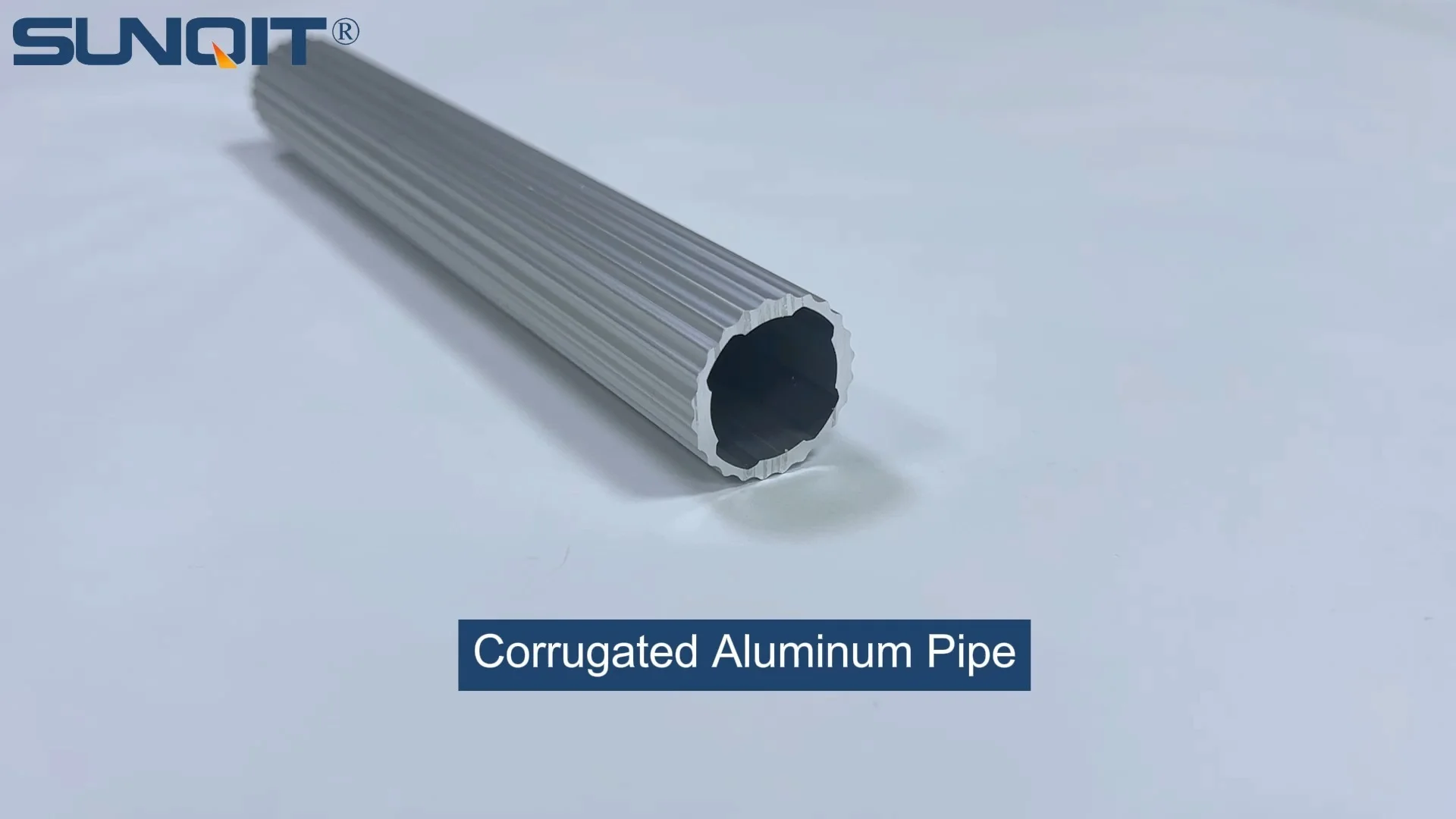
Corrugated Aluminum Pipe
Product Description The slot side is 10mm which can work with a T sliding block for connection accessories Quick Detail Product name Corrugated Aluminum pipe model GLT28-T-3010A Material Science 6005-T6 thickness 1.7mm surface treatment anodic oxidat
On a typical Monday morning at a mid-sized electronics assembly plant, Maria, a production line worker, adjusts her posture for the third time in an hour. The workbench in front of her is fixed at a height that forces her to hunch slightly, and the rigid steel frame makes it impossible to reposition the tools she uses every 10 minutes. By lunch, her shoulders ache, and her productivity has dipped—she's not alone. Across the floor, similar sighs of discomfort echo as workers navigate static, one-size-fits-all workstations that weren't designed with their bodies in mind. This scenario is all too common in manufacturing facilities worldwide, where outdated equipment and inflexible setups prioritize "getting the job done" over the people doing it. But what if there was a material that could transform these workspaces into dynamic, worker-centric environments? Enter corrugated aluminum pipe—a lightweight, durable, and highly adaptable solution that's redefining ergonomic design in flexible workstations.
In today's fast-paced manufacturing landscape, where lean principles and worker well-being are no longer optional but essential, the tools and materials that shape production floors matter more than ever. Corrugated aluminum pipe, often paired with aluminum extrusion profiles and a suite of modular accessories, is emerging as a cornerstone of this shift. It's not just about building workstations—it's about creating spaces that adapt to human needs, reduce physical strain, and align with the fluid demands of modern production. In this article, we'll explore how corrugated aluminum pipe is revolutionizing ergonomic design, supporting lean system goals, and why it's becoming the go-to choice for forward-thinking facilities aiming to boost both productivity and worker satisfaction.
The Hidden Cost of Rigid Workstations
For decades, manufacturing workstations were built around heavy, fixed materials like steel pipes and solid wood. While these materials offered durability, they came with a steep trade-off: inflexibility. A steel workbench, for example, is bolted to the floor, its height and layout set in stone during installation. If a new product line requires a wider workspace, or if a worker with a taller stature joins the team, the solution often involves costly renovations or, worse, forcing the team to adapt to a suboptimal setup.
This rigidity doesn't just hinder operational agility—it takes a toll on worker health. The Bureau of Labor Statistics reports that musculoskeletal disorders (MSDs) account for nearly 30% of all workplace injuries, with manufacturing workers at the highest risk. Repetitive motions, awkward postures, and heavy lifting—all exacerbated by poorly designed workstations—are leading causes. A fixed flow rack that requires workers to bend or stretch to reach materials, or a workbench that's too low for tall employees, isn't just uncomfortable; it's a recipe for chronic pain and lost productivity.
Steel's weight compounds these issues. A single steel pipe section can weigh 5-10 times more than its aluminum counterpart, making reconfiguration a Herculean task. Even minor adjustments require tools, time, and often a team of workers, disrupting production and discouraging the "continuous improvement" mindset at the heart of lean system principles. In short, traditional materials are stuck in a bygone era—one where workers adapted to machines, not the other way around.
| Material | Weight (per meter) | Strength-to-Weight Ratio | Flexibility (Reconfiguration Time) | Ergonomic Impact | Long-Term Cost (Including Maintenance) |
|---|---|---|---|---|---|
| Traditional Steel Pipe | 15-20 kg | Moderate (high weight limits portability) | 4-6 hours (requires tools/team) | High risk of MSDs (fixed height, heavy lifting) | Higher (corrosion, frequent repairs, downtime) |
| Corrugated Aluminum Pipe | 3-5 kg | Excellent (lightweight with structural rigidity) | 15-30 minutes (tool-free with modular joints) | Low risk (adjustable, reduces strain, worker-customizable) | Lower (corrosion-resistant, minimal maintenance, adaptability) |
What Makes Corrugated Aluminum Pipe Different?
At first glance, corrugated aluminum pipe might look like just another industrial material, but its design and properties set it apart. Unlike smooth-walled pipes, corrugated aluminum features a series of ridges and grooves along its length—a structure that borrows from nature's own engineering (think: the strength of a bird's wing or the flexibility of a leaf's vein). This corrugation adds rigidity without adding weight, making the pipe both lightweight and remarkably strong. When paired with precision-engineered aluminum extrusion profiles—shapes created by forcing molten aluminum through a die to form consistent, modular lengths—the result is a system that's as versatile as it is robust.
But the magic isn't just in the pipe itself; it's in the ecosystem of accessories that accompany it. From quick-connect joints and adjustable clamps to sliding brackets and height-adjustable feet, these aluminum profile accessories turn corrugated aluminum pipe into a building block for endless configurations. Need a workbench that can be raised 6 inches for a taller worker? Swap out a few joints. Want to add a flow rack to your assembly line to reduce bending? Snap on a roller track and secure it with a bracket. This tool-free adaptability is a game-changer, putting control back in the hands of workers who know their needs best.
Aluminum's natural properties further enhance its appeal. It's corrosion-resistant, so it holds up in humid or dusty factory environments without rusting. It's non-conductive, making it safe for use near electrical equipment—a critical feature in electronics manufacturing. And unlike steel, it won't dent or warp under repeated use, ensuring that workstations maintain their structural integrity for years. Perhaps most importantly, aluminum is lightweight: a 3-meter length of corrugated aluminum pipe weighs less than 15 kg, meaning a single worker can reposition it without strain. This reduces the risk of on-the-job injuries and eliminates the need for specialized teams to handle adjustments.

Ergonomic Design: Putting Workers at the Center
Ergonomics isn't just about comfort—it's about designing systems that fit the human body to reduce fatigue, prevent injury, and boost performance. Corrugated aluminum pipe excels here, offering three key ergonomic benefits that traditional materials simply can't match: adjustability, adaptability, and reduced physical effort.
Adjustability: One Workstation, Many Bodies
No two workers are the same. A 5'2" assembly line operator and a 6'4" quality control inspector have vastly different needs when it comes to workbench height, tool placement, and reach distance. Corrugated aluminum pipe solves this with height-adjustable frames that can be tweaked in increments as small as 2.5 cm. Using simple lever-locked joints or threaded knobs (common aluminum profile accessories), workers can raise or lower their work surfaces to elbow height—widely recognized as the optimal position for minimizing shoulder and back strain. In a study by the Ergonomics Research Society, adjustable-height workstations reduced reported neck and shoulder pain by 41% among manufacturing workers, a statistic that directly translates to fewer sick days and higher engagement.
But adjustability goes beyond height. Tools, bins, and equipment can be mounted on sliding rails or swiveling arms, allowing workers to position frequently used items within a 16-inch "golden zone"—the area closest to the body that requires minimal effort to reach. For example, a corrugated aluminum pipe tool rack can be angled 30 degrees toward the worker, reducing the need to stretch or twist. This level of customization turns a generic workstation into a personalized space that feels like an extension of the worker, not a barrier to productivity.
Adaptability: From Batch Production to Custom Orders
Modern manufacturing rarely sticks to a single product line. A facility might produce 500 units of a small gadget on Monday and switch to a bulkier component by Wednesday. Traditional steel workstations can't keep up—reconfiguring them often means dismantling and rebuilding, a process that eats into production time and disrupts workflow. Corrugated aluminum pipe, however, thrives on change. Its modular design allows for quick transitions: add a shelf here, remove a bin there, or reposition a flow rack in minutes rather than hours.
Take, for example, a furniture assembly plant that shifted from mass production to custom orders. With corrugated aluminum pipe workstations, the team could reconfigure their setup daily: one day, a low-profile bench for assembling tabletops; the next, a taller frame with integrated roller tracks to slide heavy cabinet doors. This adaptability aligns perfectly with lean system principles, where waste (in this case, downtime from retooling) is eliminated. The result? A 28% reduction in setup time and a 15% increase in on-time deliveries, as reported by the plant manager in a case study published in Manufacturing Engineering .
Reduced Physical Effort: Lightweight, but Strong Enough to Lean On
Heavy lifting and repetitive motion are two of the biggest culprits behind workplace injuries. Corrugated aluminum pipe addresses both by cutting down on the physical effort required to interact with workstations. Its lightweight nature means workers can move, adjust, or reconfigure components without straining their backs or shoulders. For instance, a mobile flow rack built with corrugated aluminum pipe weighs 30-40% less than a steel equivalent, making it easy to push across the factory floor (even with a full load of materials) using integrated casters—another common aluminum profile accessory.
The material's strength is equally important. Despite its light weight, corrugated aluminum pipe can support up to 200 kg per linear meter, thanks to its rigid structure and reinforced joints. This means workers don't have to hesitate when placing heavy tools or components on their workbenches—they can trust the system to hold up, reducing anxiety and distraction. In a survey of workers at a automotive parts plant that switched to corrugated aluminum pipe workstations, 76% reported feeling "less physically drained" at the end of their shifts, with 62% noting they could focus better on tasks without worrying about workstation stability.
Aligning with Lean Systems: Efficiency Meets Ergonomics
Lean manufacturing is built on the idea of continuous improvement—eliminating waste, streamlining processes, and maximizing value. Corrugated aluminum pipe isn't just an ergonomic tool; it's a lean enabler, supporting key principles like flexibility, visual management, and standardized work.
Flexibility: The Foundation of Just-In-Time Production
Just-in-time (JIT) production, a cornerstone of lean systems, relies on the ability to adapt quickly to changing demand. Corrugated aluminum pipe workstations make this possible by allowing production lines to shrink, expand, or reorient based on real-time needs. For example, a food packaging facility using JIT principles might need to scale up a snack bar line during peak hours and downsize it overnight. With corrugated aluminum pipe, workers can add or remove conveyor sections (often built with roller tracks and lightweight frames) in minutes, ensuring materials flow smoothly without overproduction or bottlenecks.
This flexibility also extends to "cellular manufacturing," where small teams work on self-contained production cells. Corrugated aluminum pipe cells can be customized with built-in flow racks for materials, tool boards, and quality control stations—all within arm's reach. This reduces unnecessary movement (a form of waste in lean terms) and keeps workers focused on value-adding tasks. A case study by the Lean Enterprise Institute found that cellular workstations built with corrugated aluminum pipe reduced worker travel distance by 37% and cut cycle times by 22% compared to linear, fixed-line setups.
Visual Management: A Place for Everything, Everything in Its Place
Lean systems thrive on clarity—workers should be able to see at a glance where tools belong, how materials flow, and if a process is on track. Corrugated aluminum pipe supports this with color-coded accessories (think: yellow bins for defective parts, green for completed items) and open, uncluttered designs. Unlike steel workstations with closed shelves or hidden compartments, aluminum frames keep tools and materials visible, reducing search time and ensuring nothing gets misplaced. In one electronics plant, this visibility led to a 58% drop in "lost tool" incidents, freeing up workers to focus on assembly rather than hunting for equipment.
Additionally, corrugated aluminum pipe's modularity makes it easy to implement visual cues like height markers for optimal bin placement or shadow boards for tool storage. These small touches reinforce standardized work—another lean principle—by creating a consistent environment where every worker knows exactly where things go, reducing variability and errors.
Real-World Impact: Stories from the Factory Floor
Numbers and studies tell part of the story, but the true value of corrugated aluminum pipe shines through in the experiences of workers and facilities that have made the switch. Let's look at two examples of how this material transformed ergonomics, productivity, and morale.
Case Study 1: Automotive Parts Plant Cuts Injuries by 53%
A midwestern U.S. automotive parts manufacturer with 200+ employees was struggling with a high rate of MSDs, particularly among workers assembling brake components. Their steel workstations were fixed at 36 inches, forcing shorter employees to stand on risers and taller ones to hunch. Turnover was high, and workers' compensation claims were costing the company $120,000 annually. In 2023, they replaced 40 steel workstations with corrugated aluminum pipe setups, complete with height-adjustable frames, tool rails, and flow racks positioned at waist level.
The results were striking. Within six months, reported MSD cases dropped from 18 to 8—a 53% reduction. Workers reported less shoulder and back pain, and the plant's HR director noted a 22% decrease in turnover. Productivity also improved: assembly time per unit fell by 9%, as workers spent less time adjusting their posture and more time focusing on tasks. "It's like night and day," said Juan, a 10-year employee. "I used to go home with a headache from leaning over the bench. Now I can adjust it to my height, and my tools are right where I need them. I actually look forward to coming to work."
Case Study 2: Electronics Manufacturer Boosts Flexibility for Custom Orders
A Taiwan-based electronics manufacturer specializing in custom circuit boards faced a challenge: their rigid steel workstations couldn't keep up with small-batch, high-mix orders. Switching between product types took 4-6 hours of reconfiguration, leading to missed deadlines and frustrated customers. In 2022, they invested in a corrugated aluminum pipe system, including modular workbenches, rolling flow racks, and adjustable tool holders.
The impact was immediate. Setup time for new orders dropped from hours to minutes—workers could reposition shelves, add roller tracks, or adjust bench heights using simple hand tools. The plant went from handling 3 custom orders per week to 7, and on-time delivery rates rose from 78% to 95%. "We used to turn down small orders because they weren't worth the hassle of retooling," said the plant manager. "Now, with corrugated aluminum, we can take on any order, big or small, and still meet our deadlines. Our customers are happier, and our team feels empowered to make changes without waiting for maintenance."
The Future of Workstations: Where Corrugated Aluminum Pipe Meets Industry 4.0
As manufacturing evolves toward Industry 4.0—smart factories with connected systems and data-driven decision-making—corrugated aluminum pipe is poised to play an even bigger role. Its modularity and adaptability make it an ideal partner for emerging technologies like collaborative robots (cobots), IoT sensors, and augmented reality (AR) guidance systems.
Imagine a workstation where a corrugated aluminum pipe frame supports a lightweight cobot arm, positioned precisely at shoulder height to assist with heavy lifting. IoT sensors embedded in the pipe (via custom aluminum profile accessories) monitor vibration, temperature, and usage patterns, alerting maintenance teams to potential issues before they cause downtime. AR glasses could overlay digital work instructions directly onto the workstation, with tools and parts highlighted based on their position on the aluminum frame. This integration of physical flexibility and digital intelligence creates a "human-machine collaboration hub" that's efficient, safe, and endlessly adaptable.
Sustainability is another growing trend, and corrugated aluminum pipe delivers here too. Aluminum is 100% recyclable, and its lightweight nature reduces shipping emissions. Unlike steel, which requires energy-intensive painting or coating to prevent rust, aluminum's natural corrosion resistance means less waste and lower environmental impact. As more facilities aim for net-zero goals, corrugated aluminum pipe will become a staple of eco-friendly manufacturing.
Beyond Workstations: Investing in People
At the end of the day, corrugated aluminum pipe is more than a material—it's a statement about values. It says that a facility cares about its workers' health, about adaptability in a changing world, and about building systems that grow with the people who use them. In Maria's plant, where rigid steel workstations once ruled, the switch to corrugated aluminum pipe wasn't just an upgrade—it was a transformation. Workers now adjust their benches to fit their bodies, reconfigure tool racks in minutes, and collaborate to optimize their spaces. The result? Less pain, more pride, and a production line that runs smoother than ever.
Ergonomic design isn't a luxury; it's a necessity. And corrugated aluminum pipe, with its unique blend of adjustability, durability, and lean compatibility, is leading the charge. As manufacturing continues to evolve, the facilities that thrive will be those that prioritize flexibility, worker well-being, and continuous improvement—all made possible by materials that put people first. So the next time you walk through a factory, take a closer look at the workstations. If you see lightweight, silver frames with ridges and grooves, you're looking at the future: one where work adapts to humans, not the other way around.