- Company Articles
- Products and Technology
- Product knowledge
- Corrugated Aluminum Pipe for Flow Racks: Improving Material Handling Efficiency

Corrugated Aluminum Pipe for Flow Racks: Improving Material Handling Efficiency
Related Product
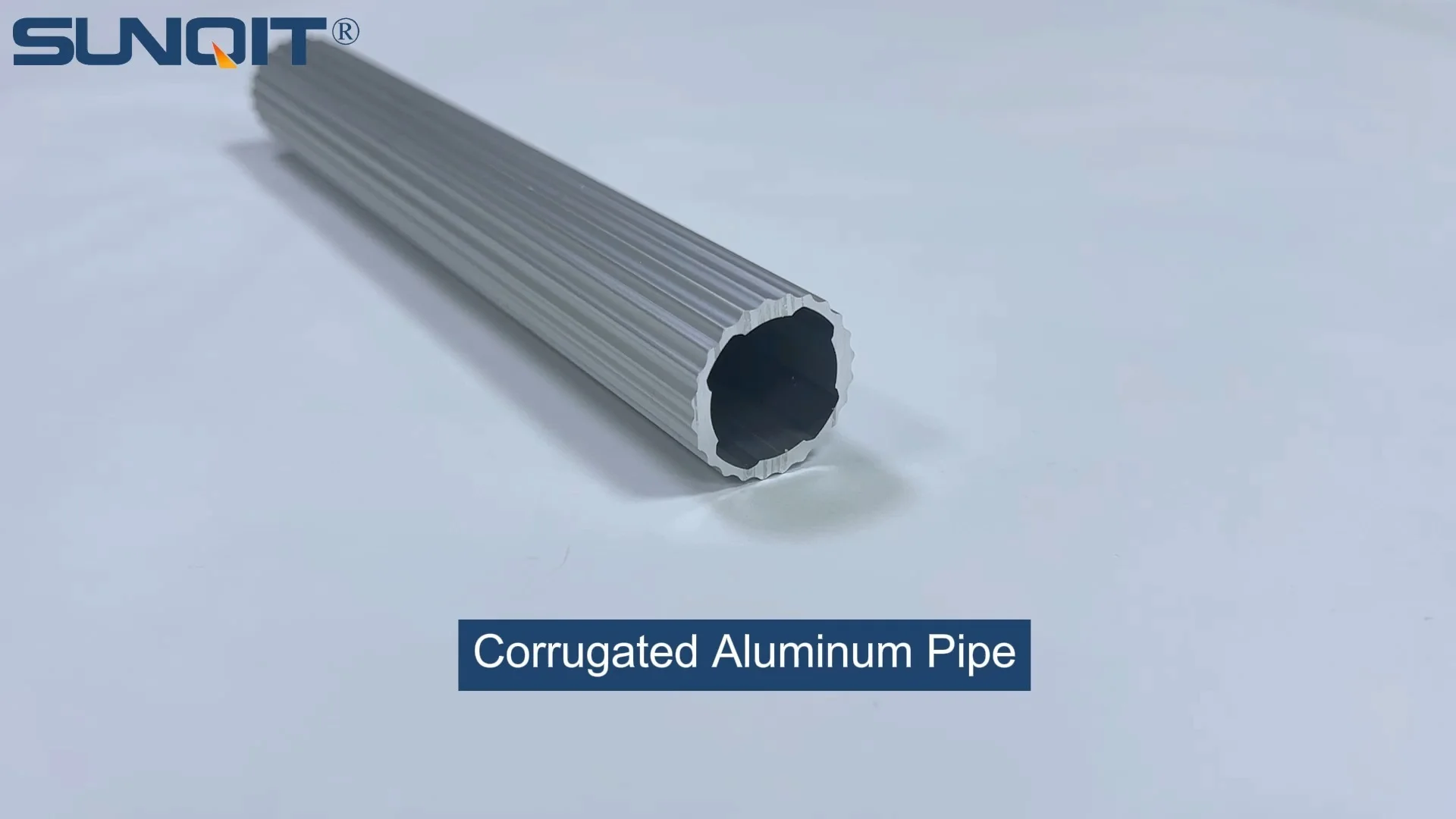
Corrugated Aluminum Pipe
Product Description The slot side is 10mm which can work with a T sliding block for connection accessories Quick Detail Product name Corrugated Aluminum pipe model GLT28-T-3010A Material Science 6005-T6 thickness 1.7mm surface treatment anodic oxidat
Walk into any busy manufacturing plant or distribution warehouse, and you'll quickly notice the unsung heroes of productivity: the systems that move materials from point A to point B. When these systems work well, they're almost invisible—materials glide smoothly, workers stay focused, and deadlines feel achievable. But when they falter? Bottlenecks form, frustration rises, and every minute of downtime eats into profits. For years, many facilities relied on heavy steel pipes or flimsy plastic tubes to build flow racks, the workhorses of material handling. Today, a new solution is changing the game: corrugated aluminum pipe. Lightweight yet surprisingly strong, adaptable yet built to last, it's not just a material upgrade—it's a catalyst for leaner, more efficient operations.
The Problem with Traditional Flow Rack Materials
Let's start with the basics: flow racks are designed to use gravity to move materials—think bins, boxes, or components—from the loading end to the picking end. They're critical in lean manufacturing, where minimizing waste and maximizing flow are priorities. But the materials used to build these racks have long been a trade-off. Steel pipes, for example, are strong, but their weight makes installation a two-person job, and reconfiguring a rack to adapt to new product lines? That means wrestling with heavy tools and potentially disrupting the entire workflow for hours.
Plastic pipes, on the other hand, are lightweight, but they lack the rigidity needed for heavy loads. Over time, they warp under pressure, leading to jams as materials get stuck on uneven surfaces. And neither steel nor plastic handles corrosion well—steel rusts in humid environments, while plastic degrades under UV light or harsh cleaning chemicals. For facilities dealing with electronics, pharmaceuticals, or food, where cleanliness and durability are non-negotiable, these issues aren't just inconveniences; they're operational risks.
Then there's the issue of assembly. Traditional steel racks often require welding or complex fasteners, which limits how quickly teams can adapt to sudden changes in demand. A warehouse manager might need to shift from storing small parts to bulkier items overnight, but with a steel rack, that change could take days of disassembly and reconstruction. Plastic racks, while easier to assemble, often can't handle the weight of heavier materials, leaving teams stuck between a rock and a hard place: sacrifice strength for flexibility, or vice versa.
Corrugated Aluminum Pipe: A Material Built for Modern Needs
Corrugated aluminum pipe isn't just aluminum with ridges—it's a engineering solution designed to solve the weaknesses of traditional materials. The corrugated design (those alternating peaks and valleys along the pipe's length) does two key things: it adds structural rigidity without adding weight, and it creates a surface that's surprisingly grippy yet smooth enough for materials to flow. Let's break that down.
First, weight. Aluminum is already 30% lighter than steel, but the corrugation takes it a step further. A 10-foot length of 1.5mm corrugated aluminum pipe weighs roughly 4 pounds, compared to 12 pounds for a similar steel pipe. That might not sound like much, but multiply that by the dozens of pipes in a typical flow rack, and suddenly installation goes from a two-person job to something one worker can handle with ease. No more straining to lift heavy sections or needing extra help to adjust a rack's height—corrugated aluminum pipe makes reconfiguration feel like rearranging furniture, not reconstructing a building.
Then there's strength. You might think a lightweight material would buckle under pressure, but the corrugation acts like nature's own reinforcement. Think of a cardboard box: flat, it's flimsy, but folded into a corrugated shape, it can support far more weight. The same principle applies here. Corrugated aluminum pipe can handle loads up to 200 pounds per linear foot, depending on the diameter and wall thickness—more than enough for most warehouse or manufacturing needs, from small electronic components to heavy automotive parts.
Durability is another win. Aluminum naturally resists corrosion, making it ideal for humid environments or facilities that use water-based cleaning solutions. Unlike steel, it won't rust, and unlike plastic, it won't crack or warp when exposed to temperature extremes. That means a corrugated aluminum flow rack can last 10+ years with minimal maintenance, outliving both steel (which needs regular painting to prevent rust) and plastic (which degrades over time) by a wide margin.

Why Flow Racks Benefit Most from Corrugated Aluminum
Flow racks are all about balance: they need to be rigid enough to guide materials straight, flexible enough to adapt to different product sizes, and durable enough to withstand constant use. Corrugated aluminum pipe checks all three boxes, but its real magic lies in how it enhances the core purpose of flow racks: flow .
Smooth, consistent movement is key. When materials get stuck on a flow rack, it's often because the surface is uneven or the angle is off. Corrugated aluminum pipe's ridged surface reduces friction just enough to keep items moving, but not so much that they slide too quickly (a common problem with overly smooth plastic pipes). This "controlled flow" means fewer jams, less time spent unclogging racks, and more predictable material delivery to workers on the picking end.
Integration with roller track is another advantage. Many flow racks use roller tracks to guide materials, and corrugated aluminum pipe pairs seamlessly with these systems. Aluminum profile accessories—like brackets, connectors, and end caps—are designed to snap or bolt onto the pipe's ridges, creating a secure, wobble-free connection. Unlike steel, which often requires welding or drilling to attach roller tracks, corrugated aluminum pipe uses simple, tool-free fasteners that make adding or adjusting roller tracks a 5-minute task. Need to widen the track for larger boxes? Just loosen a few bolts, slide the brackets, and tighten—no special skills required.
And let's not forget about lean principles. Lean manufacturing is all about eliminating waste, and corrugated aluminum pipe supports that in spades. Its lightweight design reduces the energy needed to move and install racks. Its durability means less frequent replacement, cutting down on material waste. And its adaptability lets teams reconfigure racks on the fly, avoiding the waste of building entirely new systems when product lines change. For facilities striving to be more agile and sustainable, corrugated aluminum pipe isn't just a tool—it's a step toward a leaner, greener operation.
Comparing Corrugated Aluminum to Traditional Materials
Still not convinced? Let's put corrugated aluminum pipe head-to-head with the two most common alternatives: steel pipe and smooth plastic pipe. The table below breaks down key factors like weight, load capacity, and cost over time.
| Material | Weight (10ft length) | Max Load Capacity | Corrosion Resistance | Installation Time | Estimated Lifespan | Maintenance Needs |
|---|---|---|---|---|---|---|
| Corrugated Aluminum Pipe | 4-6 lbs | 150-200 lbs/linear ft | Excellent (no rust) | 1-2 hours (one person) | 10+ years | Minimal (occasional cleaning) |
| Steel Pipe | 12-15 lbs | 200-250 lbs/linear ft | Poor (rusts without paint) | 3-4 hours (two people) | 5-7 years (with regular painting) | High (annual painting, rust removal) |
| Smooth Plastic Pipe | 2-3 lbs | 50-100 lbs/linear ft | Good (but prone to UV damage) | 1 hour (one person) | 3-5 years (degrades in sunlight/heat) | Moderate (replace cracked/warped sections) |
The numbers tell a clear story: corrugated aluminum pipe offers the best balance of weight, strength, and longevity. While steel can handle slightly heavier loads, the trade-off in installation time, maintenance, and lifespan often isn't worth it for most facilities. Plastic is lightweight, but its low load capacity and short lifespan make it a temporary fix, not a long-term solution. Corrugated aluminum pipe, on the other hand, hits the sweet spot—strong enough for daily use, light enough for easy handling, and durable enough to grow with your business.
Case Study: How a Automotive Parts Plant Cut Downtime by 30%
Let's take a look at how corrugated aluminum pipe transformed material handling for a mid-sized automotive parts manufacturer in Michigan. Before switching, the plant used steel flow racks to move engine components from the warehouse to the assembly line. The racks were heavy, hard to adjust, and prone to rust in the humid summer months. Workers often spent 2-3 hours a week just unclogging jams or repainting rusted sections, and reconfiguring racks for new part sizes required a full day of work and extra labor.
In 2023, the plant switched to corrugated aluminum pipe flow racks, paired with roller track for smoother material movement. The results were immediate: installation of the new racks took half the time of the old steel ones, and workers could adjust heights or add new sections on their own, without extra help. The rust problem disappeared, cutting maintenance time from 8-12 hours a month to less than 2. Most importantly, jams dropped by 70%—materials glided more consistently, and assembly line workers reported spending less time waiting for parts and more time on actual production.
After six months, the plant calculated a 30% reduction in material handling downtime and a 15% increase in assembly line productivity. "It's like night and day," said Mark, the plant's operations manager. "We used to dread changing over the racks for new parts. Now, we can do it in an hour, and the racks look as good as new a year later. I wish we'd made the switch sooner."
Choosing the Right Corrugated Aluminum Pipe and Accessories
Not all corrugated aluminum pipes are created equal, and the right choice depends on your specific needs. Start with diameter: most flow racks use 1.5-inch or 2-inch pipes, but larger diameters (up to 3 inches) are available for heavier loads. Wall thickness matters too—1.2mm is standard for light to medium use, while 1.5mm or 2.0mm works better for heavy-duty applications.
Then there are the accessories. Aluminum profile accessories are the unsung heroes that make corrugated aluminum pipe so adaptable. Look for brackets that snap onto the pipe's ridges for quick attachment, adjustable connectors that let you change angles without tools, and end caps to prevent sharp edges (a safety win for workers). Roller track is another must-have—pairing corrugated aluminum pipe with roller track creates a surface that's even smoother than the pipe alone, reducing friction and further minimizing jams.
When selecting a supplier, prioritize those who offer both pipes and compatible accessories. Mixing and matching from different brands can lead to ill-fitting parts and frustrating delays. A good supplier will also provide samples, so you can test the pipe's load capacity and flexibility before committing. Don't forget to ask about customization—some suppliers offer cut-to-length pipes or custom colors, which can help with organization (e.g., color-coding racks by product line).
The Future of Material Handling: Lean, Lightweight, and Adaptable
As manufacturing and warehousing continue to evolve—with smaller batch sizes, faster production cycles, and a focus on sustainability—flexibility and efficiency will only grow more important. Corrugated aluminum pipe isn't just a trend; it's a response to these changing needs. It's lightweight enough to adapt quickly, strong enough to last, and sustainable enough to align with green initiatives (aluminum is 100% recyclable, with 95% less energy needed to recycle it than to produce new aluminum).
Imagine a future where flow racks are no longer permanent fixtures, but dynamic systems that change as your business does. Need to add a new product line? Reconfigure the racks in an afternoon. Moving to a new facility? Disassemble the racks, load them into a truck, and reassemble them the next day. Corrugated aluminum pipe makes that future possible today.
Conclusion: Invest in Efficiency, Not Just Materials
At the end of the day, corrugated aluminum pipe for flow racks isn't just about buying a better pipe—it's about investing in your team's productivity, your facility's adaptability, and your bottom line. It's about turning material handling from a daily headache into a seamless, almost invisible part of your operation. It's about giving workers the tools they need to do their jobs better, faster, and safer.
So if you're still using steel or plastic flow racks, ask yourself: How much time and energy is your current system costing you? How much could you save with a lighter, stronger, more adaptable solution? The answer might surprise you. Corrugated aluminum pipe isn't just a material upgrade—it's a step toward a leaner, more efficient, and more resilient business. And in today's fast-paced world, that's not just an advantage; it's a necessity.