- Company Articles
- Products and Technology
- Product knowledge
- Corrugated Aluminum Pipe for Material Rack B: Design and Load-Bearing Tips

Corrugated Aluminum Pipe for Material Rack B: Design and Load-Bearing Tips
Related Product
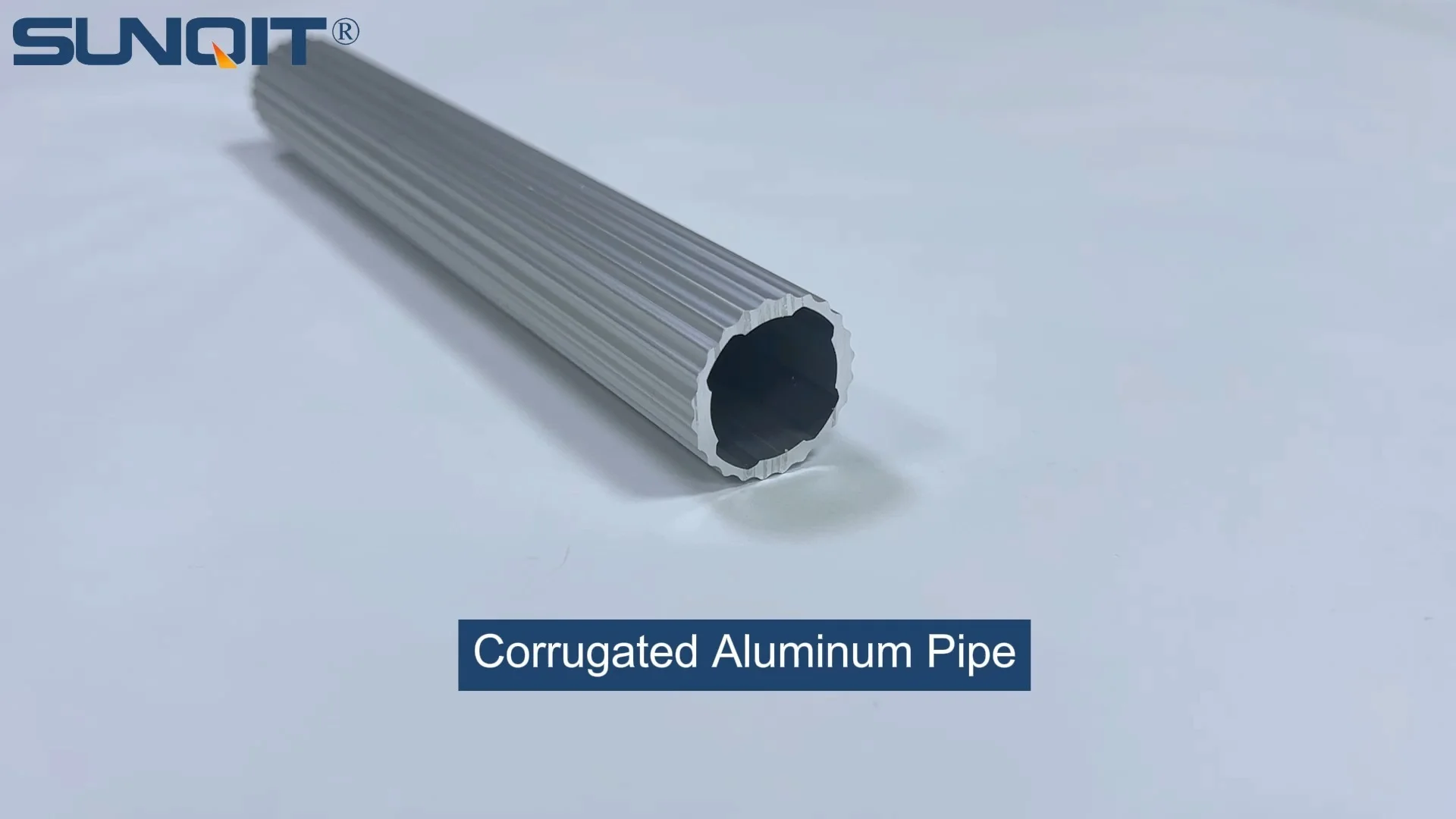
Corrugated Aluminum Pipe
Product Description The slot side is 10mm which can work with a T sliding block for connection accessories Quick Detail Product name Corrugated Aluminum pipe model GLT28-T-3010A Material Science 6005-T6 thickness 1.7mm surface treatment anodic oxidat
Introduction: The Backbone of Efficient Storage
Walk into any bustling warehouse, electronics assembly line, or auto parts shop, and you'll quickly realize that storage isn't just about "putting things away"—it's about
enabling
work. A well-designed storage system turns chaos into order, cuts down on wasted time, and even boosts team morale. One system that's become a staple in these environments is
Material Rack B (3 row and 3 floor)
—a versatile, space-saving solution built to hold everything from small components to bulkier tools. But what makes a Material Rack B truly reliable? It starts with the materials used to build it. In recent years,
corrugated aluminum pipe
has emerged as a game-changer here. Lightweight yet surprisingly strong, it's redefining how we think about durability and flexibility in storage design. In this guide, we'll explore why corrugated aluminum pipe is the perfect match for Material Rack B, share practical design tips to make the most of its unique properties, and break down how to ensure your rack can handle the loads you throw at it—safely and efficiently.
What Makes Corrugated Aluminum Pipe Special?
Before diving into design and load-bearing, let's get to know the star of the show: corrugated aluminum pipe. You've probably seen smooth aluminum pipes before—they're sleek, lightweight, and resist rust. But corrugated aluminum takes things a step further. Picture a pipe with evenly spaced ridges (the "corrugations") running along its length. These ridges aren't just for looks; they're engineering magic. By adding these folds, manufacturers increase the pipe's rigidity without making it heavier. Think of it like a cardboard box: flat cardboard bends easily, but when folded into a box shape (with its own "corrugations"), it can support weight far beyond its thin material would suggest.
Aluminum itself is already a standout material. It's naturally resistant to corrosion, so even in humid warehouses or shops with occasional spills, you won't have to worry about rust weakening the structure over time. It's also non-magnetic and non-sparking, making it safe for use in sensitive environments like electronics manufacturing. When you combine that with the strength boost from corrugations, you get a pipe that's both easy to handle (no heavy lifting required during assembly!) and tough enough to stand up to daily wear and tear.
But why not just use steel? Steel is strong, sure, but it's heavy—assembling a steel Material Rack B often requires multiple people or even machinery. It also rusts if not treated, adding maintenance costs. Plastic pipes, on the other hand, are lightweight but lack the load-bearing capacity needed for heavier items. Corrugated aluminum pipe hits that sweet spot: strong enough for most industrial needs, light enough for quick, tool-free setup, and durable enough to last for years with minimal upkeep.
Aluminum itself is already a standout material. It's naturally resistant to corrosion, so even in humid warehouses or shops with occasional spills, you won't have to worry about rust weakening the structure over time. It's also non-magnetic and non-sparking, making it safe for use in sensitive environments like electronics manufacturing. When you combine that with the strength boost from corrugations, you get a pipe that's both easy to handle (no heavy lifting required during assembly!) and tough enough to stand up to daily wear and tear.
But why not just use steel? Steel is strong, sure, but it's heavy—assembling a steel Material Rack B often requires multiple people or even machinery. It also rusts if not treated, adding maintenance costs. Plastic pipes, on the other hand, are lightweight but lack the load-bearing capacity needed for heavier items. Corrugated aluminum pipe hits that sweet spot: strong enough for most industrial needs, light enough for quick, tool-free setup, and durable enough to last for years with minimal upkeep.

Material Rack B (3 row and 3 floor): A Quick Overview
Let's take a closer look at the system we're focusing on:
Material Rack B (3 row and 3 floor)
. As the name suggests, this rack features 3 vertical rows and 3 horizontal floors (or shelves), creating 9 separate storage spaces. It's designed to be compact enough for tight work areas but roomy enough to hold a surprising amount of inventory. Common dimensions range from 120cm to 180cm in height, 80cm to 120cm in width, and 40cm to 60cm in depth—though these can be adjusted based on your needs.
What makes the 3x3 design so popular? It's all about accessibility. Each shelf is low enough to reach without a ladder, and the 3-row layout means you can organize items by category (e.g., "daily use," "backup stock," "seasonal items") without overcrowding. Whether you're storing small plastic components, metal fasteners, or even tools like drills and wrenches, Material Rack B keeps everything visible and within arm's reach.
Traditionally, Material Rack B was often built with steel pipes or plain aluminum, but more and more businesses are switching to corrugated aluminum pipe. Why? Because corrugated aluminum solves two big pain points: weight and adaptability. Steel racks are sturdy but hard to move if you need to rearrange your workspace. Plain aluminum is lighter but can flex under heavy loads. Corrugated aluminum pipe? It's light enough for two people to reposition easily, yet rigid enough to hold up under the weight of daily use.
What makes the 3x3 design so popular? It's all about accessibility. Each shelf is low enough to reach without a ladder, and the 3-row layout means you can organize items by category (e.g., "daily use," "backup stock," "seasonal items") without overcrowding. Whether you're storing small plastic components, metal fasteners, or even tools like drills and wrenches, Material Rack B keeps everything visible and within arm's reach.
Traditionally, Material Rack B was often built with steel pipes or plain aluminum, but more and more businesses are switching to corrugated aluminum pipe. Why? Because corrugated aluminum solves two big pain points: weight and adaptability. Steel racks are sturdy but hard to move if you need to rearrange your workspace. Plain aluminum is lighter but can flex under heavy loads. Corrugated aluminum pipe? It's light enough for two people to reposition easily, yet rigid enough to hold up under the weight of daily use.
Design Tips: Building a Better Material Rack B with Corrugated Aluminum Pipe
Now that we understand the "why" behind corrugated aluminum pipe, let's get into the "how." Designing a Material Rack B with this material isn't just about cutting pipes to length and screwing them together—it's about maximizing its strengths while avoiding common pitfalls. Here are our top design tips:
1. Choose the Right Pipe Diameter and Thickness
Corrugated aluminum pipes come in various diameters, typically ranging from 20mm to 50mm. For Material Rack B, we recommend starting with 25mm to 32mm pipes for the main frame (vertical supports and horizontal beams). Why? A 25mm pipe is strong enough for most light to medium loads (think: up to 50kg per shelf), while 32mm is better for heavier items (up to 80kg per shelf). Thickness matters too—look for pipes with a wall thickness of 1.2mm to 2.0mm. Thinner pipes (1.0mm or less) might save money upfront but can bend over time if overloaded.
Pro Tip:
If you're unsure which diameter to choose, do a quick inventory audit. Weigh your heaviest item, multiply by how many you'll store per shelf, and add 20% (for "just in case" scenarios). Then check the manufacturer's load ratings for different pipe diameters—most will list maximum weight per linear meter.
2. Invest in Quality Aluminum Pipe Accessories
A pipe is only as strong as the joints and connectors holding it together. For corrugated aluminum pipe, look for
aluminum pipe accessories
like internal rotatory joints, T-joints, and floor flanges. These are specifically designed to fit corrugated pipes, creating a tight, wobble-free connection. Avoid generic plastic or steel connectors—they may not grip the corrugations properly, leading to loose shelves over time.
One accessory we highly recommend is the internal rotatory aluminum joint. These allow you to adjust the angle of shelves slightly (e.g., tilting a shelf by 5-10 degrees) to prevent items from sliding off or to make picking easier. They're also reusable, so if you need to reconfigure your rack later, you won't have to buy new parts.
One accessory we highly recommend is the internal rotatory aluminum joint. These allow you to adjust the angle of shelves slightly (e.g., tilting a shelf by 5-10 degrees) to prevent items from sliding off or to make picking easier. They're also reusable, so if you need to reconfigure your rack later, you won't have to buy new parts.
3. Space Shelves for Balance, Not Just Storage
It's tempting to cram as many shelves as possible into your rack, but spacing matters for both load distribution and usability. For Material Rack B (3 row and 3 floor), aim for 30cm to 40cm between shelves. This gives enough room for most items without wasting vertical space. If you're storing taller items (e.g., long drill bits or large boxes), adjust the spacing for those specific shelves—but keep the others consistent to maintain structural balance.
Also, don't forget about horizontal spacing between rows. Leave at least 20cm between rows to make it easy to reach into the back of each shelf. A common mistake is making rows too close together, leading to frustrating "elbow workouts" when grabbing items from the middle or back.
Also, don't forget about horizontal spacing between rows. Leave at least 20cm between rows to make it easy to reach into the back of each shelf. A common mistake is making rows too close together, leading to frustrating "elbow workouts" when grabbing items from the middle or back.
4. Integrate with Aluminum Profile for Extra Stability
For added rigidity, consider pairing corrugated aluminum pipes with
aluminum profile
(extruded aluminum beams with T-slots). Aluminum profile is often used for workbenches and machine frames, but it works great as a reinforcing element for Material Rack B. For example, you can attach aluminum profile crossbars between the vertical pipes at the top and bottom of the rack. This creates a "cage" effect that reduces sway, especially if the rack is in a high-traffic area where it might get bumped.
Aluminum profile also makes it easy to add extras like label holders, small tool hooks, or even LED strip lights under shelves (great for dimly lit warehouses). The T-slots let you slide accessories into place without drilling, so you can customize the rack as your needs change.
Aluminum profile also makes it easy to add extras like label holders, small tool hooks, or even LED strip lights under shelves (great for dimly lit warehouses). The T-slots let you slide accessories into place without drilling, so you can customize the rack as your needs change.
Load-Bearing Tips: Keeping Your Rack Safe and Strong
Designing for load-bearing isn't just about "not breaking"—it's about ensuring your rack is safe for years. Even the strongest corrugated aluminum pipe can fail if overloaded or poorly supported. Here's how to keep your Material Rack B secure:
1. Calculate Load Capacity Before Building
Every component of your rack has a weight limit: the pipes, the joints, even the shelves themselves (if you're using plywood or metal sheets). Start by calculating the total load the rack will need to support. For example: if each of the 9 shelves holds 40kg, your total load is 360kg. Then, check the manufacturer's specs for your corrugated aluminum pipes—most will list a "maximum vertical load" (for the uprights) and "maximum horizontal load" (for the beams). As a rule of thumb, never exceed 80% of the pipe's maximum load rating—this gives you a safety buffer for unexpected heavy items or minor overloading.
2. Distribute Weight Evenly Across Shelves
It's not just about total weight—how you distribute that weight matters too. Avoid piling all your heavy items on one shelf or in one corner of the rack. For example, if you're storing 10kg boxes, spread them out across the 3 rows and 3 floors instead of stacking them all on the bottom-left shelf. Uneven weight can cause the rack to lean or the pipes to bend over time.
A simple trick: mark each shelf with a weight limit label (e.g., "Max 50kg"). This reminds your team to distribute items evenly and prevents accidental overloading.
A simple trick: mark each shelf with a weight limit label (e.g., "Max 50kg"). This reminds your team to distribute items evenly and prevents accidental overloading.
3. Test Before Full Deployment
Once your rack is built, don't just start loading it up—test it first. Place sandbags or weighted boxes on each shelf, gradually increasing the weight to your calculated limit. Let it sit for 24 hours, then check for signs of stress: Are the pipes bending? Are the joints loose? If everything looks good, you're ready to go. If not, reinforce weak spots with extra pipes or brackets.
Corrugated Aluminum vs. Other Materials: A Quick Comparison
Still on the fence about using corrugated aluminum pipe for your Material Rack B? Let's compare it to two common alternatives: steel pipe and plain aluminum pipe.
| Material | Weight (per meter, 32mm diameter) | Corrosion Resistance | Max Load (per shelf) | Flexibility (Can it bend?) | Best For |
|---|---|---|---|---|---|
| Corrugated Aluminum Pipe | 0.8kg – 1.2kg | High (resists rust, ideal for humid areas) | 50kg – 80kg | Low (corrugations add rigidity) | Light to medium loads, mobile racks, clean environments |
| Steel Pipe | 2.5kg – 3.5kg | Low (needs painting/coating to prevent rust) | 80kg – 120kg | Very low (stiff, but heavy) | Heavy loads, stationary racks, dry environments |
| Plain Aluminum Pipe | 0.6kg – 0.9kg | High | 30kg – 50kg | Medium (can flex under heavy loads) | Very light loads, temporary setups |
As you can see, corrugated aluminum pipe strikes a balance between weight, strength, and corrosion resistance—making it the most versatile choice for most Material Rack B setups.
Conclusion: Building for the Long Haul
Material Rack B (3 row and 3 floor)
is more than just a storage unit—it's a tool that helps your team work faster, safer, and more efficiently. And when built with
corrugated aluminum pipe
, it becomes even more powerful: lightweight enough to adapt to changing workspaces, strong enough to handle daily use, and durable enough to last for years. By following the design and load-bearing tips we've shared—choosing the right pipe size, investing in quality
aluminum pipe accessories
, and testing your rack before use—you'll create a storage system that grows with your business.
Remember, the best Material Rack B isn't just about holding items—it's about supporting your team. With corrugated aluminum pipe, you're not just building a rack; you're building a more efficient, flexible workspace. And that's an investment that pays off every single day.
Remember, the best Material Rack B isn't just about holding items—it's about supporting your team. With corrugated aluminum pipe, you're not just building a rack; you're building a more efficient, flexible workspace. And that's an investment that pays off every single day.