- Company Articles
- Products and Technology
- Product knowledge
- Corrugated Aluminum Pipe for Material Racks: Optimizing Warehouse Storage

Corrugated Aluminum Pipe for Material Racks: Optimizing Warehouse Storage
Related Product
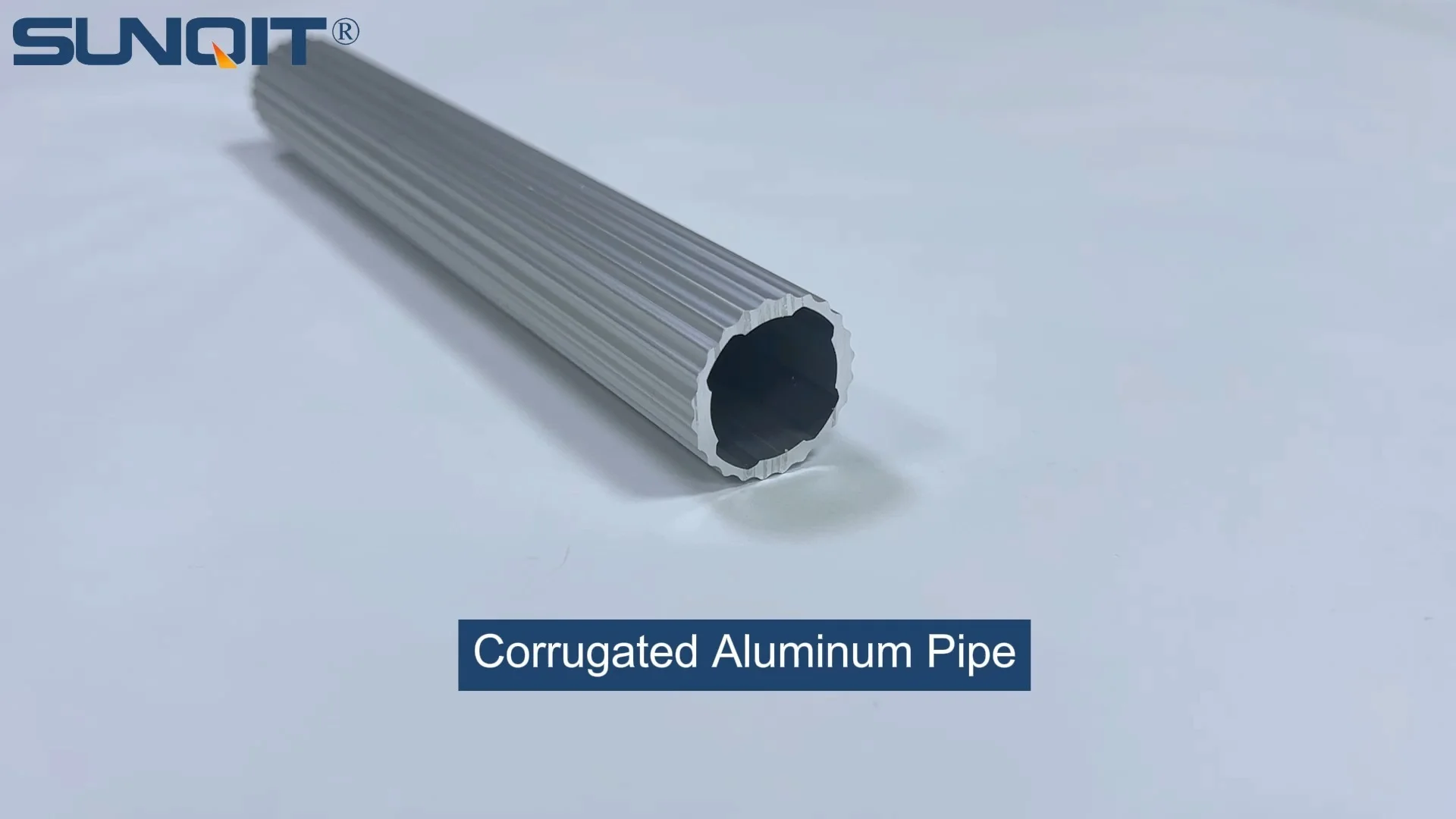
Corrugated Aluminum Pipe
Product Description The slot side is 10mm which can work with a T sliding block for connection accessories Quick Detail Product name Corrugated Aluminum pipe model GLT28-T-3010A Material Science 6005-T6 thickness 1.7mm surface treatment anodic oxidat
In the fast-paced world of modern warehousing, efficiency isn't just a buzzword—it's the backbone of profitability. Every square foot of space, every minute spent retrieving materials, and every dollar invested in storage solutions directly impacts a company's bottom line. Yet, many warehouses still grapple with outdated storage systems that hinder productivity: rigid steel racks that can't adapt to changing inventory, bulky wooden shelves that waste space, and material handling processes that leave workers frustrated and operations lagging. The good news? There's a smarter way to store, organize, and streamline your warehouse—and it starts with the right materials. Enter corrugated aluminum pipe, a versatile, durable, and surprisingly flexible solution that's transforming how businesses approach material racks and storage optimization. In this article, we'll explore how corrugated aluminum pipe is redefining warehouse efficiency, why it pairs seamlessly with aluminum profiles and lean systems, and how it can turn even the most cluttered storage areas into models of productivity.
The Hidden Costs of Traditional Material Racks
Before diving into the benefits of corrugated aluminum pipe, let's take a moment to understand the limitations of the storage systems many warehouses still rely on. Traditional material racks are often built with steel or wood, materials chosen more for their strength than their adaptability. Steel racks, for example, are undeniably tough—they can handle heavy loads and withstand years of use—but they come with significant drawbacks. They're notoriously heavy, making installation and reconfiguration a Herculean task that often requires welding, specialized tools, and multiple workers. If your inventory changes—say, you need to adjust shelf heights to accommodate taller boxes or narrower components—you're stuck: modifying steel racks means cutting, welding, or even replacing entire units, a process that's not only time-consuming but costly.
Wooden racks, on the other hand, are cheaper upfront but far less durable. They're prone to warping, rotting, or insect damage, especially in warehouses with fluctuating temperatures or humidity. They also lack the structural integrity to support heavy loads over time, leading to sagging shelves and increased risk of product damage. Worse, both steel and wood racks are often designed with a "one-size-fits-all" mindset, forcing warehouses to waste valuable vertical and horizontal space to accommodate their rigid dimensions. When every inch counts, this inefficiency adds up—costing you more in lost storage capacity, longer retrieval times, and unnecessary labor hours.
Then there's the issue of safety. Steel racks, with their sharp edges and heavy weight, pose a constant risk of injury during installation or when workers need to reposition them. Wooden racks, if not properly maintained, can splinter or collapse, endangering both employees and inventory. For warehouses aiming to meet strict safety standards and reduce workers' compensation claims, these risks are impossible to ignore.
Enter Corrugated Aluminum Pipe: A Game-Changer in Storage Design
Corrugated aluminum pipe isn't just another storage material—it's a paradigm shift. At first glance, it might seem unassuming: lightweight, with a distinctive wavy (corrugated) surface that sets it apart from smooth steel or plastic pipes. But that simple design hides a wealth of engineering brilliance. The corrugated pattern isn't just for show; it adds structural rigidity, allowing the pipe to support heavy loads without bending or warping, even as the length increases. And because it's made from aluminum, it brings all the benefits of that material to the table: corrosion resistance, durability, and a strength-to-weight ratio that puts steel to shame.
So, what makes corrugated aluminum pipe ideal for material racks? Let's start with its core advantages. Unlike steel, aluminum is naturally resistant to rust and corrosion, making it perfect for warehouses in humid environments, near coastal areas, or those handling moisture-sensitive products. This resistance means less maintenance over time—no need for repainting, rust treatments, or frequent replacements. And while aluminum is lighter than steel (about one-third the weight), the corrugated design ensures it doesn't sacrifice strength. A single corrugated aluminum pipe can support hundreds of pounds, making it suitable for everything from small parts bins to heavy machinery components.
But perhaps the biggest selling point of corrugated aluminum pipe is its flexibility. Unlike rigid steel or wood, corrugated aluminum pipe is designed to be modular. It works with a system of aluminum profile accessories—joints, brackets, and connectors—that allow you to assemble, disassemble, and reconfigure racks with minimal effort. No welding, no cutting, no specialized tools: just snap together the components, adjust as needed, and you're ready to go. This modularity is a game-changer for warehouses with dynamic inventory needs. Seasonal fluctuations, new product lines, or shifts in storage priorities no longer require overhauls; you can simply rework your existing racks to fit the new demands. It's storage that grows and changes with your business.

Aluminum Profiles: The Backbone of Modular Storage
To truly appreciate corrugated aluminum pipe's potential, you need to understand its partner in crime: aluminum profiles. Aluminum profiles—extruded aluminum bars with T-slot grooves running along their length—are the unsung heroes of modern warehouse design. These profiles serve as the "skeleton" of material racks, providing a stable framework to which corrugated aluminum pipes, shelves, and accessories can be attached. What makes them so effective? The T-slot design. These grooves allow for quick, tool-free installation of brackets, connectors, and even custom components, turning a basic rack into a fully customized storage solution.
Aluminum profiles come in a range of sizes and shapes, from small 20x20mm profiles for light-duty shelving to robust 40x80mm profiles for heavy loads. When paired with corrugated aluminum pipe, they create a system that's both strong and adaptable. For example, a simple material rack might use 30x30mm aluminum profiles as uprights, with corrugated aluminum pipes spanning horizontally as shelves. Add a few aluminum profile accessories—like angle brackets for stability or caster wheels for mobility—and you've got a rack that's not just functional, but versatile. Need to add a second shelf? Slide a bracket into the T-slot, secure the corrugated pipe, and you're done. Want to move the rack to a new location? Attach casters, and it's rolling in minutes.
This combination of corrugated aluminum pipe and aluminum profiles also excels at space optimization. Aluminum profiles have a slim, streamlined design, meaning they take up less room than bulky steel supports. When paired with the narrow diameter of corrugated aluminum pipe, this creates racks that maximize vertical and horizontal space. You can fit more shelves in the same footprint, or design taller racks without sacrificing stability. For warehouses struggling with space constraints, this translates to more storage capacity without expanding the facility—a critical cost-saver in today's real estate market.
Lean Systems: Streamlining Storage with Purpose
At this point, you might be wondering: How does corrugated aluminum pipe fit into broader warehouse efficiency strategies? The answer lies in lean systems. Lean manufacturing and warehousing are all about eliminating waste—whether it's wasted time, wasted space, or wasted effort—and creating processes that add value. Corrugated aluminum pipe and aluminum profiles align perfectly with lean principles, making them a cornerstone of lean storage design.
Let's break down the lean connection. Lean systems prioritize "5S" principles: Sort, Set in Order, Shine, Standardize, and Sustain. Corrugated aluminum pipe racks support each of these steps. "Sort" (removing unnecessary items) is easier when you have clear, labeled storage spaces—something modular racks excel at. "Set in Order" (organizing remaining items for easy access) is simplified by the customizable shelf heights and layouts of corrugated aluminum systems. "Shine" (cleaning and maintaining the workspace) is less of a chore thanks to aluminum's corrosion resistance and easy-to-clean surface. "Standardize" (creating consistent processes) is achievable because modular racks can be replicated across the warehouse, ensuring uniformity. And "Sustain" (maintaining improvements) is possible because the flexibility of the system makes it easy to adapt to new standards over time.
Beyond 5S, lean systems emphasize continuous flow—the idea that materials should move smoothly from storage to production with minimal delays. This is where flow racks come into play. Flow racks, which use gravity to move items from the back to the front, are a staple of lean warehousing, ensuring first-in, first-out (FIFO) inventory management and reducing retrieval time. Corrugated aluminum pipe is ideal for flow racks because its smooth surface and lightweight design minimize friction, allowing products to glide easily along the rollers. When combined with aluminum profiles and roller track accessories, it creates flow racks that are not only efficient but also adaptable. Need to adjust the angle of the flow lane for heavier items? Simply reposition the aluminum profile supports. Want to add dividers for smaller parts? Snap them into the T-slots. It's lean storage that works for your specific workflow, not against it.
Real-World Applications: From Flow Racks to Material Rack B
Enough theory—let's look at how corrugated aluminum pipe is applied in real warehouse settings. One of the most common uses is in flow racks, where it replaces traditional steel or plastic rollers. Imagine a picking station where workers retrieve small electronic components for assembly. A flow rack made with corrugated aluminum pipes allows bins of resistors, capacitors, and diodes to slide forward as the front bin is emptied, eliminating the need to reach to the back of the shelf or restock manually. This reduces picking time by up to 30% and minimizes errors, as items are always accessible and visible.
Another practical application is the multi-tiered storage solution known as Material Rack B (3 row and 3 floor). This specific rack design—featuring three rows and three levels of shelving—is a favorite among warehouses looking to maximize vertical space without sacrificing accessibility. Built with corrugated aluminum pipes and aluminum profiles, Material Rack B is both sturdy and lightweight. Each shelf can hold up to 500 pounds, making it suitable for bulk items like automotive parts, industrial tools, or large boxes of retail goods. The three-row design ensures that even items in the middle are easy to reach, while the three-floor (or three-tier) structure takes advantage of vertical space, freeing up floor area for other operations like assembly lines or shipping stations.
What sets Material Rack B apart when built with corrugated aluminum pipe? Customization. Unlike prefabricated steel racks with fixed shelf heights, Material Rack B can be adjusted to fit items of varying sizes. Need to store taller boxes on the bottom tier? Lower the first shelf. Smaller parts on the top? Raise the upper shelves to create more space below. And because the rack is modular, you can add or remove tiers as needed. A warehouse handling seasonal inventory, for example, might expand Material Rack B to four tiers during peak seasons and reduce it to two during slower months—all without buying new equipment.
But corrugated aluminum pipe isn't limited to static racks. It's also used in mobile solutions like turnover trolleys and workbenches. A mobile workbench, for instance, might feature a corrugated aluminum pipe frame with a plywood or metal top, mounted on caster wheels for easy movement. This allows workers to bring tools and materials directly to the assembly line, reducing walking time and increasing productivity. And because the frame is made with aluminum profiles and corrugated pipe, you can add accessories like tool hooks, bin holders, or laptop mounts by simply attaching them to the T-slots—turning a basic workbench into a fully equipped mobile workstation.
| Feature | Traditional Steel Racks | Corrugated Aluminum Pipe Racks |
|---|---|---|
| Material | Carbon steel (prone to rust) | Corrugated aluminum (rust-resistant) |
| Weight | Heavy (requires multiple workers to move) | Lightweight (one-third the weight of steel; easy to handle) |
| Assembly/Reconfiguration | Requires welding, cutting, and specialized tools; difficult to reconfigure | Tool-free assembly with aluminum profile accessories; fully reconfigurable |
| Load Capacity (per shelf) | High (600-1000 lbs) | High (400-800 lbs, depending on pipe size) |
| Maintenance Cost | High (rust treatments, repainting, frequent part replacements) | Low (no rust, minimal upkeep) |
| Space Efficiency | Bulky frames waste vertical/horizontal space | Slim profile and modular design maximize space |
| Lead Time for Customization | Weeks (requires custom fabrication) | Days (modular components snap together) |
Case Study: How a Manufacturing Plant Cut Costs with Corrugated Aluminum Pipe Racks
To illustrate the impact of corrugated aluminum pipe, let's look at a hypothetical but realistic example: a mid-sized automotive parts manufacturer struggling with warehouse inefficiency. The company's old storage system relied on steel racks that were installed over a decade ago. Over time, as their product line expanded, the fixed shelving became a problem: some shelves were overflowing, while others sat empty. Workers spent up to 20 minutes per hour searching for parts, and the heavy steel racks made it impossible to reconfigure the layout without hiring contractors.
The solution? The company invested in a system of corrugated aluminum pipe racks, including Material Rack B (3 row and 3 floor) for bulk storage and flow racks for high-turnover parts. Within a week, their warehouse team assembled the new racks using aluminum profiles and accessories, reconfiguring the layout to group similar parts together and shorten picking paths. The results were immediate: picking time dropped by 35%, freeing up workers to focus on more valuable tasks. The modular design also allowed them to adjust shelf heights to fit larger components, reducing wasted space by 25%. Perhaps most impressively, the switch to aluminum eliminated the need for annual rust treatments, cutting maintenance costs by $12,000 per year. Within six months, the investment in corrugated aluminum pipe racks had paid for itself.
Key Benefits of Corrugated Aluminum Pipe Material Racks
By now, you're probably seeing why corrugated aluminum pipe is gaining traction in warehouses worldwide. But let's distill its benefits into clear, actionable advantages that can help you decide if it's right for your operation:
1. Durability That Stands the Test of Time
Aluminum's natural resistance to corrosion and rust means your racks will last for decades, even in harsh environments. The corrugated design adds structural integrity, ensuring they can handle heavy loads without bending or warping. Unlike wood, which can splinter, or steel, which rusts, corrugated aluminum pipe racks maintain their strength and appearance year after year.
2. Flexibility to Adapt to Change
Modular design isn't just a convenience—it's a strategic advantage. With corrugated aluminum pipe and aluminum profiles, you can reconfigure racks in hours, not days. Add shelves, adjust heights, or repurpose a rack for entirely new products without investing in new equipment. It's storage that grows with your business, not against it.
3. Cost Savings Over the Long Term
While corrugated aluminum pipe racks may have a slightly higher upfront cost than basic steel or wood, they more than make up for it in the long run. Lower maintenance costs, longer lifespan, and reduced labor for reconfiguration mean you'll save money year after year. Plus, the space efficiency they provide can delay the need for expensive warehouse expansions.
4. Safety for Your Team
Aluminum's lightweight nature reduces the risk of injury during installation or reconfiguration. Unlike steel, which can cause strains or crushed fingers, corrugated aluminum pipe is easy to handle solo. Additionally, the smooth, rounded edges of aluminum profiles and pipe reduce the risk of cuts or scrapes, making your warehouse a safer place to work.
5. Sustainability for the Planet
Aluminum is 100% recyclable, and its production requires 95% less energy than creating new aluminum from raw materials. By choosing corrugated aluminum pipe racks, you're not just optimizing your warehouse—you're reducing your carbon footprint. And because the racks are modular, they can be disassembled and reused, further minimizing waste.
Choosing the Right Corrugated Aluminum Pipe and Accessories
Ready to make the switch to corrugated aluminum pipe racks? Here are a few tips to ensure you get the most out of your investment:
Start with a needs assessment. Before purchasing, map out your current storage challenges: What items are you storing? How much do they weigh? What's your turnover rate? Do you need mobile racks or fixed shelving? Answering these questions will help you choose the right pipe size, aluminum profile dimensions, and accessories.
Match pipe size to load requirements. Corrugated aluminum pipes come in different diameters and wall thicknesses. For light-duty use (e.g., small parts bins), a 20mm pipe may suffice. For heavy loads (e.g., machinery parts), opt for a 40mm or larger pipe with a thicker wall.
Don't skimp on accessories. The right aluminum profile accessories—joints, brackets, casters—are just as important as the pipe itself. Look for high-quality, durable accessories that lock securely into the T-slots to ensure stability. Brands that offer a wide range of accessories give you more flexibility to customize your racks.
Consider future expansion. Choose a system that's scalable. Look for suppliers that offer a full line of corrugated aluminum pipes, aluminum profiles, and accessories so you can add to your racks as your needs grow.
Conclusion: Storage That Works for You
In a world where warehouse efficiency can make or break a business, corrugated aluminum pipe is more than just a material—it's a strategic tool. By combining durability, flexibility, and cost-effectiveness, it transforms material racks from static obstacles into dynamic assets that adapt to your needs. Whether you're using it in flow racks to speed up picking, in Material Rack B to maximize vertical space, or in mobile workbenches to streamline assembly, corrugated aluminum pipe and aluminum profiles create a storage system that's as efficient as it is versatile.
The days of rigid, wasteful storage are over. With corrugated aluminum pipe, you're not just organizing your warehouse—you're investing in a solution that grows with your business, reduces costs, and empowers your team to work smarter. So why wait? It's time to optimize your storage, streamline your operations, and unlock the full potential of your warehouse with corrugated aluminum pipe. Your bottom line (and your workers) will thank you.