- Company Articles
- Products and Technology
- Solution
- Corrugated Aluminum Pipe for Material Storage Racks: Space-Saving Solutions

Corrugated Aluminum Pipe for Material Storage Racks: Space-Saving Solutions
Related Product
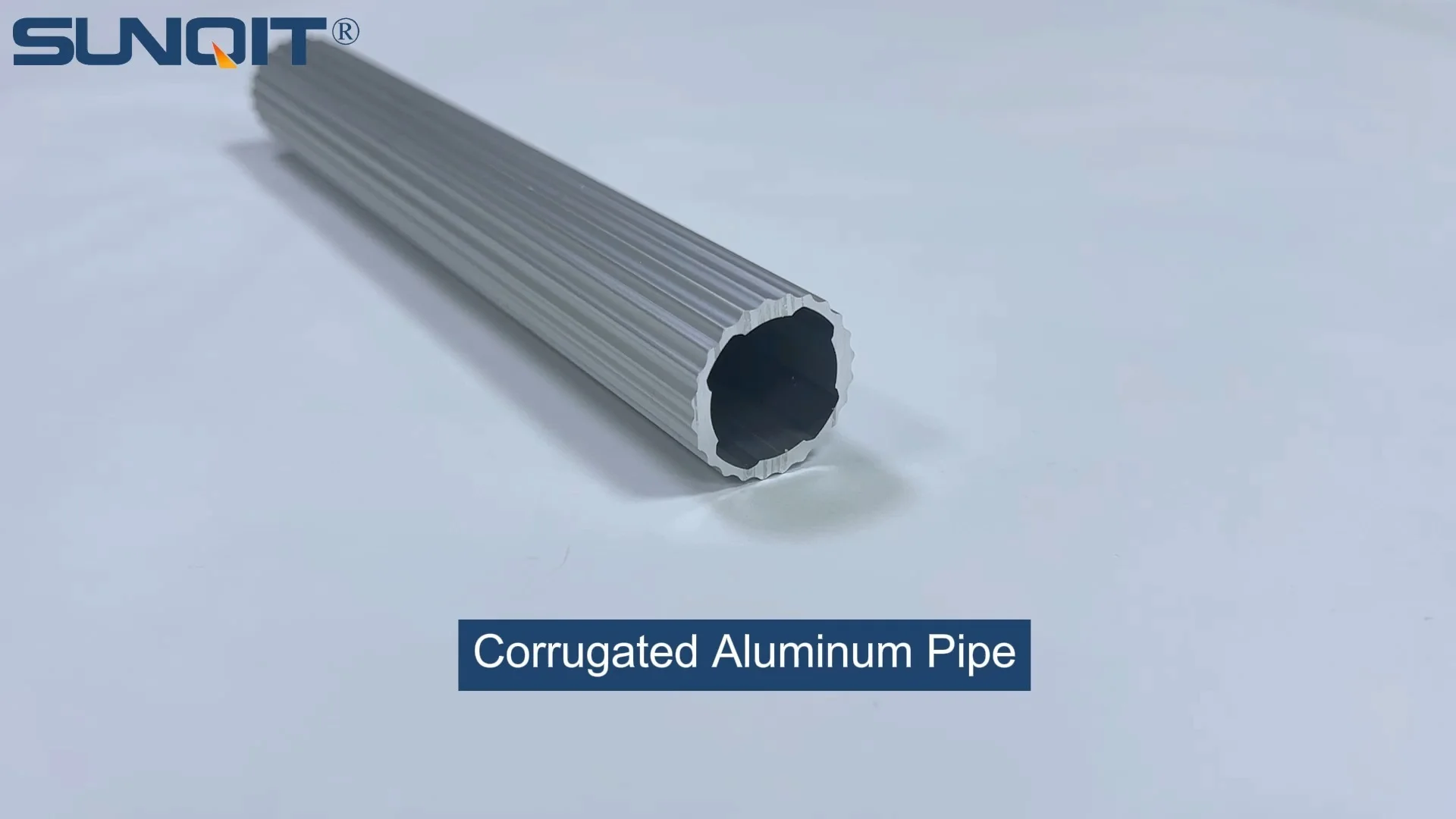
Corrugated Aluminum Pipe
Product Description The slot side is 10mm which can work with a T sliding block for connection accessories Quick Detail Product name Corrugated Aluminum pipe model GLT28-T-3010A Material Science 6005-T6 thickness 1.7mm surface treatment anodic oxidat
Walk into any busy manufacturing facility, warehouse, or distribution center, and you'll likely spot the same challenge: cluttered floors, overflowing shelves, and workers wasting precious minutes navigating through cramped spaces to find tools or materials. For decades, the default solution to storage woes has been bulky steel racks or flimsy plastic shelving—both of which come with trade-offs. Steel is strong but heavy, hard to reconfigure, and eats up floor space. Plastic is lightweight but lacks durability, often sagging under heavy loads. What if there was a middle ground? A material that's strong enough to handle industrial demands, light enough to make assembly a breeze, and designed to maximize every inch of available space? Enter corrugated aluminum pipe —a game-changer in material storage that's quietly revolutionizing how businesses approach organization, efficiency, and lean operations.
In this article, we'll dive into why corrugated aluminum pipe is becoming the go-to choice for modern material storage racks. We'll explore its unique benefits, how it integrates seamlessly with aluminum profile systems, and even walk through a real-world example of a material rack b (3 row and 3 floor) that transformed a chaotic workshop into a model of efficiency. Whether you're a factory manager, a warehouse supervisor, or a small business owner looking to optimize your space, this guide will show you how corrugated aluminum pipe isn't just a storage solution—it's a step toward smarter, leaner operations.
Why Corrugated Aluminum Pipe Stands Out: More Than Just a Metal Tube
At first glance, a corrugated aluminum pipe might look like any other metal tube—but its unique design tells a different story. The term "corrugated" refers to the wave-like ridges along its surface, a feature that's both functional and genius. These ridges aren't just for show; they rigidity without adding excess weight, making the pipe strong enough to support heavy loads while remaining lightweight enough for easy handling. Let's break down the benefits that make it a standout choice for material storage racks:
1. Space-Saving by Design
Traditional storage racks often waste space because they're built with thick, solid pipes that require wide spacing for stability. Corrugated aluminum pipe, with its slim profile and reinforced structure, allows for tighter rack configurations. For example, a standard steel rack might need 12 inches between vertical supports to prevent bending; a corrugated aluminum rack can achieve the same stability with just 8 inches, freeing up 33% more horizontal space. Vertically, too, it shines: its lightweight nature means you can stack racks higher without worrying about structural strain, turning unused overhead space into valuable storage real estate.
2. Durability That Lasts
Aluminum is naturally resistant to rust and corrosion, making it ideal for environments where moisture or chemicals are present—think automotive workshops, food processing plants, or even outdoor storage areas. Unlike steel, which needs frequent painting or coating to prevent rust, corrugated aluminum pipe maintains its integrity with minimal maintenance. And those corrugated ridges? They act as shock absorbers, reducing dents and damage from accidental impacts (a common occurrence in busy facilities). Many manufacturers report their corrugated aluminum racks lasting 10+ years with only minor wear, outperforming both steel and plastic alternatives.
3. Flexibility for Changing Needs
One of the biggest frustrations with traditional storage systems is their rigidity. Once you build a steel rack, reconfiguring it means cutting, welding, or hiring a contractor—costly and time-consuming. Corrugated aluminum pipe, however, is designed for modularity. Thanks to compatible aluminum profile accessories like joints, connectors, and brackets, you can assemble, disassemble, or rearrange racks in hours, not days. Need to add a shelf? Swap out a short pipe for a longer one. Move the rack to a new location? Simply detach the components and rebuild. This flexibility is a cornerstone of lean system principles, where adaptability and waste reduction are key.
Building a Better Storage System: Corrugated Aluminum Pipe + Aluminum Profiles
Corrugated aluminum pipe doesn't work in isolation—it's part of a larger ecosystem of aluminum-based components that together create robust, customizable storage solutions. At the heart of this ecosystem are aluminum profiles: extruded aluminum beams with T-slots that allow for easy attachment of pipes, shelves, and accessories. When paired with corrugated aluminum pipe, these profiles form the backbone of everything from simple material racks to complex workstations.
Let's take a closer look at how this integration works. Imagine you're assembling a material rack b (3 row and 3 floor) —a popular design for storing small to medium-sized parts. The vertical supports of the rack are made from heavy-duty aluminum profiles, chosen for their strength and T-slot design. Corrugated aluminum pipes serve as the horizontal shelves, spanning between the profiles. To connect them, you use aluminum profile accessories like "L-joints" or "T-connectors," which slide into the T-slots and clamp onto the pipes. No welding, no drilling—just a few turns of a hex key, and the shelf is secure.
What makes this combination so powerful is the balance of strength and weight. Aluminum profiles provide the structural stability needed to support multiple floors of materials, while corrugated pipes keep the overall weight low enough for easy maneuvering. For example, a 6-foot tall material rack b built with aluminum profiles and corrugated pipes might weigh 45 pounds—half the weight of a comparable steel rack—yet still hold up to 500 pounds per shelf. This not only makes installation easier (no need for heavy machinery) but also reduces the risk of floor damage in facilities with weight restrictions.
Another advantage is customization. Aluminum profile accessories come in dozens of shapes and sizes, from simple brackets to specialized holders for tools or bins. Want to add a roller track to the bottom shelf for easy material flow? Attach it directly to the T-slots. Need a mesh panel to prevent small parts from falling through? Clip it onto the pipes using panel brackets. The possibilities are nearly endless, allowing you to design a rack that fits your exact needs—no more forcing square pegs into round holes with one-size-fits-all storage.

Case Study: How a Small Electronics Workshop Freed Up 30% Floor Space
To understand the real impact of corrugated aluminum pipe storage, let's step into the shoes of Maria, the operations manager at Precision Circuits, a small electronics assembly workshop with 15 employees. A year ago, Maria was at her wit's end. The workshop's storage area was overflowing with components—resistors, capacitors, circuit boards—scattered across mismatched steel racks and plastic bins. Workers were spending 15-20 minutes per hour searching for parts, and the cluttered floor made it hard to move equipment safely. "We were running out of space, and our productivity was tanking," Maria recalls. "I knew we needed a change, but steel racks were too expensive, and plastic ones kept breaking."
After researching lean system solutions, Maria decided to invest in aluminum profile-based storage, with corrugated aluminum pipe as the primary shelving material. She started with three material rack b (3 row and 3 floor) units, each customized to fit the workshop's most commonly used parts. The transformation was immediate.
First, the new racks were lighter and more compact than the old steel ones. "We used to have two bulky steel racks taking up 120 square feet," Maria says. "The three material rack b units? They fit in 85 square feet—same storage capacity, but 30% less space." That freed-up area allowed Maria to add a new workbench near the assembly line, reducing the distance workers had to carry materials from 20 feet to 5 feet. "Now, instead of walking back and forth, they can grab parts right at their bench. It's cut down on wasted time dramatically."
Durability was another win. Precision Circuits uses small, heavy components like transformers, which had caused plastic shelves to sag. The corrugated aluminum pipes, however, showed no signs of bending even with 80 pounds per shelf. "We've had them for a year, and they still look brand new," Maria notes. "No rust, no dents—just wipe them down with a cloth, and they're clean."
Perhaps the biggest surprise was how easy the racks were to reconfigure. When the workshop added a new product line six months later, Maria didn't need to buy new racks—she simply adjusted the shelf heights on the existing units using extra aluminum profile accessories. "It took me and one technician an hour to rearrange all three racks. With steel, that would have required a welder and half a day."
Today, Precision Circuits reports a 25% increase in assembly line productivity, and worker satisfaction has improved too. "The shop feels less chaotic now," Maria says. "People aren't tripping over boxes or hunting for parts. They can focus on what they do best—building quality circuits."
Beyond Racks: Corrugated Aluminum Pipe in Workbenches and Workstations
While material storage is where corrugated aluminum pipe first makes its mark, its versatility extends far beyond racks. One of its most practical applications is in workbenches—the central hub of any manufacturing or assembly operation. A well-designed workbench needs to be sturdy, customizable, and ergonomic, and corrugated aluminum pipe checks all three boxes.
Consider a standard workbench used for electronics assembly. The frame might be built from aluminum profiles, with a wooden or metal top for the work surface. But what about the accessories? Many workbenches need tool holders, bin organizers, or even small shelves for ongoing projects. That's where corrugated aluminum pipe shines. Attach a short length of pipe to the side of the bench using aluminum profile accessories, and you've got a simple tool rack. Add a few more pipes at an angle, and you've created a sloped shelf for bins—perfect for keeping screws, nuts, and washers within arm's reach.
Ergonomics is another key factor. Workbenches need to be adjustable to accommodate workers of different heights, and corrugated aluminum pipe makes this easy. Since the pipes are lightweight, you can use height-adjustable aluminum profile legs to raise or lower the bench without straining. Some workshops even use corrugated pipes as footrests, attaching them to the bottom of the bench to reduce fatigue during long shifts.
What Maria from Precision Circuits loved most about adding a corrugated aluminum pipe workbench was its adaptability. "Our assembly needs change all the time," she says. "One week we're building sensors, the next we're testing circuit boards. With the old wooden bench, we had to drill holes to add tool holders. Now, we just clamp a new pipe or accessory onto the T-slots. It's like having a workbench that evolves with us."
Corrugated Aluminum Pipe vs. the Competition: A Side-by-Side Comparison
Still wondering if corrugated aluminum pipe is right for your storage needs? Let's compare it to two common alternatives: traditional steel pipe and plastic pipe. The table below breaks down key factors like weight, durability, and cost to help you decide.
| Material | Weight (per linear foot) | Load Capacity (per shelf) | Assembly Time (per rack) | Space Efficiency (1-5 scale) | Cost (Relative) |
|---|---|---|---|---|---|
| Corrugated Aluminum Pipe | 1.2 lbs | 500-800 lbs | 2-3 hours | 5 (Excellent) | Medium (Higher upfront, lower long-term) |
| Steel Pipe | 3.5 lbs | 800-1200 lbs | 6-8 hours (requires welding) | 3 (Good) | Low upfront, high long-term (maintenance) |
| Plastic Pipe | 0.8 lbs | 200-300 lbs | 1-2 hours | 4 (Very Good) | Low upfront, high replacement cost |
As the table shows, corrugated aluminum pipe strikes a balance that's hard to beat. It's lighter than steel, stronger than plastic, and more space-efficient than both. While it may have a higher upfront cost than plastic, its durability means you won't be replacing shelves every year. And compared to steel, the time saved on assembly and the long-term savings on maintenance (no rust treatment, no repainting) make it a cost-effective choice for businesses focused on lean system principles.
Getting Started: Tips for Installing Corrugated Aluminum Pipe Storage
Ready to upgrade your storage with corrugated aluminum pipe? Here are a few practical tips to ensure a smooth installation:
- Plan Your Layout First: Before ordering materials, map out your storage area and measure the available space. Consider the height of your ceiling, doorways, and walkways—you don't want to build a rack that's too tall to fit or blocks access. Tools like free warehouse layout software can help visualize the design.
- Invest in Quality Accessories: The strength of your rack depends on more than just the pipes and profiles—aluminum profile accessories like joints and connectors are critical. Choose heavy-duty, zinc-plated or anodized accessories to prevent corrosion and ensure a tight fit.
- Use a Level During Assembly: Even a slight tilt can cause materials to slide off shelves. As you build, use a bubble level to ensure vertical profiles are straight and horizontal pipes are level. Most aluminum profiles have built-in slots for attaching levels, making this easy.
- Start Small: If you're new to aluminum profile systems, begin with one or two racks instead of a full overhaul. This lets you test the design, adjust as needed, and train your team on assembly before scaling up.
- Label Everything: Once your racks are built, label each shelf with the type of materials it holds. This might seem simple, but it prevents workers from wasting time searching for parts—a key part of lean system efficiency.
The Future of Storage: Where Corrugated Aluminum Pipe is Headed
As businesses continue to embrace lean system principles and sustainability, corrugated aluminum pipe is poised to become even more integral to storage and workflow design. Here are two trends to watch:
1. Smart Storage Integration
Aluminum profiles and corrugated pipes are already compatible with IoT (Internet of Things) devices, and we'll see more workshops adding sensors to their racks. Imagine a material rack b (3 row and 3 floor) with built-in weight sensors that alert you when a shelf is full or running low on parts. Or RFID tags on bins that track inventory automatically, syncing with your inventory management software. Corrugated aluminum's lightweight design makes it easy to add these technologies without compromising structural integrity.
2. Sustainable Manufacturing
Aluminum is 100% recyclable, and using corrugated aluminum pipe reduces reliance on steel (which has a higher carbon footprint to produce). As eco-conscious consumers demand greener supply chains, businesses that use sustainable storage materials like aluminum will have a competitive edge. Some manufacturers are even experimenting with recycled corrugated aluminum pipe, further reducing environmental impact.
Final Thoughts: More Than Storage—A Foundation for Efficiency
Corrugated aluminum pipe isn't just a better way to store materials—it's a tool for transforming how your business operates. By combining space-saving design, durability, and flexibility, it helps you reduce waste, improve productivity, and adapt to changing needs—all core principles of a lean system . Whether you're building a material rack b (3 row and 3 floor) , a custom workbench, or a full warehouse layout, corrugated aluminum pipe offers a solution that grows with you.
As Maria from Precision Circuits puts it: "Storage might not seem like the most exciting part of running a workshop, but it's the backbone. When your materials are organized, your workers are efficient, and your space is optimized, everything else falls into place. Corrugated aluminum pipe didn't just give us better racks—it gave us a better way to work."
So, if you're tired of cluttered floors, wasted space, and rigid storage systems, it might be time to give corrugated aluminum pipe a closer look. Your team, your workflow, and your bottom line will thank you.