- Company Articles
- Products and Technology
- Product knowledge
- Corrugated Aluminum Pipe for Turnover Carts: Enhancing Mobility in Production

Corrugated Aluminum Pipe for Turnover Carts: Enhancing Mobility in Production
Related Product
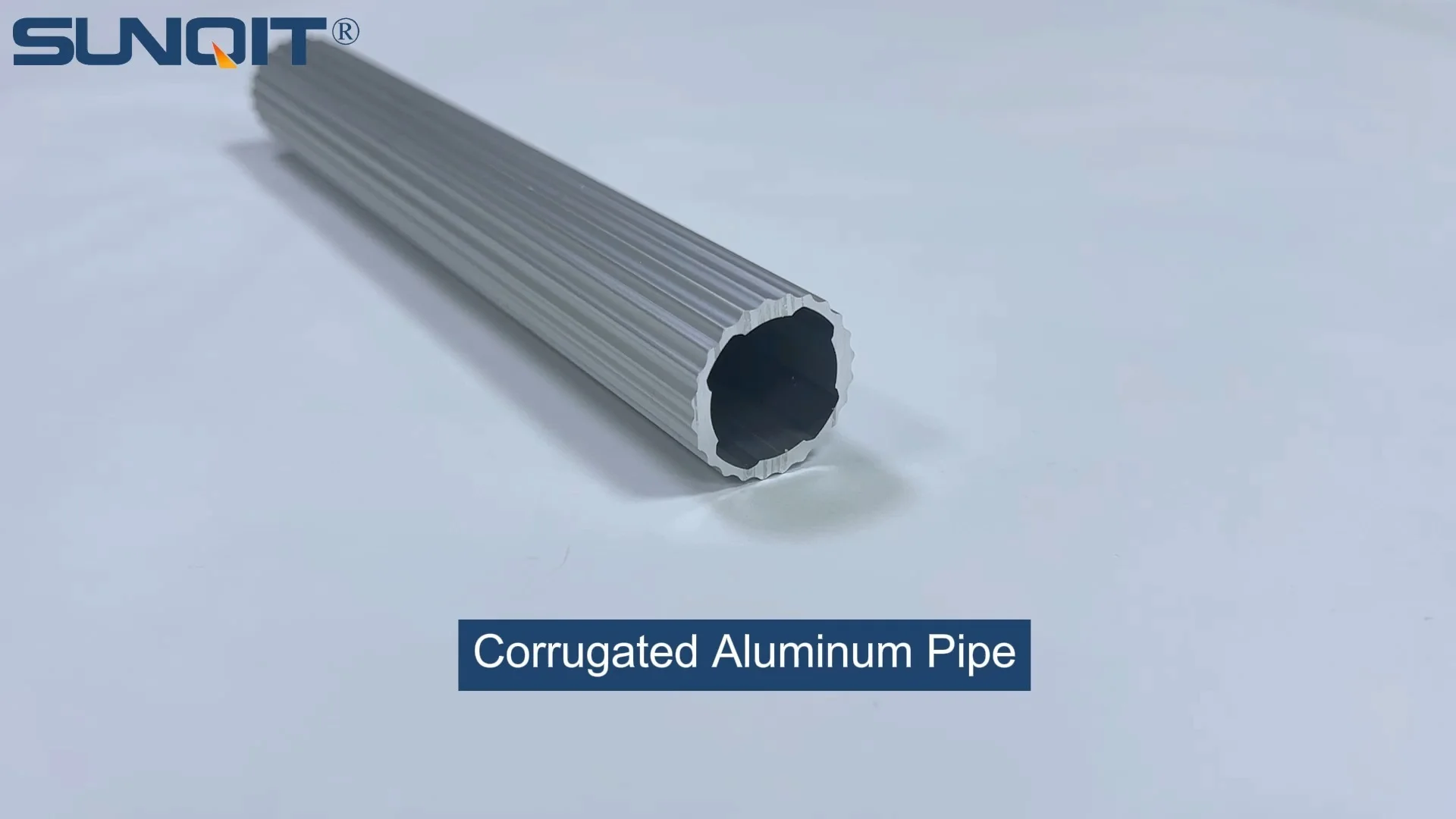
Corrugated Aluminum Pipe
Product Description The slot side is 10mm which can work with a T sliding block for connection accessories Quick Detail Product name Corrugated Aluminum pipe model GLT28-T-3010A Material Science 6005-T6 thickness 1.7mm surface treatment anodic oxidat
Walk through any manufacturing plant, warehouse, or assembly facility, and you'll quickly notice the unsung heroes of daily operations: the carts, racks, and workbenches that keep materials moving, tools organized, and production lines humming. Among these, turnover carts stand out—they're the workhorses that ferry components from storage to assembly stations, transport finished products to packaging, and adapt to the ever-shifting demands of a busy floor. But what happens when these workhorses start to feel more like burdens? Heavy, rigid, and slow-moving carts can drag down efficiency, strain workers, and even disrupt deadlines. That's where innovation in material handling comes in—and today, we're diving into a solution that's quietly revolutionizing how production facilities approach mobility: corrugated aluminum pipe.
In this article, we'll explore how corrugated aluminum pipe is transforming turnover carts and racks, why it's becoming a go-to choice for forward-thinking operations, and how it integrates with essential components like aluminum pipe accessories and caster wheels to create systems that are lighter, stronger, and infinitely more adaptable. Whether you're a production manager tired of wrestling with clunky equipment or a facility owner looking to boost productivity, this is the story of how a simple material upgrade can turn mobility from a challenge into a competitive advantage.
The Hidden Cost of Traditional Turnover Solutions
Let's start with a familiar scenario: Imagine a mid-sized electronics assembly plant. The production line runs two shifts, and each shift relies on a fleet of steel turnover carts to move circuit boards, wiring harnesses, and toolkits between stations. The carts are sturdy—no one can argue with that—but they're also heavy . A fully loaded cart weighs close to 200 pounds, and over an eight-hour shift, workers might push, pull, or maneuver it dozens of times. By the end of the day, shoulders ache, backs feel tight, and productivity dips as fatigue sets in. Worse, last month, a cart's steel frame rusted through at the joints (thanks to the humid environment near the welding station), forcing the team to take it offline for repairs. And when the plant introduced a new, larger component, the fixed-size steel carts couldn't adapt—so they had to buy custom replacements, adding unnecessary costs to the budget.
This isn't an isolated case. For decades, production facilities have leaned on steel or basic aluminum pipes for turnover carts and racks. While these materials get the job done, they come with hidden costs: weight that strains workers, rigidity that resists customization, and susceptibility to corrosion or wear that shortens lifespans. Steel, in particular, is dense—great for durability, but terrible for mobility. Even basic aluminum pipes, while lighter than steel, often lack the structural strength needed for heavy loads, forcing manufacturers to use thicker walls that add back weight. And when it comes to adjusting or modifying these carts? Forget it. Welding or bolting steel components is time-consuming, and once a cart is built, it's stuck in that configuration—even if production needs change next month.
The result? A system that's built for the past, not the present. In an era where agility and worker well-being are top priorities, traditional turnover solutions are holding facilities back. But what if there was a material that offered the best of both worlds: the strength of steel, the lightness of aluminum, and the flexibility to adapt on the fly? Enter corrugated aluminum pipe.
Corrugated Aluminum Pipe: Strength Meets Flexibility
At first glance, corrugated aluminum pipe might look like a simple twist on traditional piping. Its surface is ridged, with alternating peaks and valleys that give it a distinctive, textured appearance. But those ridges are more than just aesthetics—they're engineering genius. The corrugated design adds structural rigidity without increasing wall thickness, making the pipe significantly stronger than smooth-walled aluminum of the same weight. Think of it like a cardboard box: a flat sheet of cardboard bends easily, but when folded into a corrugated pattern, it gains the strength to support heavy items. Corrugated aluminum pipe works the same way—those ridges distribute weight evenly, resist bending, and allow the pipe to handle loads that would buckle a smooth aluminum tube.
But strength is just one part of the equation. What truly sets corrugated aluminum pipe apart is its lightweight nature . Aluminum is already 60% lighter than steel, but the corrugated design takes it a step further by maximizing strength-to-weight ratio. A 1.5-inch corrugated aluminum pipe can support the same load as a steel pipe of the same diameter while weighing half as much. For turnover carts, this translates to a game-changing difference: a cart that once weighed 200 pounds might now weigh 100 pounds or less, even when fully loaded. Suddenly, pushing that cart from station A to station B feels like a breeze, not a workout. Workers report less fatigue, fewer strain injuries, and faster transit times—all of which add up to smoother, more efficient operations.
Then there's durability. Unlike steel, aluminum is naturally resistant to rust and corrosion, making it ideal for environments with moisture, chemicals, or temperature fluctuations. The corrugated surface also holds up better to dents and impacts—critical in busy facilities where carts might bump into walls, racks, or other equipment. And because aluminum doesn't require painting or coating (unlike steel, which needs regular treatments to prevent rust), maintenance costs plummet. A corrugated aluminum cart can last 10+ years with minimal upkeep, outliving its steel counterpart by years.
But perhaps the most exciting benefit is flexibility . Corrugated aluminum pipe is designed to work with a wide range of aluminum pipe accessories—joints, brackets, clamps, and connectors that snap or bolt into place without welding. This means a turnover cart isn't a one-and-done purchase; it's a modular system that can be reconfigured in minutes. Need to add a shelf? Swap out a straight joint for a T-joint and attach a new pipe section. Want to adjust the cart's height to match a new workbench? Loosen a few clamps, reposition the legs, and tighten—done. This adaptability is a lifesaver for facilities with changing production needs, reducing the need to buy new equipment and keeping operations agile.

Building Better Turnover Trolleys and Racks: How Corrugated Aluminum Pipe Delivers
Let's get practical: How does corrugated aluminum pipe transform a basic turnover cart into a high-performance mobility tool? Let's break it down step by step, using a hypothetical "before and after" of a facility upgrading from steel to corrugated aluminum.
1. Lighter Loads, Happier Workers – Remember the 200-pound steel cart from our earlier example? replace its steel frame with corrugated aluminum pipe, and the weight drops to around 80 pounds (even with a plywood shelf and side rails). Add a load of 100 pounds of components, and the total weight is 180 pounds—still manageable, but the difference in effort is night and day. Steel carts require force to start moving and stop, leading to jerky motions that risk damaging materials. Corrugated aluminum carts glide more easily, reducing the physical toll on workers. In one case study, a automotive parts plant reported a 40% reduction in worker fatigue complaints after switching to aluminum carts, along with a 15% increase in the number of cart trips completed per shift.
2. Customizable on the Fly – A furniture manufacturer recently expanded its product line to include larger sofa frames. Their old steel turnover racks had fixed-width shelves that couldn't accommodate the new frames, so they were forced to stack frames awkwardly, leading to dents and scratches. With corrugated aluminum pipe racks, they simply adjusted the spacing between vertical supports using sliding aluminum pipe accessories. No welding, no new tools—just loosening a few connectors and repositioning the pipes. The entire process took two workers 30 minutes, and the racks were back in use the same day. This kind of flexibility isn't just convenient; it's cost-effective. Instead of buying new racks for $500 each, they repurposed existing ones for a fraction of the cost.
3. Durability That Stands Up to Real-World Use – A food processing plant, where washdowns with sanitizing solutions are daily routine, struggled with steel carts rusting at the joints. Within a year, the carts' wheels would seize, and the frames would develop weak spots. Switching to corrugated aluminum carts solved the problem: aluminum resists corrosion from chemicals, and the smooth, non-porous surface of the corrugated pipes makes cleaning a breeze. Even after two years of daily washdowns, the carts look and function like new. "We used to replace steel carts every 2-3 years," says the plant manager. "These aluminum ones? I expect them to last through the decade."
4. Seamless Integration with Caster Wheels – A turnover cart is only as mobile as its wheels, and corrugated aluminum pipe pairs perfectly with high-quality caster wheels to maximize maneuverability. Because the carts are lighter, they place less stress on caster bearings, extending their lifespan. Plus, aluminum pipe accessories include specialized caster mounts that bolt securely to the cart's frame, ensuring wheels stay aligned even when navigating uneven floors. For example, a facility using steel carts with plastic caster wheels found that the wheels would crack under the weight; switching to corrugated aluminum carts with the same wheels reduced stress, and the wheels now last 3x longer. Some operations even opt for locking caster wheels, which keep carts stable during loading/unloading but release with a simple foot pedal for easy movement—ideal for assembly lines where precision matters.
5. Beyond Carts: Workbench and Rack Integration – Corrugated aluminum pipe isn't limited to turnover carts; it shines as a material for workbenches and material racks, too. Imagine a workbench built with a corrugated aluminum frame: lightweight enough to reposition if the production line rearranges, but strong enough to support heavy tools and equipment. Add a melamine or aluminum honeycomb panel top, and you've got a durable, easy-to-clean workspace that matches the height of your turnover carts for seamless material transfer. One aerospace parts manufacturer combined corrugated aluminum workbenches with matching turnover carts, creating a "mobile workstation" system where tools and materials move with the worker—cutting down on time spent walking between stations by 25%.
Traditional vs. Corrugated Aluminum: A Side-by-Side Comparison
Still on the fence? Let's put traditional steel and basic aluminum solutions head-to-head with corrugated aluminum pipe in a table that breaks down the key factors that matter most to production facilities:
| Feature | Traditional Steel Turnover Solutions | Basic Aluminum Pipe Solutions | Corrugated Aluminum Pipe Solutions |
|---|---|---|---|
| Weight (per 6ft pipe, 1.5in diameter) | 15-20 lbs | 8-10 lbs (but lower strength) | 7-9 lbs (high strength) |
| Corrosion Resistance | Poor (rusts without coating) | Good (naturally resistant) | Excellent (non-porous, easy to clean) |
| Customization | Limited (requires welding/ cutting) | Moderate (some bolt-on accessories) | High (modular aluminum pipe accessories, no welding) |
| Worker Fatigue Risk | High (heavy carts strain muscles) | Moderate (lighter than steel, but less stable) | Low (lightweight + stable design reduces effort) |
| Maintenance Needs | High (painting, rust removal, joint repairs) | Moderate (occasional tightening of accessories) | Low (minimal cleaning, no rust or coating upkeep) |
| Lifespan (with regular use) | 3-5 years | 5-7 years | 10+ years |
| Cost Over Time | Higher (frequent replacements, maintenance, worker downtime) | Moderate (longer lifespan than steel, but limited customization) | Lower (high upfront cost offset by longevity, low upkeep, and adaptability) |
Choosing the Right System: Tips for Getting Started with Corrugated Aluminum Pipe
Ready to make the switch to corrugated aluminum pipe for your turnover trolley and rack systems? Here are a few practical tips to ensure you get the most out of your investment:
1. Start with a Pilot Project – Don't overhaul your entire fleet at once. Pick a high-traffic area (like an assembly line or warehouse staging zone) and replace 2-3 traditional carts with corrugated aluminum models. Track metrics like worker feedback, cart movement time, and maintenance needs over 3 months. Chances are, the improvements will speak for themselves, making it easier to justify scaling up.
2. Invest in Quality Aluminum Pipe Accessories – The best corrugated aluminum pipe is only as good as the accessories that hold it together. Look for heavy-duty joints (preferably aluminum, not plastic) with secure locking mechanisms, and choose caster wheels rated for the loads you'll be carrying (most facilities opt for 300-500 lb capacity per wheel). Reputable suppliers offer starter kits with pipes, joints, casters, and basic tools—great for testing configurations before bulk ordering.
3. Involve Your Team in Design – Who knows the needs of a turnover cart better than the workers who use it daily? Ask for input on height, shelf spacing, handle placement, and caster type. A cart designed with worker feedback in mind will be more intuitive to use, increasing adoption and satisfaction.
4. Consider ESD Options for Sensitive Environments – If your facility handles electronics or static-sensitive components, look for corrugated aluminum systems with ESD (electrostatic discharge) features, like conductive caster wheels or ESD-safe workbench tops. Some aluminum pipe accessories are even designed to dissipate static, protecting delicate parts during transport.
5. Plan for Future Growth – When designing your first corrugated aluminum carts, think about how they might need to adapt. Leave extra space for adding shelves, extendable handles, or additional caster wheels down the line. The beauty of modular systems is that they grow with your facility—so build with tomorrow in mind.
The Future of Mobility: Why Corrugated Aluminum Pipe is Here to Stay
In a world where manufacturing and logistics are under constant pressure to do more with less, corrugated aluminum pipe represents more than just a material upgrade—it's a shift toward smarter, more human-centered operations. By prioritizing lightweight strength, adaptability, and durability, it addresses the twin challenges of productivity and worker well-being, proving that you don't have to sacrifice one for the other.
As more facilities adopt corrugated aluminum for turnover carts, workbenches, and racks, we're seeing a ripple effect: happier, more productive teams, reduced downtime, and a lower total cost of ownership. It's not just about moving materials—it's about creating systems that move with your facility, not against it.
So, the next time you watch a turnover cart trundle across the factory floor, take a closer look. Is it holding your team back, or propelling them forward? With corrugated aluminum pipe, the answer can be the latter—turning mobility from a daily challenge into a daily advantage.