- Company Articles
- Products and Technology
- Product knowledge
- Corrugated Aluminum Pipe for Workbench E: Building Sturdy Lean Workstations

Corrugated Aluminum Pipe for Workbench E: Building Sturdy Lean Workstations
Related Product
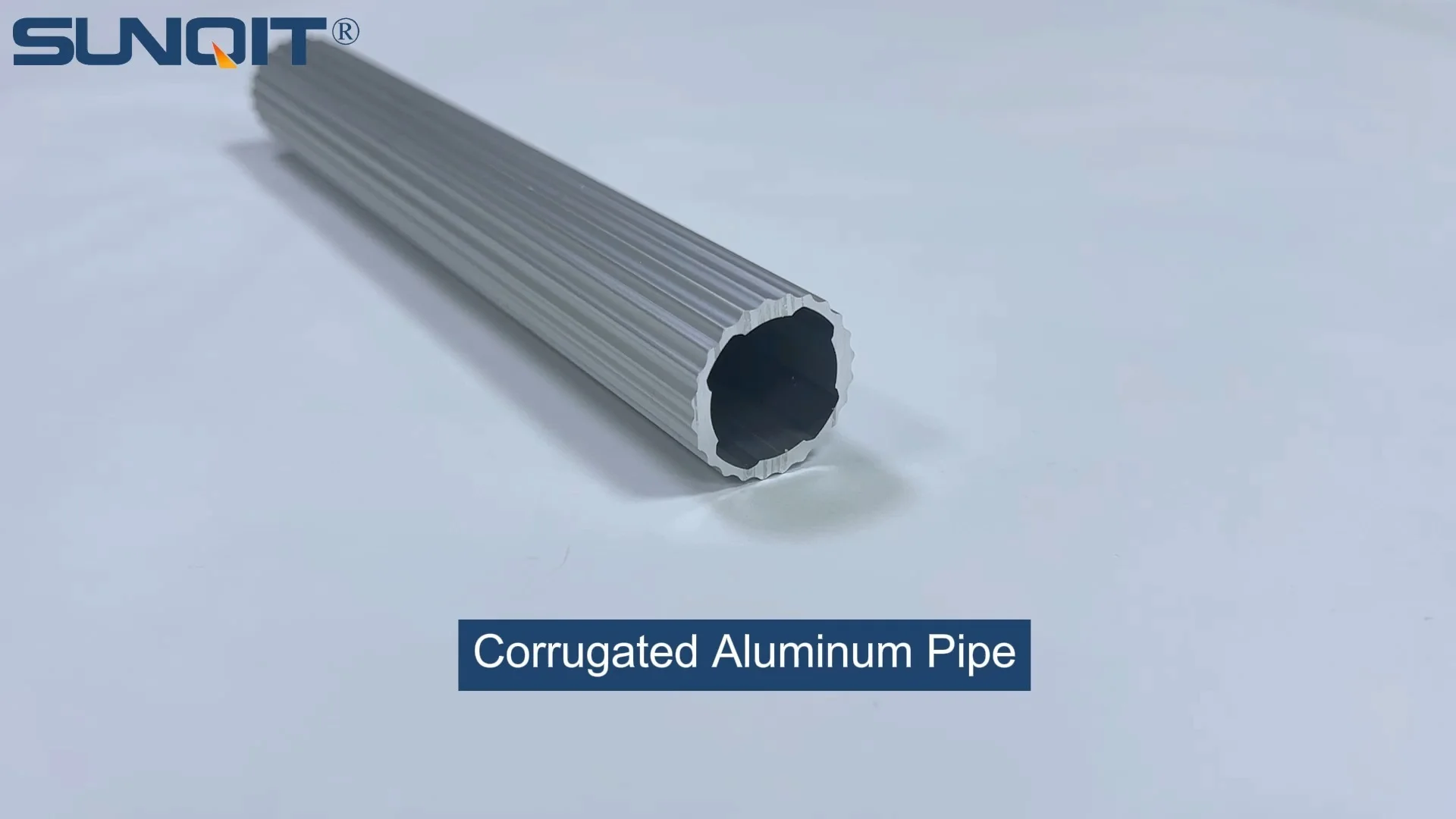
Corrugated Aluminum Pipe
Product Description The slot side is 10mm which can work with a T sliding block for connection accessories Quick Detail Product name Corrugated Aluminum pipe model GLT28-T-3010A Material Science 6005-T6 thickness 1.7mm surface treatment anodic oxidat
Walk into any manufacturing facility, and you'll notice something critical: the workstations are the unsung heroes of the operation. They're where ideas turn into products, where technicians spend hours assembling components, and where the rhythm of production either flows smoothly or stumbles. A wobbly table, a surface that scratches easily, or a setup that can't adapt to new tasks—these aren't just minor inconveniences. They slow down work, fray nerves, and chip away at the efficiency that lean production systems strive to build. That's why choosing the right materials for your workstations matters. Today, we're diving into how corrugated aluminum pipe is transforming the game, especially when paired with Workbench E (single deck-without caster) —a workhorse designed to anchor your lean system and keep your team moving forward.
The Heartbeat of Lean Production: Why Workstations Matter
Lean manufacturing isn't just a buzzword; it's a philosophy centered on respect for people and continuous improvement. At its core is the belief that every tool, every space, and every process should serve a purpose—no waste, no excess, no frustration. Workstations are ground zero for this philosophy. Think about it: a technician assembling circuit boards needs a flat, stable surface to avoid misplacing tiny parts. A team switching between product lines needs a setup that can be reconfigured in minutes, not hours. And in environments where static electricity is a risk (like electronics manufacturing), that surface needs to be ESD-safe to protect sensitive components. When workstations fail here, the whole line feels it—delays pile up, errors increase, and morale takes a hit.
Traditional workstations often miss the mark. Heavy steel frames are durable but hard to move or adjust. Cheap particleboard surfaces scratch easily, harboring dirt that can contaminate products. And rigid designs lock teams into one workflow, making it impossible to adapt when customer demands shift. That's where modern solutions like Workbench E and corrugated aluminum pipe come in. They're built for the realities of today's factories: fast-paced, flexible, and focused on people.
Corrugated Aluminum Pipe: More Than Just a Material
Let's start with the star of the show: corrugated aluminum pipe. At first glance, it might look like just another metal tube, but those ridges—those subtle, wave-like indentations—are engineering genius. They're why this pipe has become a favorite for lean system builders. Unlike smooth steel pipes, which rely solely on thickness for strength, the corrugated design adds rigidity without adding weight. Imagine holding a flat piece of paper: it bends easily. Now crumple it slightly, and suddenly it stands sturdier in your hand. That's the magic of corrugation, scaled up for industrial use.
But it's not just about strength. Corrugated aluminum pipe is lightweight, which matters when you need to reconfigure your workstation. A 1.2mm thick corrugated aluminum pipe weighs about 40% less than a steel pipe of the same strength, making it easy for one person to lift and adjust—no need for a forklift or extra hands. And aluminum's natural resistance to rust and corrosion means it holds up in damp or dusty environments, unlike steel, which can degrade over time if not properly coated.
Another hidden benefit? Aluminum's thermal conductivity. In factories where temperatures fluctuate, steel surfaces can get scorching hot or icy cold, making them uncomfortable to touch. Aluminum, by contrast, regulates temperature more gently, so the workstation stays comfortable to use all day. It's a small detail, but ask anyone who's had to rest their arm on a sun-heated steel table in summer—small details make a big difference in how it feels to get the job done.
| Material | Thickness Options | Weight (per meter) | Durability | Flexibility (Reconfiguration Ease) | Cost (5-Year ROI) |
|---|---|---|---|---|---|
| Corrugated Aluminum Pipe | 1.0mm, 1.2mm, 1.5mm | 0.8-1.2kg | High (rust-resistant, scratch-resistant) | Excellent (lightweight, easy to assemble) | Higher upfront, lower long-term (no replacement parts) |
| Steel Pipe | 1.5mm, 2.0mm | 2.0-2.5kg | High (but prone to rust without coating) | Poor (heavy, requires tools for adjustment) | Lower upfront, higher long-term (coating touch-ups, replacement) |
| PE Coated Lean Pipe | 0.8mm, 1.0mm | 0.6-0.9kg | Medium (coating can chip, exposing metal) | Good (lightweight, but less rigid than aluminum) | Low upfront, medium long-term (coating repairs needed) |
As the table shows, corrugated aluminum pipe strikes a rare balance: strong enough to support heavy loads, light enough to move, and durable enough to last for years. But it's not just about the pipe itself—it's how it works with other components, like aluminum profile accessories, that turns a collection of parts into a workstation that feels like an extension of your team.

Workbench E: Designed for the Way You Work
Now, let's talk about Workbench E (single deck-without caster). If corrugated aluminum pipe is the muscle, Workbench E is the (skeleton) that brings it all together. This isn't a one-size-fits-all table; it's a purpose-built solution for lean environments. Let's break down what makes it stand out:
Simplicity That Doesn't Skimp on Strength
Workbench E's single-deck design keeps things focused: one flat surface, no extra shelves cluttering the space. But don't mistake simplicity for weakness. When built with corrugated aluminum pipe frames and an aluminum honeycomb panel top, it can support up to 200kg of evenly distributed weight—enough for tools, parts bins, and even heavy equipment. The lack of casters is intentional, too: it's meant to be a stable anchor in your workflow, a spot where technicians know they can set down sensitive work without worrying about wobbles or movement.
Flexibility to Grow With Your Needs
Here's where the corrugated aluminum pipe really shines. Workbench E isn't welded together; it's assembled using aluminum profile joints and clamps, which means you can adjust its height, add side rails, or even extend the surface area as your needs change. Need to raise the table by 10cm to reduce back strain for taller team members? Loosen a few bolts, adjust the pipe lengths, and you're done. Want to add a shelf for parts bins? Slide in a few more pipes and secure them with multi-angle joints. It's like building with giant, industrial Legos—intuitive, quick, and endlessly adaptable.
A Surface That Works as Hard as Your Team
The top of Workbench E is where the rubber meets the road (or the component meets the table, in this case). Most models come with an aluminum honeycomb panel, which is lightweight but incredibly strong. It resists scratches, won't warp in humidity, and can be paired with ESD mats or anti-fatigue pads for added comfort. For teams working with small parts, the smooth surface means no more losing screws or washers in cracks. For those handling chemicals or oils, a quick wipe with a cloth keeps it clean—no stains, no lingering residue.
Building a Lean Ecosystem: Workbench E, Flow Racks, and Beyond
A workstation doesn't exist in a vacuum. In lean systems, it's part of a larger ecosystem that includes material storage, transportation, and flow. Workbench E plays well with others, especially when paired with flow racks like Material Rack B (3 row and 3 floor). Imagine this: your assembly line is humming. Parts arrive via conveyor, slide into the flow rack, and are within arm's reach of Workbench E. Technicians grab what they need, assemble, and pass finished products along—no walking to distant storage areas, no searching for missing parts. It's a seamless flow that cuts down on wasted motion, one of the biggest enemies of efficiency.
Corrugated aluminum pipe makes this integration even smoother. Since the same pipe and joints used for Workbench E can also build flow racks, your entire setup has a consistent look and feel. No more mismatched components or compatibility issues. And when your product line changes—say, you start making a larger widget—you can reconfigure both the workbench and the flow rack using the same tools and parts. It's lean manufacturing in action: adaptable, connected, and built to evolve.
The Human Touch: How Workbench E Changes Days, Not Just Workflows
At the end of the day, lean production is about people. A workstation that's sturdy, adaptable, and comfortable doesn't just boost productivity—it makes work feel better. Let's paint a picture: Maria, a senior technician at an electronics plant, used to struggle with her old steel workstation. It was too low, so she'd hunch over assemblies, leading to back pain by lunch. The surface was scratched, so tiny resistors would roll into grooves and get lost. And when the team switched to a new circuit board design, the workstation couldn't be adjusted, so they had to jury-rig a solution with cardboard boxes. It was frustrating, and it showed in her work—minor errors, slower times, and a noticeable drop in her usual enthusiasm.
Then the plant upgraded to Workbench E with corrugated aluminum pipe. They raised the height to fit Maria's posture, added a side rail to hold her tools, and swapped the scratched top for a smooth aluminum panel. Now, she says, "I don't think about the workstation anymore—it just works. I can focus on the boards, not on fighting the table." Her error rate dropped by 15%, and she's back to mentoring new technicians during breaks. That's the human impact of good design—it turns stress into confidence, and frustration into pride.
Choosing the Right Partner: Why Supplier Matters
Of course, none of this works if you're stuck with shoddy materials. Corrugated aluminum pipe that bends under light loads, joints that loosen over time, or panels that warp in heat—these can turn a promising workstation into a liability. That's why partnering with a reputable lean system supplier is critical. Look for suppliers who offer not just parts, but expertise: they should help you design the right workstation for your space, recommend accessories (like ESD mats or tool hooks), and stand behind their products with warranties. A good supplier knows that your success is their success, and they'll go the extra mile to make sure your Workbench E feels like a custom solution, not just an off-the-shelf purchase.
Final Thoughts: Building Workstations That Respect Your Team
At the end of the day, Workbench E and corrugated aluminum pipe are more than tools—they're statements. They say, "We value your time. We care about your comfort. We want you to succeed." In a world where lean production is often reduced to spreadsheets and metrics, that human-centric approach is what makes the difference. It's the difference between a team that tolerates their work environment and one that thrives in it. So if you're ready to stop settling for workstations that slow you down, consider this: the right materials, the right design, and the right partner can turn your workstation from a forgotten detail into the cornerstone of your lean system.
Corrugated aluminum pipe, Workbench E, aluminum profile accessories—these aren't just parts. They're the building blocks of a workspace that works with your team, not against them. And in lean manufacturing, that's not just efficient—it's essential.