- Company Articles
- Products and Technology
- Application Cases
- Corrugated Aluminum Pipe in Automotive Industry: Applications and Advantages

Corrugated Aluminum Pipe in Automotive Industry: Applications and Advantages
Related Product
Corrugated Aluminum Pipe
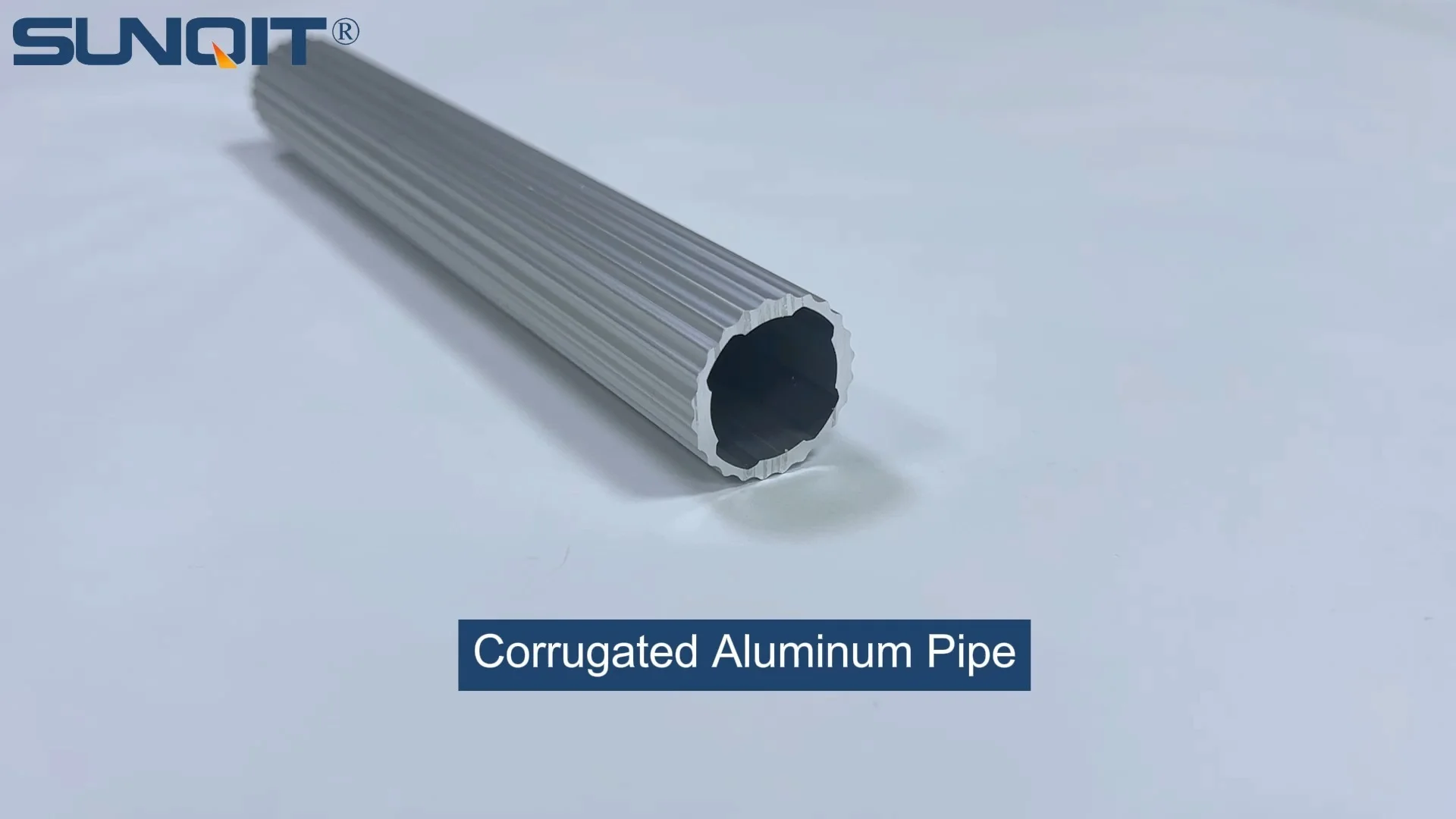
Product Description The slot side is 10mm which can work with a T sliding block for connection accessories Quick Detail Product name Corrugated Aluminum pipe model GLT28-T-3010A Material Science 6005-T6 thickness 1.7mm surface treatment anodic oxidat
The automotive industry is in the midst of a profound transformation. From the rise of electric vehicles (EVs) to the push for greater sustainability and efficiency, manufacturers are constantly seeking innovative solutions to meet evolving demands. At the heart of this evolution lies the need for materials that can balance performance, durability, and adaptability—qualities that have made corrugated aluminum pipe a standout choice in modern automotive design and production. Unlike rigid metal tubes or fragile plastic hoses, corrugated aluminum pipe brings a unique blend of flexibility, strength, and lightweight properties that address some of the most pressing challenges in automotive manufacturing today. Let's dive into how this unassuming component is reshaping everything from vehicle performance to production workflows, and why it has become a go-to material for engineers and designers alike.
Understanding Corrugated Aluminum Pipe: A Material Built for Modern Needs
Before we explore its applications, let's take a moment to understand what makes corrugated aluminum pipe distinct. As the name suggests, it is an aluminum-based tube characterized by a series of alternating ridges and grooves (corrugations) along its length. This design is not just aesthetic; it's engineered to enhance functionality. The corrugations allow the pipe to bend and flex without cracking, even under tight tolerances, while the aluminum core provides structural integrity and resistance to heat, corrosion, and wear.
Manufactured using advanced aluminum extrusion profile techniques, corrugated aluminum pipe starts as a solid aluminum billet, which is heated and forced through a die to create its initial shape. The corrugations are then formed through a secondary process, often involving specialized machinery that presses or rolls the tube to create the wave-like pattern. This extrusion method ensures consistency in wall thickness and corrugation spacing, making the pipe reliable and predictable in performance. To further enhance its versatility, it is often paired with aluminum profile accessories—such as connectors, clamps, and brackets—that simplify installation and integration into larger systems.
What truly sets corrugated aluminum pipe apart, however, is its ability to combine opposing properties: flexibility and strength. Traditional rigid pipes (like steel) offer strength but lack adaptability, making them difficult to route in tight spaces. Plastic hoses, on the other hand, are flexible but prone to cracking under high temperatures or pressure. Corrugated aluminum pipe bridges this gap, making it ideal for the complex, space-constrained environments of modern vehicles.
Key Applications in the Automotive Industry
Corrugated aluminum pipe has found its way into numerous critical systems within vehicles, from under-the-hood components to structural supports. Let's explore some of its most impactful applications.
1. Cooling Systems: Keeping EVs and Combustion Engines Running Smoothly
One of the most vital roles of corrugated aluminum pipe is in vehicle cooling systems. Both internal combustion engine (ICE) vehicles and EVs rely on efficient heat management to prevent overheating and ensure optimal performance. In ICE vehicles, cooling systems circulate coolant through the engine block, radiator, and heater core. In EVs, the stakes are even higher: batteries, electric motors, and power electronics generate significant heat, and failure to dissipate it can lead to reduced battery life, decreased efficiency, or even safety risks.
Corrugated aluminum pipe excels here for two key reasons: thermal conductivity and flexibility. Aluminum is an excellent conductor of heat, meaning it efficiently transfers heat away from critical components. The corrugated design, meanwhile, allows the pipe to snake through the tight spaces between batteries, motors, and other parts without kinking or restricting coolant flow. For example, in EV battery packs, where space is at a premium, corrugated aluminum pipes can be routed around individual battery cells, ensuring uniform cooling across the entire pack. This not only improves thermal management but also extends the battery's lifespan—a critical factor for EV owners concerned about long-term value.
2. Fuel and Fluid Lines: Durability Meets Safety
Fuel lines, brake lines, and hydraulic hoses are lifelines of any vehicle, carrying flammable or pressurized fluids that demand reliability. Traditional materials like steel or rubber have long been used here, but they come with trade-offs: steel is heavy and prone to corrosion, while rubber degrades over time when exposed to heat, oil, or chemicals. Corrugated aluminum pipe addresses these issues head-on.
Aluminum's natural resistance to corrosion means it can withstand exposure to road salts, moisture, and fuel additives without rusting—a particularly valuable trait in regions with harsh winters. The corrugated structure adds an extra layer of protection: unlike smooth-walled pipes, the ridges help absorb vibrations from the engine or road, reducing the risk of cracks or leaks caused by constant movement. In high-performance vehicles, where fuel pressure can reach extreme levels, the rigidity of the aluminum core prevents the pipe from expanding or bursting, ensuring consistent fuel delivery to the engine.
3. Electrical Harness Protection: Safeguarding the Nervous System of Vehicles
Modern vehicles are rolling computers, packed with sensors, cameras, infotainment systems, and advanced driver-assistance systems (ADAS). All these components rely on electrical harnesses—bundles of wires that act as the vehicle's nervous system. Protecting these harnesses from damage is crucial, as a single frayed wire can lead to malfunctions, safety risks, or costly repairs.
Corrugated aluminum pipe serves as a robust conduit for these harnesses. Its rigid outer layer shields wires from abrasion (from moving parts or sharp edges in the chassis), while the corrugations allow the pipe to bend as the vehicle flexes during driving, preventing strain on the wires inside. Unlike plastic conduits, which can become brittle in extreme cold or melt in high heat, aluminum maintains its integrity across a wide temperature range (-40°C to 150°C or higher), making it suitable for both underhood and undercarriage applications. Additionally, aluminum is non-conductive when properly coated, reducing the risk of electrical interference between wires—a key consideration for sensitive ADAS components.
4. Structural and Chassis Components: Lightweight Strength for Better Performance
While not as commonly discussed as fluid lines or harnesses, corrugated aluminum pipe is also making inroads into structural applications, particularly in EVs where weight reduction is paramount. Every kilogram saved translates to improved range, and aluminum's high strength-to-weight ratio makes it an attractive alternative to steel. In some vehicle designs, corrugated aluminum pipes are used as cross-braces, roll bars, or even in the frame itself, where their ability to absorb impact energy (thanks to the corrugations) enhances crash safety.
For example, in lightweight urban EVs, manufacturers are using corrugated aluminum pipe in the chassis to reduce overall weight without compromising rigidity. The corrugations act like mini shock absorbers, dispersing energy during minor collisions and reducing the risk of deformation. This not only improves safety but also extends the vehicle's lifespan, as the chassis is better able to withstand the wear and tear of daily use.

Advantages of Corrugated Aluminum Pipe: Why It's Gaining Traction
Now that we've explored its applications, let's zoom out and examine the broader advantages that make corrugated aluminum pipe a preferred material in automotive manufacturing. These benefits extend beyond performance—they also impact production efficiency, sustainability, and cost, aligning with the industry's shift toward lean system principles.
1. Lightweight Design: Boosting Efficiency and Range
Weight is the enemy of efficiency, whether in a gas-powered car or an EV. A lighter vehicle requires less energy to move, which translates to better fuel economy (for ICE vehicles) or longer range (for EVs). Corrugated aluminum pipe is significantly lighter than steel—aluminum has a density of about 2.7 g/cm³, compared to steel's 7.8 g/cm³—meaning replacing steel components with aluminum can reduce vehicle weight by 30-50% in those areas. For EVs, this weight savings directly addresses one of the biggest consumer concerns: range anxiety. A study by the Aluminum Association found that every 10% reduction in vehicle weight improves EV range by 6-8%, making corrugated aluminum pipe a simple yet effective way to enhance market appeal.
2. Flexibility and Adaptability: Simplifying Installation and Design
Automotive assembly lines are complex, with thousands of parts needing to fit together precisely. Rigid components often require custom brackets, bends, or tooling to install, increasing production time and cost. Corrugated aluminum pipe's flexibility eliminates many of these headaches. Its ability to bend up to 90 degrees or more (depending on the diameter and corrugation depth) allows it to follow the natural contours of the vehicle, reducing the need for complex routing or additional fittings. This not only speeds up installation but also gives designers more freedom to optimize vehicle layouts, as they are no longer constrained by the limitations of rigid materials.
For example, during the assembly of a vehicle's cooling system, a single length of corrugated aluminum pipe can replace multiple rigid steel tubes and rubber hoses, cutting down on the number of connections (and potential leak points). This simplification reduces assembly time and lowers the risk of errors, a win-win for manufacturers aiming to streamline production.
3. Durability and Longevity: Reducing Maintenance and Warranty Costs
Vehicles are expected to last for years, even decades, and components must withstand extreme conditions: temperature fluctuations, vibrations, road debris, and chemical exposure. Corrugated aluminum pipe is built to endure. Aluminum's corrosion resistance means it won't rust, even when exposed to salt or moisture, and the corrugated structure enhances its fatigue strength—the ability to withstand repeated stress without failing (e.g., from engine vibrations). This durability translates to fewer repairs and lower warranty claims for manufacturers, which is critical in an industry where customer trust and brand reputation are everything.
4. Sustainability: Aligning with Eco-Friendly Goals
Sustainability is no longer a buzzword in automotive manufacturing; it's a business imperative. Governments worldwide are imposing stricter emissions regulations, and consumers are increasingly choosing brands with strong environmental credentials. Corrugated aluminum pipe supports these goals in two key ways: recyclability and energy efficiency.
Aluminum is 100% recyclable, and recycling it requires just 5% of the energy needed to produce new aluminum from ore. This closed-loop system reduces the carbon footprint of vehicle production and aligns with circular economy principles. Additionally, the lightweight nature of corrugated aluminum pipe reduces vehicle energy consumption over its lifetime, further lowering emissions. For example, a gas-powered car with aluminum components emits up to 20% less CO₂ over its lifetime compared to a steel-intensive counterpart, according to the International Aluminum Institute.
5. Cost-Effectiveness: Long-Term Savings for Manufacturers and Consumers
At first glance, aluminum may seem more expensive than steel or plastic, but its total cost of ownership tells a different story. While the upfront material cost may be higher, the savings in fuel/energy, maintenance, and production efficiency often offset this. For manufacturers, the flexibility of corrugated aluminum pipe reduces the need for specialized tooling and assembly steps, cutting labor costs. For consumers, fewer repairs and better fuel economy mean lower long-term expenses. In EVs, the range boost from weight reduction can even allow manufacturers to use smaller batteries (reducing battery cost, a major EV expense), making electric vehicles more affordable for the mass market.
Integration with Lean System Principles: Streamlining Production
Beyond its technical advantages, corrugated aluminum pipe also aligns with the lean system philosophy that dominates modern manufacturing. Lean system focuses on minimizing waste, maximizing value, and continuous improvement—goals that corrugated aluminum pipe supports in tangible ways.
One of the key tenets of lean manufacturing is "just-in-time" production, which requires components to be easy to handle, store, and assemble. Corrugated aluminum pipe's lightweight and flexibility make it ideal for this. Unlike rigid steel tubes, which are heavy and require special equipment to move, corrugated aluminum pipes can be transported by hand, reducing the need for forklifts or cranes on the assembly line. Their uniformity (thanks to aluminum extrusion profile manufacturing) also ensures consistent quality, reducing the risk of defects and rework—another lean principle aimed at eliminating waste.
Additionally, the compatibility with aluminum profile accessories simplifies customization. Manufacturers can quickly modify pipe lengths, add brackets, or adjust routing using standard accessories, allowing them to adapt to design changes or customer needs without overhauls to production lines. This agility is critical in an industry where vehicle models are updated frequently, and time-to-market is a competitive advantage.
Comparing Corrugated Aluminum Pipe to Traditional Materials
| Feature | Corrugated Aluminum Pipe | Steel Pipe | Plastic Hose |
|---|---|---|---|
| Weight (per meter, 20mm diameter) | 0.2-0.3 kg | 0.8-1.0 kg | 0.1-0.2 kg |
| Max Temperature Resistance | -40°C to 200°C | -20°C to 300°C | -20°C to 120°C (varies by plastic type) |
| Corrosion Resistance | High (natural oxide layer) | Low (prone to rust without coating) | High (resistant to chemicals, but degrades in UV light) |
| Flexibility | High (bends without cracking) | Low (requires elbows for bends) | High (but may kink under pressure) |
| Cost (per meter, 20mm diameter) | Medium ($5-$8) | Low ($3-$5) | Low ($2-$4) |
| Recyclability | 100% recyclable | 100% recyclable (but higher energy cost) | Limited (depends on plastic type; often not recycled) |
Looking Ahead: The Future of Corrugated Aluminum Pipe in Automotive
As the automotive industry continues to evolve, the demand for innovative materials like corrugated aluminum pipe is only set to grow. With EV adoption accelerating, and pressure mounting to reduce emissions and improve efficiency, manufacturers will increasingly turn to solutions that offer lightweight strength, durability, and sustainability. Corrugated aluminum pipe checks all these boxes, and its compatibility with aluminum extrusion profile and lean system principles ensures it will remain a staple in automotive design for years to come.
Looking forward, we can expect to see further advancements in corrugated aluminum pipe technology. For example, manufacturers are exploring ways to integrate conductive coatings for use in electromagnetic shielding (critical for EVs with sensitive electronics) or adding composite layers to enhance heat resistance for high-performance applications. There's also potential for greater customization, with 3D-printed aluminum profile accessories allowing for even more tailored solutions.
In conclusion, corrugated aluminum pipe may not be the most glamorous component in a vehicle, but its impact is undeniable. From improving EV range to simplifying assembly lines, from enhancing safety to reducing environmental footprints, it embodies the kind of innovative thinking that drives the automotive industry forward. As we move toward a future of smarter, greener, and more efficient vehicles, corrugated aluminum pipe will undoubtedly play a starring role in turning that vision into reality.