- Company Articles
- Products and Technology
- Application Cases
- Corrugated Aluminum Pipe in Communication Equipment Manufacturing: Case Studies

Corrugated Aluminum Pipe in Communication Equipment Manufacturing: Case Studies
Related Product
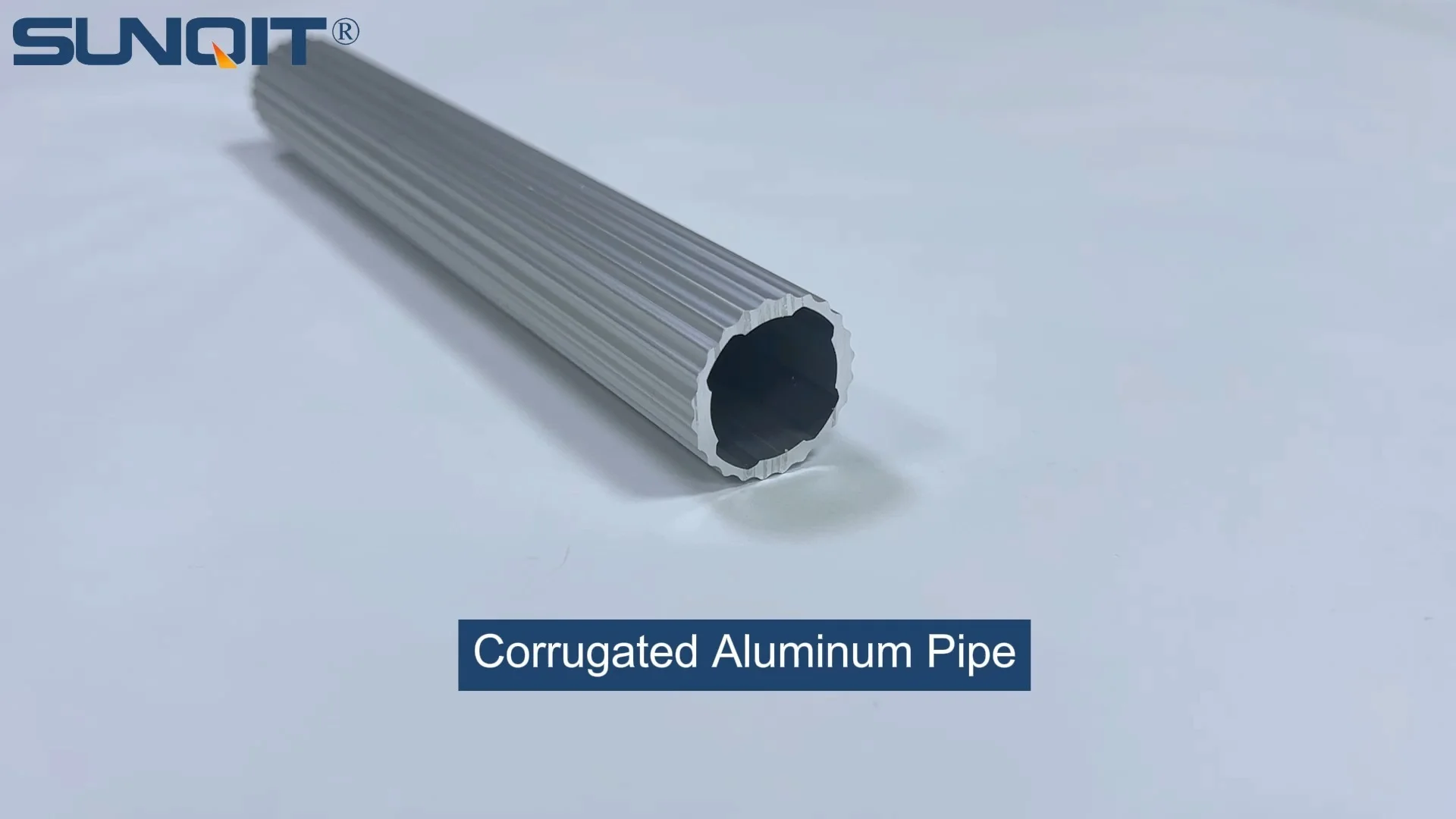
Corrugated Aluminum Pipe
Product Description The slot side is 10mm which can work with a T sliding block for connection accessories Quick Detail Product name Corrugated Aluminum pipe model GLT28-T-3010A Material Science 6005-T6 thickness 1.7mm surface treatment anodic oxidat
How a Versatile Material is Reshaping Efficiency, Durability, and Innovation
Introduction: The Unsung Hero of Modern Manufacturing
In the fast-paced world of communication equipment manufacturing, where 5G rollouts, data center expansions, and miniaturized devices dominate the landscape, every component counts. From routers and base stations to data servers and transceivers, the pressure to deliver products that are lighter, more durable, and easier to assemble has never been higher. Amidst this demand, one material has quietly emerged as a game-changer: corrugated aluminum pipe.
At first glance, it might seem like just another piece of metal tubing, but corrugated aluminum pipe brings a unique set of advantages to the table. Its (wave-like) structure isn't just for show—it's engineered to combine strength, flexibility, and thermal efficiency in a way that traditional materials like steel or rigid plastic simply can't match. But don't just take our word for it. Let's dive into real-world case studies where this unassuming material has transformed manufacturing processes, solved critical pain points, and delivered tangible results for communication equipment producers.
Understanding Corrugated Aluminum Pipe: More Than Meets the Eye
Before we jump into the case studies, let's take a moment to appreciate what makes corrugated aluminum pipe so special. Unlike smooth-walled tubing, its corrugated design—created through advanced aluminum extrusion profile techniques—gives it several key benefits:
- Strength-to-Weight Ratio: Aluminum is already lighter than steel, but the corrugation adds structural rigidity without adding bulk. This makes it ideal for applications where weight is a concern, like portable communication devices or airborne equipment.
- Thermal Conductivity: Aluminum naturally dissipates heat well, and the corrugated surface increases the area for heat transfer—critical for electronics that generate significant heat during operation.
- Flexibility: The waves allow the pipe to bend slightly without cracking, making it easier to route around tight spaces in complex equipment enclosures.
- Corrosion Resistance: Aluminum forms a protective oxide layer, and optional coatings (like anodizing) can enhance this further, ensuring longevity even in harsh environments.
- Cost-Effectiveness: Compared to specialty alloys or custom-machined parts, corrugated aluminum pipe is often more affordable, especially when produced in bulk via extrusion.
These properties make it a versatile solution for everything from cable management and structural support to heat dissipation and enclosure framing. Now, let's see how manufacturers are putting these benefits into action.

Case Study 1: Cooling the Heat of High-Density Telecom Routers
The Challenge: Overheating in Next-Gen Routers
A leading manufacturer of telecom routers was struggling with a critical issue: their latest high-density router model, designed to handle 5G traffic, was overheating during peak usage. The router packed 24 ports into a compact 1U rack-mount chassis, and the dense arrangement of circuit boards and transceivers left little room for traditional heat sinks or fans. Initial tests showed operating temperatures reaching 85°C—well above the 70°C threshold for reliable long-term performance. Worse, the rigid steel conduits used for internal cable management were blocking airflow, exacerbating the problem.
The Solution: Corrugated Aluminum Pipe as a Dual-Purpose Heat Sink and Cable Manager
The engineering team turned to corrugated aluminum pipe as a potential fix. Working with their aluminum extrusion profile supplier, they designed custom 12mm-diameter corrugated pipes to replace the steel conduits. The pipes would serve two roles: routing Ethernet and power cables, and acting as passive heat sinks. Here's how it worked:
- Heat Dissipation: The corrugated pipes were mounted directly to the router's internal chassis, making contact with the hottest circuit boards. The increased surface area of the corrugations allowed heat to radiate away from the components into the pipe, which then dissipated it into the surrounding air.
- Airflow Optimization: Unlike the solid steel conduits, the corrugated aluminum pipes had gaps between the waves, allowing air to circulate more freely through the chassis. This reduced hotspots and improved overall cooling efficiency.
- Lightweight Design: Switching from steel to aluminum cut the weight of the cable management system by 40%, making the router easier to install and reducing shipping costs.
The Results: Cooler, Lighter, and More Reliable
After integrating the corrugated aluminum pipes, the router's operating temperature dropped to 65°C—a 24% reduction. This not only brought it well within the safe operating range but also extended the expected lifespan of the components by an estimated 30%. Additionally, the lighter design reduced shipping costs by $2 per unit (a 5% savings on total logistics expenses), and assembly time decreased by 10 minutes per router (a 15% efficiency gain) because the flexible pipes were easier to route during production.
"We were skeptical at first—how could a simple pipe solve both cooling and cable management?" said the lead engineer. "But the results speak for themselves. We've since standardized on corrugated aluminum for all our high-density router models."
Case Study 2: Streamlining 5G Base Station Assembly with Lean System Integration
The Challenge: Bulky Enclosures Slowing Down Production
A major 5G infrastructure provider was ramping up production of outdoor base stations to meet global demand. These stations needed to be rugged enough to withstand rain, wind, and extreme temperatures, but the steel enclosures they were using were causing two big problems: first, they were heavy (over 80kg per unit), making them difficult to transport and install on cell towers. Second, the rigid design required custom-machined brackets for internal components, slowing down the assembly line and increasing costs.
The company's lean system goals emphasized reducing waste and improving flow, but the steel enclosures were a bottleneck. Assembly workers struggled to maneuver the heavy frames on the production line, and shipping costs were soaring due to the weight. The team needed a way to lighten the load without compromising durability.
The Solution: Corrugated Aluminum Pipe Frames for Modular, Lightweight Enclosures
The solution came in the form of a modular frame built with corrugated aluminum pipe. Working with their lean system consultants, the manufacturer redesigned the base station enclosure around a skeleton of 20mm corrugated aluminum pipes connected by lightweight aluminum joints. The corrugated pipes formed the vertical and horizontal supports, while aluminum panels (attached via T-slot connections) formed the outer walls. This approach offered several advantages:
- Weight Reduction: The aluminum frame weighed just 35kg—less than half the steel version—making it easier for workers to handle on the assembly line and cheaper to ship.
- Modularity: The pipe-and-joint system allowed for quick adjustments. If a component size changed (e.g., a larger battery), workers could simply reconfigure the frame by adding or removing pipe sections, rather than machining new steel brackets.
- Lean System Alignment: The lighter frames moved more smoothly along the production line's flow rack, reducing downtime caused by jams or heavy lifting. Assembly stations were reorganized to accommodate the modular design, cutting down on unnecessary movement.
The Results: Faster Assembly, Lower Costs, and Happier Workers
The impact was immediate. Production time per base station dropped from 4 hours to 2.5 hours—a 37.5% improvement. Shipping costs fell by 22% due to the reduced weight, and the modular design allowed the company to adapt to component changes without halting production. Perhaps most notably, worker satisfaction increased: injuries from lifting heavy steel frames decreased by 100%, and the assembly line became less stressful to operate.
"We thought lean system improvements would come from better scheduling or tool organization," said the plant manager. "We never expected the material itself to be the key. The corrugated aluminum frame transformed our entire production flow."
Case Study 3: Flexible Cable Routing for Data Center Server Racks
The Challenge: Rigid Cable Management Slowing Data Center Upgrades
A data center equipment manufacturer was fielding complaints from clients: their server racks were difficult to upgrade or reconfigure. The issue stemmed from the rigid PVC cable ducts used to route power and data cables between servers. When clients needed to add or replace cables, they had to remove the entire duct, disrupting service and increasing downtime. The manufacturer wanted a solution that would make cable management more flexible while maintaining the neat, organized appearance required in data centers.
The Solution: Corrugated Aluminum Pipe with Flow Rack and Workbench Integration
The team's solution combined corrugated aluminum pipe with two key manufacturing tools: flow rack for material handling and ergonomic workbench stations for assembly. Here's how it worked:
- Flexible Cable Trays: Corrugated aluminum pipes were cut to length and mounted horizontally between server rack uprights, forming open-top cable trays. The corrugated design allowed cables to be easily added or removed by simply lifting them over the waves, eliminating the need to disassemble the tray.
- Flow Rack for Material Delivery: On the production line, flow racks stocked pre-cut corrugated pipes, connectors, and mounting brackets. This ensured assembly workers had easy access to materials, reducing time spent walking to storage areas.
- Workbench Integration: Custom workbenches were fitted with fixtures to hold the server racks at waist height, making it easier for workers to install the corrugated pipe trays. The workbenches included built-in tool organizers and cable management clips, further streamlining the process.
The Results: 50% Faster Upgrades and Happier Clients
Client feedback was overwhelmingly positive. Data center technicians reported that adding new cables now took 15 minutes instead of 1 hour—a 75% time savings. The manufacturer also saw benefits on the production line: the flow rack and workbench setup reduced assembly time per server rack by 20%, and the open-top corrugated trays eliminated the need for custom-molded PVC ducts, cutting material costs by 15%.
"Our clients used to dread upgrades," said the product manager. "Now they're asking for the corrugated aluminum trays as a standard feature. It's not just a cable management solution—it's a selling point."
Comparing Corrugated Aluminum Pipe to Traditional Materials
To put these case studies into perspective, let's compare corrugated aluminum pipe to three common alternatives in communication equipment manufacturing:
| Material | Weight (kg/m) | Thermal Conductivity (W/m·K) | Flexibility | Cost (Relative) | Best For |
|---|---|---|---|---|---|
| Steel Conduit | 7.8 | 45 | Low (prone to cracking when bent) | High | Heavy structural support |
| Rigid PVC | 1.4 | 0.19 | Very Low (brittle) | Medium | Basic cable protection (dry environments) |
| Smooth Aluminum Pipe | 2.7 | 205 | Medium (can bend slightly) | Medium-High | Heat dissipation (no flexibility needed) |
| Corrugated Aluminum Pipe | 2.2 | 205 | High (bends without cracking) | Medium | Lightweight, flexible, heat-sensitive applications |
As the table shows, corrugated aluminum pipe strikes a balance that's hard to beat: it's lighter than steel, more thermally efficient than PVC, and more flexible than smooth aluminum—all at a competitive cost.
Conclusion: The Future of Communication Manufacturing is Corrugated
From cooling overheated routers to streamlining production lines and making data centers more adaptable, corrugated aluminum pipe has proven itself to be more than just a niche material—it's a catalyst for innovation in communication equipment manufacturing. Its unique combination of strength, flexibility, and thermal efficiency addresses some of the industry's most pressing challenges, while its compatibility with lean system principles, flow rack setups, and workbench integration makes it a practical choice for manufacturers looking to improve efficiency.
As communication technology continues to evolve—with faster speeds, smaller devices, and more complex enclosures—materials like corrugated aluminum pipe will only grow in importance. It's a reminder that sometimes, the most impactful innovations aren't flashy new gadgets, but humble materials that quietly make everything else work better.
So the next time you power up your router, connect to 5G, or store data in the cloud, take a moment to appreciate the unsung hero behind the scenes: the corrugated aluminum pipe, hard at work keeping our connected world running smoothly.