- Company Articles
- Products and Technology
- Application Cases
- Corrugated Aluminum Pipe in Consumer Electronics: 3C Assembly Applications

Corrugated Aluminum Pipe in Consumer Electronics: 3C Assembly Applications
Related Product
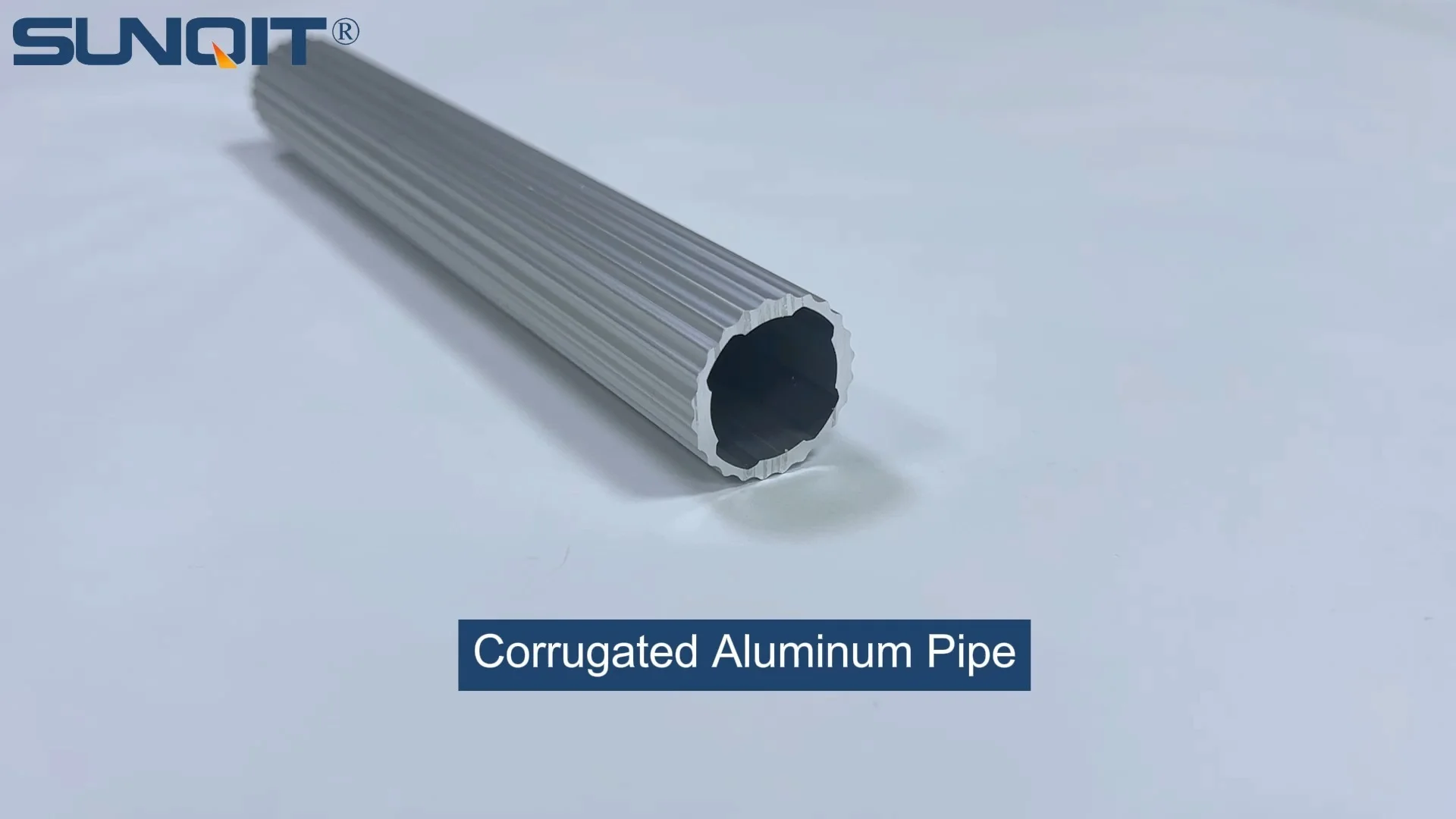
Corrugated Aluminum Pipe
Product Description The slot side is 10mm which can work with a T sliding block for connection accessories Quick Detail Product name Corrugated Aluminum pipe model GLT28-T-3010A Material Science 6005-T6 thickness 1.7mm surface treatment anodic oxidat
In the world of consumer electronics—where smartphones, laptops, and tablets evolve faster than the seasons—manufacturers face a relentless challenge: keeping up. Every new model, every design tweak, demands assembly lines that can pivot, adapt, and reconfigure without missing a beat. Tight spaces, lightweight components, and the need for precision have long made 3C (Computer, Communication, Consumer Electronics) assembly a balancing act between rigidity and flexibility. Enter corrugated aluminum pipe—a material that's quietly revolutionizing how these lines are built, one modular section at a time.
If you've ever walked through a 3C factory, you know the chaos of innovation. Workers hunched over workbenches, tiny screws and microchips passing along roller tracks, and stations that must shift from assembling a 13-inch laptop to a foldable phone in days. Traditional materials like steel pipes or solid aluminum profiles often fall short here: they're heavy, hard to adjust, and leave little room for last-minute changes. Corrugated aluminum pipe, with its unique design and compatibility with aluminum extrusion profiles and accessories, is changing that narrative. Let's dive into why this material is becoming the backbone of modern 3C assembly.
What Is Corrugated Aluminum Pipe, Anyway?
First things first: corrugated aluminum pipe isn't your average metal tube. Unlike smooth aluminum pipes or rigid steel rods, it's engineered with a series of parallel ridges (corrugations) along its length. This isn't just for aesthetics—those ridges are the secret to its superpowers. Made from high-grade aluminum extrusion profile, the pipe retains the strength of traditional aluminum but gains flexibility, thanks to the corrugated structure. Think of it like a metal spring: it bends without breaking, absorbs minor impacts, and still holds its shape under load.
But what really makes it shine in 3C settings is its compatibility with aluminum profile accessories. From internal rotatary aluminum joints that let pipes pivot 180 degrees to simple clamps that secure it to workbenches, these small parts turn a single pipe into a building block for entire assembly systems. It's modularity at its finest—no welding, no heavy tools, just snap-and-go components that let teams build, break down, and rebuild in hours, not days.
Why 3C Assembly Loves Corrugated Aluminum Pipe: Key Features
Let's get practical. What makes corrugated aluminum pipe a standout choice for 3C assembly? It all boils down to features that directly solve the industry's biggest headaches.
Lightweight, but Don't Let That Fool You
3C assembly lines aren't static. Workstations get moved, material racks get shifted, and teams often need to reconfigure layouts to accommodate new product sizes. Steel pipes? They're tough, but try moving a steel-framed workbench across the factory floor—you'll need a forklift. Corrugated aluminum pipe, by contrast, is featherlight. A 6-foot section weighs less than 5 pounds, making it easy for two workers to carry and adjust by hand. This isn't just about convenience; it's about reducing downtime. When a new model launches, you don't want your team wrestling with heavy materials—you want them focusing on building products.
Flexibility Without Compromise
Ever tried bending a solid aluminum profile? It either snaps or requires industrial machinery. Corrugated aluminum pipe bends—easily. Those corrugations act like built-in hinges, allowing the pipe to curve up to 30 degrees without losing structural integrity. In 3C factories, where space is often at a premium, this is a game-changer. Imagine a roller track that needs to snake around a corner to feed components to a workbench—corrugated pipe can follow that curve without requiring complex joints or custom bends. It's like having a material that thinks on its feet, adapting to the factory's layout instead of the other way around.
Durability That Keeps Up With 24/7 Operations
3C factories don't sleep, and neither should their equipment. Corrugated aluminum pipe is built to withstand the grind: 24/7 use, minor impacts from tools or falling components, and even the occasional spill (thanks to aluminum's natural resistance to corrosion). Unlike plastic pipes, which can crack under repeated stress, or steel, which rusts if not treated, corrugated aluminum holds up. One manufacturer in Shenzhen reported using the same corrugated pipe sections for over three years across five product launches—no warping, no weakening, just consistent performance.
Modularity: Build It, Break It, Build It Again
The true magic of corrugated aluminum pipe lies in its ability to play well with others—specifically, aluminum profile accessories. Need to attach a pipe to a workbench? Use a simple aluminum pipe clamp. Want to create a tiered material rack? Add internal rotatary aluminum joints to connect horizontal and vertical pipes. Even better, disassembly is just as easy. When a product line retires, you don't have to scrap the entire setup—just unscrew the joints, pack the pipes, and reuse them for the next project. This modularity cuts waste and lowers long-term costs, a win for both the factory and the planet.

On the Factory Floor: Real-World 3C Applications
Enough theory—let's talk about how corrugated aluminum pipe actually gets used in 3C assembly. From workbenches to material transport, it's proving its worth in four key areas.
1. Workbench Frames: Sturdy, Light, and Customizable
The workbench is the heart of 3C assembly. It's where workers spend 8+ hours a day, handling components as small as a SIM card tray. Traditional workbenches, often made from solid steel or thick aluminum profiles, are stable but heavy and hard to adjust. Corrugated aluminum pipe changes that. By using it for the frame, manufacturers can build workbenches that are both lightweight and rigid enough to support tools, monitors, and anti-static mats.
Take the "Workbench E (Single Deck—Without Caster)" model, a popular choice in 3C factories. Its frame, built from corrugated aluminum pipe and connected with internal rotatary aluminum joints, weighs 30% less than a steel-frame equivalent. Workers can adjust the height by swapping out pipe sections, and adding accessories like tool hooks or small material racks is as simple as clamping them on. One factory in Guangzhou reported a 20% reduction in worker fatigue after switching to these benches—no more straining to reach tools on heavy, immovable surfaces.
2. Material Racks: Organized, Adaptable, and Space-Saving
In 3C assembly, time lost hunting for components is money down the drain. Material racks need to keep parts organized, accessible, and adaptable to new component sizes. Corrugated aluminum pipe excels here, especially when paired with roller tracks and aluminum guide rails. For example, "Material Rack B (3 Row and 3 Floor)" uses corrugated pipe for vertical supports and horizontal shelves, with plastic roller track guide rails (yellow or grey) on each shelf to let bins glide in and out smoothly. The corrugated design allows the rack to be narrow (as little as 60cm wide) but still sturdy enough to hold 50kg per shelf—perfect for tight factory spaces.
What happens when a new component comes in, say, a larger battery for a tablet? No problem. Loosen the aluminum joints, adjust the shelf height, and re-tighten. The whole process takes 15 minutes, compared to hours with traditional bolted steel racks. As one factory manager put it: "We used to plan racks around products. Now, we plan products around racks—because the racks can keep up."
3. Roller Tracks: Smooth Transport for Tiny Components
Moving microchips, circuit boards, or even finished phones between stations requires precision. Roller tracks, often made from steel or plastic, can be noisy, heavy, or prone to jamming. Corrugated aluminum pipe, when paired with swivel roller balls (1 inch or 0.5 inch) and roller track connectors, creates tracks that are quiet, lightweight, and gentle on delicate parts. The corrugated pipe acts as the track's frame, while the swivel balls let components glide with minimal friction—no more stuck circuit boards or scratched phone casings.
A laptop manufacturer in Suzhou recently replaced 200 meters of steel roller track with corrugated aluminum pipe-based tracks. The result? A 30% reduction in noise (workers reported less ear strain), and a 15% faster component transfer time. Plus, when they needed to add a 90-degree turn to the track, they simply bent the corrugated pipe and added a roller track placon mount for rail connection—no custom bending or welding required.
4. Turnover Trolleys: Mobile, Sturdy, and Worker-Friendly
Moving batches of components from storage to the assembly line? Turnover trolleys are essential, but traditional steel trolleys are backbreakers. Corrugated aluminum pipe trolleys, however, are a breeze. By using lightweight corrugated pipe for the frame and adding caster wheels (with caster accessories like brake levers), these trolleys weigh 40% less than steel versions but can still carry up to 100kg. Workers can push them with one hand, even through tight aisles, reducing the risk of strains or accidents.
How Does It Stack Up? Comparing Corrugated Aluminum Pipe to Other Materials
To really understand why corrugated aluminum pipe is taking over 3C assembly, let's compare it to the materials it's replacing. The table below breaks down key factors like weight, flexibility, and suitability for 3C environments:
| Material | Weight (per 6ft section) | Flexibility | Durability | 3C Assembly Suitability |
|---|---|---|---|---|
| Corrugated Aluminum Pipe | 4.5 lbs | High (bends up to 30° without damage) | High (resists corrosion, impacts, 3+ year lifespan) | Excellent (modular, lightweight, adaptable) |
| Solid Steel Pipe | 18 lbs | Low (requires industrial bending; prone to cracking) | High (but rusts without coating) | Poor (too heavy, hard to reconfigure) |
| Smooth Aluminum Profile | 7 lbs | Low (rigid; bends only with specialized tools) | High (corrosion-resistant) | Fair (sturdy but lacks flexibility) |
| Plastic Pipe | 3 lbs | High (but deforms under heavy load) | Low (cracks under repeated stress; melts near heat sources) | Poor (not durable enough for 24/7 use) |
The takeaway? Corrugated aluminum pipe hits the sweet spot: it's lighter than steel, more durable than plastic, and far more flexible than smooth aluminum profiles. For 3C assembly, where adaptability and worker comfort matter as much as strength, it's the clear winner.
The Future: Corrugated Aluminum Pipe and Smart 3C Factories
As 3C factories move toward Industry 4.0—with IoT sensors, AI-driven workflows, and collaborative robots—corrugated aluminum pipe is poised to play an even bigger role. Imagine a workbench frame with built-in sensor mounts (thanks to aluminum profile accessories like T-slot rubber seal covers) that track component flow, or roller tracks with embedded RFID tags to monitor part movement. The pipe's modularity makes it easy to integrate these smart features without overhauling the entire system.
Manufacturers are also experimenting with recycled aluminum for corrugated pipes, aligning with the industry's push for sustainability. A pilot program in Taiwan found that recycled aluminum corrugated pipes perform just as well as virgin aluminum versions, with a 20% lower carbon footprint. As eco-conscious consumers drive demand for greener production, this could become a key selling point.
Final Thoughts: More Than a Pipe—A Tool for Innovation
At the end of the day, corrugated aluminum pipe isn't just a material. It's a tool that empowers 3C manufacturers to be agile, efficient, and creative. It turns rigid assembly lines into flexible ecosystems that can keep up with the fastest-moving industry on the planet. Whether it's a workbench that adjusts in minutes, a roller track that bends around obstacles, or a trolley that eases worker strain, this unassuming pipe is quietly reshaping how we build the devices that connect us all.
For 3C factories ready to stop building around their materials and start building with them, corrugated aluminum pipe isn't just an option—it's the future. And that future? It's looking lighter, more flexible, and a whole lot more innovative.