- Company Articles
- Products and Technology
- Application Cases
- Corrugated Aluminum Pipe in Consumer Electronics: Assembly Line Optimization

Corrugated Aluminum Pipe in Consumer Electronics: Assembly Line Optimization
Related Product
Corrugated Aluminum Pipe
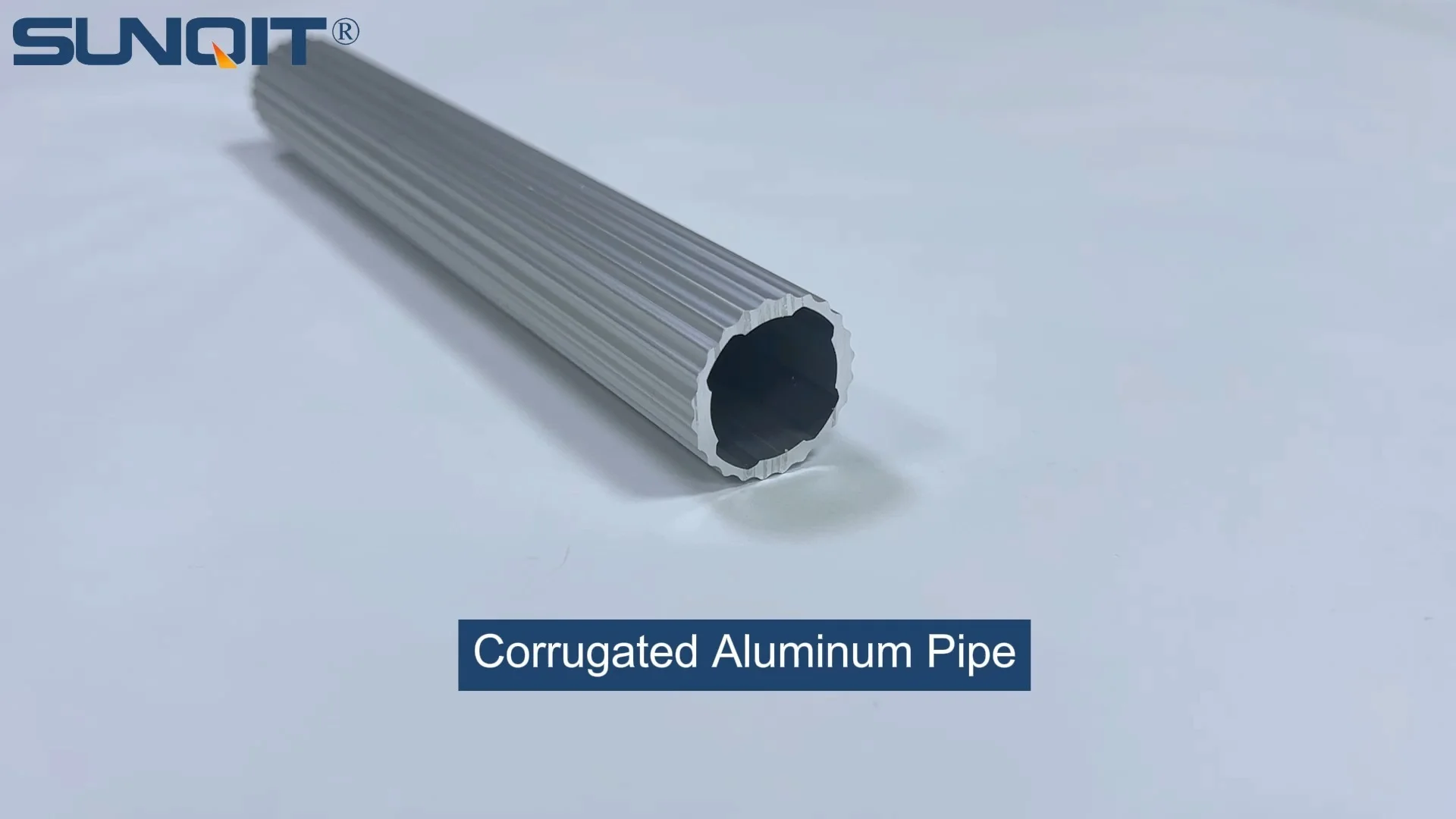
Product Description The slot side is 10mm which can work with a T sliding block for connection accessories Quick Detail Product name Corrugated Aluminum pipe model GLT28-T-3010A Material Science 6005-T6 thickness 1.7mm surface treatment anodic oxidat
In the fast-paced world of consumer electronics, where new smartphones, laptops, and wearables hit the market every few months, the efficiency of assembly lines can make or break a manufacturer's success. These lines are the backbone of production, tasked with piecing together tiny, delicate components—from microchips to display screens—with pinpoint precision, all while keeping up with skyrocketing demand. But here's the challenge: traditional assembly setups, often built with rigid steel frames or flimsy plastic components, struggle to keep pace. They're heavy, hard to reconfigure, and prone to slowing down when production needs shift. Enter corrugated aluminum pipe—a versatile, lightweight solution that's quietly revolutionizing how consumer electronics assembly lines are designed and optimized. In this article, we'll explore how this unassuming component, paired with smart design and lean principles, is solving some of manufacturing's biggest headaches.
The Role of Assembly Lines in Consumer Electronics Manufacturing
Consumer electronics assembly is a high-stakes dance of speed, accuracy, and adaptability. Consider this: a single smartphone contains over 300 individual parts, each requiring careful handling and precise placement. Multiply that by millions of units per year, and you've got a process that leaves no room for inefficiency. Assembly lines here aren't just about putting parts together—they're about minimizing errors, reducing downtime, and ensuring workers can operate comfortably, even during long shifts.
Historically, many lines relied on fixed steel structures. These were sturdy, sure, but they came with a cost: once built, they were nearly impossible to modify. If a manufacturer wanted to switch from assembling a 6-inch phone to a 7-inch tablet, they'd often need to rebuild entire sections of the line, wasting time and resources. Plastic components, on the other hand, were cheaper and lighter but lacked the durability to withstand the daily wear and tear of a busy factory floor—scratches, cracks, and warping were common, leading to frequent replacements.
Then there's the issue of material flow. Parts need to move seamlessly from one workstation to the next—from component sorting to soldering to quality checks. Bottlenecks here can grind production to a halt. Traditional roller tracks, often made of steel or low-grade plastic, would jam or slow down under heavy loads, creating frustrating delays. And let's not forget ergonomics: workers spending 8+ hours at a poorly designed workbench risk fatigue, injuries, and decreased productivity—all of which hit the bottom line hard.
What is Corrugated Aluminum Pipe?
At first glance, corrugated aluminum pipe might look like just another industrial tube, but its design holds the key to its versatility. Unlike smooth-walled pipes, corrugated aluminum features a series of ridges (corrugations) along its length, which add strength without adding excess weight. It's typically made using an aluminum extrusion profile process—where molten aluminum is pushed through a die to create a specific cross-sectional shape—followed by a corrugation step that forms the characteristic ridges. This manufacturing method ensures consistency in size and strength, while the corrugations distribute stress evenly, making the pipe surprisingly rigid despite its light weight.
Available in various diameters (from 20mm to 60mm, common in electronics manufacturing) and lengths, corrugated aluminum pipe is often paired with aluminum profile accessories like joints, brackets, and end caps, which allow it to be assembled into almost any structure imaginable. Think of it as the "building block" of modern assembly lines—flexible enough to create workbenches, material racks, and roller tracks, yet strong enough to support heavy tools and components.
Why Aluminum? Why Corrugated?
Aluminum itself is a game-changer for manufacturing. It's about one-third the weight of steel, which means structures built with aluminum pipes are easier to move, install, and reconfigure. It's also naturally resistant to corrosion—critical in factory environments where moisture, oils, and cleaning agents are common. Unlike steel, it won't rust, so it maintains its integrity for years with minimal maintenance. And when it does reach the end of its lifecycle, aluminum is 100% recyclable, aligning with the growing demand for sustainable manufacturing practices.
The corrugations take this a step further. By adding those ridges, engineers have essentially "strengthened" the pipe's structure without increasing its wall thickness. Imagine a sheet of paper: flat, it bends easily, but if you fold it into a corrugated pattern (like a cardboard box), it suddenly becomes rigid enough to support weight. The same principle applies here. Corrugations allow the pipe to withstand bending forces, impacts, and heavy loads—perfect for the chaos of a busy assembly line.

Benefits of Corrugated Aluminum Pipe in Assembly Line Optimization
To truly understand why corrugated aluminum pipe is transforming consumer electronics manufacturing, let's break down its key benefits—each directly addressing the pain points of traditional assembly setups.
Lightweight Yet Durable: A Winning Combo
In a factory where workers might need to adjust a workstation's height or reposition a material rack mid-shift, weight matters. A 2-meter length of 40mm corrugated aluminum pipe weighs just 1.2kg, compared to 3.5kg for a steel pipe of the same size. This makes assembly and reconfiguration a one-person job, reducing downtime and labor costs. Yet, despite its lightness, it's tough: corrugated aluminum pipe has a tensile strength of around 200-300 MPa (megapascals), comparable to some steel alloys. In practical terms, a properly assembled structure can support up to 50kg per linear meter—more than enough for the tools, components, and equipment used in electronics assembly.
Flexibility for Rapid Reconfiguration
Consumer electronics manufacturers rarely stick to one product for long. A factory assembling a mid-range smartphone today might need to switch to a foldable model next quarter, requiring changes to workbench heights, material flow paths, and tool placement. Corrugated aluminum pipe excels here. Thanks to aluminum profile accessories like internal rotatary aluminum joints (which allow 360° rotation) and quick-connect brackets, structures can be disassembled and reassembled in hours, not days. No welding, no drilling—just snap together the pipes and accessories, and you're ready to go. This flexibility is a cornerstone of lean system principles, which emphasize eliminating waste (like time spent on retooling) and adapting quickly to change.
Smooth Material Flow with Integrated Roller Tracks
Material flow is the lifeblood of any assembly line. Parts need to glide from storage to workbench to packaging without getting stuck or damaged. Corrugated aluminum pipe shines as a frame for roller track systems. When paired with plastic or steel roller guides (often in yellow or grey, common in electronics factories for visibility), the lightweight aluminum frame ensures the track stays level and stable, even when loaded with circuit boards or display panels. The corrugations add grip, preventing the pipe from slipping in the roller track brackets, while the aluminum's rigidity keeps the track from sagging over time—meaning fewer jams and smoother, faster material movement.
Cost-Effective Over the Long Haul
While corrugated aluminum pipe might have a slightly higher upfront cost than low-grade plastic pipes, its longevity and reusability make it far more cost-effective. Steel structures, for example, require regular painting to prevent rust; plastic pipes crack and need replacement every 1-2 years. Corrugated aluminum? It can last 10+ years with minimal maintenance—just an occasional wipe-down to remove dust. Plus, since it's recyclable, old pipes can be sold back to aluminum suppliers, offsetting replacement costs. For manufacturers operating on tight margins, this long-term savings is a huge win.
Integration with Lean Systems: Reducing Waste, Boosting Efficiency
Lean system methodologies—centered on eliminating waste (muda), optimizing flow, and continuous improvement—have become the gold standard in electronics manufacturing. Corrugated aluminum pipe isn't just a tool for building structures; it's a tool for embedding lean principles into the factory floor itself.
Eliminating Waste: Time, Space, and Materials
Waste in manufacturing comes in many forms: time wasted on reconfiguring workstations, space wasted on bulky equipment, and materials wasted on disposable structures. Corrugated aluminum pipe attacks all three. Its lightweight design reduces setup time (less time waste), its modularity means it can be built to fit tight spaces (less space waste), and its reusability means fewer materials end up in landfills (less material waste). For example, a traditional steel workbench might take 8 hours to build and can't be repurposed; a corrugated aluminum workbench takes 2 hours to assemble and can be taken apart and rebuilt as a material rack next month. That's lean in action.
Optimizing Flow: From "Batch Processing" to "Continuous Flow"
Lean systems prioritize continuous flow—where parts move through the line one at a time, rather than in batches—to reduce waiting times and errors. Corrugated aluminum roller track systems make this possible. By integrating roller tracks directly into workbenches (using aluminum brackets to mount the track at the ideal height), parts can flow from one worker to the next without stopping. For instance, after a worker solders a component onto a circuit board, they can slide it along the roller track to the next station for testing—no need to carry it or wait for a batch to accumulate. This smooth flow cuts down on bottlenecks and keeps production humming.
Empowering Workers: Ergonomics and Ownership
Lean isn't just about machines and materials—it's about people. A workbench that's too high, too low, or cluttered with tools can slow workers down and increase the risk of injury. Corrugated aluminum pipe allows workbenches to be customized to each worker's height and needs. Using adjustable feet and rotatable joints, a supervisor can tweak a workbench's height in minutes to reduce back strain, or add a shelf for frequently used tools to cut down on reaching. This level of customization gives workers a sense of ownership over their space, boosting morale and productivity—another lean win.
Comparing Corrugated Aluminum Pipe to Traditional Materials
To truly appreciate the impact of corrugated aluminum pipe, let's compare it to the materials it's replacing in electronics assembly lines. The table below breaks down key factors like weight, durability, and cost:
| Material | Weight (per meter, 40mm pipe) | Durability (Lifespan in Factory Use) | Reconfigurability | Cost (Initial vs. Long-Term) | Best For |
|---|---|---|---|---|---|
| Steel Pipe | 3.5kg | 10+ years (but prone to rust without coating) | Poor (requires welding/drilling to modify) | Low initial, high long-term (maintenance, replacement) | Heavy, fixed structures (rare in modern electronics lines) |
| Plastic Pipe | 0.8kg | 1-2 years (prone to cracking/warping) | Moderate (snaps together, but weakens with reuse) | Low initial, very high long-term (frequent replacement) | Temporary setups or low-load applications |
| Corrugated Aluminum Pipe | 1.2kg | 10+ years (corrosion-resistant, no coating needed) | Excellent (reusable with aluminum profile accessories) | Moderate initial, low long-term (no maintenance, recyclable) | Workbenches, roller tracks, material racks, and mobile structures |
Real-World Impact: A Case Study
Let's take a hypothetical (but realistic) example of how corrugated aluminum pipe transformed an assembly line for a mid-sized smartphone manufacturer. Prior to switching, the factory used steel workbenches and plastic roller tracks. Their main challenges? Slow reconfiguration when launching new phone models (taking 2-3 days to adjust workbenches), frequent plastic roller track jams (due to warping), and worker complaints about heavy, immovable workstations.
The solution? They replaced all steel workbenches with corrugated aluminum ones, paired with aluminum roller track systems and aluminum profile accessories like caster wheels (for mobility) and adjustable shelves. The results were striking:
- Faster reconfiguration: Launching a new phone model now takes 4 hours instead of 3 days, thanks to quick-connect joints and modular roller tracks.
- Reduced downtime: Roller track jams dropped by 80%—the rigid aluminum frame kept tracks level, while plastic guides (yellow, for visibility) glided smoothly even under heavy use.
- Happier workers: Adjustable workbenches cut down on back pain reports by 60%, and mobile workstations (on casters) allowed teams to rearrange their space for collaborative tasks.
- Lower costs: Long-term savings from reduced maintenance (no rust, no warped plastic) and fewer replacements offset the initial investment in aluminum within 18 months.
Future Trends: Corrugated Aluminum Pipe in Smart Factories
As consumer electronics manufacturing moves toward Industry 4.0—with IoT sensors, AI-driven analytics, and automation—corrugated aluminum pipe is evolving right alongside it. Here's what's on the horizon:
Smart Integration with IoT
Aluminum's conductivity makes it ideal for embedding sensors. Future aluminum extrusion profile pipes could come with built-in channels for wiring, allowing factories to add sensors that track temperature, vibration, or even worker movement. For example, a sensor on a workbench could detect if a tool is left unused for too long (signaling a bottleneck) or if the roller track speed drops (indicating a jam)—sending alerts to supervisors in real time.
Sustainability as a Priority
With consumers and regulators demanding greener manufacturing, corrugated aluminum's recyclability will become even more valuable. Manufacturers are already exploring ways to use recycled aluminum in pipe production, further reducing the carbon footprint. And since aluminum structures last longer and generate less waste than plastic or steel, they align with corporate sustainability goals.
Customization at Scale
As 3D printing technology advances, we may see custom aluminum profile accessories printed on-demand in factories. Need a unique bracket for a new tool? Print it in-house, snap it onto your corrugated aluminum pipe, and start production. This level of customization will make assembly lines even more adaptable to niche products (like specialized medical devices or high-end audio equipment).
Conclusion: Building the Assembly Line of Tomorrow
In the world of consumer electronics, where innovation never stops, assembly lines can't afford to stay stuck in the past. Corrugated aluminum pipe—with its unique blend of strength, flexibility, and cost-effectiveness—is proving to be the foundation of the next generation of manufacturing. By integrating with lean system principles, enhancing material flow via roller track systems, and supporting customizable workbench designs (all with the help of aluminum profile accessories ), it's not just optimizing assembly lines—it's redefining what's possible.
For manufacturers looking to stay competitive, the message is clear: rigid, one-size-fits-all assembly setups are out. Modular, adaptable, and worker-centric systems built with corrugated aluminum pipe are in. It's more than a material upgrade—it's a mindset shift toward agility, sustainability, and people-first production. And in an industry where the next big thing is always just around the corner, that's the key to staying ahead.