- Company Articles
- Products and Technology
- Product knowledge
- Corrugated Aluminum Pipe in Mechanical Manufacturing: Key Applications

Corrugated Aluminum Pipe in Mechanical Manufacturing: Key Applications
Related Product
Corrugated Aluminum Pipe
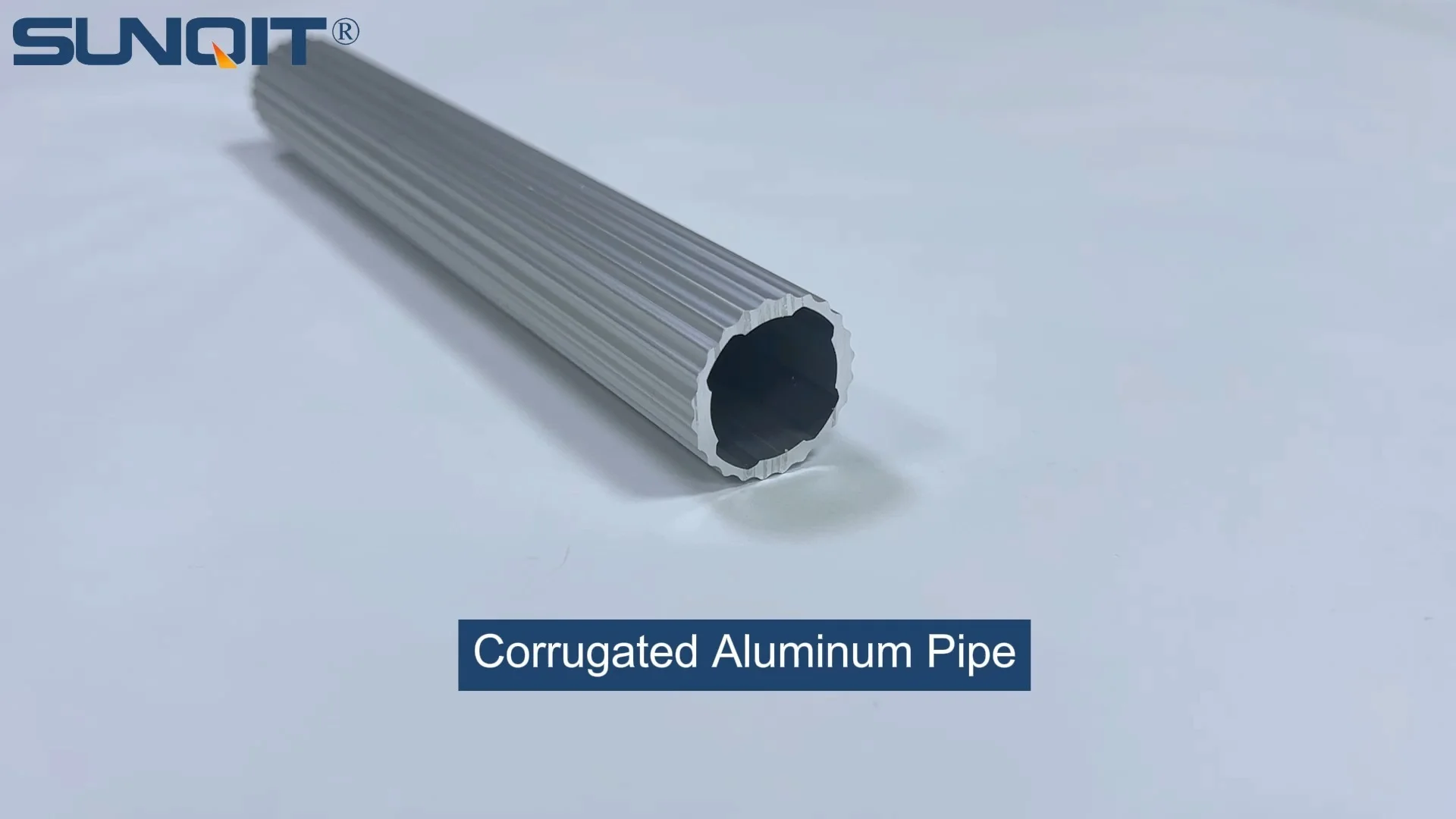
Product Description The slot side is 10mm which can work with a T sliding block for connection accessories Quick Detail Product name Corrugated Aluminum pipe model GLT28-T-3010A Material Science 6005-T6 thickness 1.7mm surface treatment anodic oxidat
Introduction: The Unsung Hero of Modern Manufacturing
In the fast-paced world of mechanical manufacturing, where efficiency, adaptability, and durability are non-negotiable, the choice of materials can make or break a production line. Among the array of components that keep factories running smoothly, one material has quietly become a cornerstone of innovation: corrugated aluminum pipe. Far more than just a simple tube, this specialized material combines the best of lightweight design, structural strength, and flexibility, making it a go-to solution for everything from workbench frames to conveyor systems. Let's dive into why corrugated aluminum pipe has become indispensable, and explore its key applications in today's manufacturing landscape.
At first glance, you might mistake corrugated aluminum pipe for its smoother counterparts—basic aluminum tubes or stainless steel pipes. But the unique corrugated design sets it apart. Those alternating ridges and grooves aren't just for show; they (enhance) the pipe's rigidity while allowing for a surprising degree of flexibility. This means it can absorb vibrations in high-traffic areas, resist bending under heavy loads, and still be adjusted or reconfigured when production needs change. Add to that aluminum's natural resistance to corrosion and its lightweight nature, and you have a material that checks nearly every box for modern manufacturers.
The Science Behind the Strength: What Makes Corrugated Aluminum Pipe Stand Out
To understand why corrugated aluminum pipe is revolutionizing mechanical manufacturing, let's break down its core properties. First, weight: aluminum is about one-third the density of steel, so even with the corrugated design, these pipes are significantly lighter than stainless steel alternatives. This lightness translates to easier handling on the factory floor—workers can assemble or reposition structures without heavy lifting equipment—and lower transportation costs for suppliers. But don't let the weight fool you: the corrugation pattern acts like a series of built-in braces, distributing stress evenly along the pipe's length. This makes it surprisingly strong, capable of supporting heavy tools, materials, or even entire workbench setups.
Corrosion resistance is another major advantage. In manufacturing environments where oils, coolants, or humidity are common, materials like iron or uncoated steel can rust and degrade over time. Aluminum, however, forms a natural oxide layer that protects against corrosion, and when combined with the corrugated structure (which minimizes flat surfaces where moisture might pool), it becomes even more durable. This longevity reduces replacement costs and downtime, a critical factor for factories operating 24/7.
Perhaps most importantly, corrugated aluminum pipe is designed for adaptability. Unlike rigid aluminum extrusion profiles that require precise cutting and welding, corrugated pipes can be easily cut to length with basic tools and connected using simple aluminum pipe accessories like clamps or internal rotatary aluminum joints. This modularity aligns perfectly with the principles of lean manufacturing, where quick adjustments and minimal waste are prioritized. Whether you're building a temporary material rack or a permanent assembly line, corrugated aluminum pipe lets you iterate fast.

Key Applications in Mechanical Manufacturing
Now that we understand what makes corrugated aluminum pipe special, let's explore how it's being used in real-world manufacturing settings. From workbenches to conveyor systems, its versatility shines in every corner of the factory.
1. Workbench Construction: Building the Foundation of Productivity
A workbench is more than just a table—it's the command center where operators assemble components, inspect products, and keep tools within arm's reach. For this reason, workbench design demands a balance of stability, ergonomics, and adaptability. Enter corrugated aluminum pipe, which has become a favorite among manufacturers for building custom workbenches that meet all three criteria.
When paired with aluminum profile and aluminum extrusion profile accessories, corrugated aluminum pipe creates workbenches that are both sturdy and lightweight. For example, using T-slot aluminum profiles for the frame and corrugated pipes for the legs or cross-bracing ensures the bench can support heavy machinery (like drills or assembly tools) without wobbling. The corrugated design adds extra rigidity, so even during long shifts, the workbench remains stable, reducing operator fatigue. Plus, with aluminum pipe accessories like caster wheels, these workbenches can be easily moved around the factory floor to adapt to changing production layouts—no need for a team of workers to lift and reposition (bulky) wooden or steel benches.
Ergonomics play a big role here, too. Corrugated aluminum pipe's modularity allows manufacturers to adjust the height of workbenches or add accessories like tool racks or monitor mounts with minimal effort. Using aluminum pipe clamps or parallel fixation aluminum pipe joints, operators can customize their workspace to fit their needs, whether they're standing or sitting. This level of personalization doesn't just boost comfort—it (boosts) productivity by keeping essential tools and materials exactly where they're needed.
2. Material Handling Systems: Streamlining the Flow of Goods
In any manufacturing facility, moving materials from point A to point B efficiently is critical. This is where corrugated aluminum pipe truly shines, particularly in flow racks, turnover trolleys, and material racks. These systems rely on sturdy yet lightweight structures to transport everything from raw components to finished products, and corrugated aluminum pipe delivers on both fronts.
Take flow racks, for instance. These gravity-fed storage systems use inclined roller tracks to move materials forward as items are removed from the front. The frame of a flow rack needs to support multiple levels of roller tracks, each holding heavy boxes or parts. Corrugated aluminum pipe, with its high strength-to-weight ratio, is ideal for building these frames. It can span longer distances between supports without sagging, and its corrosion resistance ensures the rack remains stable even in humid warehouses or areas where spills are common. When combined with roller track connectors and plastic roller track guide rails (available in yellow or grey for visibility), the result is a system that moves materials smoothly and reduces the risk of jams or damage.
Turnover trolleys are another area where corrugated aluminum pipe excels. These mobile carts are used to transport materials between workstations, and their design must prioritize maneuverability and durability. By using corrugated aluminum pipe for the trolley frame and adding caster wheels (with accessories like caster brakes for stability), manufacturers create trolleys that are light enough for one person to push but strong enough to carry heavy loads. The corrugated structure also helps absorb shocks when the trolley is moved over uneven floors, protecting delicate components inside.
3. Conveyor Systems: Keeping Production Lines Moving
Conveyor systems are the arteries of manufacturing, moving products through assembly, packaging, and shipping at a steady pace. Any breakdown or inefficiency here can grind production to a halt. Corrugated aluminum pipe plays a crucial role in keeping these systems running smoothly, often as a support structure for roller tracks or belt conveyors.
Roller conveyors, which use a series of rollers to move items, depend on a stable frame to keep the rollers aligned. Corrugated aluminum pipe is frequently used for these frames because it can be easily cut to length and connected with roller track placon mounts (like those designed for aluminum profiles or rail connections). This modular approach allows maintenance teams to quickly replace damaged sections or adjust the conveyor's height to match adjacent workstations. The pipe's flexibility also helps dampen vibrations from the rolling items, reducing noise and extending the life of the conveyor components.
For belt conveyors, corrugated aluminum pipe is often used as a support for the belt's return path or as a guardrail to prevent items from falling off. Its lightweight nature means less strain on the conveyor's motor, improving energy efficiency, while its corrosion resistance ensures it holds up in environments where belts might be exposed to oils or cleaning agents. In short, corrugated aluminum pipe doesn't just support the conveyor—it makes the entire system more reliable and cost-effective.
4. Lean Manufacturing: Adapting to Change with Modular Design
Lean manufacturing, which focuses on minimizing waste and maximizing efficiency, has become a guiding philosophy for modern factories. Central to lean principles is the ability to adapt quickly to changing production needs—whether that means reconfiguring an assembly line, scaling up production, or repurposing a work area. Corrugated aluminum pipe, with its modular design and aluminum pipe accessories, is a perfect fit for this mindset.
Consider a scenario where a factory needs to shift from producing one product to another overnight. With traditional steel structures, this might require cutting, welding, or even replacing entire sections of the assembly line—a time-consuming and costly process. With corrugated aluminum pipe, however, the transition is far simpler. Using internal rotatary aluminum joints or parallel rotatory aluminum joints, workers can loosen a few clamps, reposition the pipes, and tighten everything back up in minutes. This flexibility reduces downtime and allows manufacturers to respond to market demands faster than ever before.
Another lean principle is "just-in-time" production, which relies on having materials available exactly when they're needed. Corrugated aluminum pipe material racks, with their adjustable shelves and easy mobility (thanks to caster wheels), make this possible. These racks can be rolled directly to the assembly line, ensuring materials are within reach without cluttering the workspace. When production slows down, the racks can be disassembled or repurposed, freeing up valuable floor space—another win for waste reduction.
Comparing Materials: Why Corrugated Aluminum Pipe Beats the Alternatives
To truly appreciate the value of corrugated aluminum pipe, it helps to see how it stacks up against other common materials in manufacturing. The table below compares corrugated aluminum pipe with stainless steel pipe and basic aluminum tube across key metrics like weight, strength, and cost.
| Material Type | Weight (per meter, 50mm diameter) | Strength (Maximum Load Capacity) | Corrosion Resistance | Flexibility & Modularity | Best For | Cost Range (per meter) |
|---|---|---|---|---|---|---|
| Corrugated Aluminum Pipe | 1.2–1.5 kg | Up to 200 kg (horizontal span) | High (natural oxide layer) | Excellent (easily cut/connected with accessories) | Workbenches, flow racks, mobile trolleys, conveyor frames | $15–$30 |
| Stainless Steel Pipe | 3.5–4.0 kg | Up to 300 kg (horizontal span) | Very High (resistant to chemicals) | Poor (requires welding; hard to reconfigure) | Heavy-duty machinery, high-corrosion environments | $40–$60 |
| Basic Aluminum Tube (non-corrugated) | 0.9–1.1 kg | Up to 120 kg (horizontal span) | High (same as corrugated) | Good (but less rigid than corrugated) | Lightweight frames, temporary structures | $10–$20 |
As the table shows, corrugated aluminum pipe strikes a balance that's hard to beat. It's lighter than stainless steel but stronger than basic aluminum tube, and its modularity makes it infinitely more adaptable than either. While stainless steel may have higher load capacity, the trade-off in weight and flexibility often isn't worth it for most manufacturing applications. Basic aluminum tube, on the other hand, lacks the rigidity needed for heavy-duty use, making corrugated aluminum pipe the clear choice for factories that need both strength and versatility.
Choosing the Right Accessories: Maximizing Corrugated Aluminum Pipe's Potential
No material exists in a vacuum, and corrugated aluminum pipe is no exception. To unlock its full potential, it needs the right aluminum pipe accessories. These small but critical components turn a simple pipe into a fully functional system, whether you're building a workbench, a conveyor, or a material rack. Let's highlight a few essential accessories and how they enhance corrugated aluminum pipe's performance.
Internal Rotatary Aluminum Joints: These joints allow two corrugated aluminum pipes to connect at various angles (30°, 45°, 90°, etc.) and rotate slightly, making it easy to adjust the structure's geometry. Perfect for workbenches that need angled shelves or conveyor systems with turns.
Caster Wheels & Accessories: Adding caster wheels to a corrugated aluminum pipe frame transforms it into a mobile trolley or workbench. Look for swivel casters with brakes for maximum maneuverability and stability when in use.
Roller Track Connectors: These small brackets attach roller tracks to corrugated aluminum pipe frames, ensuring the tracks stay aligned and secure. They're essential for flow racks and conveyor systems where smooth material movement is key.
Aluminum Profile Brackets: When combining corrugated aluminum pipe with aluminum extrusion profiles (for added strength or to mount accessories like tool hooks), these brackets create a secure connection that's easy to assemble and disassemble.
By pairing corrugated aluminum pipe with these accessories, manufacturers can create custom solutions tailored to their exact needs—no engineering degree required. This accessibility is part of what makes the material so popular; it empowers even small factories to build professional-grade systems without breaking the bank.
Conclusion: The Future of Manufacturing is Corrugated
As mechanical manufacturing continues to evolve, the demand for materials that can keep up with the pace of innovation will only grow. Corrugated aluminum pipe, with its unbeatable combination of strength, flexibility, and modularity, is poised to remain at the forefront of this evolution. From workbenches that adapt to workers' needs to conveyor systems that minimize downtime, it's clear that this humble pipe is more than just a component—it's a catalyst for efficiency and creativity in the factory.
Whether you're a small workshop looking to upgrade your material handling or a large manufacturer streamlining your assembly lines, corrugated aluminum pipe offers a solution that's both practical and forward-thinking. And with a wide range of aluminum pipe accessories available, the possibilities are nearly endless. So the next time you walk through a factory, take a closer look at the structures around you—chances are, you'll spot corrugated aluminum pipe hard at work, quietly powering the future of manufacturing.