- Company Articles
- Products and Technology
- Product knowledge
- Corrugated Aluminum Pipe in Medical Device Manufacturing: Hygiene and Safety

Corrugated Aluminum Pipe in Medical Device Manufacturing: Hygiene and Safety
Related Product
Corrugated Aluminum Pipe
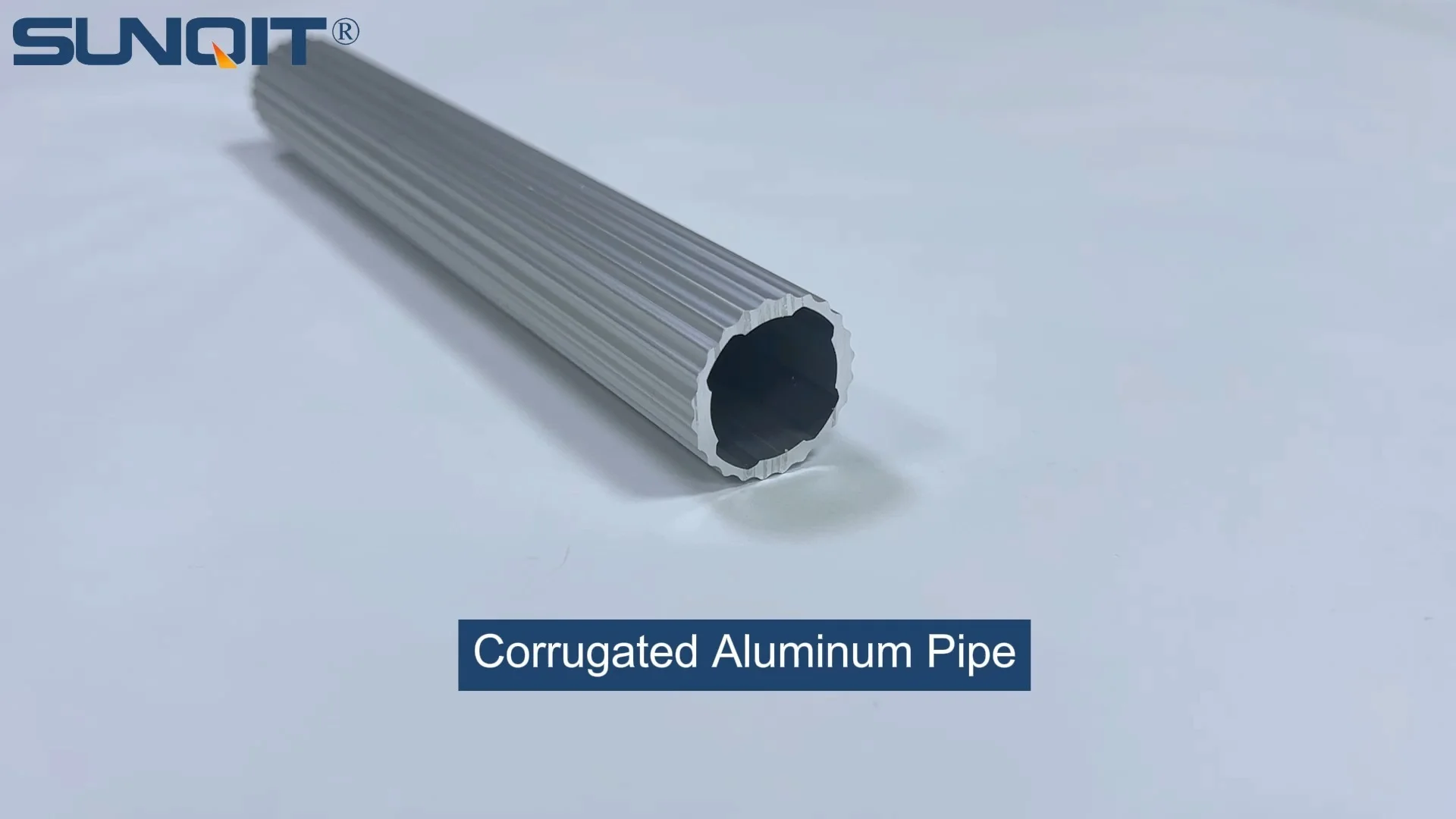
Product Description The slot side is 10mm which can work with a T sliding block for connection accessories Quick Detail Product name Corrugated Aluminum pipe model GLT28-T-3010A Material Science 6005-T6 thickness 1.7mm surface treatment anodic oxidat
In the world of medical device manufacturing, where precision can mean the difference between life and death, every component—no matter how small—carries immense responsibility. From surgical instruments that must remain sterile to diagnostic machines that rely on unwavering accuracy, the manufacturing environment itself becomes a critical part of ensuring patient safety. Among the unsung heroes of this high-stakes industry is a material that balances durability, adaptability, and most importantly, hygiene: corrugated aluminum pipe. More than just a structural element, this specialized aluminum extrusion profile has quietly revolutionized how medical device plants approach cleanliness, worker safety, and operational efficiency. Let's dive into why corrugated aluminum pipe has become a cornerstone in facilities where "good enough" is never an option.
What Makes Corrugated Aluminum Pipe Unique?
At first glance, corrugated aluminum pipe might seem like a simple variation of traditional aluminum tubing. But its design—characterized by alternating ridges and grooves along its length—unlocks a suite of properties that make it indispensable in medical settings. Unlike smooth-walled pipes, the corrugation isn't just for aesthetics; it adds structural rigidity without increasing weight, making the pipe both lightweight and surprisingly strong. This is particularly valuable in environments where equipment must be reconfigured frequently, such as lean system-driven production lines.
Manufactured through an aluminum extrusion profile process, corrugated aluminum pipe starts as a solid aluminum billet heated to high temperatures and forced through a die to create its distinctive shape. The result is a seamless, uniform structure with no weak points or seams—critical for preventing bacterial buildup. Medical-grade corrugated pipes are often made from 6061 or 6063 aluminum alloys, chosen for their corrosion resistance, non-toxicity, and ability to withstand repeated sterilization. These alloys contain trace amounts of magnesium and silicon, which enhance their strength while keeping them malleable enough for extrusion.
Another key advantage lies in its surface finish. Unlike stainless steel, which can develop micro-scratches over time, or plastic, which may degrade when exposed to harsh chemicals, corrugated aluminum pipe maintains a smooth, non-porous surface. This impermeability is a game-changer for hygiene: there are no crevices for bacteria, viruses, or debris to hide in, even after years of use. When paired with the right aluminum profile accessories—such as specialized joints and clamps—it becomes a modular building block that adapts to the unique needs of medical device manufacturing.
Hygiene: The Non-Negotiable Standard
Fighting Contamination at the Source
In medical device manufacturing, contamination is the enemy. A single pathogen or particle can render a batch of surgical tools unsafe for use, leading to costly recalls and, worse, risking patient health. Corrugated aluminum pipe addresses this threat at multiple levels. Its non-porous surface means that when cleaned with hospital-grade disinfectants or subjected to high-temperature sterilization, there's nowhere for contaminants to linger. Unlike plastic pipes, which can absorb chemicals over time and leach residues, aluminum is inert—no off-gassing, no chemical reactions, just a surface that stays clean even under rigorous cleaning protocols.
Consider a typical workbench in a surgical instrument assembly line. The workbench itself might be framed with corrugated aluminum pipe, supporting shelves, tool holders, and cable management systems. Throughout the day, this surface is wiped down with alcohol-based cleaners, exposed to UV light, or even sprayed with hydrogen peroxide fog during deep cleans. A traditional steel pipe might rust at the joints; a PVC pipe might crack or discolor. Corrugated aluminum? It shrugs off these treatments, maintaining its integrity and cleanliness shift after shift.
Beyond Surfaces: Preventing Cross-Contamination
Hygiene in medical manufacturing isn't just about cleaning—it's about designing systems that prevent contamination from occurring in the first place. Corrugated aluminum pipe excels here, too. Its modular design, paired with aluminum profile accessories like smooth-jointed connectors and sealed end caps, eliminates gaps where dust, moisture, or microbes could accumulate. For example, when used in material racks or conveyor systems, the corrugated pipe's ridges create controlled pathways for tools or components, reducing contact with non-sterile surfaces. In cleanrooms, where even air quality is monitored, the pipe's lightweight nature minimizes the need for heavy support structures that can trap airborne particles.
One facility in California, which manufactures endoscopic cameras, reported a 40% reduction in surface contamination after switching from stainless steel piping to corrugated aluminum. The key? The aluminum's ability to dissipate static electricity, which in turn reduced the attraction of dust particles. When combined with ESD workstation setups, this feature becomes even more powerful, creating zones where sensitive electronic components (like the circuit boards in diagnostic devices) remain protected from electrostatic discharge and particulate buildup.

Safety: Protecting Workers, Protecting Products
In medical device manufacturing, worker safety and product safety are two sides of the same coin. A plant with high injury rates can't maintain consistent quality, and equipment that poses risks to operators often compromises the integrity of the devices being built. Corrugated aluminum pipe addresses both concerns through its thoughtful design and material properties.
Lightweight, Low Risk
Traditional steel pipes or even solid aluminum tubing can be cumbersome to handle, increasing the risk of strains, drops, or collisions in busy production areas. Corrugated aluminum pipe, by contrast, weighs up to 30% less than comparably sized steel pipes while offering similar load-bearing capacity. This lightness makes installation and reconfiguration safer for workers—no need for heavy lifting equipment or teams of people to maneuver a single section. In one survey of medical manufacturing plants, facilities using corrugated aluminum reported a 25% decrease in musculoskeletal injuries related to equipment setup, a statistic that directly translates to fewer lost workdays and more consistent production.
Fire Resistance and Non-Toxicity
Medical facilities are tightly regulated when it comes to fire safety, and for good reason: a single spark in a room filled with oxygen tanks or flammable cleaning agents could have catastrophic consequences. Aluminum, unlike plastic, is inherently fire-resistant. It doesn't burn, and while it does melt at high temperatures (around 660°C), it doesn't release toxic fumes—a critical advantage over PVC or rubber pipes, which can emit harmful chemicals when heated. In the event of a small fire, corrugated aluminum pipe acts as a barrier, containing flames and preventing the spread of fire to sensitive areas like cleanrooms or storage zones.
Structural Stability for Predictable Performance
The corrugated design isn't just about rigidity; it also dampens vibrations, which is essential in environments where precision tools (like laser cutters or microscopes) are in use. A wobbly workbench or shaky conveyor system can throw off measurements by fractions of a millimeter, rendering a medical device useless. Corrugated aluminum pipe's ability to absorb shocks and vibrations ensures that equipment remains stable, reducing errors and rework. This stability is further enhanced when paired with aluminum profile accessories like heavy-duty foot bases or anti-slip leveling feet, which anchor the pipe securely to the floor, even in high-traffic areas.
Where Corrugated Aluminum Pipe Shines in Medical Manufacturing
Corrugated aluminum pipe isn't a one-trick pony; its versatility allows it to play multiple roles in a single facility. Let's explore some of the most common applications where it makes the biggest impact:
Workbenches: The Heart of Assembly Lines
Every medical device starts on a workbench, and the design of that workbench directly affects productivity and cleanliness. Corrugated aluminum pipe is the backbone of modern, modular workbenches, providing the frame that supports countertops, tool hooks, and overhead lighting. Its lightweight nature allows for easy customization—adding a shelf, repositioning a monitor arm, or even attaching caster wheels for mobility—without sacrificing stability. For example, a workbench used to assemble pacemakers might feature corrugated aluminum legs with adjustable height, paired with aluminum honeycomb panels for the work surface (another aluminum extrusion profile known for its strength and flatness). The result is a setup that's easy to clean, resistant to chemical spills, and adaptable to different operators' needs.
Material Handling: From Storage to Assembly
Moving components through a medical plant requires systems that are both gentle and efficient. Corrugated aluminum pipe is often used in roller tracks and conveyor systems, where its smooth surface and low friction allow parts to glide seamlessly from storage racks to assembly stations. Unlike plastic rollers, which can crack or degrade over time, aluminum rollers (often paired with corrugated pipe frames) withstand heavy use and frequent cleaning. One notable example is in pharmaceutical packaging lines, where corrugated aluminum pipe forms the rails for bottles or vials, ensuring they move in straight, consistent paths—critical for labeling and capping accuracy.
Cleanrooms and Controlled Environments
Cleanrooms, where air particles are counted and controlled, demand materials that don't shed debris or harbor contaminants. Corrugated aluminum pipe fits the bill perfectly. Its non-porous surface and seamless construction mean it doesn't release dust, flakes, or fibers into the air, even after years of use. It's also compatible with the strict cleaning protocols of ISO 7 and ISO 8 cleanrooms, including steam sterilization, chemical fogging, and ultraviolet light treatment. In some facilities, corrugated aluminum pipe is used to build modular partitions, creating temporary clean zones that can be reconfigured as production needs change—all without compromising air quality.
Lean Systems: Adapting to Change
The medical device industry is constantly evolving, with new regulations, new technologies, and new products requiring manufacturing lines to pivot quickly. This is where lean system principles—focused on minimizing waste and maximizing flexibility—come into play. Corrugated aluminum pipe, with its modular design and easy-to-use aluminum profile accessories, is a lean manager's dream. Need to reconfigure a production line to accommodate a new device? Simply disconnect the 90° aluminum pipe joints, adjust the layout, and reconnect—no welding, no drilling, no downtime. This adaptability reduces the cost of retooling by up to 50% compared to fixed steel structures, allowing plants to stay competitive in a fast-paced market.
How Corrugated Aluminum Stacks Up Against Alternatives
To truly appreciate corrugated aluminum pipe's value, it helps to see how it compares to other common materials used in medical manufacturing. Below is a breakdown of its performance against stainless steel, PVC plastic, and traditional smooth-walled aluminum pipe:
| Material | Hygiene Performance | Safety Features | Durability | Cost (Initial + Maintenance) | Flexibility |
|---|---|---|---|---|---|
| Corrugated Aluminum Pipe | Non-porous, smooth surface; resists bacterial buildup; compatible with all sterilization methods. | Lightweight (low injury risk); fire-resistant; non-toxic; vibration-dampening. | Corrosion-resistant; withstands impacts and repeated cleaning; no rust or degradation. | Moderate initial cost; low maintenance (no painting, minimal repairs); long lifespan (10+ years). | Highly modular with aluminum profile accessories; easy to cut, bend, and reconfigure. |
| Stainless Steel Pipe | Smooth surface but heavier; prone to micro-scratches over time, which trap bacteria. | Heavy (high injury risk during handling); fire-resistant but conductive (electrical hazard). | Extremely durable but prone to rust in humid environments; requires regular polishing. | High initial cost; high maintenance (polishing, rust treatment); long lifespan but costly to replace. | Rigid; requires welding or specialized tools for modification; not easily reconfigurable. |
| PVC Plastic Pipe | Smooth but porous; absorbs chemicals over time; degrades under UV light, creating cracks. | Lightweight but flammable; releases toxic fumes when burned; can shatter on impact. | Weak to chemical exposure; prone to cracking in cold temperatures; short lifespan (3–5 years). | Low initial cost; high maintenance (frequent replacement); not cost-effective long-term. | Limited flexibility; cannot support heavy loads; difficult to repair once damaged. |
| Traditional Smooth-Walled Aluminum Pipe | Similar hygiene to corrugated but less rigid; may bend under heavy loads, creating gaps. | Lightweight but less stable; more prone to vibrations; same fire resistance as corrugated. | Corrosion-resistant but less impact-resistant than corrugated design. | Similar initial cost to corrugated; higher long-term costs due to bending/repair needs. | Modular but less adaptable; requires more support structures for stability. |
As the table shows, corrugated aluminum pipe strikes a rare balance: it matches stainless steel's durability, outperforms PVC in safety, and offers more flexibility than traditional aluminum—all at a cost that makes sense for long-term operations.
The Role of Aluminum Profile Accessories
Corrugated aluminum pipe is only as good as the accessories that connect and support it. Aluminum profile accessories—everything from joints and clamps to brackets and feet—turn a simple pipe into a fully functional system. Let's take a closer look at some of the most essential accessories and how they enhance performance:
Joints: The Glue That Holds It All Together
No modular system works without reliable connections, and aluminum pipe joints are engineered for both strength and simplicity. 90° aluminum pipe joints, for example, allow for clean right-angle turns in workbench frames or conveyor rails, while 45° joints add flexibility for diagonal supports. What sets these joints apart is their "tool-less" design: many use set screws or quick-release levers, making assembly and disassembly a breeze. For medical plants running 24/7 operations, this means minimal downtime when reconfiguring lines—a critical advantage over welded steel joints, which require specialized labor and hours of work.
Stabilizing Accessories: Feet, Casters, and Leveling Tools
A stable base is non-negotiable, especially in areas where precision is key. Aluminum foot bases anchor corrugated pipe frames to the floor, preventing tipping or shifting, while anti-slip adjustable leveling feet compensate for uneven surfaces—ensuring workbenches remain perfectly flat. For mobile setups (like carts used to transport sterile components), caster wheels with locking brakes turn static structures into movable ones, all without sacrificing stability. One plant manager noted that adding casters to corrugated aluminum pipe workbenches reduced the time spent moving tools between stations by 60%, freeing up workers to focus on more skilled tasks.
Specialized Components: Custom Solutions for Unique Needs
Medical manufacturing often requires one-of-a-kind setups, and aluminum profile accessories rise to the challenge. For example, aluminum guide rails (used in conveyor systems) ensure that components move in straight lines, while roller track placon mounts secure tracks to corrugated pipe frames, reducing noise and friction. In cleanrooms, where even air flow matters, specialized end caps seal the ends of corrugated pipes, preventing dust from entering and compromising air quality. These accessories aren't just add-ons; they're integral to making corrugated aluminum pipe a truly versatile solution.
The Future of Corrugated Aluminum Pipe in Medical Manufacturing
As medical device manufacturing continues to advance, so too will the materials that support it. Corrugated aluminum pipe is poised to evolve alongside industry trends, with innovations already in the pipeline:
Advanced Alloys for Enhanced Performance
Researchers are developing new aluminum alloys with even higher corrosion resistance and better thermal conductivity, which could make corrugated pipes suitable for extreme environments like cryogenic storage or high-temperature sterilization chambers. Imagine a pipe that can withstand liquid nitrogen temperatures without becoming brittle, or one that dissipates heat so efficiently it can double as a cooling system for sensitive electronics—these are no longer just concepts but near-term possibilities.
Smart Integration with IoT
The rise of smart manufacturing (Industry 4.0) is bringing sensors and connectivity to every corner of the plant. Future corrugated aluminum pipes may feature embedded RFID tags or pressure sensors, allowing facilities to track component flow, monitor structural integrity in real time, or even alert maintenance teams to potential issues before they cause downtime. For example, a sensor in a corrugated pipe frame could detect unusual vibrations, signaling that a joint is loose or a bearing is failing—preventing a catastrophic failure and ensuring uninterrupted production.
Sustainability: Greener Production, Greener Materials
Sustainability is no longer a buzzword but a business imperative, and aluminum's recyclability makes it a leader in eco-friendly manufacturing. Corrugated aluminum pipe is already 100% recyclable, but future iterations may use higher percentages of recycled aluminum (currently around 75% in most medical-grade pipes) without sacrificing quality. Additionally, manufacturers are exploring ways to reduce energy use in the extrusion process, further lowering the carbon footprint of these essential components.
Why Corrugated Aluminum Pipe is Here to Stay
In an industry where every decision impacts patient safety, corrugated aluminum pipe has proven itself more than just a material choice—it's a commitment to excellence. Its unique combination of hygiene, safety, and adaptability addresses the core challenges of medical device manufacturing: maintaining sterility in a dynamic environment, protecting workers from harm, and staying agile in the face of constant change. Whether it's forming the frame of a workbench where life-saving devices are born, or guiding delicate components through a cleanroom, this unassuming aluminum extrusion profile plays a role that's as critical as the devices themselves.
As medical manufacturing continues to push boundaries—developing smaller, more precise devices, and adopting stricter safety standards—corrugated aluminum pipe will evolve right along with it. Its future is bright, and its impact? Already measurable in cleaner facilities, safer workers, and better outcomes for patients around the world. In the end, that's the true measure of success: not just a pipe, but a promise kept.