- Company Articles
- Products and Technology
- Application Cases
- Corrugated Aluminum Pipe in Warehousing: Streamlining Logistics Operations

Corrugated Aluminum Pipe in Warehousing: Streamlining Logistics Operations
Related Product
Corrugated Aluminum Pipe
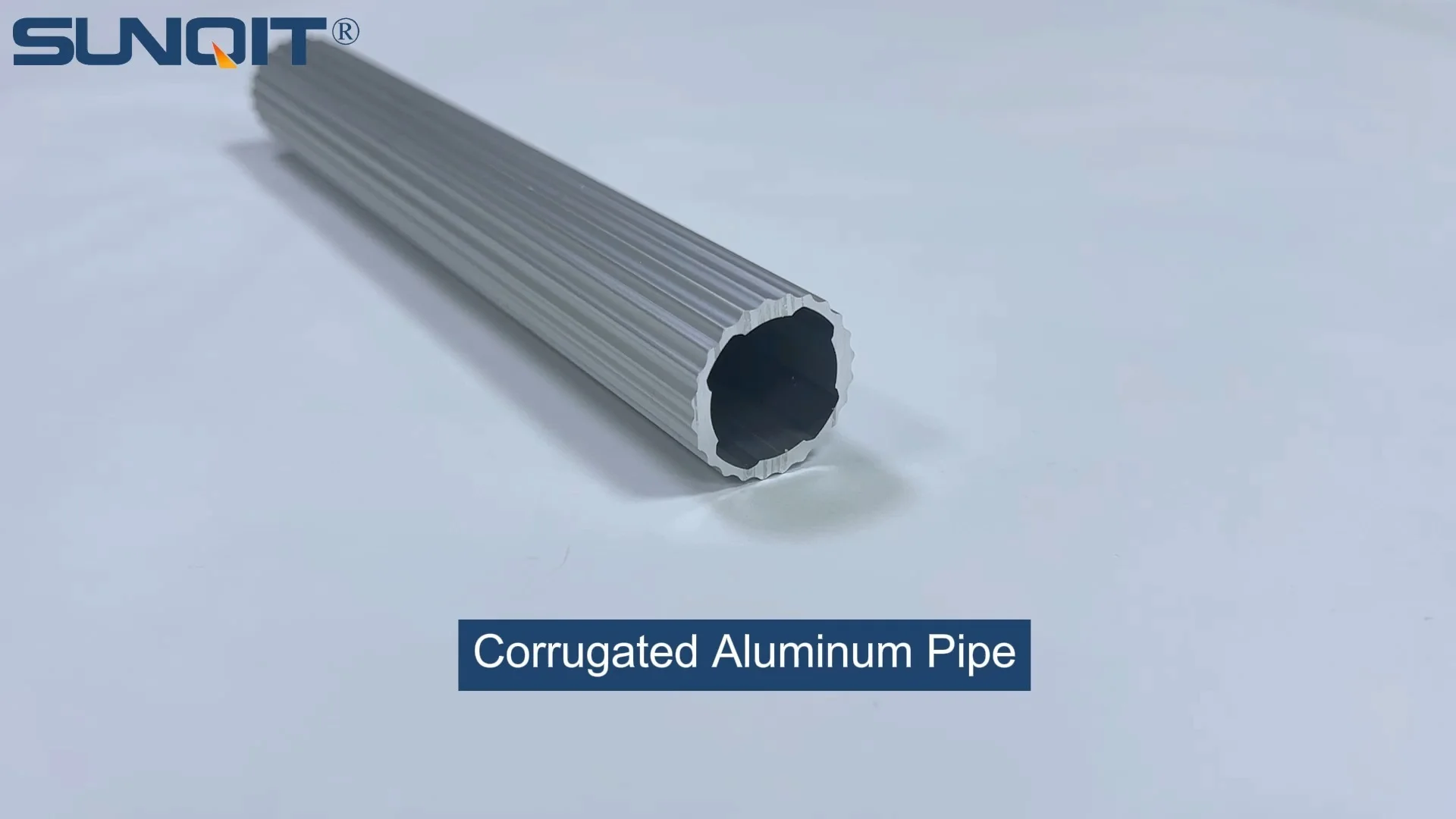
Product Description The slot side is 10mm which can work with a T sliding block for connection accessories Quick Detail Product name Corrugated Aluminum pipe model GLT28-T-3010A Material Science 6005-T6 thickness 1.7mm surface treatment anodic oxidat
It's a typical Monday morning in a bustling e-commerce warehouse. Pallets are stacked to the ceiling, order pickers weave through aisles with handheld scanners, and the hum of conveyor belts fills the air. But beneath the chaos, there's a silent challenge: keeping up with shifting demand. One week, it's holiday rush orders; the next, a new product line with bulkier packaging arrives. Fixed steel racks creak under the strain, plastic-coated pipes bend when overloaded, and reconfiguring workstations takes a team of workers an entire day. Sound familiar? For warehouse managers, adaptability isn't just a goal—it's the lifeline of efficient logistics. And in this quest for flexibility, one material has emerged as a quiet hero: corrugated aluminum pipe.
What Is Corrugated Aluminum Pipe, Anyway?
Let's start with the basics. Corrugated aluminum pipe is exactly what it sounds like: aluminum tubing engineered with a series of ridges (corrugations) along its length. Unlike smooth aluminum pipes, the corrugated design isn't just for show—it's a masterclass in functional engineering. Created through aluminum extrusion, the process of forcing heated aluminum through a die to shape it, these pipes are lightweight yet surprisingly strong. Think of it as the industrial equivalent of a cardboard box: the ridges distribute weight evenly, preventing bending or warping under pressure, while the aluminum itself brings corrosion resistance, durability, and a sleek, modern finish.
Initially developed for heavy-duty industrial applications, corrugated aluminum pipe has found its sweet spot in warehousing and logistics. Why? Because warehouses thrive on systems that can keep up with change—and this pipe was built for adaptability. Pair it with the right aluminum profile accessories, and you've got a modular toolkit that can transform from a flow rack one month to a workbench the next, all without welding, heavy tools, or permanent modifications.
Why Warehouses Are Ditching Old Materials for Corrugated Aluminum
To understand why corrugated aluminum pipe is taking over warehouses, let's compare it to the usual suspects: stainless steel pipe, plastic-coated lean pipe, and even traditional aluminum profile. We'll break it down in a quick table—no jargon, just the facts that matter to your bottom line.
| Material | Weight (Per Meter) | Durability | Corrosion Resistance | Assembly Ease |
|---|---|---|---|---|
| Corrugated Aluminum Pipe | 2.1 kg | High (corrugation resists bending) | Excellent (no rust, suitable for humid areas) | Easy (works with aluminum profile accessories; no welding) |
| Stainless Steel Pipe | 4.5 kg | Very High | Excellent | Difficult (heavy; requires tools for cutting/assembly) |
| Plastic-Coated Lean Pipe | 1.8 kg | Low (coating chips; pipe bends under heavy load) | Poor (steel core rusts if coating is damaged) | Easy |
| Traditional Aluminum Profile | 2.8 kg | High (but no corrugation for extra strength) | Excellent | Moderate (requires specific T-slot accessories) |
The table tells the story: corrugated aluminum pipe hits the sweet spot between strength, weight, and ease of use. Let's dive deeper into why that matters in a warehouse.
1. Lightweight but Tough: A Warehouse Worker's Dream
Imagine a team of workers tasked with reconfiguring a flow rack to accommodate a new product size. If they're using stainless steel, each pipe feels like lifting a small dumbbell—after an hour, fatigue sets in, and mistakes happen. With corrugated aluminum pipe? Each section is light enough for one person to carry, even when fully assembled with aluminum profile accessories like joints and brackets. That cuts setup time by 50% or more, which means your team isn't stuck building racks—they're moving products, fulfilling orders, and keeping the supply chain flowing.
And don't let the weight fool you. The corrugated design adds rigidity without extra bulk. A 3-meter section can support up to 150 kg of evenly distributed weight—enough for stacks of boxes, tools, or even small machinery. We've seen warehouses use it for everything from heavy-duty material racks to overhead storage systems, and the feedback is: "It doesn't bend, even when we overload it by accident."
2. Corrosion Resistance: No More Rust, No More Headaches
Warehouses aren't always climate-controlled. Humidity, spills, and even cleaning chemicals can turn steel pipes into rust magnets, weakening joints and leaving unsightly stains on products. Corrugated aluminum pipe? It laughs off moisture. Aluminum naturally forms a protective oxide layer that prevents rust, and the corrugated surface doesn't trap water (unlike some smooth pipes, which can pool liquid in dents). We worked with a food distribution center last year that switched from steel to corrugated aluminum for their flow racks—within six months, they reported zero rust-related failures, and their produce no longer arrived with rust marks from metal shelving.
3. Modularity: Build, Break, Rebuild—No Expertise Needed
Here's where aluminum profile accessories shine. Corrugated aluminum pipe isn't just a standalone product—it's part of a system. Need to build a workbench? Grab a few pipes, some internal rotatary aluminum joints, and a wooden or aluminum honeycomb panel top. Want to turn that workbench into a mobile cart? Swap out the fixed feet for caster wheels and caster accessories. Seasonal demand spike? Disassemble the flow rack, add a few extra sections, and reassemble in under an hour.
One electronics manufacturer we with uses this flexibility to the max. They produce small components for smartphones, and their production lines change weekly based on client orders. Instead of investing in custom steel workstations for each product, they use corrugated aluminum pipe with adjustable shelves and tool hooks. "Last week, we needed a workstation for circuit board testing; this week, it's a packaging station," their operations manager told us. "We just loosen the joints, rearrange the pipes, and we're good to go. No downtime, no extra costs."

Corrugated Aluminum Pipe and the Lean System: A Match Made in Warehouse Heaven
Lean manufacturing isn't just a buzzword—it's a philosophy centered on eliminating waste, improving flow, and continuous improvement. And corrugated aluminum pipe was practically designed for lean systems. Let's break down how it supports the core pillars of lean:
Waste Reduction: Stop Overbuilding, Start Adapting
Traditional fixed racks are a classic example of "overproduction" waste—you build a rack for today's needs, and when tomorrow's needs change, that rack becomes obsolete. Corrugated aluminum pipe eliminates that. Since it's modular, you only build what you need, when you need it. If a product line is discontinued, you disassemble the rack and reuse the pipes elsewhere. We've seen warehouses reduce their storage equipment costs by 30% simply by reusing components instead of buying new ones.
Improved Flow: Smoother Material Handling with Flow Racks
Flow racks are the backbone of efficient order picking—products slide from the back to the front, ensuring first-in, first-out (FIFO) inventory management. But traditional flow racks often use heavy steel frames that make the entire system cumbersome. Corrugated aluminum pipe changes that. Pair it with roller tracks and roller track connectors, and you get a lightweight, smooth-flowing system that's easy to adjust for different product sizes.
For example, a clothing warehouse we worked with was struggling with their old steel flow racks. The racks were so heavy that they couldn't angle them properly, leading to products getting stuck. Switching to corrugated aluminum pipe frames let them adjust the incline by just a few degrees—enough to let garments glide smoothly without jamming. Picking time dropped by 15%, and errors (like sending the wrong size) decreased because workers could see and access products more easily.
Continuous Improvement: Experiment Without Risk
Lean thrives on experimentation: "What if we move this workstation closer to the packing area?" "What if we add a second level to this flow rack?" With rigid systems, testing these ideas is risky—you might waste time and money on a setup that doesn't work. With corrugated aluminum pipe, experimentation is cheap and fast. Want to test a new layout? Spend an hour reconfiguring, see if it works, and if not, put it back. No harm, no foul. This freedom to experiment leads to better processes over time—and better processes mean happier customers and higher profits.
Beyond the Basics: Creative Uses for Corrugated Aluminum Pipe
We've talked about flow racks and workbenches, but the real beauty of corrugated aluminum pipe is its versatility. Here are a few creative ways warehouses are using it to solve unique problems:
Turnover Trolleys with a Twist
Turnover trolleys are essential for moving products between departments, but traditional steel trolleys are heavy and hard to maneuver. Corrugated aluminum pipe trolleys? Light enough for one person to push, even when loaded with 200 kg of goods. Add swivel caster wheels and you've got a trolley that glides around tight corners and narrow aisles. One automotive parts warehouse uses these trolleys to move heavy engine components—their workers no longer complain about back strain, and trolley-related accidents have dropped to zero.
ESD Workstations for Sensitive Electronics
Electronics warehouses need ESD (electrostatic discharge) protection to prevent static from damaging circuit boards and chips. Corrugated aluminum pipe is naturally conductive, making it easy to ground. Pair it with an ESD workbench top and ESD caster wheels, and you've got a workstation that keeps sensitive components safe. A semiconductor manufacturer we with replaced their plastic workbenches with these aluminum setups and saw a 40% reduction in static-related product failures.
Overhead Storage Racks: Free Up Floor Space
Floor space is gold in a warehouse. Corrugated aluminum pipe's strength-to-weight ratio makes it perfect for overhead storage racks. Mounted to the ceiling with heavy-duty brackets, these racks hold seasonal inventory, rarely used tools, or bulky items, freeing up floor space for active operations. A furniture warehouse used this trick to store off-season patio sets—they doubled their available floor space and could take on more orders during peak season.
Choosing the Right Accessories: The Key to Unlocking Potential
Corrugated aluminum pipe is only as good as the accessories you pair with it. Aluminum profile accessories like joints, brackets, and connectors turn pipes into functional systems. Here are the must-haves:
- Internal Rotatary Aluminum Joints: These allow pipes to pivot 360 degrees, making it easy to create angled structures like workbench corners or sloped flow racks.
- Roller Track Connectors: Attach roller tracks to corrugated aluminum frames for smooth product flow in flow racks.
- Caster Wheels and Accessories: Add mobility to workbenches, trolleys, and racks with swivel or fixed casters—look for ESD options if you work with electronics.
- Aluminum Honeycomb Panels: Lightweight, strong, and flat—perfect for workbench tops or shelving surfaces.
- End Caps: Protect pipe ends from sharp edges and prevent dust buildup inside the pipes.
The best part? Most accessories are universal, meaning you can mix and match from different suppliers. This flexibility ensures you're never locked into a single brand—and you can always add new components as your needs evolve.
The Bottom Line: Is Corrugated Aluminum Pipe Right for Your Warehouse?
If your warehouse struggles with any of these—rigid, hard-to-reconfigure systems; heavy equipment that slows down workers; rusty racks that damage products; or wasted space—then corrugated aluminum pipe is worth a look. It's not a magic bullet, but it's a tool that empowers your team to work smarter, not harder.
And don't just take our word for it. Talk to other warehouse managers who've made the switch. We've yet to meet one who regrets it. As one put it: "It's like upgrading from a flip phone to a smartphone—you wonder how you ever worked without it."
So, the next time you're staring at a warehouse layout that feels stuck in the past, remember: corrugated aluminum pipe isn't just metal. It's a way to build a warehouse that adapts, grows, and thrives in a world where change is the only constant. And in logistics, that's the difference between falling behind and leading the pack.