- Company Articles
- Products and Technology
- Installation And Maintenance
- Corrugated Aluminum Pipe Maintenance Schedule: Prolonging Service Life

Corrugated Aluminum Pipe Maintenance Schedule: Prolonging Service Life
Related Product
Corrugated Aluminum Pipe
Product Description The slot side is 10mm which can work with a T sliding block for connection accessories Quick Detail Product name Corrugated Aluminum pipe model GLT28-T-3010A Material Science 6005-T6 thickness 1.7mm surface treatment anodic oxidat
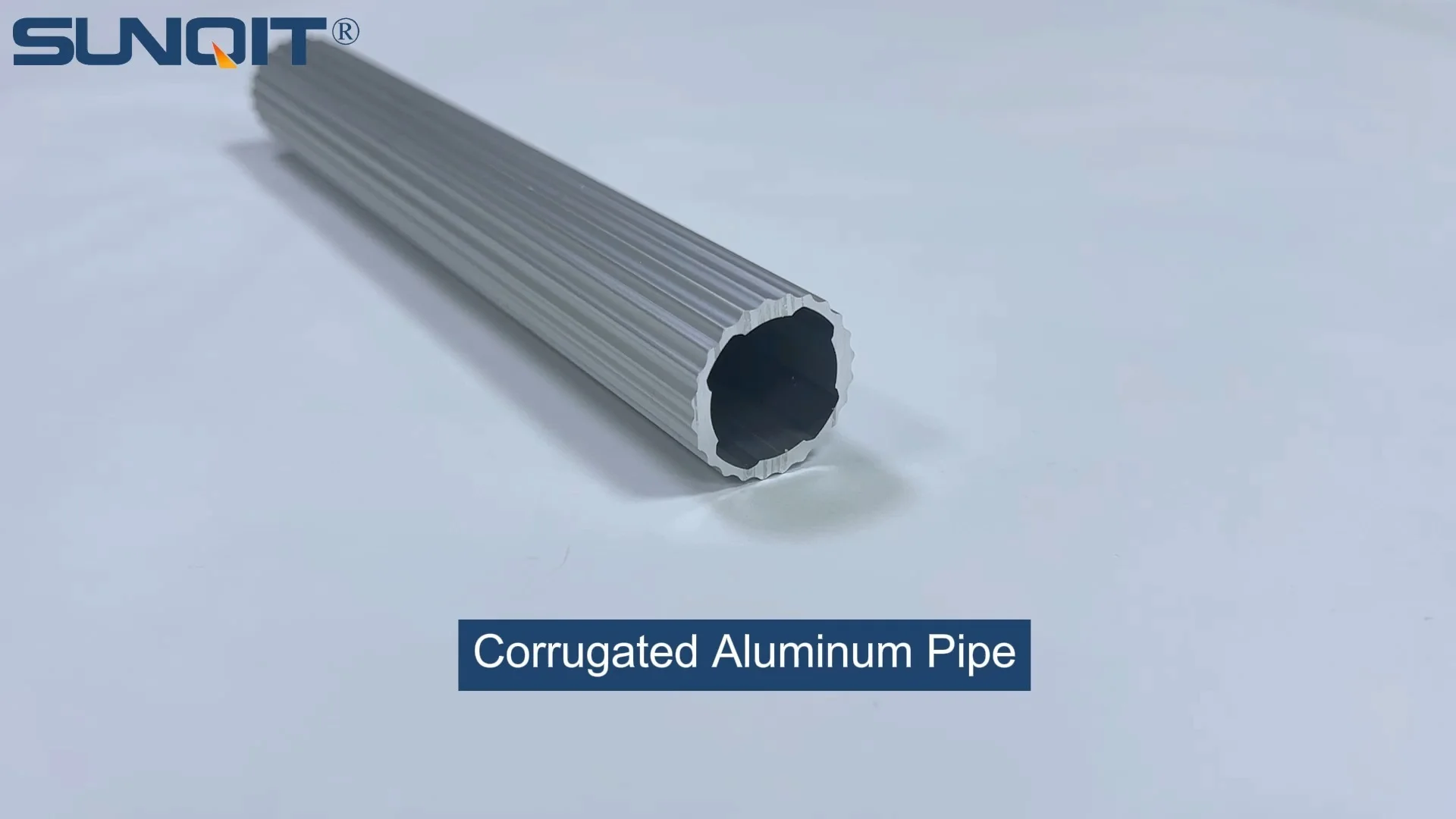
Think of your corrugated aluminum pipes as the unsung heroes of your workspace. They quietly carry materials, support conveyor systems, and keep your lean manufacturing setup running like a well-oiled machine. But like any hero, they need a little care to keep saving the day. Let's dive into a maintenance routine that'll keep these pipes strong, reliable, and ready for action—because a smooth operation starts with the details.
What Makes Corrugated Aluminum Pipe So Special?
First, let's get to know the star of the show. Corrugated aluminum pipe is a workhorse in factories, warehouses, and production lines, and for good reason. Its wavy, ridged design isn't just for looks—it adds flexibility while keeping the pipe strong enough to handle daily wear and tear. Aluminum, as a material, is a standout too: it's lightweight (so it won't bog down your structures), resistant to rust (perfect for humid or messy environments), and durable enough to last years with proper care.
These pipes often start as aluminum extrusion profile —a process where aluminum is pushed through a die to create consistent, strong shapes. That extrusion process is why your corrugated pipes have such uniform ridges and reliable strength. And they rarely work alone: they're usually paired with aluminum pipe accessories like joints, clamps, and brackets to form everything from conveyor rails to material racks. Together, they're the backbone of efficient, lean operations.
Why Bother with Maintenance? (Hint: It's Not Just About Fixing Things)
Let's get real: no one loves spending time on maintenance. But here's the truth: skipping it costs way more in the long run. Imagine this: It's Monday morning, and your production line is supposed to crank out 500 units. But halfway through the day, a corrugated pipe in the conveyor system jams. Why? A tiny piece of debris got stuck in its ridges, and over time, it wore down the aluminum pipe accessories holding it in place. Now you're looking at downtime, missed deadlines, and a frustrated team.
Maintenance isn't just about fixing problems—it's about preventing them. A well-maintained corrugated aluminum pipe system:
- Saves money: Replacing a pipe costs 5-10x more than maintaining it.
- Boosts safety: Loose joints or damaged pipes can lead to accidents (no one wants that).
- Keeps workflows smooth: No unexpected jams mean your team stays focused and productive.
Pro Tip:
A study by the Manufacturing Institute found that facilities with regular maintenance routines reduce equipment downtime by up to 35%. Small habits = big results.

The Core Maintenance Schedule: Your Pipe's Calendar
Maintenance doesn't have to be overwhelming. Think of it like caring for a car: a little check-up here, a quick clean there, and it runs like new for years. Below is a simple schedule to follow, broken down by frequency. Stick to it, and your corrugated aluminum pipes will thank you.
| Frequency | Key Tasks | Tools Needed | Notes |
|---|---|---|---|
| Daily |
• Visual inspection for debris in corrugations
• Check for loose aluminum pipe accessories (joints, clamps) • Ensure pipes are aligned with conveyor/rack systems |
Flashlight, gloves | Spend 5 minutes at the start/end of shifts—quick wins here prevent big issues later. |
| Weekly |
• Clean corrugated surfaces with mild soap and water
• Tighten any loose bolts/nuts on accessories • Inspect for small dents or scratches (especially in high-traffic areas) |
Soft brush, microfiber cloth, wrench set | Avoid harsh cleaners (bleach, ammonia) — they eat away at aluminum's protective layer. |
| Monthly |
• Check for corrosion (white/gray spots on aluminum)
• Lubricate moving parts (e.g., joints, rollers if attached) • Test load capacity (gently apply pressure to ensure pipes don't bend) |
Aluminum-safe lubricant, baking soda (for minor corrosion), level tool | Corrosion loves moisture! If your facility is humid, check pipes near water sources extra carefully. |
| Quarterly |
• Deep clean corrugations with a pipe brush (to reach hidden debris)
• Inspect aluminum extrusion profile for cracks or weak points • replace worn accessories (e.g., cracked joints, stripped bolts) |
Pipe brush, screwdriver set, replacement accessories | Set a calendar reminder—quarterly checks are easy to forget, but they're critical for long-term health. |
| Annually |
• Full system audit (work with your
aluminum profile
supplier if needed)
• replace pipes with severe wear (even well-maintained pipes need retiring eventually) • update accessories to match any new system upgrades |
Supplier contact info, measuring tape, load-testing equipment | Think of this as a "physical" for your pipes. It's the best way to catch issues you might have missed. |
Step-by-Step: How to Actually Do the Maintenance
Daily Visual Inspection: The "Scan and Spot" Method
Start with the basics. Walk along your corrugated aluminum pipe system with a flashlight (even in well-lit areas, shadows hide debris). Look for:
- Dirt, dust, or small parts (like screws) stuck in the corrugated grooves. These act like sandpaper, wearing down the pipe over time.
- Loose or wobbly aluminum pipe accessories . Gently tug on joints and clamps—if they move, they need tightening.
- Misalignment: Pipes should sit flush with racks or conveyors. A crooked pipe can cause materials to jam or slip.
Pro move: Take a quick photo of your system when it's new. Compare it during inspections to spot changes (e.g., a pipe that's started to bend).
Weekly Cleaning: Give Your Pipes a Bath
Aluminum loves being clean—but it's picky about how you do it. Here's the step-by-step:
- Power down first! If the pipes are part of a conveyor or machine, turn it off. Safety first, always.
- Use a soft-bristle brush to sweep debris from the corrugations. Those tiny ridges trap everything from dust to metal shavings—get in there!
- Mix warm water with a mild dish soap (Dawn works great) in a bucket. Dip a microfiber cloth in the soapy water and wipe down the pipe surface.
- Rinse with clean water and dry immediately with a towel. Aluminum dries fast, but standing water can lead to spots (especially in humid areas).
- Tighten any loose accessories with a wrench. A ¼-turn is usually enough—over-tightening can strip threads.
Monthly Corrosion Check: Keep the Rust Away
Aluminum is corrosion-resistant, but it's not invincible. Moisture, chemicals, or salt (if you're near the coast) can cause "white rust" (a powdery, white substance). Here's how to handle it:
- Spot test: Mix 2 tbsp of baking soda with 1 tbsp of water to make a paste. Apply it to a small, hidden area of the pipe. Let it sit for 5 minutes, then wipe off. If the paste turns gray, there's corrosion.
- For minor corrosion: Use the baking soda paste and a soft cloth to gently scrub the spot. Rinse and dry. This neutralizes the corrosion and stops it from spreading.
- For severe cases: Use an aluminum-specific cleaner (check with your aluminum profile supplier for recommendations). Avoid steel wool or abrasive pads—they scratch the aluminum's protective layer.
Quarterly Deep Clean & Accessory Check: The "Under the Hood" Work
Every three months, it's time to get into the details. Grab a pipe brush (the kind with long, flexible bristles) and scrub the corrugated grooves—this removes built-up grime that daily/weekly cleaning misses. Then, inspect every aluminum pipe accessory :
- Joints: Look for cracks or stripped threads. If a joint wobbles even after tightening, replace it.
- Clamps: Check for bent or cracked edges. A clamp that can't grip properly is useless.
- Brackets: Ensure they're securely attached to walls or racks. Loose brackets put extra stress on the pipe.
replace any worn accessories immediately. It's better to spend $10 on a new joint now than $200 on a new pipe later.
Working with Aluminum Pipe Accessories: Your Pipe's Sidekicks
Your corrugated aluminum pipe is only as strong as the accessories holding it together. Aluminum pipe accessories —joints, clamps, brackets—are the unsung heroes of the system. Here's how to keep them in top shape:
Joints: The "Glue" of the System
Joints connect pipes to each other and to racks/conveyors. Over time, vibration (from machinery) can loosen them. During weekly checks, use a wrench to tighten them—just enough to eliminate wobble. If a joint has stripped threads (you turn the bolt and it spins), replace it ASAP. Stripped threads can't hold tension, and that's a recipe for a pipe that comes loose mid-operation.
Clamps: The "Grip" You Need
Clamps keep pipes fixed to surfaces (like workbenches or walls). Check for signs of bending or cracking—aluminum clamps are strong, but they can warp if over-tightened. If a clamp leaves a permanent indent in the pipe, it's too tight. Loosen it slightly and add a rubber washer (this protects both the clamp and the pipe).
Pro Tip: Buy Spare Accessories
Keep a small stock of common aluminum pipe accessories (joints, bolts, clamps) in your tool closet. When you notice a worn part, you can replace it immediately instead of waiting for a supplier order. Trust us—your future self (and your team) will thank you.
Troubleshooting: When Things Go Wrong (and How to Fix Them Fast)
Even with great maintenance, issues can pop up. Here's how to handle the most common problems:
Problem 1: Corrosion (White/Gray Spots)
Cause:
Exposure to moisture, chemicals, or salt.
Fix:
For light corrosion, use the baking soda paste method (see Monthly Maintenance). For heavy corrosion (pitting or holes), replace the pipe. Corrosion weakens the
aluminum extrusion profile
, making it unsafe to use.
Problem 2: Dents or Bends
Cause:
Dropped tools, heavy impacts, or overloading.
Fix:
Small dents (less than ¼ inch deep) can be gently pushed out with a rubber mallet (cover the pipe with a cloth to avoid scratches). Large dents or bends mean the pipe's structural integrity is compromised—replace it.
Problem 3: Jammed Conveyor (Because of Pipe Issues)
Cause:
Misaligned pipes or debris in corrugations blocking materials.
Fix:
Power down the conveyor, remove the debris, and realign the pipe using a level. Tighten any loose accessories holding it in place. If jams happen often, check if the pipe is worn—sometimes a new pipe is the quickest fix.
Long-Term Care: Storing Spare Pipes (Yes, It Matters)
Maybe you've got extra corrugated aluminum pipes in storage for emergencies. How you store them affects how well they work when you need them. Follow these rules:
- Keep them dry: Moisture leads to corrosion. Store pipes in a climate-controlled area or use a dehumidifier if your storage room is damp.
- Avoid stacking heavy items on them: Pipes are strong, but constant pressure can bend the aluminum extrusion profile .
- Cover them: Use a breathable cloth (like a bedsheet) to keep dust off. Plastic bags trap moisture—bad idea.
- Label them: Note the length, diameter, and date of purchase. You don't want to dig through a pile to find the right size.
Final Thoughts: Maintenance as a Habit, Not a Chore
Caring for your corrugated aluminum pipes isn't about spending hours on tedious tasks—it's about building small, consistent habits. A 5-minute daily check, a weekly wipe-down, and quarterly deep clean will keep your system running smoothly for years. And when it does, you'll notice the difference: less stress, more productivity, and a workspace that feels like it's working with your team, not against them.
Remember: Your pipes are an investment. Treat them well, and they'll pay you back in reliability, safety, and peace of mind. Now go grab that flashlight and start your first inspection—your future self will high-five you.