- Company Articles
- Products and Technology
- Installation And Maintenance
- Corrugated Aluminum Pipe Maintenance: Tips for Long-Term Durability

Corrugated Aluminum Pipe Maintenance: Tips for Long-Term Durability
Related Product
Corrugated Aluminum Pipe
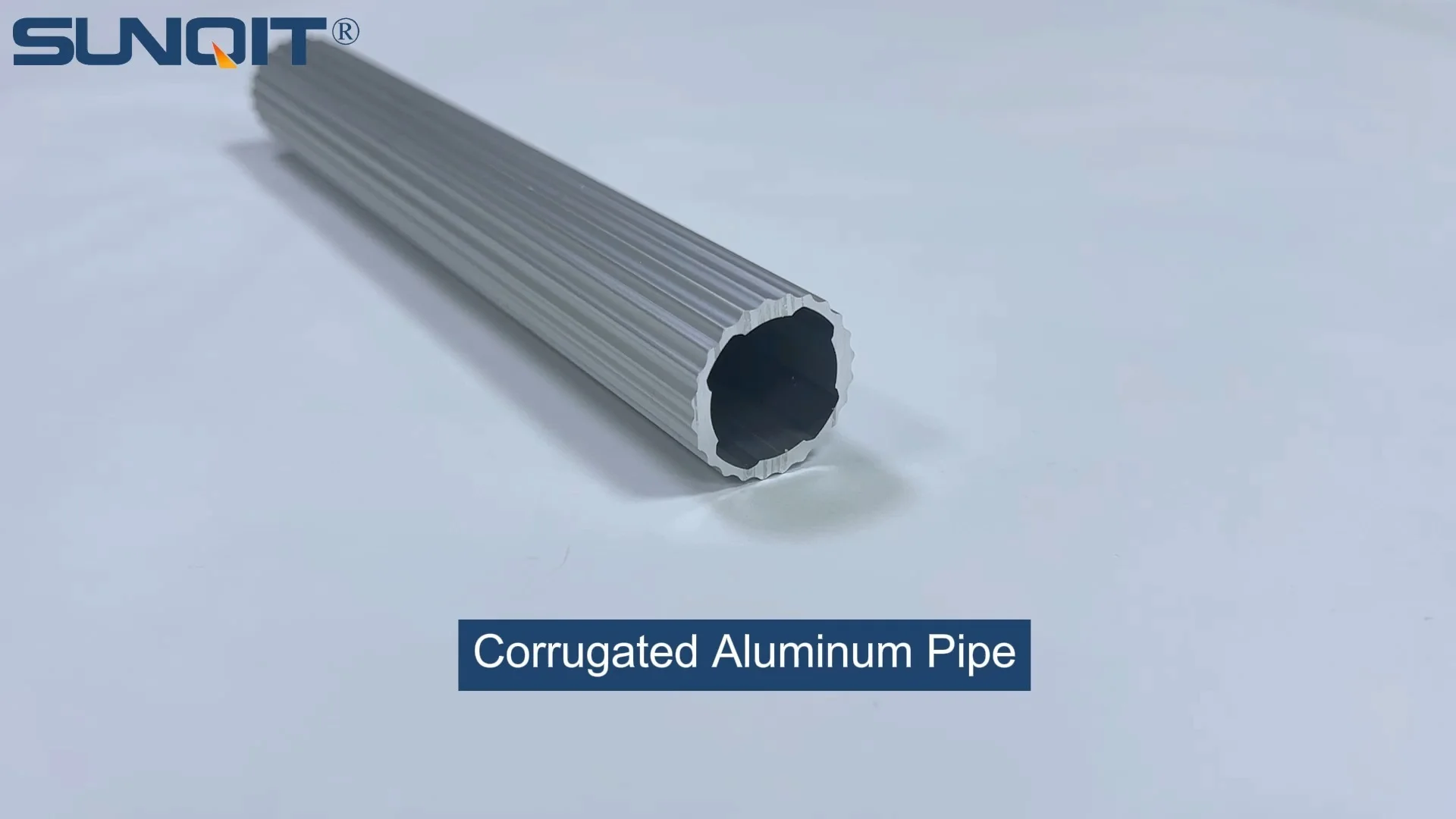
Product Description The slot side is 10mm which can work with a T sliding block for connection accessories Quick Detail Product name Corrugated Aluminum pipe model GLT28-T-3010A Material Science 6005-T6 thickness 1.7mm surface treatment anodic oxidat
If you've ever walked through a busy warehouse, peeked behind the scenes of a manufacturing plant, or even taken a close look at the infrastructure of a modern logistics center, you've probably encountered corrugated aluminum pipes. These unassuming yet critical components are the unsung heroes of efficient operations—they carry materials, guide products along assembly lines, and support everything from lightweight packages to heavy machinery. But like any hardworking tool, they need a little TLC to keep performing at their best. In this guide, we're diving deep into the world of corrugated aluminum pipe maintenance, sharing practical, actionable tips to ensure your pipes stand the test of time, reduce downtime, and keep your workflow running smoothly.
Understanding Corrugated Aluminum Pipes: More Than Just Metal Tubes
Before we jump into maintenance, let's take a moment to appreciate what makes corrugated aluminum pipes so special. Unlike smooth pipes, their wave-like "corrugated" design isn't just for aesthetics—it's engineered for strength and flexibility. The ridges add structural integrity, allowing the pipes to withstand bending, impacts, and heavy loads without cracking. Aluminum, as a material, brings its own set of advantages: it's lightweight, resistant to rust, and conducts heat well (making it ideal for temperature-sensitive environments). When you combine that with the corrugated structure, you get a pipe that's both durable and adaptable, perfect for everything from material handling systems to protective railings.
But here's the thing: even the sturdiest materials have their limits. Scratches, dents, loose connections, and everyday wear can chip away at their performance over time. That's why maintenance isn't just about fixing problems—it's about preventing them. Think of it like caring for a car: regular oil changes and tune-ups keep it running longer than waiting until the engine sputters. The same logic applies here.
Daily Inspection: Your First Line of Defense
The key to long-term durability starts with daily checks. You don't need to be an engineer to do this—just a keen eye and a few minutes of your time. Let's break it down into simple steps:
1. Visual Checks: Look for the Obvious (and the Not-So-Obvious)
Start by walking along the length of your corrugated aluminum pipes. What are you looking for? Dents, especially deep ones that might weaken the structure. Scratches or abrasions, which can expose the aluminum to moisture and lead to corrosion. Bent or misshapen ridges—remember, those corrugations are there for strength, so any deformation could compromise the pipe's ability to handle weight. Also, check the connections: are the pipes securely attached to their supports? Loose joints are a common culprit for jams and breakdowns.
Don't forget to inspect the ends of the pipes, too. Over time, repeated contact with materials or equipment can cause wear, and if the ends are frayed or cracked, they might snag on products passing through. A quick once-over each morning can catch these issues before they escalate.
2. The "Touch Test": Feel for Irregularities
Sometimes, what you can't see, you can feel. Run your hand gently along the surface of the pipe (with gloves, if the area is greasy or sharp). Do you notice any rough spots? A sudden bump where there should be a smooth ridge? These could be signs of hidden damage, like a hairline crack or a loose aluminum pipe clamp that's starting to dig into the metal. Pay extra attention to areas where the pipe bends or connects to other components—these stress points are more prone to wear.
Pro Tip:
Keep a small notebook or a digital checklist handy to jot down what you find during inspections. Over time, this log will help you spot patterns (e.g., "the pipe near the loading dock always gets dented on Mondays") and address root causes, not just symptoms.

Cleaning: Keeping Your Pipes Free from Gunk and Grime
Corrugated aluminum pipes are magnets for dirt, dust, grease, and even stray bits of packaging material. While a little debris might seem harmless, it can quickly turn into a big problem. Built-up grime adds friction, slowing down product flow. Grease can attract more dirt, creating a sticky mess that's hard to clean. And in extreme cases, debris can block the pipe entirely, bringing your operation to a halt. Let's talk about how to clean your pipes effectively, without damaging them.
1. Regular Dusting: The "Quick Win" of Maintenance
For most environments, a weekly dusting is all you need to prevent buildup. Grab a soft-bristled brush (a paintbrush or a clean broom works) and gently sweep along the corrugations. The goal is to dislodge loose dirt and dust before it settles into the ridges. For hard-to-reach areas—like the space between tightly packed pipes—use a can of compressed air (the kind used for cleaning keyboards) to blow out debris. Avoid using stiff brushes or wire wool, though—these can scratch the aluminum's protective coating, making it more vulnerable to corrosion.
2. Deep Cleaning: When Grease and Grime Take Over
Every few months (or more often if your pipes are in a greasy environment, like a food processing plant), it's time for a deep clean. Start by wiping down the pipes with a damp cloth and a mild detergent—think dish soap mixed with warm water. Avoid harsh chemicals like bleach or ammonia, which can eat away at the aluminum. For stubborn grease spots, a solution of baking soda and water (mixed into a paste) works wonders: apply it, let it sit for 10 minutes, then wipe it off with a damp cloth.
If your pipes are extra dirty, you can use a soft sponge or a microfiber cloth, but again, skip the scouring pads. Rinse thoroughly with clean water to remove any soap residue, then dry with a lint-free towel. Moisture left on aluminum can lead to oxidation (that white, powdery film), so make sure the pipes are completely dry before putting them back into use.
3. Special Care for Food-Grade or Sensitive Environments
If your corrugated aluminum pipes are used in industries like food processing or pharmaceuticals, you'll need to step up your cleaning game. In these cases, use only food-safe cleaners (look for products labeled "NSF-approved") and sanitize the pipes after cleaning. A 1:10 solution of white vinegar and water is a natural, cost-effective sanitizer—just spray it on, let it sit for 5 minutes, then rinse and dry. Always check with your industry's regulations to ensure compliance, as some environments have strict guidelines for cleaning agents.
Handling Minor Damages: Fixing Small Issues Before They Grow
Even with the best care, accidents happen. A forklift bumps into a pipe, a heavy crate slides into it, or a sharp edge scrapes the surface. The good news? Most minor damages can be fixed quickly with the right tools and a little know-how. Let's cover the most common issues and how to tackle them.
1. Dents: When the Pipe Loses Its Shape
Small dents (less than ½ inch deep) in corrugated aluminum pipes are usually cosmetic and don't affect performance. But if the dent is deep enough to flatten a ridge or block the pipe's interior, it's time to act. For shallow dents, try using a rubber mallet to gently tap the area back into shape. Place a block of wood over the dent first to distribute the force and avoid further damage. If the dent is on the inside of a curve, use a plunger (yes, the kind from your bathroom!) to create suction and pull the metal back out. For deeper dents, you may need to use a dent repair kit designed for aluminum—these typically include a set of rods with hooks that you insert into the pipe to push or pull the dent out.
2. Scratches and Abrasions: Protecting the Aluminum's Skin
Scratches are inevitable, but they don't have to lead to corrosion. First, clean the scratch with soap and water, then dry it thoroughly. If the scratch is shallow (you can't feel it with your fingernail), apply a thin layer of clear acrylic sealant or aluminum polish to seal the area and prevent moisture from seeping in. For deeper scratches, use a fine-grit sandpaper (400-grit or higher) to gently sand the edges of the scratch, blending it into the surrounding area. Wipe away the dust, then apply the sealant. This won't make the scratch disappear, but it will stop it from getting worse.
3. Loose Connections: Tightening Up with Aluminum Pipe Clamps
One of the most common issues with corrugated aluminum pipes is loose connections. Over time, vibrations from machinery or constant use can loosen the aluminum pipe clamps that hold the pipes in place. A loose clamp isn't just a nuisance—it can cause the pipe to shift, leading to misalignment, jams, or even a complete detachment. To fix this, inspect all clamps during your daily checks. If a clamp is loose, tighten it with a screwdriver or wrench (be careful not to overtighten—aluminum is soft and can strip easily). If the clamp is bent, cracked, or worn, replace it immediately with a new one. Investing in high-quality aluminum pipe clamps (look for ones with rubberized liners to prevent slipping) is worth the extra cost—they'll hold tighter and last longer.
Preventing Corrosion: Keeping Aluminum Shiny and Strong
Aluminum is naturally resistant to corrosion, thanks to a thin layer of oxide that forms on its surface when exposed to air. This layer acts as a shield, protecting the metal from moisture and chemicals. But even this shield can be damaged—by scratches, harsh cleaners, or prolonged exposure to saltwater (in coastal areas) or acidic environments. Here's how to keep corrosion at bay:
1. Keep Pipes Dry: Moisture is the Enemy
We mentioned this earlier, but it's worth repeating: moisture is aluminum's biggest foe. After cleaning, dry pipes thoroughly. If your workspace is humid, consider installing a dehumidifier near the pipes. For outdoor or damp areas, make sure the pipes are elevated off the ground (use concrete blocks or metal stands) to prevent them from sitting in puddles. You can also apply a thin coat of car wax to the pipes—this adds an extra layer of protection against water and grime (just make sure the pipes are clean and dry before waxing).
2. Use Aluminum Profile Rubber Strips for Sealing
Where corrugated aluminum pipes connect to other components (like aluminum profile frames or conveyor systems), gaps can let in moisture, dust, and debris. This is where aluminum profile rubber strips come in handy. These flexible, weather-resistant strips fit snugly into the joints, creating a tight seal that keeps out the elements. They also reduce friction between metal surfaces, preventing scratches and wear. When installing rubber strips, make sure they're the right size for your pipes and profiles—too loose, and they won't seal; too tight, and they'll tear. replace them if they become cracked, brittle, or lose their elasticity.
3. Address Oxidation Early: Nipping Rust in the Bud
If you do notice oxidation (that white, powdery substance on the surface), don't panic—it's not rust (aluminum doesn't rust), but it is a sign that the protective oxide layer has been compromised. To remove it, mix equal parts white vinegar and water, apply it to the affected area with a cloth, and let it sit for 15 minutes. Scrub gently with a soft brush, then rinse and dry. Once clean, apply a coat of aluminum sealant to restore the protective layer.
Proper Installation: Setting Your Pipes Up for Success
Maintenance starts before the first product even touches the pipe. Proper installation is critical for long-term durability—if pipes are installed incorrectly, they'll wear out faster, require more repairs, and pose safety risks. Here's what to keep in mind:
1. Choose the Right Aluminum Profile for Support
Corrugated aluminum pipes need sturdy support to handle the weight of materials and resist bending. That's where aluminum profile frames come in. These lightweight yet strong structures provide a stable base for the pipes, distributing weight evenly and reducing stress on individual sections. When selecting profiles, match their load capacity to the weight of the materials your pipes will carry. For example, a pipe used to transport small electronic components will need a lighter profile than one carrying heavy automotive parts. Consult the manufacturer's guidelines or work with a supplier to ensure you're using the right profiles for the job.
2. Secure Pipes with the Right Accessories
We've already talked about aluminum pipe clamps and aluminum profile rubber strips , but there are other accessories that can extend the life of your pipes. Aluminum pipe accessories like end caps, for example, protect the open ends of pipes from debris and prevent sharp edges from causing injuries. Corner brackets add stability to bends, reducing stress on the pipe. And adjustable mounts allow you to fine-tune the height and angle of the pipes, ensuring they align perfectly with other equipment. Don't skimp on accessories—using cheap or ill-fitting parts is a false economy that will cost you more in repairs later.
3. Leave Room for Expansion (Yes, Metal Moves!)
Aluminum expands and contracts with temperature changes. If your pipes are installed too tightly (no room to move), this thermal expansion can cause warping, cracking, or even detachment. To prevent this, use sliding clamps or leave small gaps between pipe sections. This might seem counterintuitive—after all, you want pipes to be secure—but a little flexibility goes a long way in preventing damage. If you're unsure how much space to leave, check the pipe's technical specifications or ask the manufacturer for guidance.
Long-Term Storage: Protecting Pipes When They're Not in Use
Whether you're rotating out seasonal equipment, upgrading your system, or just need to store extra pipes, proper storage is key to keeping them in good condition. Here's how to store corrugated aluminum pipes so they're ready to use when you need them:
- Clean first: Never store dirty pipes—grime can eat away at the metal over time. Give them a thorough cleaning and dry them completely before putting them away.
- Store vertically: If possible, hang pipes vertically on a rack. This prevents them from bending under their own weight and keeps the corrugations from getting crushed. If you must store them horizontally, place them on a flat, even surface (like a pallet) and support them every 3 feet to avoid sagging.
- Cover them up: Use a breathable tarp or plastic sheet to protect pipes from dust and moisture. Avoid airtight covers, which can trap humidity and cause condensation.
- Keep them off the ground: Even in a dry storage area, the ground can absorb moisture. Use pallets or metal shelves to elevate pipes at least 6 inches off the floor.
Troubleshooting Common Issues: What to Do When Pipes Misbehave
Even with perfect maintenance, you might run into problems from time to time. Here's a quick troubleshooting guide for the most common issues:
| Issue | Probable Cause | Solution |
|---|---|---|
| Products get stuck in the pipe | Debris buildup, bent corrugations, or misalignment | Clean the pipe thoroughly, straighten bent sections with a rubber mallet, and adjust alignment using mounts or clamps. |
| Pipe feels wobbly or unstable | Loose clamps, worn-out accessories, or insufficient support | Tighten clamps, replace worn parts (e.g., rubber strips, brackets), and add additional supports if needed. |
| White, powdery film on the surface | Oxidation (moisture exposure) | Clean with vinegar solution, dry thoroughly, and apply aluminum sealant or wax. |
| Pipe has a "squeaking" sound when in use | Friction between metal parts or dry accessories | Apply a small amount of silicone lubricant to moving parts (avoid oil-based lubricants, which attract dust). |
| Cracks or deep dents | Impact damage or overloading | replace the damaged section—cracks compromise structural integrity and can't be safely repaired. |
Conclusion: Invest in Maintenance, Reap the Rewards
Corrugated aluminum pipes might not be the most glamorous part of your operation, but they're essential to keeping things moving. By taking the time to inspect, clean, repair, and protect them, you're not just extending their lifespan—you're reducing downtime, improving efficiency, and ensuring a safer workplace. Remember, maintenance isn't a one-time task; it's an ongoing commitment. A few minutes each day, a deep clean each month, and a little care when installing or storing pipes can make all the difference between a system that lasts 5 years and one that serves you reliably for decades.
So, grab your checklist, gather your cleaning supplies, and give your corrugated aluminum pipes the attention they deserve. Your future self (and your bottom line) will thank you.