- Company Articles
- Products and Technology
- Procurement Guidelines
- Corrugated Aluminum Pipe Supplier Selection Guide: Key Factors to Consider

Corrugated Aluminum Pipe Supplier Selection Guide: Key Factors to Consider
Related Product
Corrugated Aluminum Pipe
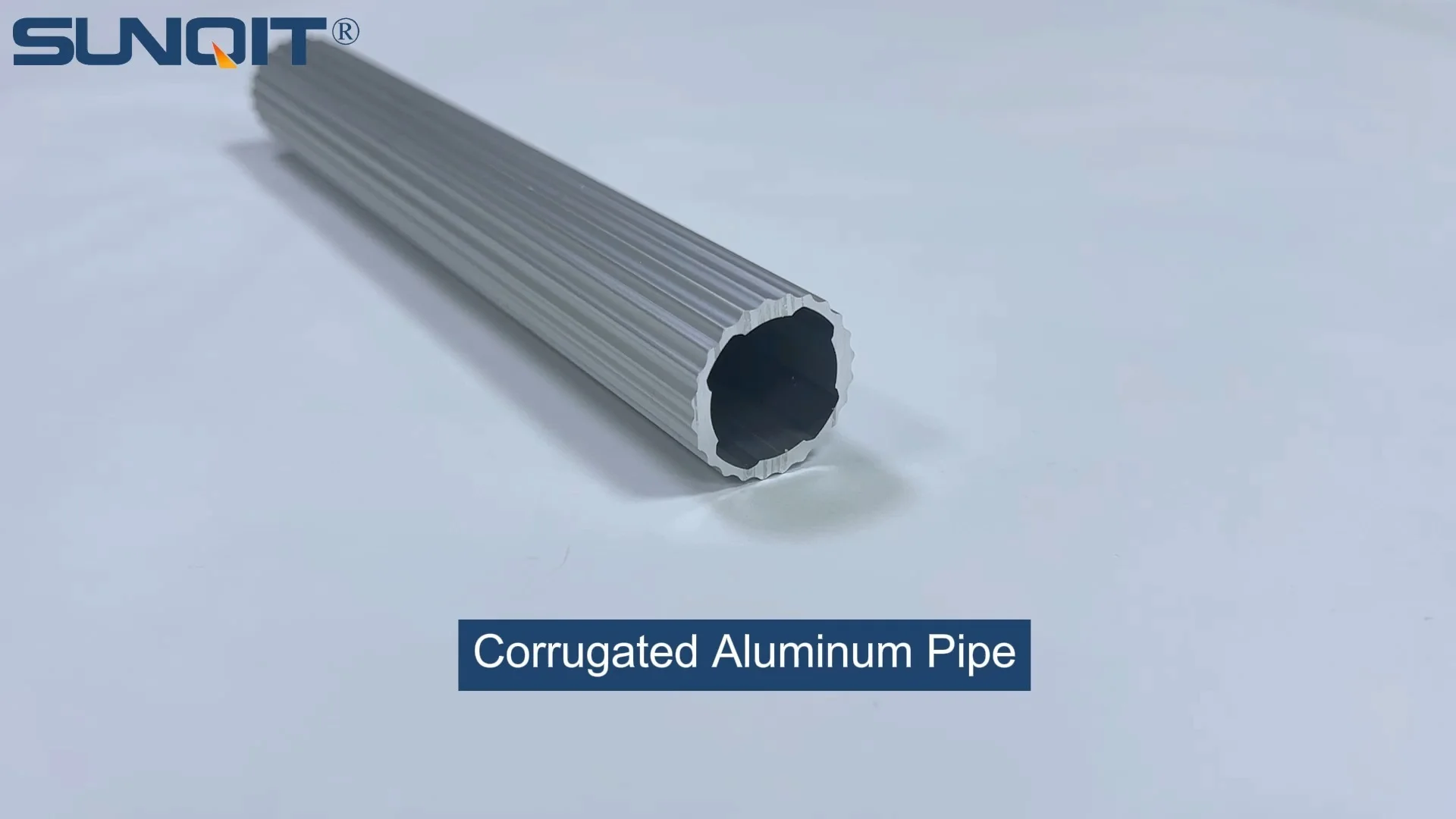
Product Description The slot side is 10mm which can work with a T sliding block for connection accessories Quick Detail Product name Corrugated Aluminum pipe model GLT28-T-3010A Material Science 6005-T6 thickness 1.7mm surface treatment anodic oxidat
Choosing the right supplier for corrugated aluminum pipe isn't just a transaction—it's a decision that ripples through your entire operation. Whether you're setting up a new manufacturing line, upgrading your logistics system, or scaling production, the quality, reliability, and support of your supplier directly impact your efficiency, costs, and long-term success. In industries where precision and durability matter—from automotive assembly to warehouse automation—settling for a subpar supplier can lead to frequent delays, unexpected expenses, or even compromised safety. That's why this guide is designed to walk you through the critical factors to consider when selecting a corrugated aluminum pipe supplier, helping you avoid common pitfalls and build a partnership that grows with your business.
Understanding Corrugated Aluminum Pipe: More Than Just a Component
Before diving into supplier selection, let's start with the basics: what makes corrugated aluminum pipe such a staple in modern manufacturing and logistics? Unlike smooth-walled pipes, corrugated aluminum pipe features a series of ridges and grooves that its structural integrity while keeping it lightweight. This unique design offers a winning combination of strength and flexibility—ideal for applications where weight reduction is critical (like conveyor systems or mobile workstations) but durability can't be sacrificed (such as material handling racks or production line frameworks).
Corrugated aluminum pipe also stands out for its resistance to corrosion, a must in environments where exposure to moisture, chemicals, or temperature fluctuations is common. Unlike steel, it won't rust, and unlike plastic, it doesn't warp under heat—making it a versatile choice across industries. Plus, its modular nature means it pairs seamlessly with aluminum profile accessories, from joints and clamps to brackets and wheels, allowing businesses to customize structures like workbenches, flow racks, or turnover trolleys with ease. In short, it's not just a pipe; it's a building block for efficient, adaptable operations.
Key Factor 1: Quality—The Foundation of Reliability
When evaluating a corrugated aluminum pipe supplier, quality should be your starting point. But what exactly does "quality" mean here? It's about more than just a shiny finish or a strong first impression—it's about consistency, material integrity, and adherence to standards. Here's how to assess it:
Material Grade and Sourcing: Start by asking about the aluminum alloy used. Most suppliers use 6000-series alloys (like 6061 or 6063) for their excellent balance of strength, weldability, and corrosion resistance. A reputable supplier will be transparent about their material sources—preferably from certified mills that provide traceability documents. Avoid suppliers who vague on details; if they can't tell you where their aluminum comes from or what grade it is, that's a red flag.
Manufacturing Processes: Corrugation isn't a one-size-fits-all process. The precision of the corrugation pattern directly affects the pipe's load-bearing capacity and flexibility. Ask about their extrusion and corrugation techniques—do they use advanced machinery to ensure uniform ridges and wall thickness? Inconsistent corrugation can lead to weak points, which might fail under stress. Request samples and inspect them closely: Are the ridges evenly spaced? Is the pipe straight, or does it have bends or warps? A quick visual check can reveal a lot about their quality control.
Testing and Certifications: Reputable suppliers invest in third-party testing to verify performance. Look for certifications like ISO 9001 (quality management) or ASTM standards (specifically ASTM B221 for aluminum extrusions). These certifications indicate that the supplier follows strict protocols for material testing, production, and inspection. Don't hesitate to ask for test reports—for example, tensile strength, yield strength, or corrosion resistance data. If a supplier can't provide this, they may be cutting corners.

Key Factor 2: Customization—Tailoring Solutions to Your Needs
No two businesses are identical, and your corrugated aluminum pipe needs are likely unique to your operation. Maybe you require pipes of a specific length to fit your assembly line, or a custom corrugation pattern to support heavier loads. Perhaps you need pre-drilled holes for easy attachment to aluminum profile accessories, or a special anodized finish to match your facility's aesthetic. Whatever your requirements, a supplier's ability to customize is often the difference between a "good enough" solution and one that truly optimizes your workflow.
Range of Customization Options: Start by outlining your must-haves. Do you need pipes cut to exact lengths? Can the supplier adjust the corrugation depth or spacing? What about surface treatments—anodizing, powder coating, or mill finish? A flexible supplier will offer a range of options without exorbitant fees or long lead times. For example, if you're building a lean system that requires pipes in non-standard sizes, a supplier that can accommodate small-batch custom orders will save you the hassle of modifying off-the-shelf products yourself.
Design Support: Great suppliers don't just fill orders—they collaborate. If you're unsure about the best corrugation pattern for your application (e.g., maximizing load capacity vs. minimizing weight), a supplier with in-house engineering expertise can guide you. They might suggest tweaks to your design that improve performance or reduce costs. For instance, a supplier specializing in lean pipe and accessories might recommend pairing corrugated pipes with specific joints to enhance stability, ensuring your structure meets safety standards without overcomplicating assembly.
Minimum Order Quantities (MOQs): Customization often comes with MOQs, but these should be reasonable. A supplier that forces you to order 100 pipes when you only need 10 isn't prioritizing your needs. Look for suppliers willing to negotiate MOQs, especially if you anticipate future orders. This flexibility is particularly valuable for small businesses or startups scaling their operations gradually.
Key Factor 3: Pricing and Value—Beyond the Initial Cost
It's tempting to fixate on the per-unit price when comparing suppliers, but the cheapest option rarely delivers the best value. A slightly higher upfront cost might save you money in the long run through better durability, faster delivery, or superior support. Here's how to evaluate pricing holistically:
Transparent Pricing Structures: Avoid suppliers with vague quotes or hidden fees (e.g., "handling charges" or "customization surcharges" that only appear on the invoice). A trustworthy supplier will provide a detailed breakdown of costs, including materials, labor, customization, and shipping. Ask about bulk discounts, long-term contracts, or loyalty programs—many suppliers offer incentives for repeat business, which can lower your total cost over time.
Total Cost of Ownership (TCO): TCO accounts for more than just the purchase price. Consider factors like: Lead times (delays cost money in lost production), Durability (how often will you need to replace worn pipes?), and Maintenance (does the pipe require special care, like regular cleaning or lubrication?). For example, a low-cost pipe might corrode quickly in a humid environment, leading to frequent replacements. A higher-quality, corrosion-resistant option might cost 10% more upfront but last 3x longer—making it the better value.
Payment Terms: Flexible payment terms can ease cash flow strain, especially for large orders. Suppliers that offer net-30 or net-60 terms, or financing options, demonstrate they understand the challenges of business operations. Compare terms alongside pricing—sometimes a slightly higher price with favorable terms is more manageable than a rock-bottom price due upfront.
Key Factor 4: Supply Chain Reliability—Avoiding Disruptions
In today's global market, supply chain disruptions are all too common—delays at ports, material shortages, or labor issues can throw your production schedule into chaos. That's why a supplier's ability to deliver consistently, even during disruptions, is critical. When evaluating reliability, look beyond their promises and dig into their processes.
Lead Times and Inventory Management: Ask for average lead times for standard and custom orders. A supplier with well-managed inventory should be able to fulfill standard pipe orders within a week or two. For custom orders, 2–4 weeks is reasonable, depending on complexity. Be wary of suppliers that quote unrealistically short lead times—this might indicate they're overpromising to win the order, only to delay later. Also, inquire about their backup plans: Do they have multiple material suppliers? Can they reroute shipments if a port is backed up? A supplier with a redundant supply chain is less likely to leave you stranded.
Communication and Transparency: How does the supplier communicate delays? A proactive supplier will notify you at the first sign of a problem, explain the cause, and offer solutions (e.g., expedited shipping or a partial order). Avoid suppliers that go silent when issues arise—waiting days for a response while your production line sits idle is frustrating and costly. Look for suppliers with dedicated account managers who provide regular updates, even when everything is on track.
Geographic Proximity (When Relevant): While global suppliers can offer lower prices, local or regional suppliers often provide faster shipping, easier returns, and better responsiveness. If your operation relies on just-in-time (JIT) inventory, the shorter transit time from a nearby supplier might outweigh the cost savings of an overseas option. For example, a U.S.-based manufacturer might prefer a supplier in Mexico or Canada over one in Asia to reduce shipping delays and customs headaches.
Key Factor 5: Technical Support and After-Sales Service—Your Partner Beyond the Sale
A great supplier doesn't disappear once the invoice is paid. They stand behind their products and support you when questions or issues arise. Technical support and after-sales service are especially important with corrugated aluminum pipe, as improper installation or use can lead to performance issues. Here's what to look for:
Expertise and Availability: Does the supplier have a team of technical experts who can answer your questions? Whether you're troubleshooting a joint connection or need advice on load limits, you should be able to reach someone knowledgeable quickly—ideally by phone or email within 24 hours. Some suppliers even offer on-site support for complex installations, which can be invaluable if you're setting up a new system from scratch.
Warranty and Returns: A strong warranty is a sign of confidence in product quality. Most reputable suppliers offer a warranty of 1–5 years against defects in materials or workmanship. Read the fine print: Does the warranty cover labor costs for replacements? Are there exclusions (e.g., damage from improper use)? For returns, ask about their policy—do they accept unused pipes if your needs change? A flexible return policy indicates they value long-term relationships over short-term sales.
Training and Resources: The best suppliers empower you to use their products effectively. Look for resources like installation guides, load capacity charts, or video tutorials on assembling structures with their corrugated pipes and aluminum profile accessories. Some suppliers even host workshops or webinars on lean manufacturing or material handling best practices—adding value beyond the product itself.
Comparing Suppliers: A Side-by-Side Look
To put these factors into perspective, let's compare three hypothetical suppliers—Supplier A, Supplier B, and Supplier C—across key criteria. This example will help you see how different suppliers stack up and identify which aligns best with your priorities.
| Criteria | Supplier A | Supplier B | Supplier C |
|---|---|---|---|
| Material Grade | 6061 aluminum (certified, traceable) | 6063 aluminum (no traceability docs) | 6061 aluminum (certified, limited traceability) |
| Customization Options | Cut-to-length, custom corrugation, anodizing; MOQ: 10 units | Standard lengths only; no custom finishes | Cut-to-length, powder coating; MOQ: 50 units |
| Price (per 10ft pipe) | $45 (bulk discount available) | $35 (no discounts) | $40 (long-term contract discount) |
| Lead Time | Standard: 5–7 days; Custom: 14 days | Standard: 3–5 days; Custom: Not available | Standard: 7–10 days; Custom: 21 days |
| Certifications | ISO 9001, ASTM B221 | No third-party certifications | ISO 9001 |
| Technical Support | 24/7 phone/email support; on-site installation help | Email support only (response time: 48+ hours) | Weekday phone support; online guides |
| Warranty | 5 years (covers defects and labor) | 1 year (materials only) | 3 years (materials only) |
In this example, Supplier A is the most reliable choice for businesses prioritizing quality, customization, and support—though at a higher upfront cost. Supplier B is the cheapest but lacks flexibility and accountability, making them risky for critical applications. Supplier C balances quality and cost but has higher MOQs and slower lead times, better suited for large, predictable orders. Your choice depends on your priorities: If customization and support are non-negotiable, Supplier A is worth the investment. If you need standard pipes quickly and cheaply, Supplier B might work (but proceed with caution). Always weigh these factors against your specific needs.
Common Pitfalls to Avoid
Even with careful research, it's easy to fall into traps when selecting a supplier. Here are some common pitfalls to watch for:
Choosing Based on Price Alone: The lowest price might seem appealing, but it often comes with hidden costs—poor quality, long lead times, or nonexistent support. As we saw with Supplier B in the table above, cutting corners on price can cost you more in the long run.
Ignoring References: A supplier's website or sales pitch will always highlight their strengths. To get the full picture, ask for references from current customers—preferably in your industry. Reach out and ask about their experience: Were orders delivered on time? How did the supplier handle issues? Would they recommend them?
Overlooking Location and Logistics: If you're based in North America, a supplier in Asia might offer lower prices, but shipping delays, customs fees, or language barriers can turn a good deal into a nightmare. Factor in transit time and reliability when comparing global vs. local suppliers.
Assuming All "Aluminum Pipe Suppliers" Are the Same: Not all suppliers specialize in corrugated aluminum pipe. Some focus on smooth-walled pipes or other materials, meaning they might lack the expertise or equipment to produce high-quality corrugated options. Look for suppliers that list corrugated aluminum pipe as a core product, not an afterthought.
Conclusion: Building a Partnership for Success
Selecting a corrugated aluminum pipe supplier is about more than checking boxes—it's about finding a partner who understands your goals and supports your growth. By prioritizing quality, customization, reliability, and support, you'll minimize risks and position your business for long-term efficiency. Remember, the best supplier isn't necessarily the one with the lowest price or the fanciest website; it's the one that aligns with your unique needs and proves their commitment through consistent performance and open communication.
Take the time to research, ask questions, and test samples. Request references and compare offerings side by side, as we did in the table above. By approaching supplier selection with diligence and clarity, you'll not only find a great source for corrugated aluminum pipe—you'll build a relationship that helps your business thrive, today and tomorrow.