- Company Articles
- Products and Technology
- Product knowledge
- Corrugated Aluminum Pipe Surface Finish Options: Matte, Anodized, and More

Corrugated Aluminum Pipe Surface Finish Options: Matte, Anodized, and More
Related Product
Corrugated Aluminum Pipe
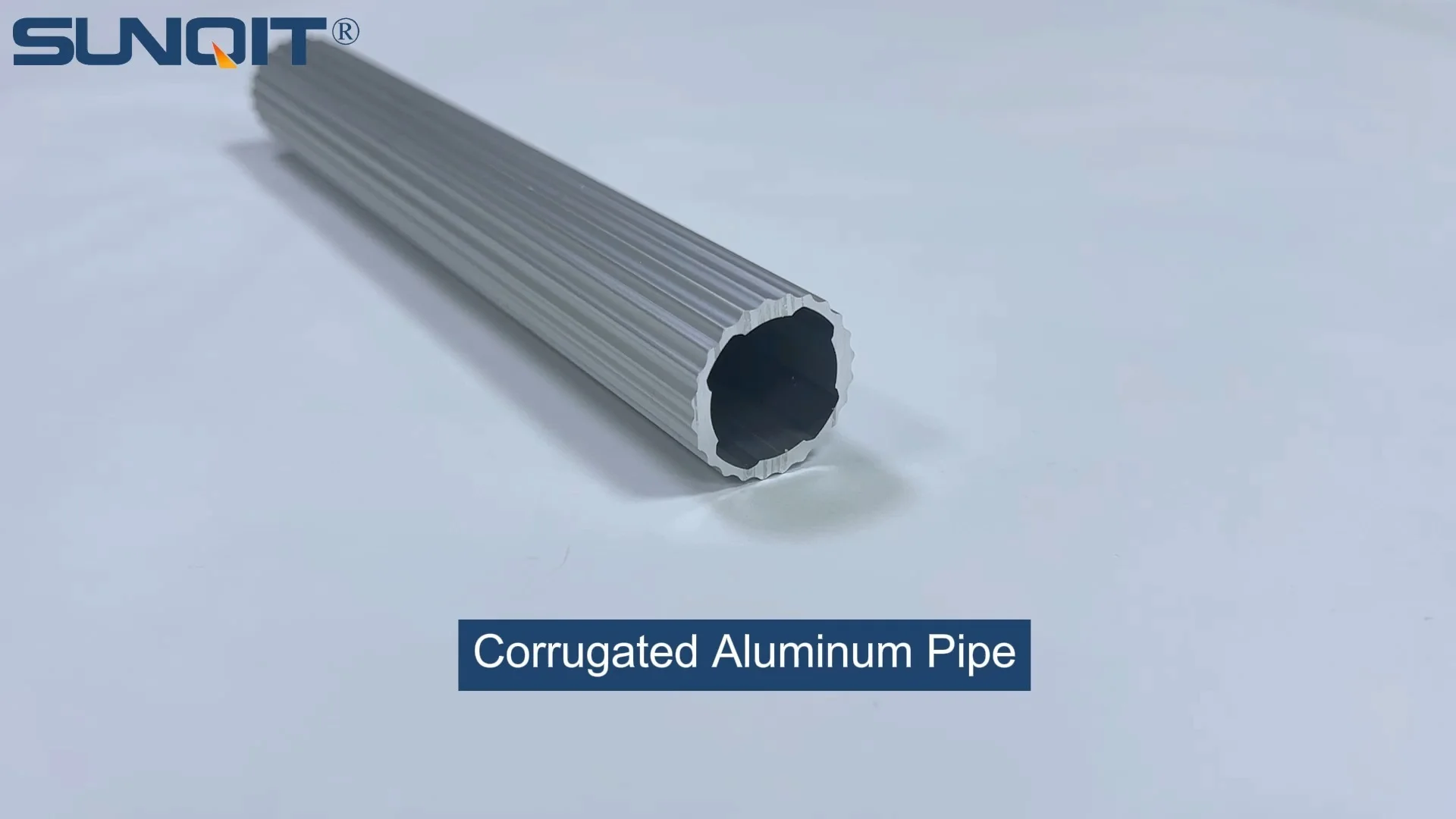
Product Description The slot side is 10mm which can work with a T sliding block for connection accessories Quick Detail Product name Corrugated Aluminum pipe model GLT28-T-3010A Material Science 6005-T6 thickness 1.7mm surface treatment anodic oxidat
Walk into any modern factory, warehouse, or manufacturing facility, and you'll likely spot them: sleek, sturdy structures that keep operations running smoothly—conveyor systems gliding with precision, material racks holding heavy loads with ease, workbenches where products take shape. Behind many of these hardworking setups is a humble yet crucial component: the corrugated aluminum pipe. More than just a length of metal, these pipes are the backbone of lean systems, the unsung heroes that balance strength, flexibility, and efficiency. But what often goes unnoticed is the secret to their longevity and performance: the surface finish. From matte to anodized, each finish isn't just about looks—it's a strategic choice that impacts durability, functionality, and even workplace safety. Let's dive into the world of corrugated aluminum pipe surface finishes, exploring their benefits, best uses, and how to pick the right one for your needs.
What Are Corrugated Aluminum Pipes, Anyway?
Before we jump into finishes, let's get clear on what corrugated aluminum pipes are and why they matter. Unlike smooth-walled pipes, corrugated aluminum pipes have a series of ridges and grooves along their length—think of a cardboard box's fluted edges, but in metal. This design isn't just for show: the corrugations add rigidity without adding excess weight, making the pipes incredibly strong yet lightweight. That's why they're a staple in industries like automotive, electronics, and logistics, where every pound saved or extra pound supported counts.
Aluminum itself is a star material here. It's naturally resistant to corrosion, which means these pipes can stand up to moisture, chemicals, and even harsh weather without rusting. Plus, it's malleable enough to be shaped into complex profiles—like the corrugations we're talking about—through processes like aluminum extrusion. If you've ever heard the term "aluminum extrusion profile," that's exactly what we're referring to: aluminum heated and pushed through a die to create custom shapes, including corrugated pipes. This versatility makes corrugated aluminum pipes adaptable to almost any setup, from simple hand trolleys to intricate conveyor systems.
But even the best aluminum pipe is only as good as its surface. Without the right finish, that corrosion resistance can falter, or the pipe might become slippery, scratch easily, or clash with your workspace's aesthetic. That's where surface finishes come in: they're the final touch that turns a basic aluminum pipe into a tailored solution.
The Big Players: Key Surface Finishes for Corrugated Aluminum Pipes
When it comes to surface finishes for corrugated aluminum pipes, there's no one-size-fits-all. Each option has its own personality—some are tough and utilitarian, others are sleek and eye-catching, and a few balance both. Let's break down the most common ones you'll encounter.
Matte Finish: The Workhorse of Workshops
If there's a "no-fuss" finish, matte is it. Matte-finished corrugated aluminum pipes have a soft, non-reflective surface—think of the texture of a well-worn leather jacket versus a shiny patent leather one. How do they get that look? Typically, through mechanical brushing or chemical etching. Brushing involves sanding the pipe's surface with abrasive pads to create tiny scratches that scatter light, reducing shine. Etching uses chemicals to slightly dissolve the top layer of aluminum, leaving a smooth but dull finish.
The benefits of matte finish are all about practicality. First, it hides imperfections like fingerprints, smudges, and minor scratches—huge plus in busy workshops where pipes get bumped, scraped, or handled constantly. You won't spend time wiping down pipes to keep them looking clean; they'll maintain that understated, "I mean business" appearance even after months of use. Second, matte finishes are slip-resistant, which is a safety win in areas where workers might grip pipes for support or where materials slide across them (like on roller tracks). And because the finish is simple, it's often more affordable than flashier options, making it a go-to for budget-conscious projects.
Best for: High-traffic areas like assembly lines, workbenches, or turnover trolleys. If your priority is function over flash, matte finish is your friend. For example, a material rack B (3 row and 3 floor) in a warehouse—where pipes are constantly loaded with boxes and tools—would thrive with a matte finish, as it won't show every scuff from moving inventory.
Anodized Finish: The Protective Powerhouse
If matte is the workhorse, anodized is the bodyguard. Anodizing isn't just a coating; it's a transformation. The process involves submerging the aluminum pipe in an electrolyte bath and passing an electric current through it. This triggers a chemical reaction that forms a thick, hard layer of aluminum oxide on the surface—sort of like giving the pipe a built-in armor plating. Unlike paint or powder coating, this oxide layer is part of the aluminum itself, so it won't chip, peel, or flake off.
The perks of anodized finish are hard to beat. First, it supercharges corrosion resistance. That oxide layer acts as a barrier, blocking moisture and chemicals from reaching the raw aluminum. In fact, anodized aluminum can last decades in wet environments—think coastal factories or food processing plants where water and sanitizers are everywhere. Second, it's incredibly durable. The finish resists scratches, dents, and wear, making it ideal for pipes that take a beating, like those in roller conveyors or heavy-duty material racks.
Anodized finishes aren't just tough—they're also customizable. While clear anodizing (which keeps the aluminum's natural silver color) is most common, you can add dyes during the process to get shades like black, gold, or blue. This makes anodized pipes a favorite for setups where branding or color-coding matters. For example, in a lean system where different colored pipes denote different workflows (red for urgent materials, blue for finished goods), anodized colors stay vibrant longer than painted ones.
Best for: Harsh environments, high-wear applications, or setups where color matters. If you're building a conveyor system that runs 24/7 in a humid factory, anodized corrugated aluminum pipes will outlast almost any other finish.
Powder-Coated Finish: The Color Chameleon
Want your corrugated aluminum pipes to stand out—or blend in perfectly? Powder coating is the way to go. This finish involves spraying a dry powder (made of resin and pigment) onto the pipe's surface, then baking it in an oven. The heat melts the powder, which then hardens into a smooth, even coating. The result? A finish that's as colorful as a rainbow and as tough as nails.
Powder coating's biggest draw is its versatility in color and texture. Whether you need a bright yellow to match your company logo, a neutral gray to blend with office decor, or even a textured finish that mimics wood or stone, powder coating can do it. And because the powder is applied electrostatically, it coats every nook and cranny of the corrugated pipe—no missed spots or drips, unlike liquid paint.
Durability-wise, powder coating holds its own. It's resistant to chipping, fading, and scratching, though it's not quite as hard as anodized aluminum. Still, it's more than enough for most indoor applications, like aluminum workbenches or display racks. Plus, it adds an extra layer of protection against corrosion, making it a solid choice for dry to moderately humid environments.
Best for: Branding, aesthetic-focused setups, or indoor systems where color coordination is key. For example, a retail warehouse that uses color-coded turnover trolleys to separate products could use powder-coated pipes in red, green, and blue to keep everything organized at a glance.
Honorable Mentions: Brushed, Polished, and More
While matte, anodized, and powder-coated finishes are the most common, there are a few others worth noting:
- Brushed Finish: Similar to matte but with visible, parallel lines (like the grain on a wooden table). Created by brushing the surface with a fine abrasive, it adds subtle texture and hides scratches well. Great for areas where you want a bit of visual interest without shine.
- Polished Finish: The opposite of matte—super shiny, mirror-like. Achieved by buffing the aluminum to a high gloss. It looks stunning but shows every fingerprint and scratch, so it's best for decorative elements (think accent pieces in a showroom) rather than hardworking industrial setups.
- Chemical Film (Chromate Conversion Coating): A thin, invisible finish applied via chemical dip. It's not about looks—it's about boosting corrosion resistance and improving adhesion for paint or powder coating. Often used as a primer before adding another finish.

Comparing the Finishes: A Quick Reference Table
| Finish Type | How It's Made | Texture/Appearance | Durability | Corrosion Resistance | Best For |
|---|---|---|---|---|---|
| Matte | Mechanical brushing or chemical etching | Soft, non-reflective; hides scratches/fingerprints | Good (resists minor scratches) | Moderate (relies on aluminum's natural resistance) | High-traffic workshops, workbenches, material racks |
| Anodized | Electrochemical process (forms oxide layer) | Smooth, can be clear or colored; slightly reflective | Excellent (hard oxide layer resists wear) | Excellent (oxide layer blocks corrosion) | Wet/chemical environments, conveyors, heavy-duty setups |
| Powder-Coated | Electrostatic powder + oven baking | Smooth, wide color range; can be glossy or matte | Very Good (resists chipping/fading) | Good (adds a protective layer over aluminum) | Branding, color-coded systems, indoor decor |
| Brushed | Mechanical brushing with abrasive pads | Subtle parallel lines; low sheen | Good (hides scratches well) | Moderate | Aesthetic-focused workshops, retail displays |
| Polished | Buffing with fine abrasives | Mirror-like shine; high reflectivity | Poor (shows scratches/fingerprints easily) | Moderate (no added protection) | Decorative accents, showrooms |
How to Choose the Right Finish for Your Corrugated Aluminum Pipes
With so many options, picking a finish might feel overwhelming. But it doesn't have to be. Start by asking yourself these key questions:
1. Where Will the Pipes Be Used?
Environment is everything. If the pipes will be outdoors or in a damp area (like a car wash or food processing plant), prioritize corrosion resistance—anodized or powder-coated finishes are better than matte here. For dry, indoor spaces like an electronics assembly line, matte or brushed might be sufficient. And if the pipes will be in a customer-facing area (like a retail stockroom with glass walls), aesthetics matter more—consider powder coating in your brand colors or a polished accent.
2. How Much Wear and Tear Will They Take?
Think about how the pipes will be treated. Will they be bumped by forklifts? Scratched by tools? Loaded with heavy boxes? Anodized finishes are the toughest here, followed by powder coating. Matte is durable enough for regular use but might show more wear over time compared to anodized. Polished finishes, as lovely as they are, are best avoided in high-impact areas—they'll scratch easily and lose their shine fast.
3. What's Your Budget?
Finishes come with different price tags. Matte is usually the most affordable, since it requires minimal processing. Anodized and powder-coated finishes cost more due to the specialized equipment and materials involved. Polished finishes are often the priciest, as they require meticulous labor. If you're working with a tight budget, matte or a basic anodized finish (clear) might be the way to go. If durability is non-negotiable, investing in anodized could save you money long-term by reducing replacement costs.
4. Do You Need to Match Existing Equipment?
If you're adding new corrugated aluminum pipes to an existing setup—say, expanding a conveyor system or adding a new workbench—you'll want the finish to blend in. Check the existing aluminum profile accessories or aluminum guide rail A (a common component in conveyors) to see what finish they have. Most suppliers can match finishes, but it's easier to stick with the same type (e.g., anodized to anodized) than to mix and match.
Caring for Your Finished Pipes: Tips for Longevity
Even the best finish needs a little TLC to last. Here's how to keep your corrugated aluminum pipes looking and performing their best:
- Matte Finish: Wipe with a damp cloth and mild soap to remove dirt. Avoid abrasive cleaners, which can scratch the surface. For tough grime, use a soft-bristled brush.
- Anodized Finish: Rinse with water to remove salts or chemicals, then dry with a soft cloth. Avoid acidic cleaners (like vinegar) or abrasive pads, which can wear away the oxide layer.
- Powder-Coated Finish: Clean with a mild detergent and water. Avoid high-pressure washers, which can chip the coating. If a scratch occurs, touch it up with matching powder-coat paint (available from suppliers).
- Brushed/Polished: Use a specialized metal cleaner and a microfiber cloth to maintain shine. For brushed finishes, wipe in the direction of the grain to avoid cross-scratches.
Final Thoughts: The Right Finish Makes All the Difference
Corrugated aluminum pipes might not be the most glamorous part of your operation, but they're essential. And the surface finish? It's the detail that turns a generic pipe into a tool that works for you—whether that means resisting corrosion in a damp warehouse, hiding scratches in a busy workshop, or making your workspace feel cohesive and professional.
So the next time you're sourcing aluminum pipe for a project, don't just focus on size or strength. Ask about finishes. Think about where the pipe will live, how it will be used, and what you need it to withstand. Whether you choose matte for its no-nonsense reliability, anodized for its unbeatable durability, or powder-coated for that perfect pop of color, you'll end up with a solution that's not just functional, but tailored to your world.
After all, in the world of lean systems and efficient operations, every detail counts—and that includes the finish on your corrugated aluminum pipes.