- Company Articles
- Products and Technology
- Product knowledge
- Corrugated Aluminum Pipe Surface Treatment: Enhancing Corrosion Resistance

Corrugated Aluminum Pipe Surface Treatment: Enhancing Corrosion Resistance
Related Product
Corrugated Aluminum Pipe
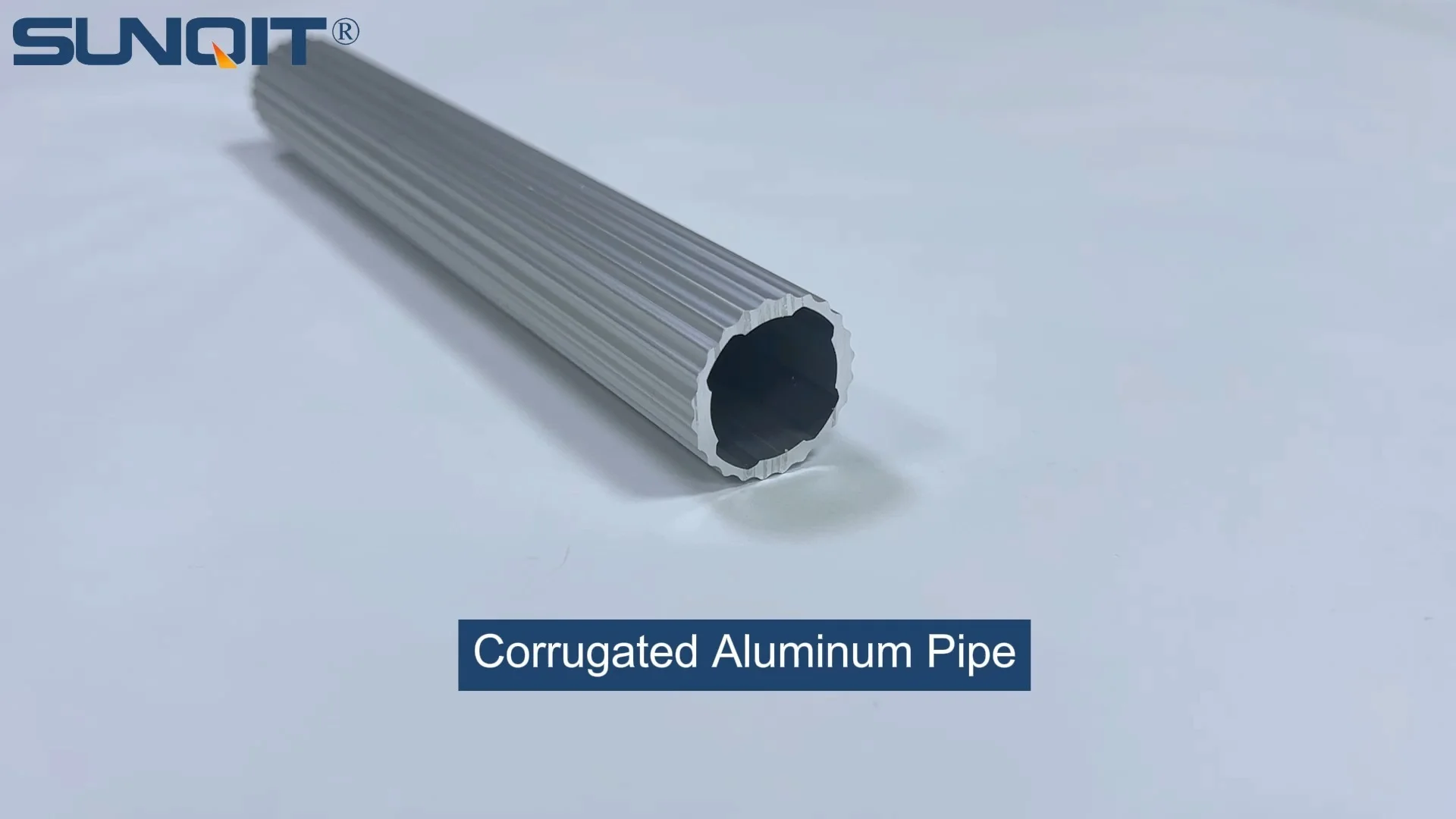
Product Description The slot side is 10mm which can work with a T sliding block for connection accessories Quick Detail Product name Corrugated Aluminum pipe model GLT28-T-3010A Material Science 6005-T6 thickness 1.7mm surface treatment anodic oxidat
The Unsung Hero of Industrial Durability
Walk through any modern manufacturing facility, and you'll spot corrugated aluminum pipes hard at work: supporting conveyor systems, guiding materials through assembly lines, or forming the backbone of workbenches. Their unique wave-like structure gives them strength without adding excess weight, making them ideal for dynamic environments where mobility and durability go hand in hand. But what truly sets these pipes apart isn't just their shape—it's the surface treatments that turn them from reliable components into long-lasting assets, even in the harshest conditions.
Aluminum, by nature, has a built-in defense mechanism: when exposed to air, it forms a thin layer of aluminum oxide that resists corrosion. But in industrial settings—where pipes face chemicals, moisture, constant friction, and temperature swings—that thin layer often isn't enough. That's where surface treatments come in. They amplify aluminum's natural resilience, creating a barrier that stands up to daily wear, environmental stress, and the relentless demands of production lines. For manufacturers, this isn't just about longevity; it's about avoiding costly downtime, ensuring safety, and maintaining the efficiency that keeps operations running smoothly.
What Makes Corrugated Aluminum Pipe Special?
Before diving into surface treatments, let's take a moment to appreciate the pipe itself. Corrugated aluminum pipe—sometimes called aluminum lean pipe in manufacturing circles—combines the best of strength and flexibility. The corrugations (those repeated, wave-like ridges) distribute weight evenly, allowing the pipe to support heavy loads without bending or warping. Unlike rigid steel pipes, they're lightweight enough to be reconfigured as production needs change, making them a favorite in lean manufacturing systems where adaptability is key.
But here's the catch: aluminum, while strong, is still susceptible to corrosion when exposed to certain elements. Think about a food processing plant, where pipes might come into contact with water, cleaning agents, or acidic spills. Or a automotive factory, where oil, grease, and metal shavings are part of the daily grind. Without protection, even the sturdiest aluminum lean pipe would start to degrade over time—pitting, discoloration, and weakening until it can no longer do its job. Surface treatments solve this problem, turning a good pipe into a great one by adding that critical layer of defense.

The Science of Surface Treatment: How It Works
Surface treatment isn't a one-size-fits-all process. Different methods offer varying levels of protection, aesthetics, and cost, depending on the pipe's intended use. Let's break down the most common treatments, how they work, and why they matter for corrosion resistance.
Anodizing: Nature's Defense, Amplified
Anodizing is like giving aluminum a supercharged version of its natural oxide layer. Here's how it works: the pipe is submerged in an electrolytic solution (usually sulfuric acid), and an electric current is passed through it. This causes the surface to oxidize rapidly, creating a thicker, denser layer of aluminum oxide—up to 100 times thicker than the natural layer. The result? A hard, porous surface that's not just resistant to corrosion but also able to absorb dyes, giving manufacturers options for color-coding pipes (think safety yellow for high-traffic areas or neutral gray for cleanrooms).
What makes anodizing stand out is its durability. The oxide layer is integrated with the aluminum itself, so it won't chip or peel like a paint coating. In environments with moderate chemical exposure—like general manufacturing or packaging facilities—anodized corrugated aluminum pipes can last for decades with minimal maintenance. It's a popular choice for aluminum profile systems too, where both function and appearance matter.
Powder Coating: A Tough, Colorful Shield
If anodizing is about enhancing aluminum's natural properties, powder coating is about adding a tough, customizable shell. The process starts with a dry powder (typically a mix of resin and pigment) that's electrostatically charged and sprayed onto the pipe. The pipe is then baked in an oven, where the powder melts and cures into a smooth, hard finish. The result is a coating that's resistant to scratches, chemicals, and UV rays—making it ideal for pipes exposed to harsh weather or heavy physical contact.
Powder coating offers endless color options, which is why it's a favorite in industries where branding or visual organization matters. For example, a electronics manufacturer might use blue powder-coated pipes for component transport lines and red for waste disposal, making it easy for workers to identify workflows at a glance. And because the powder adheres uniformly, even the corrugated ridges get full coverage—no weak spots where corrosion could sneak in.
Electrophoretic Coating: Precision in Every Crevice
Electrophoretic coating (or "e-coating") is the go-to for pipes with complex shapes—like the corrugated ridges of aluminum lean pipe—where uniform coverage is non-negotiable. The process involves submerging the pipe in a water-based paint bath and applying an electric current, which draws the paint particles to the pipe's surface. This ensures every nook, cranny, and corrugation is coated evenly, leaving no gaps for corrosion to take hold.
E-coating is often used as a primer before powder coating, but it can also stand alone for a smooth, matte finish. It's particularly effective in environments with high humidity or frequent exposure to water, like food and beverage plants or outdoor storage areas. While it may not be as thick as powder coating, its ability to reach every surface makes it a reliable choice for pipes that need consistent protection.
Chemical Conversion Coating: The Quiet Protector
Chemical conversion coating is the unsung hero of surface treatments. Unlike anodizing or powder coating, it doesn't add thickness to the pipe—it chemically alters the surface to create a corrosion-resistant layer. Common types include chromate (for older systems) or phosphate coatings (more eco-friendly today). The process is simple: the pipe is dipped in a chemical solution, which reacts with the aluminum to form a thin, protective film. It's often used as a pre-treatment before painting or powder coating, but on its own, it provides basic protection for indoor pipes in low-stress environments.
While it may not offer the same level of defense as anodizing or powder coating, chemical conversion coating is cost-effective and easy to apply. For manufacturers on a budget or pipes that don't face extreme conditions, it's a practical choice that still beats relying on aluminum's natural oxide layer alone.
Comparing the Options: Which Treatment is Right for You?
With so many treatments available, choosing the right one depends on your needs. To help, here's a breakdown of how each method stacks up in key areas like corrosion resistance, cost, and application:
| Treatment Type | Corrosion Resistance | Aesthetic Options | Cost (Per Unit Length) | Best For |
|---|---|---|---|---|
| Anodizing | High (Resists acids, salts, and weathering) | Limited (Dyes available, but matte finish) | Medium ($2–$5/ft) | Indoor/outdoor use, high-wear areas, lean manufacturing systems |
| Powder Coating | Very High (Resists scratches, chemicals, UV rays) | Unlimited (Wide color range, glossy/matte finishes) | Medium-High ($3–$7/ft) | Branded environments, outdoor use, heavy-contact areas (e.g., automotive plants) |
| Electrophoretic Coating | Medium-High (Uniform coverage, good for humid environments) | Limited (Typically black, gray, or white; smooth finish) | Medium ($2.5–$6/ft) | Complex shapes (corrugated pipes), food/beverage facilities, pre-paint primer |
| Chemical Conversion | Low-Medium (Basic protection, best as a primer) | None (Clear or light gray finish) | Low ($1–$3/ft) | Indoor, low-stress environments, budget projects |
Aluminum Pipe Accessories: The Missing Piece of the Puzzle
A treated corrugated aluminum pipe is only as strong as the accessories that hold it together. Aluminum pipe accessories—joints, clamps, brackets, and connectors—play a critical role in maintaining the pipe's integrity and corrosion resistance. Here's why they matter:
First, compatibility is key. If you pair a treated pipe with the wrong accessory, you could undermine its protection. For example, using steel brackets with an anodized aluminum pipe can cause galvanic corrosion—a chemical reaction that happens when two dissimilar metals are in contact, especially in moist environments. Instead, opt for aluminum or stainless steel accessories, which won't react with the pipe's surface. Many manufacturers now offer aluminum pipe accessories designed specifically for use with aluminum lean pipe, ensuring a seamless, corrosion-resistant connection.
Second, fit matters. Loose joints or ill-fitting clamps create stress points on the pipe, making it more vulnerable to damage. Over time, this stress can crack the surface treatment, exposing the aluminum underneath to corrosion. That's why investing in high-quality accessories—like internal rotary aluminum joints or precision-cast clamps—is just as important as choosing the right treatment. These parts ensure a tight, secure fit, reducing stress and extending the pipe's lifespan.
Finally, accessories can enhance functionality without sacrificing protection. Take caster wheels, for example: adding casters to a corrugated aluminum pipe frame turns it into a mobile workstation or trolley. But if those casters are made from low-quality materials, they could scratch the pipe's surface as it moves. Look for casters with rubber or plastic wheels that won't damage the treatment, and ensure the mounting brackets are coated or made from compatible metals. It's these small details that keep the entire system working in harmony.
Real-World Applications: Where Treated Pipes Shine
To understand the impact of surface treatments, let's look at how they perform in real industries:
Automotive Manufacturing
In auto plants, pipes face oil, grease, metal shavings, and constant vibration. Powder-coated corrugated aluminum pipes are a staple here, thanks to their resistance to chemicals and scratches. They're used to build material racks, conveyor systems, and workbenches, where their bright colors (often company-branded) also help with workflow organization. Anodized aluminum lean pipe is popular for tool holders and assembly line components, where durability and low maintenance are priorities.
Food and Beverage Processing
Hygiene and corrosion resistance are non-negotiable in food plants, where pipes may water, sanitizers, and acidic foods. Electrophoretic coating is a top choice here, as its uniform coverage ensures no bacteria-harboring gaps. Anodized pipes are also used, as their non-porous surface is easy to clean and won't react with food acids. Even aluminum pipe accessories get special treatment—stainless steel joints and clamps prevent contamination and corrosion in these sensitive environments.
Electronics Production
Electronics manufacturing demands precision and static control. ESD (electrostatic discharge) workstations and conveyor systems often use anodized or powder-coated aluminum lean pipe, paired with ESD-safe accessories. The surface treatments prevent static buildup, protecting sensitive components, while the pipes' lightweight design allows for easy reconfiguration of production lines as new products are developed.
Warehousing and Logistics
In warehouses, where pipes are exposed to temperature fluctuations, humidity, and heavy loads, anodized or powder-coated corrugated aluminum pipes are go-tos for racking systems, roller tracks, and material handling equipment. Their corrosion resistance ensures they stand up to long-term storage, while their light weight makes them easy to install and reposition as inventory needs change.
Maintenance: Keeping Your Pipes Protected
Even the best surface treatment needs a little care to last. Here are simple tips to keep your corrugated aluminum pipes in top shape:
- Clean regularly: Wipe pipes down with a mild soap and water solution to remove dirt, grease, or chemicals. Avoid abrasive sponges or harsh cleaners (like bleach or ammonia), which can strip the treatment.
- Inspect for damage: Check pipes and aluminum pipe accessories monthly for scratches, dents, or loose joints. A small scratch might seem minor, but it can expose the aluminum underneath to corrosion—touch it up with a matching paint or sealant if needed.
- Lubricate moving parts: If your system includes roller tracks or casters, keep them lubricated with a silicone-based oil. This reduces friction, preventing unnecessary wear on the pipe's surface.
- Avoid overloading: Even strong corrugated pipes have weight limits. Overloading can stress the surface treatment, leading to cracks or peeling. Check the manufacturer's guidelines and stick to recommended loads.
By following these steps, you'll extend the life of your pipes, reduce maintenance costs, and ensure they keep supporting your operations for years to come.
Choosing the Right Supplier: It's About More Than Pipes
When it comes to corrugated aluminum pipe and surface treatments, not all suppliers are created equal. The best ones don't just sell pipes—they partner with you to find the right solution for your needs. Look for suppliers who:
- Offer custom surface treatments: Every industry has unique needs, so a supplier should be able to tailor treatments (thickness, color, finish) to your environment.
- Provide compatible accessories: A one-stop shop for aluminum pipe, aluminum lean pipe, and accessories ensures everything works together—no mismatched parts that cause corrosion.
- Have a track record of quality: Ask for case studies or references from customers in your industry. A supplier who's worked in automotive or food processing will understand your specific challenges.
- Educate you on maintenance: The best suppliers don't just deliver products—they share tips to help you get the most out of your investment, from cleaning to repair.
Remember, surface treatment is an investment in your operation's efficiency and reliability. Choosing a supplier who prioritizes quality and expertise will pay off in the long run.
Conclusion: The Power of Protection
Corrugated aluminum pipe is a workhorse in modern manufacturing, but its true potential is unlocked by surface treatments. Whether it's anodizing for natural durability, powder coating for color and chemical resistance, or electrophoretic coating for uniform protection, these processes transform a simple pipe into a tool that drives efficiency, safety, and longevity. Paired with high-quality aluminum pipe accessories and proper maintenance, treated pipes become the backbone of systems that adapt, endure, and keep production lines moving—no matter what the industrial world throws at them.
For manufacturers, this isn't just about metal and chemicals. It's about peace of mind: knowing that the pipes supporting your operations won't fail, that your team can focus on production instead of repairs, and that your investment will last for years. In the end, surface treatment is more than a process—it's a commitment to excellence, one that turns ordinary components into extraordinary assets.