- Company Articles
- Products and Technology
- Product knowledge
- Corrugated Aluminum Pipe Temperature Resistance: Performance in Extreme Environments

Corrugated Aluminum Pipe Temperature Resistance: Performance in Extreme Environments
Related Product
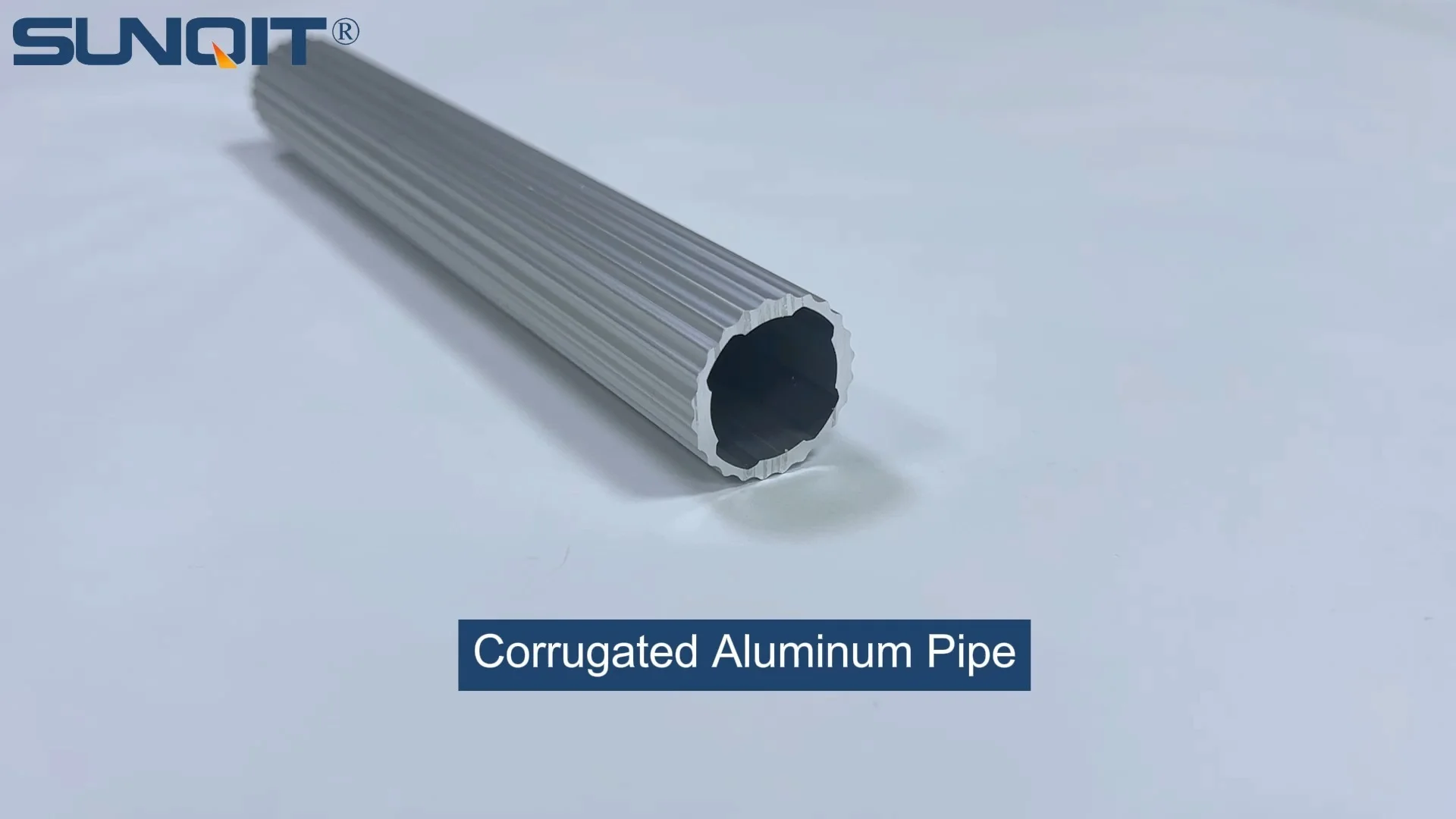
Corrugated Aluminum Pipe
Product Description The slot side is 10mm which can work with a T sliding block for connection accessories Quick Detail Product name Corrugated Aluminum pipe model GLT28-T-3010A Material Science 6005-T6 thickness 1.7mm surface treatment anodic oxidat
In the world of manufacturing, construction, and industrial design, the materials we choose often stand between smooth operations and costly failures—especially when extreme temperatures enter the equation. Whether it's the scorching heat of a factory floor, the freezing cold of a aerospace payload bay, or the fluctuating conditions of a chemical processing plant, the right material doesn't just perform; it endures. Enter corrugated aluminum pipe: a unsung hero in environments where temperature resistance isn't just a feature, but a necessity. Let's dive into what makes this material so reliable, how it holds up when the mercury spikes or plummets, and why it's become a go-to choice for engineers and designers alike.
What Is Corrugated Aluminum Pipe, Anyway?
First things first: let's break down the basics. Corrugated aluminum pipe is exactly what it sounds like—aluminum tubing shaped with a series of ridges (corrugations) along its length. But this isn't just a design choice for aesthetics; those ridges are engineering genius. Unlike smooth pipes, the corrugated structure adds flexibility while maintaining strength, allowing the pipe to bend, expand, or contract without cracking. And since it's made from aluminum, it inherits all the metal's best traits: lightweight, corrosion-resistant, and, crucially, thermally resilient.
Most corrugated aluminum pipes start their life as aluminum extrusion profile—a process where heated aluminum billets are pushed through a die to create specific cross-sectional shapes. This extrusion method ensures consistency in thickness, strength, and thermal properties, making each pipe reliable from end to end. Whether it's used to route fluids, protect wiring, or support structural loads, its design is a testament to balancing form and function.
The Science Behind Aluminum's Temperature Superpowers
Aluminum itself is a material marvel when it comes to temperature. Let's start with the basics: pure aluminum has a melting point of around 660°C (1220°F), but when alloyed with elements like magnesium or silicon (common in industrial grades), that number can climb even higher. For corrugated pipes, which are often made from 3000-series or 6000-series aluminum alloys, this means they can handle sustained high temperatures without deforming—think 200°C (392°F) and above in many cases.
But it's not just about withstanding heat. Aluminum also excels in the cold. Unlike some metals that become brittle in sub-zero temperatures, aluminum retains its ductility even when the thermometer dips below -40°C (-40°F). This is critical in environments like frozen food processing plants or outdoor winter construction, where materials can't afford to crack under stress. The corrugated design amplifies this resilience: the ridges act as micro-buffers, absorbing thermal expansion and contraction that might otherwise warp a smooth pipe.
Thermal conductivity is another ace up aluminum's sleeve. While this might sound like a downside (why would you want heat to transfer easily?), in controlled systems—like HVAC ducting or heat exchangers—this property is a advantage. Corrugated aluminum pipes can efficiently dissipate heat in high-temperature settings or evenly distribute warmth in cold ones, preventing hotspots that lead to failure. It's a balance of strength and smart thermal management that few materials achieve.

Testing Corrugated Aluminum Pipe in Extreme Heat
To really understand how corrugated aluminum pipe holds up, let's look at the numbers. Manufacturers subject these pipes to rigorous thermal testing, simulating the harshest conditions they might face in the field. For example, a typical industrial-grade corrugated aluminum pipe can maintain structural integrity in temperatures ranging from -40°C (-40°F) to 250°C (482°F) for extended periods. Some specialized alloys push that upper limit to 300°C (572°F), making them suitable for applications like engine exhaust systems or industrial furnace vents.
Take the automotive industry, for instance. Modern car engines run hot—really hot. The exhaust manifold, which carries scorching gases away from the engine, often hits temperatures of 400-800°C (752-1472°F). While the manifold itself is usually steel, the connecting pipes? Many automakers now use corrugated aluminum pipe for its lightweight nature and ability to handle the radiant heat without warping. Over time, this reduces vehicle weight (boosting fuel efficiency) and minimizes the risk of cracks in the exhaust system—a common issue with rigid steel pipes that can't flex with engine movement.
Another test case: solar thermal systems. These setups use pipes to circulate heat-transfer fluids, which can reach 150-200°C (302-392°F) on a sunny day. Corrugated aluminum pipe here doesn't just resist the heat; its flexibility makes installation easier on uneven rooftops, and its corrosion resistance ensures it won't degrade from exposure to UV rays or outdoor moisture. It's a workhorse that quietly keeps the system running, even when the sun is blazing.
How It Stands Up to Extreme Cold
Now, let's flip the script: extreme cold. In places like Alaska's oil fields or Canadian mining operations, temperatures can drop to -50°C (-58°F) or lower. Here, materials face a different kind of stress: brittleness. Steel, for example, becomes prone to cracking in these conditions, especially under mechanical load. Aluminum? It laughs in the face of frost.
Corrugated aluminum pipe's flexibility is its secret weapon here. When metal gets cold, it contracts. A smooth pipe might pull away from its fittings or develop hairline cracks as it shrinks. But the corrugated ridges allow the pipe to "give" slightly, absorbing the contraction without structural damage. This is why you'll often find corrugated aluminum pipe in cryogenic storage facilities, where it's used to transfer liquid nitrogen or oxygen at -196°C (-320°F). Even at these bone-chilling temps, the pipe remains ductile, bending rather than breaking.
Outdoor winter construction is another area where this resilience shines. Imagine a construction site in Minnesota in January: the ground is frozen, equipment is covered in ice, and any exposed metal is frigid to the touch. Corrugated aluminum pipe used for temporary utilities (like water lines or electrical conduit) doesn't just resist freezing—it's lightweight enough to handle without heavy machinery, and its smooth interior prevents ice buildup that could block flow. It's a material that adapts to the environment, not the other way around.
Comparing Corrugated Aluminum Pipe to Other Materials
To truly appreciate corrugated aluminum pipe, it helps to see how it stacks up against common alternatives. Let's break it down in a table:
| Material | Temp Range (°C) | Weight (kg/m) | Corrosion Resistance | Flexibility | Typical Applications |
|---|---|---|---|---|---|
| Corrugated Aluminum Pipe | -40 to 250 | 1.2-2.5 | High (naturally resists rust) | High (bends without cracking) | Exhaust systems, HVAC, solar thermal |
| Steel Pipe (Galvanized) | -20 to 300 | 4.5-7.0 | Medium (prone to rust if galvanizing chips) | Low (rigid, cracks under stress) | Plumbing, structural support |
| PVC Pipe | 0 to 60 | 0.8-1.5 | High (resists chemicals) | Low (brittle in cold, softens in heat) | Residential plumbing, drainage |
| Copper Pipe | -200 to 250 | 3.0-5.0 | High (resists corrosion but costly) | Medium (bends but kinks easily) | Refrigeration, electrical wiring |
As the table shows, corrugated aluminum pipe hits a sweet spot: it's lighter than steel and copper, more temperature-resistant than PVC, and far more flexible than rigid metals. It's not the absolute best in every category, but it's the most well-rounded—especially for applications where temperature extremes, weight, and durability all matter.
The Role of Aluminum Profile Accessories in Performance
A pipe is only as good as the system it's part of, and that's where aluminum profile accessories come into play. These small but critical components—like brackets, clamps, and connectors—ensure corrugated aluminum pipe performs at its best, even in extreme conditions. Take aluminum pipe clamp, for example. These clamps are designed to hold the pipe securely without restricting thermal movement. Unlike rigid steel clamps that can pinch or warp the pipe as it expands, aluminum clamps flex slightly, maintaining a tight grip while letting the pipe breathe. This is essential in high-heat environments, where trapped expansion can lead to leaks or cracks.
Another key accessory is the aluminum foot base, which anchors the pipe to the ground or a structure. In cold environments, where frost heave can shift foundations, a sturdy foot base prevents the pipe from lifting or misaligning. Many foot bases are adjustable, allowing installers to level the pipe even on uneven surfaces—a small detail that makes a big difference in long-term reliability. When paired with corrugated aluminum pipe, these accessories don't just support the material; they enhance its natural resilience.
Connectors are another unsung hero. Aluminum profile connectors are designed to mate with the corrugated ridges, creating a seal that withstands temperature swings. Unlike threaded connectors that can loosen as metal expands and contracts, these connectors lock into place, maintaining a tight fit whether it's 100°C or -20°C. It's this attention to detail—matching the pipe with accessories built for the same extreme conditions—that makes the entire system robust.
Installation Best Practices for Extreme Environments
Even the best material can fail if installed incorrectly, especially in extreme temperatures. So, what should you keep in mind when setting up corrugated aluminum pipe? First, allow for thermal movement. As we've discussed, aluminum expands in heat and contracts in cold—sometimes by several millimeters over a meter. Installers need to leave small gaps between supports or use sliding brackets that let the pipe move freely. Ignoring this can lead to buckling in the heat or pulling in the cold.
Second, choose the right accessories. As mentioned earlier, aluminum profile accessories are designed to work with corrugated aluminum pipe, so stick with them. Avoid mixing materials—for example, using steel clamps on aluminum pipe can cause galvanic corrosion, where the two metals react chemically and weaken over time. It's a small cost-saving move that can lead to big problems down the line.
Third, inspect for damage before installation. Even minor dents or scratches in the corrugated ridges can become stress points in extreme temps. A quick visual check—looking for cracks, bends, or corrosion—can save hours of troubleshooting later. And finally, in cryogenic or ultra-high-heat applications, consider adding insulation. While aluminum handles temperature well, insulation helps maintain the pipe's internal temperature, reducing stress on the material and improving energy efficiency.
Future Innovations in Corrugated Aluminum Pipe
The world of materials science never stands still, and corrugated aluminum pipe is no exception. Researchers are currently experimenting with new alloys that could push its temperature range even further—think 300°C or higher for heat-resistant versions, or even lower cryogenic tolerance. These alloys might include trace elements like scandium or zirconium, which enhance strength without sacrificing ductility.
Another area of innovation is surface treatments. While aluminum naturally resists corrosion, new coatings could make it even more durable in harsh chemicals or saltwater environments—expanding its use in marine or coastal applications. Imagine a corrugated aluminum pipe that can withstand the salt spray of an offshore oil rig, or the acidic fumes of a chemical plant—all while maintaining its temperature resistance. It's not science fiction; it's the next generation of material engineering.
Finally, sustainability is driving change. Aluminum is already 100% recyclable, but manufacturers are looking for ways to reduce the energy used in extrusion. New extrusion techniques that use less heat or recycled aluminum could make corrugated aluminum pipe even more eco-friendly, without compromising performance. It's a material that's not just built to last—it's built to leave a smaller footprint.
Conclusion: Why Corrugated Aluminum Pipe Is Here to Stay
In a world where extreme temperatures are becoming more common—whether due to climate change, industrial advancement, or exploration into harsh environments—materials that can adapt are more valuable than ever. Corrugated aluminum pipe isn't just a material; it's a solution. It combines the natural benefits of aluminum—lightweight, corrosion-resistant, thermally resilient—with a corrugated design that adds flexibility and strength. Paired with aluminum profile accessories built for the same extremes, it's a system that thrives where others fail.
From the scorching heat of a desert solar farm to the freezing cold of a polar research station, corrugated aluminum pipe quietly does its job, rarely getting the credit it deserves. It's a reminder that the best innovations aren't always flashy—sometimes, they're the ones that simply work, no matter what the environment throws at them. So, the next time you're in a factory, on a construction site, or even driving your car, take a moment to appreciate the corrugated aluminum pipe that's keeping things running smoothly. It's a material that proves resilience doesn't have to be complicated—it just has to be well-designed.