- Company Articles
- Products and Technology
- Product knowledge
- Corrugated Aluminum Pipe vs Carbon Steel Pipe: Corrosion Resistance Battle

Corrugated Aluminum Pipe vs Carbon Steel Pipe: Corrosion Resistance Battle
Related Product
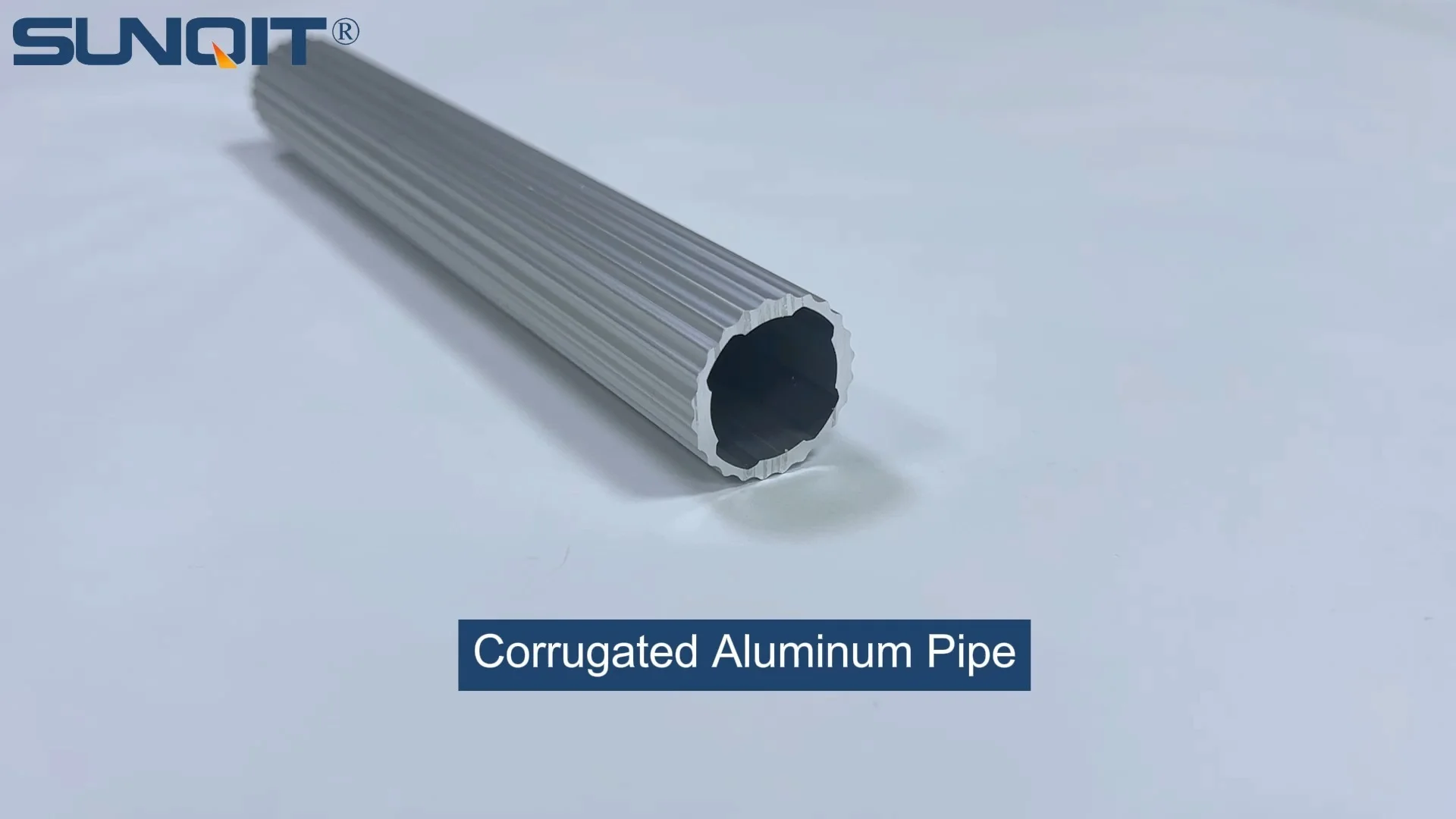
Corrugated Aluminum Pipe
Product Description The slot side is 10mm which can work with a T sliding block for connection accessories Quick Detail Product name Corrugated Aluminum pipe model GLT28-T-3010A Material Science 6005-T6 thickness 1.7mm surface treatment anodic oxidat
Walk into any factory, warehouse, or industrial facility, and you'll likely spot a maze of pipes snaking through the space—carrying water, chemicals, gases, or raw materials. These pipes are the unsung heroes of production, but there's a silent enemy working against them every day: corrosion. It starts as a small rust spot, a tiny leak, or a dull discoloration, but left unchecked, it can bring operations to a grinding halt, rack up repair costs, and even compromise safety. When it comes to choosing pipes that can stand up to the elements, two materials often go head-to-head: corrugated aluminum pipe and carbon steel pipe. Today, we're diving deep into their corrosion resistance battle—no jargon, just real-world facts—to help you understand which one truly deserves a spot in your facility.
What is Corrugated Aluminum Pipe, Anyway?
First, let's get to know the underdog in this fight: corrugated aluminum pipe. Unlike smooth-walled pipes, these have a series of ridges (corrugations) along their length, which might seem like a design quirk, but it's actually genius. Those corrugations add flexibility and strength, making the pipe resistant to bending, cracking, or collapsing under pressure. But what really sets it apart is its core material: aluminum.
Aluminum is a lightweight, silver-white metal known for its natural ability to resist corrosion. Most corrugated aluminum pipes are made from high-grade aluminum alloys, often blended with small amounts of magnesium or silicon to boost strength without sacrificing its anti-corrosion properties. And here's a fun fact: these pipes are often part of a larger family of aluminum profile systems—think of them as the versatile cousins of the straight, rigid aluminum extrusion profiles you might see in workbenches or material racks. But while those profiles prioritize structure, corrugated aluminum pipes are all about durability in tough environments.
Common uses? You'll find them in everything from industrial ventilation systems and chemical processing lines to agricultural irrigation and even marine applications. They're especially popular in settings where moisture, salt, or chemicals are present—places where other materials might start rusting within months.
Carbon Steel Pipe: The Heavyweight Contender
Now, let's meet the reigning champion (or at least the most widely used): carbon steel pipe. Carbon steel is a tried-and-true material, made by mixing iron with carbon (usually 0.05% to 2.0% carbon content). It's strong, affordable, and easy to manufacture, which is why it's been the go-to for decades in construction, oil and gas, water supply, and manufacturing. Walk into a traditional factory, and chances are, most of the pipes you see are carbon steel—they're the workhorses of the industry.
But here's the catch: carbon steel has a big weakness. Without proper protection, it's highly susceptible to corrosion. Why? Because iron, the main component, loves to react with oxygen and moisture in the air. The result? Rust. And unlike aluminum, which forms a protective barrier when it reacts with oxygen, steel's rust is more like a traitor—it flakes off, exposing fresh metal underneath to continue corroding. It's a vicious cycle, and it's why carbon steel pipes often come with coatings (like paint, zinc, or epoxy) to slow the process down. But as any maintenance manager will tell you, those coatings don't last forever.

Corrosion 101: Why Pipes Fail (and How to Stop It)
Before we pit these two materials against each other, let's talk about what corrosion really is. At its core, corrosion is a chemical reaction: metal reacts with its environment (think water, oxygen, salt, or acids) and breaks down into a compound—like rust (iron oxide) or aluminum oxide. The question isn't whether corrosion will happen, but how quickly, and whether the material can fight back.
Corrosion isn't just about looks, either. A corroded pipe loses structural integrity. It might develop pinholes that leak expensive chemicals, or its walls might thin to the point where it bursts under pressure. In food processing facilities, rust from steel pipes can even contaminate products, leading to recalls. And let's not forget the cost: the World Corrosion Organization estimates that corrosion costs the global economy over $2.5 trillion annually—that's 3.4% of the world's GDP. So, choosing a pipe with strong corrosion resistance isn't just smart—it's a financial no-brainer.
Aluminum's Secret Weapon: The Passive Layer
Now, let's get to the good stuff: how corrugated aluminum pipe actually fights corrosion. Aluminum has a superpower that carbon steel can only dream of: it forms a "passive layer" when exposed to oxygen. Here's how it works: the moment aluminum comes into contact with air, its surface reacts with oxygen to create a thin, invisible film of aluminum oxide (Al₂O₃). This film is just 0.00001 millimeters thick—thinner than a human hair—but it's incredibly dense and tightly bonded to the metal underneath. It acts like a shield, blocking moisture, salt, and chemicals from reaching the aluminum itself.
But the best part? This shield self-heals. If the passive layer gets scratched or damaged (say, from a sharp tool or a rock), the exposed aluminum immediately reacts with oxygen again to reform the oxide film. It's like having a pipe that can bandage itself. This is why you'll often see aluminum gutters on houses—they might get dented, but they rarely rust. For corrugated aluminum pipes, this means even if the corrugations get nicked during installation or use, the passive layer bounces back, keeping corrosion at bay.
And it's not just air that aluminum resists. It holds its own against water (fresh and saltwater), mild acids, and even some alkalis. In coastal areas, where salt spray eats away at steel, aluminum pipes laugh it off. In chemical plants, where spills of acids like vinegar or citric acid are common, aluminum stands firm. Compare that to carbon steel, which would start rusting in hours in the same conditions.
Carbon Steel's Achilles' Heel: Rust, Rust, and More Rust
Carbon steel, on the other hand, has no such shield. Its main component is iron, which reacts with oxygen and moisture to form iron oxide—better known as rust (Fe₂O₃). Unlike aluminum oxide, rust is porous and flaky. Instead of bonding tightly to the steel, it peels away, exposing fresh iron to react with more oxygen and water. This creates a cycle of corrosion that never stops. Even a small scratch in a steel pipe's paint coating can lead to a rust spot that grows larger over time, eating through the pipe wall.
Worse, steel is prone to "pitting corrosion"—tiny holes that form when rust starts from the inside out. These pits are hard to detect until they cause a leak, making them a silent threat. In environments with salt (like coastal factories) or chemicals (like battery manufacturing plants), steel's corrosion rate skyrockets. For example, in a humid, salt-rich area, an uncoated carbon steel pipe might start rusting in weeks and need replacement in 2–3 years. Even with protective coatings (like galvanization or epoxy), the clock is ticking—coatings chip, scratch, or degrade over time, leaving the steel vulnerable again.
Head-to-Head: The Ultimate Comparison
To really see how these two stack up, let's put them side by side. Below is a breakdown of their corrosion resistance and other key factors that matter in real-world use:
| Factor | Corrugated Aluminum Pipe | Carbon Steel Pipe |
|---|---|---|
| Corrosion Resistance | Excellent—passive oxide layer self-heals; resists saltwater, mild acids, and moisture. | Poor—rusts quickly without coatings; even coated steel needs frequent maintenance. |
| Weight | Lightweight (1/3 the weight of steel)—easier to install and transport. | Heavy—requires more labor and equipment to handle and install. |
| Strength | Strong for its weight; corrugations add flexibility and impact resistance. | High tensile strength but brittle when corroded; prone to cracking. |
| Maintenance Needs | Minimal—no painting or coating required; occasional cleaning is enough. | High—needs regular inspections, repainting, and coating touch-ups; may require replacement every 3–5 years in harsh environments. |
| Cost (Initial vs. Lifecycle) | Higher upfront cost ($2–$5 per foot, depending on size). | Lower upfront cost ($1–$3 per foot) but higher long-term costs due to maintenance and replacement. |
| Best For | Coastal areas, chemical plants, food processing, irrigation, and any environment with moisture or salt. | Dry, indoor environments with no exposure to water or chemicals (e.g., indoor gas lines). |
Real-World Stories: How They Perform on the Job
Numbers and tables are great, but let's look at real examples of how these pipes hold up in the field. Take a seafood processing plant in Maine, for instance. The facility uses saltwater to clean equipment, and the air is thick with salt spray. A few years back, they replaced all their carbon steel pipes with corrugated aluminum ones. The result? Their annual pipe maintenance costs dropped by 75%, and they haven't had a single leak or rust-related shutdown since. The plant manager noted, "We used to replace steel pipes every 2 years—now, the aluminum ones are going strong after 5, and they still look brand new."
Then there's the chemical manufacturing plant in Texas that handles diluted sulfuric acid. They tried carbon steel pipes first, but within six months, they developed pinhole leaks from pitting corrosion. Switching to corrugated aluminum pipes solved the problem. "The acid eats through steel like it's nothing," said the maintenance supervisor, "but the aluminum pipes? We check them monthly, and there's not a spot of corrosion. It's been two years, and they're as good as the day we installed them."
Carbon steel does have its place, of course. In dry, indoor settings—like a warehouse that uses pipes to carry compressed air—steel might last 10+ years with minimal issues. But in most industrial environments, where moisture, chemicals, or salt are present, steel is fighting an uphill battle.
The Cost of Cutting Corners: Why Cheap Steel Ends Up Costing More
It's easy to be tempted by carbon steel's lower upfront cost. After all, if you're on a tight budget, saving $1 per foot on a 1,000-foot pipe run sounds like a win. But let's do the math. Suppose you install carbon steel pipes for $2,000. In a coastal environment, they'll need to be replaced in 3 years, costing another $2,000, plus $500 in annual maintenance (painting, inspections, minor repairs). Over 10 years, that's $2,000 (initial) + ($2,000 replacement x 3 times) + ($500 x 10 years) = $9,500.
Now, corrugated aluminum pipes cost $4,000 upfront (double the steel cost). But they need $100 in annual maintenance (just cleaning) and last 20+ years. Over 10 years, that's $4,000 + ($100 x 10) = $5,000. That's a savings of $4,500 over a decade—and aluminum would still have another 10+ years of life left. When you factor in downtime from leaks (which can cost $1,000+ per hour in lost production), the gap grows even wider. In short, choosing steel to save money upfront is like buying cheap shoes that fall apart in a month—you'll end up spending more in the long run.
What About Stainless Steel? A Quick Honorary Mention
You might be wondering, "What about stainless steel pipe series ? Isn't that corrosion-resistant too?" It's true—stainless steel (which contains chromium) also forms a passive layer, similar to aluminum. But stainless steel is heavier and more expensive than aluminum (up to $8 per foot), and it's not as flexible. For most industrial applications, corrugated aluminum pipe offers better value, lighter weight, and comparable corrosion resistance at a lower cost than stainless steel.
When to Stick with Steel (Yes, There Are Exceptions)
We've sung aluminum's praises, but there are rare cases where carbon steel might still make sense. If you're working in a completely dry, indoor environment with no exposure to moisture, chemicals, or salt, and you need extreme high-pressure resistance (like in oil drilling), steel could be a budget-friendly choice. But these scenarios are few and far between. For most facilities—factories, warehouses, coastal plants, or food processing—aluminum is the safer, smarter bet.
The Verdict: Corrugated Aluminum Pipe Wins the Corrosion Battle
At the end of the day, the corrosion resistance battle isn't even close. Corrugated aluminum pipe's passive oxide layer, minimal maintenance needs, and long lifespan make it the clear winner for any environment where corrosion is a concern. Yes, it costs more upfront, but its lifecycle savings, durability, and reliability more than make up for it. Carbon steel, while strong and cheap initially, is a ticking time bomb in humid, salty, or chemical-rich settings—one that will cost you in repairs, replacements, and downtime.
So, the next time you're planning a pipe installation or replacement, think beyond the price tag. Think about the factory floor manager who won't have to stress over rust leaks. Think about the maintenance team that can focus on more important tasks than repainting pipes. Think about your bottom line, 5 or 10 years from now. When you do, corrugated aluminum pipe won't just look like a good choice—it'll look like the only choice.