- Company Articles
- Products and Technology
- Product knowledge
- Corrugated Aluminum Pipe vs Galvanized Steel Pipe: Weight and Cost Comparison

Corrugated Aluminum Pipe vs Galvanized Steel Pipe: Weight and Cost Comparison
Related Product
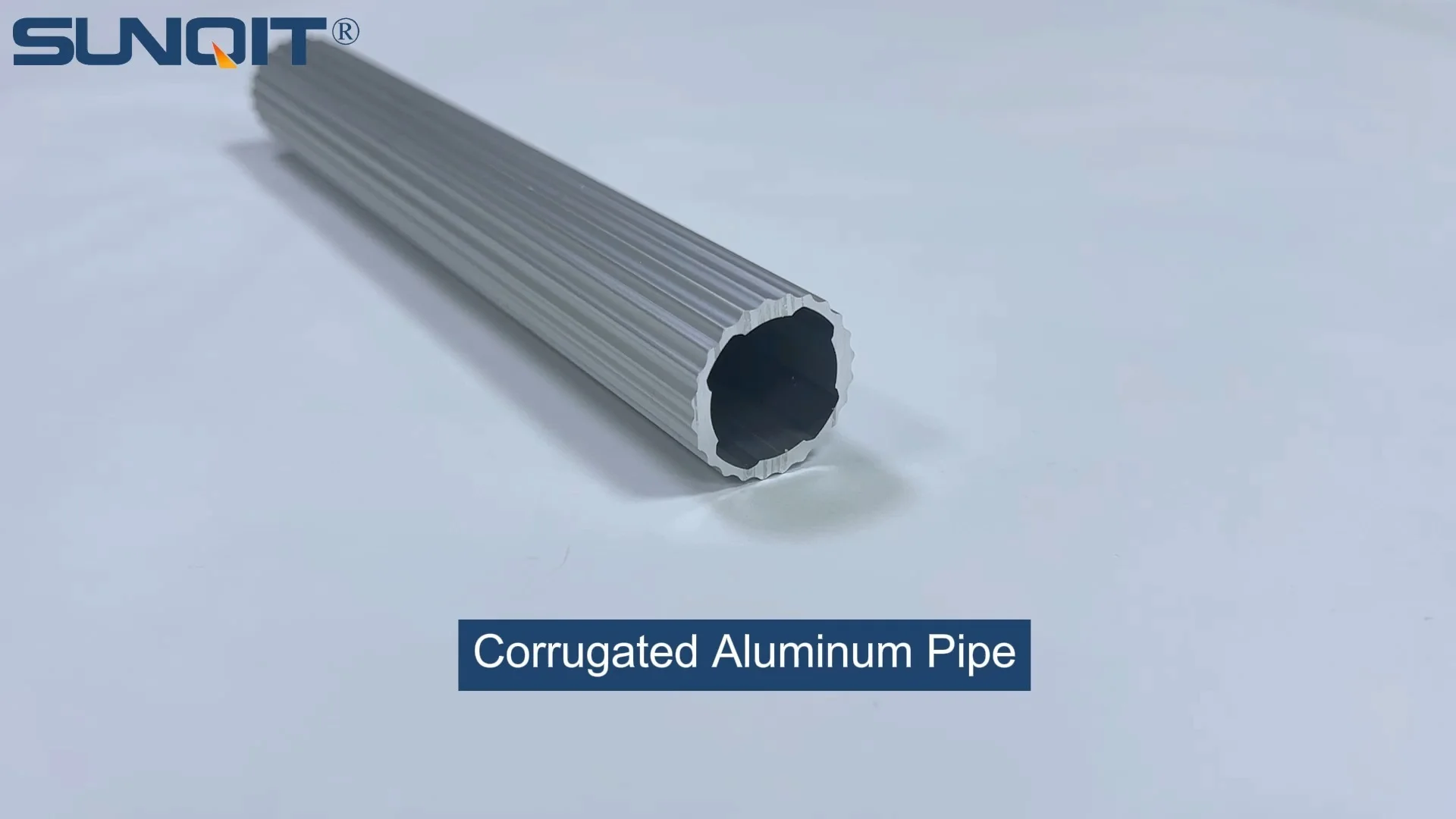
Corrugated Aluminum Pipe
Product Description The slot side is 10mm which can work with a T sliding block for connection accessories Quick Detail Product name Corrugated Aluminum pipe model GLT28-T-3010A Material Science 6005-T6 thickness 1.7mm surface treatment anodic oxidat
In the world of manufacturing and industrial operations, every component plays a quiet but critical role in keeping workflows efficient, safe, and cost-effective. From the workbenches where technicians assemble products to the flow racks that move materials across the factory floor, the materials we choose shape everything from daily operations to long-term profitability. Among these foundational components, pipes stand out—they're the backbone of lean systems, the structure behind turnover trolleys, and the support for material racks. Today, we're diving into two heavyweights in this space: corrugated aluminum pipe and galvanized steel pipe. We'll break down how they stack up in terms of weight and cost, helping you make smarter decisions for your lean system, workbench, or material handling setup.
What is Corrugated Aluminum Pipe?
Let's start with the newer kid on the block: corrugated aluminum pipe. If you've ever walked through a modern manufacturing plant, you've likely seen it without realizing it—lightweight, sleek, and often part of modular workbenches or agile material racks. So, what makes it tick?
At its core, corrugated aluminum pipe is exactly what it sounds like: a pipe made from aluminum (often alloyed for added strength) with a series of ridges, or "corrugations," along its length. These ridges aren't just for show—they're engineering genius. By adding these waves to the pipe's surface, manufacturers boost its structural rigidity without adding extra weight. Think of it like a cardboard box: flat cardboard bends easily, but when corrugated, it can support heavy loads. The same logic applies here.
Most corrugated aluminum pipes start as aluminum extrusion profiles—a process where aluminum is heated and pushed through a die to create a specific cross-sectional shape. This method ensures consistency, precision, and allows for the intricate corrugated design. The result? A pipe that's lightweight (aluminum weighs roughly 1/3 of steel), corrosion-resistant (aluminum naturally forms a protective oxide layer), and surprisingly strong for its weight. It's also highly customizable: you'll find it in various diameters, wall thicknesses, and even colors, making it a favorite for lean system setups where flexibility and reconfiguration are key.
Common applications? You'll spot corrugated aluminum pipe in lean pipe workbenches, where its light weight makes repositioning or modifying the bench a breeze for workers. It's also a staple in turnover trolley and rack systems, where reducing the overall weight of the trolley means easier maneuvering and less strain on operators. And because it resists rust and corrosion, it's ideal for environments where moisture or chemicals are present—think food processing plants or pharmaceutical facilities.
What is Galvanized Steel Pipe?
Now, let's turn to the tried-and-true veteran: galvanized steel pipe. This material has been a workhorse in industrial settings for decades, and for good reason. Galvanized steel pipe starts as plain carbon steel—strong, durable, but prone to rusting when exposed to the elements. To solve that, manufacturers add a protective layer of zinc through a process called galvanization. Most often, this is done via hot-dip galvanizing: the steel pipe is dipped into a bath of molten zinc, which bonds to the surface, creating a barrier that shields the steel from corrosion.
The result is a pipe that's tough as nails. Galvanized steel pipes are known for their high tensile strength—they can handle heavy loads without bending or warping. That's why you'll find them in heavy-duty material racks (like material rack b, a 3-row, 3-floor design built to hold bulky items) or structural supports where load capacity is non-negotiable. They're also relatively inexpensive upfront compared to aluminum, making them a go-to for budget-conscious projects where long-term weight or corrosion concerns take a backseat.
But there's a tradeoff: weight. Steel is dense, and even with the zinc coating, galvanized steel pipes are significantly heavier than their aluminum counterparts. A 10-foot length of 2-inch diameter galvanized steel pipe, for example, can weigh 20-30 pounds, while an aluminum pipe of the same size might weigh just 6-10 pounds. This weight can be a double-edged sword: it adds stability for static structures but becomes a liability when the pipe needs to be moved, installed, or reconfigured frequently.
Another consideration? Maintenance. While the zinc coating does a great job of preventing rust, it can chip or scratch over time—especially in high-traffic areas or when pipes are frequently handled. Once the steel beneath is exposed, rust can start to form, which means occasional touch-ups with zinc-rich paint might be necessary to keep the pipe in top shape. Despite this, galvanized steel remains popular in construction, heavy manufacturing, and outdoor applications where its strength and low upfront cost make it hard to beat.

Weight Comparison: Why Every Pound Matters
When it comes to industrial pipes, weight isn't just a number on a scale—it's a factor that ripples through every aspect of your operation, from worker safety to energy costs. Let's break down how corrugated aluminum and galvanized steel pipes compare in this critical area.
The Science of Weight: Density and Design
Aluminum has a density of about 2.7 g/cm³, while steel (including galvanized steel) clocks in at around 7.85 g/cm³. That means, even before considering design, aluminum is naturally 2.9 times lighter than steel. But when you add corrugations to aluminum pipe, the gap widens. The corrugated design allows aluminum pipes to achieve similar strength to solid steel pipes but with less material—so you're getting the same structural support with even less weight. Galvanized steel pipes, on the other hand, are typically solid-walled (no corrugations), so their weight is directly tied to their thickness and diameter.
To put this in real terms, let's compare two common pipe sizes used in industrial settings: a 1.5-inch diameter pipe, 10 feet long, with a 0.1-inch wall thickness.
| Material | Weight (10-foot length) | Key Factor |
|---|---|---|
| Corrugated Aluminum Pipe | Approx. 7-9 lbs | Corrugated design reduces material usage while maintaining strength |
| Galvanized Steel Pipe | Approx. 22-25 lbs | Solid wall construction and higher density add significant weight |
That's a difference of 15-18 pounds per 10-foot pipe. Now, imagine a lean pipe workbench made with 10 such pipes: the aluminum version would weigh 70-90 pounds, while the steel one would tip the scales at 220-250 pounds. Suddenly, moving that workbench for a factory reconfiguration goes from a two-person job to a potential safety hazard.
Real-World Impact of Weight
So, why does this matter? Let's look at three key areas:
Worker Ergonomics and Safety: Heavier pipes mean more strain on workers during installation, reconfiguration, or maintenance. A study by the Occupational Safety and Health Administration (OSHA) found that reducing the weight of tools and equipment by just 10% can lower the risk of musculoskeletal injuries by up to 30%. For example, assembling a material rack b (3 rows, 3 floors) with galvanized steel pipes might require two workers to lift and position each section, while aluminum pipes could be handled by one person, speeding up the process and reducing fatigue.
Transportation and Shipping Costs: Whether you're shipping pipes to your facility or moving finished products (like turnover trolleys) to customers, weight directly impacts shipping fees. Freight carriers often charge by weight, so a truckload of aluminum pipes will cost significantly less to ship than a truckload of steel pipes. Over time, these savings add up—especially for businesses that source materials internationally or ship products across the country.
Energy Efficiency in Material Handling: If your operation uses conveyor systems or automated guided vehicles (AGVs) to move materials, the weight of the pipes in those systems affects energy consumption. A flow rack made with aluminum pipes is lighter, so the conveyor motors don't have to work as hard to move products along. Over months and years, this translates to lower electricity bills and longer equipment lifespans.
Cost Comparison: Upfront vs. Long-Term Value
Cost is often the first question on everyone's mind when choosing materials, but it's rarely as simple as "which is cheaper?" To truly understand the cost difference between corrugated aluminum and galvanized steel pipes, we need to look beyond the initial price tag and consider long-term expenses like installation, maintenance, and replacement.
Upfront Material Costs
On a per-foot basis, corrugated aluminum pipe is almost always more expensive than galvanized steel pipe. Depending on the diameter, wall thickness, and supplier, aluminum pipes can cost 2-3 times more upfront. For example, a 10-foot length of 1.5-inch corrugated aluminum pipe might run $25-$40, while a similar galvanized steel pipe could cost $10-$15. This price gap is partly due to the cost of raw aluminum and the more complex extrusion process needed to create the corrugated design.
But here's the catch: because aluminum is lighter, you might need fewer materials to achieve the same strength. For instance, a corrugated aluminum pipe with a 0.08-inch wall thickness might be just as strong as a galvanized steel pipe with a 0.12-inch wall thickness. So, while the per-foot cost is higher, you might use less pipe overall, balancing out the upfront expense.
Installation Costs: Time is Money
Installation is where aluminum starts to shine. As we discussed earlier, aluminum pipes are lighter, so they're easier and faster to install. A crew installing a lean system workbench with aluminum pipes might finish the job in half the time it would take with steel pipes. Since labor costs are often the biggest line item in any installation project, this time savings can erase the upfront material cost difference. For example, if a two-person crew costs $100/hour and takes 4 hours to install a steel pipe workbench, that's $400 in labor. The same crew might finish an aluminum workbench in 2 hours, cutting labor costs to $200—savings that could offset the higher material price.
Maintenance and Longevity Costs
Over time, aluminum's low-maintenance nature becomes a major cost saver. Galvanized steel pipes, while durable, require occasional upkeep: if the zinc coating chips, you'll need to touch up the area with zinc paint to prevent rust. In humid or corrosive environments, this might mean annual inspections and repairs, adding to the total cost of ownership. Aluminum, on the other hand, is naturally corrosion-resistant—no painting, no touch-ups, no rust. It can last 20+ years in most industrial settings with minimal maintenance, while galvanized steel might need replacement after 10-15 years if rust becomes a problem.
Let's put this into numbers with a 10-year lifespan example for a basic lean pipe workbench:
| Cost Category | Corrugated Aluminum Pipe | Galvanized Steel Pipe |
|---|---|---|
| Upfront Material Cost | $300 (higher per foot, but less material needed) | $200 (lower per foot, more material needed) |
| Installation Labor | $200 (2 hours @ $100/hour) | $400 (4 hours @ $100/hour) |
| Annual Maintenance | $0 (no rust, no touch-ups) | $50 (zinc paint, inspections) |
| 10-Year Total Cost | $500 ($300 + $200 + $0*10) | $1,100 ($200 + $400 + $50*10) |
In this example, aluminum ends up costing $600 less over 10 years—even with a higher upfront material cost. For businesses focused on long-term efficiency, this makes aluminum a smarter investment.
Real-World Applications: When to Choose Aluminum vs. Steel
The best material depends on your specific needs. Let's look at two case studies to see how these choices play out in real operations.
Case Study 1: Automotive Plant Adopts Aluminum for Lean System Flexibility
A mid-sized automotive parts manufacturer was struggling with frequent reconfigurations of their assembly line workbenches. Their existing galvanized steel workbenches were heavy and hard to move, leading to downtime during layout changes. They switched to corrugated aluminum lean pipe workbenches and saw immediate benefits: workers could now reposition benches in minutes instead of hours, reducing downtime by 40%. Shipping costs for new bench components dropped by 35% due to aluminum's lighter weight, and maintenance requests for rusted steel pipes disappeared entirely. While the upfront cost was 25% higher, the plant recouped the investment in just 18 months through labor and shipping savings.
Case Study 2: Warehouse Sticks with Galvanized Steel for Heavy Loads
A large logistics warehouse needed to build material racks to store pallets of heavy machinery parts (each pallet weighing 2,000+ pounds). For this application, the warehouse chose galvanized steel pipes. Why? Galvanized steel's higher load capacity meant they could build racks with fewer vertical supports, maximizing storage space. The racks were static (no need for reconfiguration), so the weight of the steel wasn't a daily issue. Upfront costs were 40% lower than aluminum, and with the warehouse's dry, indoor environment, rust wasn't a major concern. For this heavy, stationary setup, steel was the practical choice.
Pros and Cons: Summing It All Up
To help you decide, here's a quick breakdown of the key pros and cons of each material:
Corrugated Aluminum Pipe
Pros: Lightweight (easier to handle and ship), corrosion-resistant (low maintenance), flexible for reconfiguration, energy-efficient in material handling systems, long lifespan (20+ years).
Cons: Higher upfront material cost, lower absolute strength (not ideal for extreme heavy loads), can dent if struck with heavy objects.
Galvanized Steel Pipe
Pros: Low upfront cost, high strength (excellent for heavy loads), widely available, durable in dry environments.
Cons: Heavy (increases labor and shipping costs), prone to rust if coating is damaged, requires maintenance, difficult to reconfigure.
Conclusion: Choosing the Right Pipe for Your Operation
At the end of the day, the choice between corrugated aluminum pipe and galvanized steel pipe boils down to your specific needs. If your operation values flexibility, frequent reconfiguration, and long-term cost savings—like a lean system or workbench setup—corrugated aluminum is likely the way to go. Its lightweight design, low maintenance, and energy efficiency will pay off over time, even with a higher upfront price tag.
On the other hand, if you need maximum strength for heavy, static loads and upfront cost is your top priority—like a stationary material rack b for storing heavy pallets—galvanized steel is the practical choice. Just be prepared for potential maintenance down the line and higher labor costs during installation.
Whichever you choose, remember that the best material is the one that aligns with your workflow, budget, and long-term goals. By understanding how weight and cost factor into your daily operations, you'll be able to build a setup that's not just functional, but optimized for efficiency—because in manufacturing, every detail counts.