- Company Articles
- Products and Technology
- Product knowledge
- Corrugated Aluminum Pipe vs Plastic Pipe: Which is Better for Lean Systems?

Corrugated Aluminum Pipe vs Plastic Pipe: Which is Better for Lean Systems?
Related Product
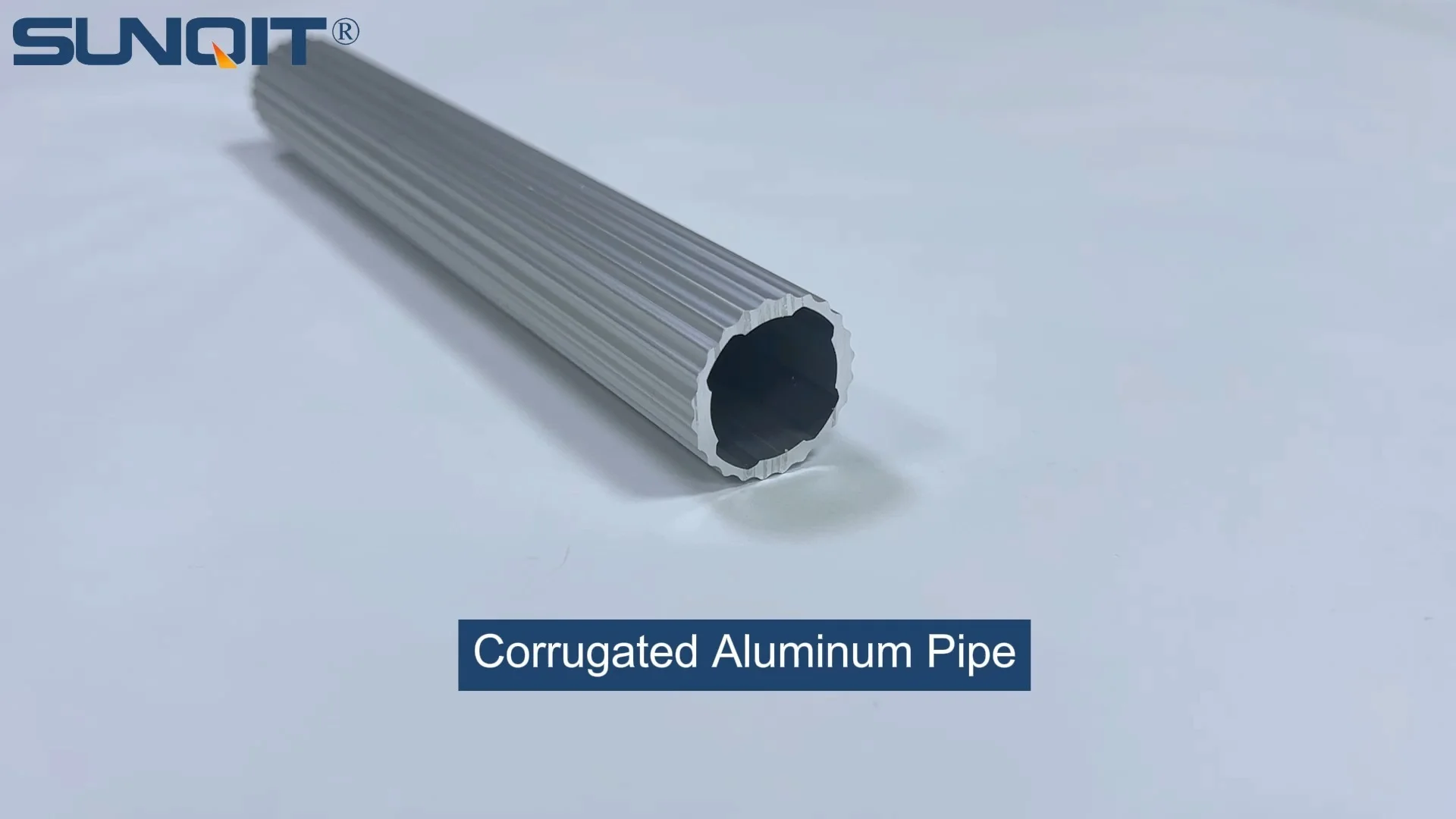
Corrugated Aluminum Pipe
Product Description The slot side is 10mm which can work with a T sliding block for connection accessories Quick Detail Product name Corrugated Aluminum pipe model GLT28-T-3010A Material Science 6005-T6 thickness 1.7mm surface treatment anodic oxidat
In the world of manufacturing and production, where every second counts and waste is the enemy, lean systems have become the backbone of efficient operations. At their core, lean systems thrive on streamlining processes, reducing unnecessary steps, and creating workflows that feel almost intuitive—like a well-choreographed dance where every movement serves a purpose. But here's the thing: even the most well-designed lean strategy can stumble if the tools and components supporting it aren't up to the task. And when it comes to building the physical infrastructure of lean systems—think workbenches, flow racks, conveyors, and turnover trolleys—the choice of materials matters more than you might realize.
Today, we're diving into a debate that's quietly shaping the way many facilities approach lean setup: corrugated aluminum pipe versus plastic pipe. Both are popular choices for constructing the modular, flexible structures that keep lean systems running, but they bring very different strengths (and weaknesses) to the table. Whether you're a plant manager looking to upgrade your current setup, a lean coordinator tasked with optimizing material flow, or just someone curious about the nuts and bolts of efficient manufacturing, this breakdown will help you decide which material deserves a spot in your lean toolkit.
First Things First: What Are Lean Systems, Anyway?
Before we jump into pipes, let's make sure we're all on the same page about lean systems. At its simplest, a lean system is a methodology focused on maximizing value while minimizing waste. That means cutting out anything that doesn't add value to the product or process—whether it's excess inventory, unnecessary movement of materials, or downtime caused by faulty equipment. To do this, lean relies heavily on modular, adaptable structures that can evolve with changing production needs. Enter: pipes. These unassuming components form the skeleton of workbenches, flow racks, and trolleys—structures that need to be strong enough to support daily use, flexible enough to reconfigure when workflows change, and durable enough to keep up with the pace of a busy facility.
Now, the two front-runners for these critical roles are corrugated aluminum pipe and plastic pipe. Let's break down what each is, how they perform, and where they shine (or fall short) in a lean environment.
Understanding Corrugated Aluminum Pipe: The Heavyweight Contender
Corrugated aluminum pipe isn't your average metal tube. Picture a pipe with a series of ridges (corrugations) running along its length—these ridges aren't just for show. They're engineered to boost strength without adding unnecessary weight, making the pipe both robust and surprisingly lightweight. But what exactly is it made of? As the name suggests, it's primarily aluminum, often alloyed with other metals like magnesium or silicon to enhance its mechanical properties. The corrugation process involves forming these ridges under high pressure, which work to distribute stress evenly across the pipe's surface. This design trick is why corrugated aluminum can handle heavy loads without bending or warping, even over long spans.
One of the first things you'll notice about corrugated aluminum pipe is its heft—though not in a bad way. It feels solid, like it's built to last. And that's no accident. Aluminum itself is known for its impressive strength-to-weight ratio; it's lighter than steel but still packs a punch when it comes to load capacity. The corrugations take that a step further by adding rigidity, so you get a pipe that can support everything from tools and components on a workbench to boxes of parts on a flow rack. Plus, aluminum is naturally resistant to corrosion, which is a big deal in environments where moisture, oils, or chemicals might be present. Unlike some metals, it won't rust, and it holds up well against everyday spills and splashes—no need for constant painting or coating to keep it in shape.
But corrugated aluminum pipe isn't just about brute strength. It's also surprisingly versatile. Thanks to its modular design, it works seamlessly with aluminum profile accessories—think joints, connectors, and brackets that let you snap together structures in minutes. Need to adjust the height of a workbench? Swap out a few joints. Want to add a new shelf to a flow rack? Just cut a pipe to length and secure it with a connector. This flexibility is music to the ears of lean coordinators, who often need to reconfigure setups on the fly to adapt to new product lines or production schedules.

Understanding Plastic Pipe: The Lightweight Challenger
On the other side of the ring, we have plastic pipe—a material that's long been favored for its affordability and ease of use. When we talk about plastic pipe in a lean context, we're usually referring to types like PVC (polyvinyl chloride) or PE (polyethylene), though there are others. These pipes are made by extruding plastic resin into a tubular shape, resulting in a smooth, lightweight product that's easy to cut, bend, and assemble. Unlike corrugated aluminum, plastic pipe has a uniform, non-porous surface, which can be a plus for certain applications (more on that later).
The biggest draw of plastic pipe is its cost. It's generally cheaper upfront than aluminum, making it an attractive option for facilities working with tight budgets or those that need to set up temporary structures. It's also incredibly lightweight—so much so that a single person can carry multiple lengths without breaking a sweat. This makes installation a breeze; you won't need heavy machinery or extra hands to put together a basic workbench or trolley. And let's not forget flexibility: plastic pipe can bend slightly under pressure, which can be useful for creating curved structures or absorbing minor impacts (though we'll talk about the downside of that flexibility later).
Plastic pipe also has some niche advantages. For example, it's non-conductive, which can be a safety plus in environments with electrical equipment. It's also resistant to many chemicals, though this depends on the type of plastic—PVC, for instance, holds up well against acids and alkalis, while PE is better for oil and fuel resistance. And because it's smooth and easy to clean, it's sometimes used in industries where hygiene is a priority, like food processing or pharmaceuticals (though aluminum can also be cleaned easily, so this isn't a unique selling point).
Head-to-Head: Corrugated Aluminum Pipe vs. Plastic Pipe in Lean Systems
Now, let's get down to the nitty-gritty: how do these two materials stack up when it comes to the specific demands of a lean system? We'll compare them across key categories that matter most in a production environment.
Durability & Longevity: Which One Keeps Up with the Grind?
In a lean facility, equipment doesn't get a day off. Workbenches are used from morning till night, flow racks are loaded and unloaded constantly, and trolleys are pushed back and forth across factory floors. That means the pipes forming these structures need to withstand daily wear and tear without showing signs of fatigue. Here's where corrugated aluminum pulls ahead. Aluminum's inherent strength, combined with the corrugated design, makes it incredibly durable. It can handle repeated impacts (like a heavy tool being set down on a workbench) and resist dents, even after years of use. Plastic pipe, on the other hand, is prone to cracking or warping over time, especially if it's exposed to extreme temperatures. Leave a plastic pipe out in the sun on a hot day, and it might soften; subject it to freezing temperatures, and it could become brittle. Over time, these small damages add up, leading to wobbly workbenches or sagging flow racks that need frequent repairs or replacement.
Another factor is weight bearing. Let's say you're building a workbench (keyword: workbench) for an assembly line, where workers will place tools, components, and half-finished products. A corrugated aluminum frame can easily support 100+ kg without so much as a creak. Plastic pipe? It might start to bow under that kind of load, especially if the span between supports is wide. This isn't just a matter of annoyance—it's a safety risk. A sagging workbench could cause tools to slide off, or worse, the entire structure could collapse if pushed beyond its limits. In lean terms, this means downtime for repairs, wasted resources on replacements, and potential disruptions to the workflow—exactly the kind of waste lean systems aim to eliminate.
Flexibility & Customization: Adapting to Lean's Changing Needs
Lean systems aren't static. As production needs change—new products, higher volumes, updated workflows—the structures supporting them need to adapt quickly. This is where both materials have something to offer, but in different ways. Plastic pipe is lightweight and easy to cut, so you can quickly trim it to length with a basic saw and assemble it using simple connectors. This makes it great for temporary setups or facilities that need to reconfigure structures weekly or monthly. However, there's a catch: plastic's flexibility works against it here. Because it bends under pressure, structures made with plastic pipe might not hold their shape as well over time, especially after multiple reconfigurations. You might find yourself tightening joints or replacing bent pipes more often than you'd like.
Corrugated aluminum pipe, while slightly heavier, offers a different kind of flexibility: modularity. It pairs seamlessly with aluminum profile accessories—joints, brackets, and connectors designed specifically to work with aluminum pipes. These accessories lock into place securely, so once you build a structure, it stays put until you intentionally take it apart. And when you do need to reconfigure? The same accessories make it easy to disassemble and rebuild. For example, if you need to add an extra shelf to a flow rack, you can simply remove a section of pipe, add a new connector, and extend the structure—no need to buy new parts or start from scratch. This modularity aligns perfectly with lean's focus on continuous improvement; it lets you evolve your setup without wasting time or materials.
Cost: Short-Term Savings vs. Long-Term Investment
Let's talk money—a topic that always gets attention in facility management. Plastic pipe wins the upfront cost battle hands down. A length of plastic pipe might cost half as much as a comparable corrugated aluminum pipe, and since it's lighter and easier to install, labor costs are also lower initially. For small-scale projects or temporary setups, this can be a big advantage. But lean systems are about long-term efficiency, and here's where the tables turn: aluminum has a much lower total cost of ownership. Because it's more durable, you won't need to replace it as often. A plastic pipe might last 1–3 years in a busy facility before it cracks or warps; aluminum, on the other hand, can last 10+ years with minimal maintenance. When you factor in the cost of replacing plastic pipes every few years, the initial savings start to disappear.
Consider this scenario: A facility sets up 10 workbenches using plastic pipe, costing $500 total. Three years later, half of those pipes need replacing, costing another $250. Over a decade, that's potentially $1,250 in replacements. Compare that to aluminum workbenches, which might cost $1,000 upfront but need no replacements for 10 years. The aluminum option ends up being cheaper in the long run—and that's not even counting the downtime spent replacing pipes or the risk of workflow disruptions from failed structures. For lean systems, which prioritize stability and reliability, aluminum's long-term value is hard to beat.
Sustainability: Lean and Green
Sustainability is no longer a nice-to-have in manufacturing; it's a core part of lean philosophy (after all, waste reduction includes environmental waste). Here, corrugated aluminum pipe has a clear edge. Aluminum is 100% recyclable, and recycling it uses just 5% of the energy required to produce new aluminum. This means at the end of its long life, your aluminum pipe can be melted down and turned into new components—no waste, no guilt. Plastic pipe, on the other hand, is often made from non-recyclable plastics (or requires specialized recycling processes that many facilities don't have access to). Even when it is recyclable, it degrades slightly each time it's recycled, limiting its lifespan. Plus, plastic production relies heavily on fossil fuels, making it a less eco-friendly choice overall. For facilities aiming to align their lean practices with sustainability goals, aluminum is the more responsible option.
Maintenance: Keeping Things Running Smoothly
In lean systems, downtime is the enemy. The less time you spend maintaining equipment, the more time you spend producing value. Corrugated aluminum pipe is a low-maintenance dream in this regard. Its corrosion resistance means you don't need to paint or coat it to protect it from the elements. A quick wipe with a damp cloth is usually enough to keep it clean, even in dusty or oily environments. The only real maintenance needed is occasional tightening of connectors—something that takes minutes, not hours.
Plastic pipe, while also low-maintenance in theory, can require more attention over time. If it's exposed to sunlight, it might fade or become brittle, so you might need to replace sections sooner. If it's used in a high-moisture environment, mold or mildew can grow on its surface (though this is rare if cleaned regularly). And because it's less rigid, joints can loosen more easily, leading to wobbly structures that need frequent adjustments. All of these small tasks add up, taking time away from more critical lean activities.
The Comparison Table: At a Glance
| Feature | Corrugated Aluminum Pipe | Plastic Pipe |
|---|---|---|
| Durability & Longevity | High; resists dents, corrosion, and warping; lasts 10+ years | Moderate; prone to cracking/warping; lasts 1–3 years in heavy use |
| Load Capacity | High; supports heavy loads (100+ kg) without bending | Moderate; sags under heavy loads; best for light to medium use |
| Flexibility & Customization | Modular with aluminum profile accessories; easy to reconfigure and stays rigid | Lightweight and easy to cut; flexible but may lose shape over time |
| Cost | Higher upfront cost; lower long-term total cost of ownership | Lower upfront cost; higher long-term replacement costs |
| Sustainability | 100% recyclable; low environmental impact | Often non-recyclable; relies on fossil fuels for production |
| Maintenance | Low; occasional connector tightening; easy to clean | Moderate; may need replacement due to brittleness; joint tightening |
Real-World Applications: When to Choose Which
So, with all this information, how do you decide between corrugated aluminum pipe and plastic pipe for your lean system? Let's look at some common scenarios:
Scenario 1: A Busy Automotive Assembly Line
Imagine a facility where workbenches are loaded with heavy tools, flow racks hold engine parts, and trolleys are pushed back and forth dozens of times a day. This is no place for flimsy materials. Corrugated aluminum pipe would be the clear choice here. Its high load capacity and durability ensure that workbenches stay stable, flow racks don't sag under the weight of parts, and trolleys hold up to constant use. The initial investment pays off in reduced downtime and fewer replacements—key for a line that can't afford interruptions.
Scenario 2: A Small Electronics Workshop with Frequent Product Changes
A small workshop that produces custom electronics might need to reconfigure workbenches and flow racks every few weeks to accommodate new product sizes. Here, plastic pipe could make sense—at least for some structures. Its low cost and easy installation allow for quick changes without breaking the bank. However, if the workshop handles heavy equipment or delicate components that need stable surfaces, mixing in some aluminum structures (like a main workbench) could provide the best of both worlds: flexibility for temporary setups and stability for critical areas.
Scenario 3: A Food Processing Facility with Strict Hygiene Standards
Food processing facilities need structures that are easy to clean and resistant to moisture. Both aluminum and plastic can work here, but aluminum has an edge. It's non-porous (like plastic) but more durable, so it won't scratch or harbor bacteria in tiny cracks. Plus, it's corrosion-resistant, which is important in environments where water or cleaning chemicals are used daily. Plastic pipe could be used for lightweight, temporary storage racks, but aluminum would be better for permanent workbenches or conveyors.
Conclusion: Which Pipe is Better for Lean Systems?
At the end of the day, the choice between corrugated aluminum pipe and plastic pipe comes down to your facility's specific needs. If you prioritize long-term durability, stability, and sustainability—and you're willing to invest upfront—corrugated aluminum pipe is the clear winner. It aligns perfectly with lean's focus on efficiency and waste reduction by minimizing downtime, lowering replacement costs, and adapting easily to changing workflows. Its modularity, paired with aluminum profile accessories, makes it a versatile, future-proof option for any lean system.
Plastic pipe, on the other hand, has its place—especially for temporary setups, tight budgets, or light-duty applications. It's a good starting point for small facilities or those just beginning their lean journey. But as your lean system matures and your production needs grow, you'll likely find that aluminum offers the reliability and longevity needed to take your efficiency to the next level.
Remember, lean systems are about more than just processes—they're about building a foundation that supports continuous improvement. Corrugated aluminum pipe isn't just a material; it's an investment in that foundation. It's the kind of choice that pays off in smoother workflows, fewer headaches, and a facility that's ready to tackle whatever comes next. And in the world of lean, that's priceless.