- Company Articles
- Products and Technology
- Product knowledge
- Corrugated Aluminum Pipe vs Stainless Steel: Which Suits Your Industry?

Corrugated Aluminum Pipe vs Stainless Steel: Which Suits Your Industry?
Related Product
Corrugated Aluminum Pipe
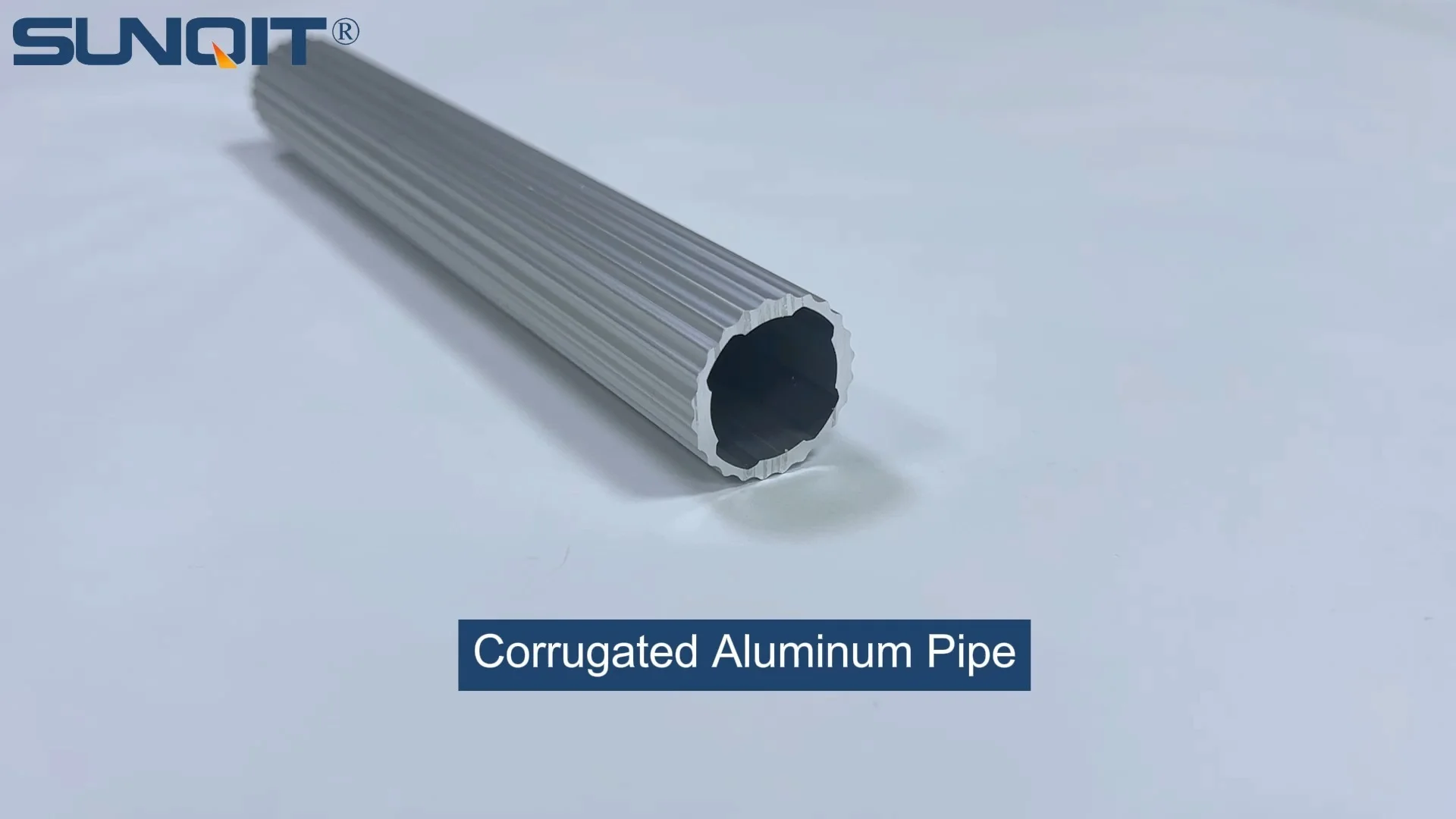
Product Description The slot side is 10mm which can work with a T sliding block for connection accessories Quick Detail Product name Corrugated Aluminum pipe model GLT28-T-3010A Material Science 6005-T6 thickness 1.7mm surface treatment anodic oxidat
In the bustling world of manufacturing, logistics, and industrial workflow, every component plays a silent but critical role in keeping operations running smoothly. From the assembly lines that piece together our daily essentials to the material racks that organize inventory, the materials we choose form the backbone of efficiency. Today, we're diving into two heavyweights of the industrial piping world: corrugated aluminum pipe and stainless steel pipe series. Both have earned their stripes, but which one deserves a spot in your industry? Let's break it down—no jargon, just the facts you need to make an informed choice.
What Even Is Corrugated Aluminum Pipe? Let's Start with the Basics
First things first: corrugated aluminum pipe isn't your average tube. Picture a regular aluminum pipe, then imagine it with a series of wave-like ridges (corrugations) running along its length. Those ridges aren't just for show—they're engineering genius. But to truly appreciate this material, we need to start at the beginning: what's it made of, and how does it get that signature shape?
Composition and Manufacturing: More Than Just Aluminum
Corrugated aluminum pipe starts as high-grade aluminum alloy, often blended with magnesium or silicon to boost strength without sacrificing lightness. The manufacturing process involves feeding flat aluminum sheets through a series of rollers that press the material into its iconic wavy pattern. This isn't just about aesthetics—corrugation adds structural integrity. Think of it like the way a cardboard box with ridges is sturdier than a flat sheet of cardboard. The waves distribute weight and stress evenly, making the pipe surprisingly tough for its weight.
The "Corrugated" Advantage: Flexibility Meets Strength
Here's where corrugated aluminum pipe really shines: flexibility. Unlike rigid straight pipes, those ridges allow it to bend slightly without cracking—a game-changer in environments where workflows shift or machinery moves. Need to route a pipe around a tight corner on an assembly line? Corrugated aluminum can handle it without requiring complex elbow joints. And don't mistake flexibility for weakness: this pipe can still support heavy loads, whether it's holding up a material rack or guiding products along a conveyor.
Aluminum Profile Accessories: Making Installation a Breeze
No pipe works alone, and corrugated aluminum pipe is no exception. The right aluminum profile accessories turn a simple tube into a fully functional part of your workflow. Think brackets that clamp securely to the corrugations, joints that lock into place without welding, and end caps that protect against debris. These accessories are designed for speed—most snap or bolt on, cutting down installation time from hours to minutes. For industries embracing lean pipe system principles, where minimizing downtime and maximizing adaptability are key, this is a huge win.
Stainless Steel Pipe Series: The Tough Guy with a Legacy
Now, let's shift gears to the stainless steel pipe series—a material with a reputation for being the "workhorse" of industrial settings. If corrugated aluminum is the agile sprinter, stainless steel is the marathon runner: steady, reliable, and built to last. But what exactly makes up this series, and why has it been a staple for decades?
Inside the Series: Thickness, Grades, and Strength
The stainless steel pipe series isn't a one-size-fits-all solution. It includes variations like 2.0mm, 1.5mm, and 1.2mm thicknesses (sound familiar? Those numbers refer to the pipe wall thickness, and they matter). Thicker walls (like 2.0mm) mean higher load capacity—ideal for supporting heavy machinery or storing bulky materials. Thinner options (1.2mm) are lighter but still robust enough for tasks like conveying lightweight parts. Most stainless steel pipes in this series are made from 304 or 316 grade steel: 304 is great for general use, while 316 adds molybdenum for extra corrosion resistance, making it perfect for wet or chemical-heavy environments.
Corrosion Resistance: Fighting the Elements
Stainless steel's biggest claim to fame? It's rust-resistant. Thanks to a thin layer of chromium oxide that forms on its surface, it repels moisture and chemicals that would eat away at other metals. Spills, humidity, even occasional exposure to saltwater—stainless steel takes it all in stride. This makes it a top choice for industries like food processing (where cleanliness and resistance to acidic spills are critical) or marine logistics (where salt air is a constant threat).
The Downside? Weight and Rigidity
No material is perfect, and stainless steel has its trade-offs. For one, it's heavy. A 10-meter length of 2.0mm stainless steel pipe can weigh twice as much as the same length of corrugated aluminum. This adds up during installation—you'll likely need extra hands or equipment to move and mount it. Rigidity is another factor: stainless steel doesn't bend easily, so changing your workflow often means disassembling and reassembling sections, which can slow down processes—something lean pipe system enthusiasts try to avoid.

Head-to-Head: Comparing the Two Titans
To really see how these materials stack up, let's put them side by side. The table below breaks down key factors like durability, cost, and practicality—so you can see which one aligns with your industry's needs.
| Factor | Corrugated Aluminum Pipe | Stainless Steel Pipe Series |
|---|---|---|
| Weight (per meter, 1.5mm wall) | ~1.2 kg | ~2.8 kg |
| Flexibility | High (bends slightly without damage) | Low (rigid, requires joints for angles) |
| Corrosion Resistance | Good (resists rust; better with protective coating) | Excellent (chromium oxide layer repels most chemicals) |
| Initial Cost (per meter) | Moderate ($15–$25) | Higher ($25–$40) |
| Installation Time | Fast (lightweight + aluminum profile accessories) | Slower (heavy; may need welding or specialized tools) |
| Maintenance Needs | Low (occasional cleaning; check for dents) | Very Low (wipe clean; no coating to reapply) |
| Ideal Load Capacity | Medium (up to 150kg per linear meter) | High (up to 300kg per linear meter) |
| Lean Pipe System Compatibility | Excellent (modular, easy to reconfigure) | Good (durable but less adaptable) |
Industry Spotlight: Where Each Material Thrives
The best material for you depends on your industry's unique demands. Let's look at real-world scenarios where one outperforms the other.
Corrugated Aluminum Pipe: Ideal for Fast-Paced, Adaptive Industries
Automotive Manufacturing: Car assembly lines are all about change. New models, updated parts, and shifting workflows mean the production floor is constantly evolving. Corrugated aluminum pipe, paired with aluminum profile accessories, lets teams reconfigure workbenches, material racks, and conveyor guides in hours, not days. Its light weight also reduces strain on workers who need to adjust setups regularly.
E-commerce Warehousing: Fulfillment centers handle thousands of packages daily, and efficiency is everything. Corrugated aluminum pipe's flexibility helps create custom roller tracks that guide packages smoothly around corners, while its low weight makes it easy to install overhead racks for extra storage. And since e-commerce trends shift fast (hello, holiday rushes!), the ability to tweak layouts quickly is a must.
Stainless Steel Pipe Series: Perfect for Harsh, High-Durability Environments
Chemical Processing Plants: Spills of acids, solvents, or caustic cleaners are par for the course here. Stainless steel's corrosion resistance ensures pipes and racks stay intact, avoiding costly leaks or contamination. Its rigidity is also an asset—pipes carrying heavy chemical drums need to stay stable, and stainless steel delivers that without bending.
Marine and Offshore Logistics: Saltwater, high humidity, and constant vibrations from ship engines—this is no place for delicate materials. The stainless steel pipe series thrives here, standing up to rust and wear even in the harshest ocean conditions. Its weight is a plus too, as it adds stability to structures like cargo racks that need to stay anchored during rough seas.
Choosing Your Champion: A Step-by-Step Guide
Still on the fence? Ask yourself these questions to narrow it down:
1. What's Your Primary Environment?
If your workspace is dry, climate-controlled, and changes often (like a tech assembly line), corrugated aluminum pipe is your friend. If you're dealing with moisture, chemicals, or extreme temperatures (think food processing or coastal warehouses), stainless steel is the safer bet.
2. How Often Do You Reconfigure Workflows?
Lean pipe system lovers, listen up: if you're rearranging workbenches, racks, or conveyors monthly (or even weekly), corrugated aluminum's light weight and flexibility will save you time and labor. If your setup is more permanent (like a heavy machinery production line), stainless steel's durability justifies the initial effort.
3. What's Your Budget—Short-Term and Long-Term?
Corrugated aluminum has a lower upfront cost and cheaper installation. But if you're in a corrosive environment, stainless steel might save you money in the long run by avoiding replacements. Do the math: a stainless steel pipe that lasts 10 years vs. an aluminum one that needs replacing every 5 years—sometimes the pricier option wins.
4. What Load Are You Supporting?
Light to medium loads (up to 150kg per linear meter)? Aluminum works. Heavy loads (150kg+)? Go with stainless steel. Overloading aluminum can lead to dents or bending, while stainless steel handles weight like a pro.
Final Thoughts: It's About Fit, Not Perfection
At the end of the day, there's no "better" material—only the one that fits your industry's unique rhythm. Corrugated aluminum pipe brings flexibility, speed, and cost savings to fast-paced, adaptive workspaces, especially when paired with aluminum profile accessories and lean pipe system principles. Stainless steel pipe series, on the other hand, is the reliable choice for harsh environments and heavy-duty tasks, where durability and corrosion resistance can't be compromised.
So, take stock of your workflow, your environment, and your goals. Talk to suppliers, test samples if you can, and remember: the best piping material is the one that works for you —quietly supporting your operations so you can focus on what really matters: growing your business.