- Company Articles
- Products and Technology
- Product knowledge
- Cost Analysis: Aluminum Honeycomb Panels vs. Steel Sheets for Production Floors

Cost Analysis: Aluminum Honeycomb Panels vs. Steel Sheets for Production Floors
Related Product
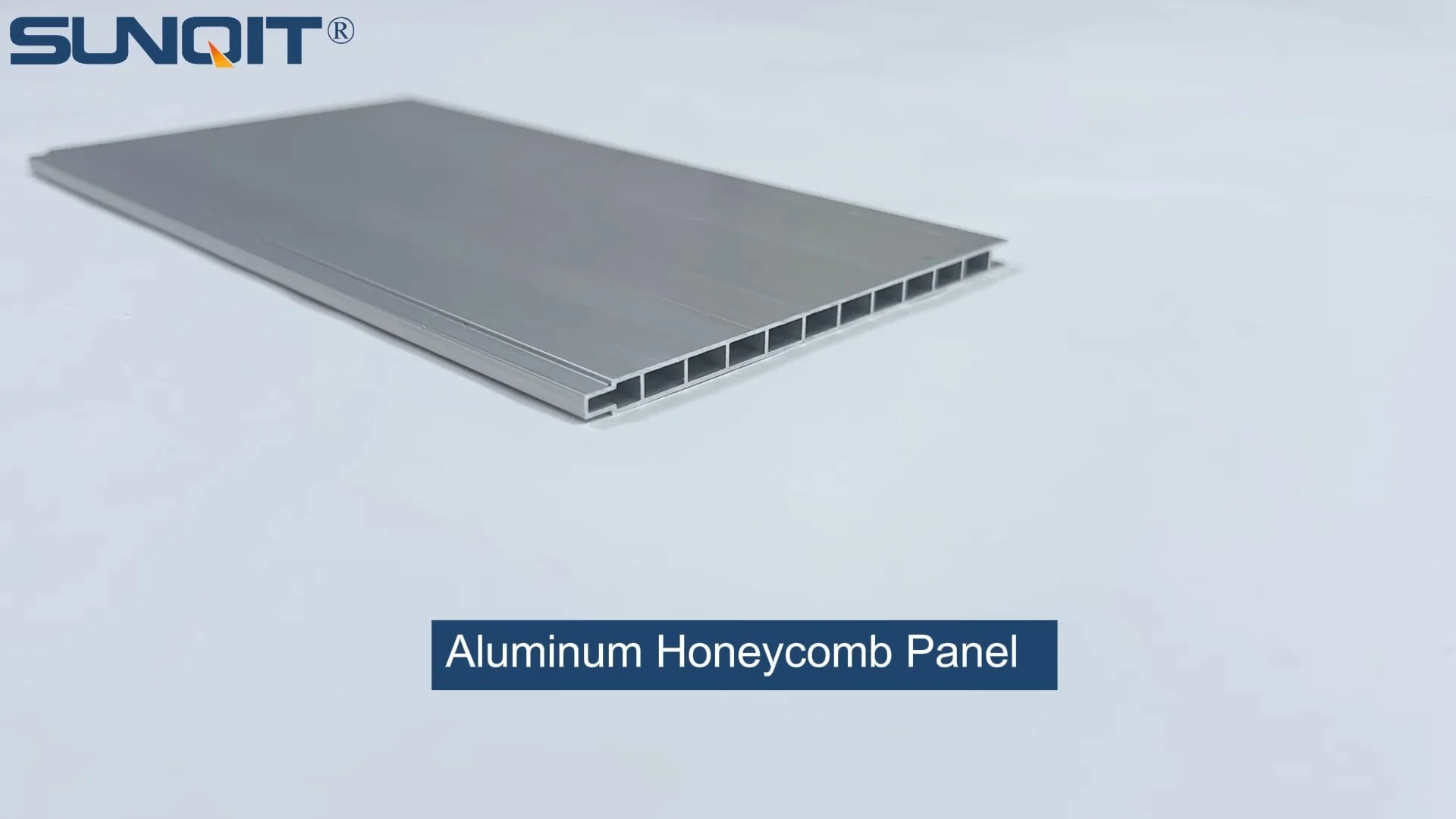
Aluminum Honeycomb Panel
Aluminum honeycomb panel used as table top, side wall, it is connected one pcs by one pcs from the side slot to make a full pieces.This panel width 105mm, 55mm, 35mm are optional for slection.
Walk into any manufacturing facility, and the first thing that hits you isn't just the hum of machinery or the scent of fresh metal—it's the floor beneath your feet. Production floors are the unsung heroes of manufacturing, silently bearing the weight of heavy equipment, constant foot traffic, and the relentless pace of production assemble lines. The material you choose for these floors isn't just a practical decision; it's a long-term investment that ripples through your budget, efficiency, and even employee morale. For decades, steel sheets have been the default choice, prized for their toughness and familiarity. But in recent years, aluminum honeycomb panels have emerged as a compelling alternative, especially for facilities aiming to align with lean system principles. Today, we're diving deep into the cost battle between these two materials—not just the upfront price tag, but the hidden expenses, long-term savings, and unexpected benefits that truly define value.
1. The Upfront Price Tag: Steel's Initial Edge
Let's start with the number that usually grabs attention first: how much do these materials cost to buy? If you're comparing apples to apples (or sheets to panels), steel sheets often come out cheaper at first glance. A standard 1.2mm thick steel sheet might run you anywhere from $45 to $75 per square meter, depending on the grade and supplier. For heavier-duty 3mm sheets—common in high-traffic areas—the price jumps to $80 to $120 per square meter, but that's still a range that fits comfortably into tight budgets.
Aluminum honeycomb panels, on the other hand, tend to make facility managers pause when they see the initial quote. These panels, which consist of a lightweight aluminum honeycomb core sandwiched between thin aluminum skins, typically cost between $100 and $180 per square meter. At first blush, that's a 30-50% premium over steel. But here's the catch: aluminum honeycomb panels are engineered to be strong without the bulk. A 25mm thick honeycomb panel can often match the load-bearing capacity of a 3mm steel sheet, but weighs significantly less—around 8-10 kg per square meter versus steel's 23-25 kg. That weight difference? It's about to become a very important factor in the cost story.
2. Installation: When Labor Costs Outweigh Material Savings
Imagine this: you've ordered 500 square meters of steel sheets for your new production line. The delivery truck arrives, and your team starts unloading. Each sheet is heavy—so heavy that you need two workers per sheet, plus a forklift to move them around the shop floor. By the end of the day, you've spent hours just maneuvering material, and your crew is exhausted. Now, picture the same scenario with aluminum honeycomb panels: one worker can easily carry a panel, and you can fit twice as many on a truck. Suddenly, that higher material cost starts to look like a bargain.
Installation labor is where steel's upfront savings often evaporate. Steel sheets require specialized tools for cutting (think plasma cutters or heavy-duty shears) and mounting (welding or drilling into concrete). A crew of 4 might take 3-4 days to install 500 square meters of steel, with hourly wages adding up to $1,200-$1,800. Aluminum honeycomb panels, by contrast, are lightweight and pre-cut to size by most suppliers. They can be mounted with simple screws or adhesives, and a crew of 2-3 could finish the same job in 1-2 days, trimming labor costs to $600-$900. For larger facilities—say, 2,000 square meters—that's a labor savings of $2,400-$3,600 right off the bat.
And let's not forget transportation. Shipping 500 square meters of steel sheets means hiring a heavy-duty truck and possibly paying extra for weight surcharges. Aluminum honeycomb panels, being lighter, fit more easily into standard trucks, cutting shipping costs by 30-40%. For a facility in a remote area, that could add up to thousands saved before the first panel even touches the ground.

3. Maintenance: The Hidden Cost of "Tough" Materials
Steel is tough, no doubt about it. But toughness doesn't equal low maintenance. Walk into a 10-year-old steel-floored facility, and you'll likely see the signs: rust spots near leaky machines, chipped paint where pallets have scraped the surface, and uneven seams that trap dirt and debris. Each of these issues isn't just unsightly—they're costly. A single rust spot can spread if left untreated, requiring sanding, priming, and repainting at $2-$5 per square foot. Over time, those small repairs add up: a 5,000 square meter facility might spend $5,000-$10,000 annually on steel floor maintenance alone.
Aluminum honeycomb panels, by contrast, are practically maintenance-free. Aluminum's natural resistance to corrosion means rust isn't a concern, even in humid environments or areas prone to spills. The panels' smooth, non-porous surface repels dirt and oil, so a quick sweep or pressure wash is usually all it takes to keep them clean. And because they're made from a single, rigid panel (no seams to trap debris), there's no risk of edges lifting or creating tripping hazards. Over a decade, that translates to $0-$1,000 in maintenance costs for aluminum versus $50,000-$100,000 for steel. That's not just savings—that's money you can reinvest in new equipment or employee training.

4. Lean Systems and Flexibility: When Your Floor Adapts to You
Here's where aluminum honeycomb panels start to feel less like a floor material and more like a strategic tool for lean system success. Lean manufacturing is all about eliminating waste—whether that's wasted time, wasted space, or wasted effort. Steel floors, while strong, are static. Once they're welded or bolted down, reconfiguring your production line means cutting, welding, and repainting sections of the floor—a process that can take days and disrupt production. For a facility that needs to pivot between product lines (say, switching from assembling small electronics to larger appliances), that downtime can cost $10,000-$20,000 per day in lost output.
Aluminum honeycomb panels, though, are designed for flexibility. Their lightweight nature makes them easy to remove and reposition, even in sections. Need to add a new workbench or shift a conveyor belt? Simply unbolt the relevant panels, move them, and reattach—all in a matter of hours. Some facilities even use modular aluminum honeycomb tiles that snap together like puzzle pieces, allowing for on-the-fly adjustments. This agility isn't just convenient; it's a direct line to lean efficiency. By reducing reconfiguration time from days to hours, you're cutting waste and keeping your production assemble lines running at full speed.
And let's talk about aluminum profile accessories. Many aluminum honeycomb panels are compatible with standard aluminum extrusion profiles, the same ones used to build workbenches, material racks, and safety barriers. This means you can mount tools, bins, or even overhead lighting directly to the floor panels, eliminating the need for separate mounting brackets or permanent fixtures. It's a small detail, but it adds up to a cleaner, more organized workspace—and fewer trips to the hardware store.
5. Long-Term ROI: The 10-Year Cost Showdown
Numbers tell the clearest story, so let's crunch them. Below is a side-by-side comparison of the total costs for a 1,000 square meter production floor over 10 years, factoring in materials, installation, maintenance, and flexibility:
| Cost Category | Steel Sheets | Aluminum Honeycomb Panels |
|---|---|---|
| Material Cost (1,000 sq m) | $70,000 (avg. $70/sq m) | $140,000 (avg. $140/sq m) |
| Installation Labor | $3,600 (4 workers x 3 days x $30/hr) | $1,800 (3 workers x 2 days x $30/hr) |
| Transportation | $2,000 (heavy-duty truck) | $1,200 (standard truck) |
| Annual Maintenance | $8,000/year x 10 = $80,000 | $500/year x 10 = $5,000 |
| Reconfiguration Costs (2 reconfigs) | $15,000 (2 days downtime x $7,500/day) | $2,000 (8 hours downtime x $2,500/day) |
| 10-Year Total Cost | $170,600 | $150,000 |
Yes, you read that right: over 10 years, aluminum honeycomb panels actually save you $20,600 compared to steel sheets. That's despite the higher upfront material cost. The savings come from lower labor, maintenance, and downtime—costs that often get overlooked in the initial rush to choose the cheapest option.
6. Beyond the Numbers: Comfort, Safety, and Morale
Cost analysis isn't just about dollars and cents—it's about the human element. Steel floors are hard, cold, and unforgiving. Stand on one for 8 hours, and your feet, knees, and back will feel it. Studies show that workers on hard surfaces report 30% more fatigue and 20% more minor injuries (like twisted ankles) compared to those on more forgiving floors. Aluminum honeycomb panels, with their honeycomb core, have a slight give to them—nothing noticeable, but enough to reduce impact on joints. It's a small comfort, but it adds up to happier, more productive employees who take fewer sick days.
Then there's noise. Steel floors amplify sound, turning the clatter of dropped tools or rolling carts into a constant background roar. Over time, that noise can lead to hearing damage and increased stress. Aluminum honeycomb panels, with their cellular structure, act as natural sound dampeners, reducing noise levels by 10-15 decibels. Walk into a facility with aluminum floors, and you'll notice the difference immediately—it's quieter, calmer, and easier to communicate. For workers on the line, that's not just a nicer environment; it's a safer one.
7. When to Stick with Steel (and When to Switch)
Does this mean aluminum honeycomb panels are always the better choice? Not necessarily. If your facility deals with extremely heavy loads—think 10-ton machinery that never moves—steel might still be the way to go. Its density and rigidity make it ideal for static, high-weight applications. Similarly, if you're working with a shoestring budget and no plans to reconfigure your space in the next decade, steel's upfront savings could make sense.
But for most modern facilities—those focused on lean manufacturing, frequent reconfigurations, and long-term cost efficiency—aluminum honeycomb panels are hard to beat. They're an investment in flexibility, sustainability, and the well-being of your team. And in a world where manufacturing margins grow tighter by the day, that's the kind of investment that pays off.
Final Thoughts: The Floor That Pays You Back
At the end of the day, choosing between aluminum honeycomb panels and steel sheets isn't just about picking a floor—it's about picking a partner for your facility's growth. Steel has served us well, but aluminum honeycomb panels represent the future: lighter, smarter, and more aligned with the needs of modern production assemble and lean system goals. Yes, they cost more upfront, but when you factor in labor, maintenance, and the priceless value of flexibility, they become the more economical choice over time.
So the next time you're standing on your production floor, take a moment to look down. Is it holding you back, or propelling you forward? For facilities ready to invest in their future, the answer is clear: aluminum honeycomb panels aren't just a floor—they're a foundation for success.