- Company Articles
- Products and Technology
- Procurement Guidelines
- Cost-Benefit Analysis: 1.5mm Stainless Steel Pipe for Long-Term Lean Investments

Cost-Benefit Analysis: 1.5mm Stainless Steel Pipe for Long-Term Lean Investments
Related Product
1.5mm Stainless Steel Pipe
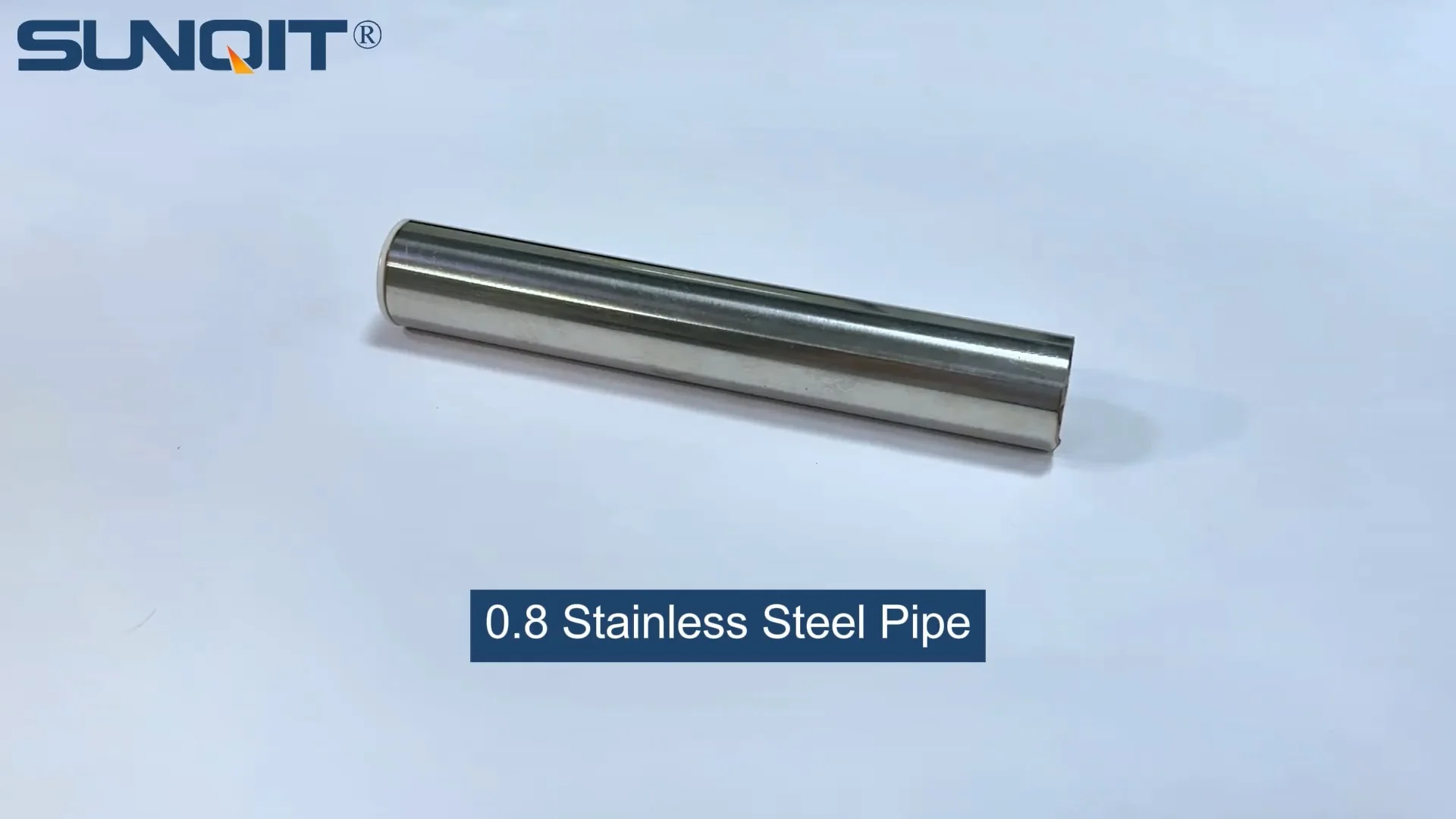
Stainless steel pipe, lean pipe, diameter is 28mm, material is SS201 or SS304, SS201 is normally used in the market. It knows a KARAKURI, KAIZEN material for industrial plant to improve efficiency, save labor cost, standard management.
In the fast-paced world of modern manufacturing, where every second counts and waste is the enemy, lean systems have become more than just a buzzword—they're the backbone of operational efficiency. Ask any plant manager or operations director, and they'll tell you: a well-designed lean system doesn't just cut costs; it transforms how teams work, turning chaos into clarity and bottlenecks into smooth workflows. But here's the thing about lean systems: they're only as strong as the materials that build them. When it comes to material handling infrastructure—think flow racks, workbenches, and turnover trolleys—the choice of pipe can make or break your lean journey. Today, we're zeroing in on a unsung hero in this space: the 1.5mm stainless steel pipe. Is it worth the investment? Let's dive into the numbers, the real-world impact, and why this specific pipe might just be the long-term cornerstone your lean system needs.
The Backbone of Lean Systems: Material Handling Infrastructure
Before we talk pipes, let's ground ourselves in what makes a lean system tick. At its core, lean manufacturing is about eliminating waste—whether that's wasted time, wasted space, or wasted effort. And a huge chunk of that waste creeps in when materials don't flow seamlessly. Parts get stuck on a rickety flow rack. A workbench wobbles under the weight of tools, slowing down assembly. A trolley buckles mid-transport, causing delays and potential damage. These aren't just minor inconveniences; they're silent productivity killers that erode the very efficiency lean systems aim to create.
That's where material handling infrastructure comes in. Flow racks that slide components to workers with minimal effort. Workbenches that stay stable under constant use. Trolleys that glide smoothly across the factory floor. These aren't just pieces of equipment—they're the veins of your operation, carrying the lifeblood (your materials) where they need to go, exactly when they need to be there. And at the heart of these structures? Pipes. They form the frames, the supports, and the rails that make it all work. Choose a flimsy pipe, and you're building on sand. Choose a durable, well-engineered one, and you're laying a foundation for years of reliable performance.
1.5mm Stainless Steel Pipe: A Closer Look at the Material
Composition and Properties: More Than Just "Stainless"
Stainless steel has long been a favorite in manufacturing for good reason: it's tough, resistant to corrosion, and stands up to the daily grind of factory life. But not all stainless steel pipes are created equal. The 1.5mm variant, part of the broader stainless steel pipe series, is a standout for a few key reasons. First, its composition: most 1.5mm stainless steel pipes are made from 304 or 316-grade stainless steel, both known for their high tensile strength and resistance to rust. That's critical in environments where moisture, oils, or chemicals are present—think automotive plants, food processing facilities, or electronics assembly lines. Unlike regular steel, which can corrode and weaken over time, stainless steel holds its ground, even in harsh conditions.
Why 1.5mm? The Sweet Spot in Thickness
You might be wondering: Why 1.5mm? Why not 1.2mm (thinner, cheaper) or 2.0mm (thicker, stronger)? Let's break it down. Thinner pipes, like 1.2mm, might save you a few dollars upfront, but they compromise on load capacity. Imagine a flow rack in a busy warehouse, stacked with heavy components—over time, a 1.2mm pipe might bend or warp, leading to sagging rails and stuck parts. On the flip side, 2.0mm pipes are undeniably strong, but they're also heavier and more rigid. That extra thickness adds unnecessary weight to structures, making them harder to move or reconfigure—something that's a non-starter in lean systems, where adaptability is key (remember: continuous improvement often means tweaking your setup to fit new workflows).
1.5mm hits that sweet spot. It's thick enough to handle the daily demands of a manufacturing environment—think 50-80kg loads on a flow rack, or a workbench supporting tools, parts, and a worker's steady use—without adding excess bulk. It's rigid enough to stay stable, yet lightweight enough to allow for easy adjustments when your lean system needs a refresh. It's the Goldilocks of pipe thickness: not too thin, not too thick, just right.

Cost-Benefit Analysis: Short-Term Expense vs. Long-Term Gain
Let's get to the heart of the matter: cost. At first glance, 1.5mm stainless steel pipe might seem pricier than alternatives. A quick check with a lean pipe supplier will show you: 1.2mm stainless steel is cheaper upfront, and aluminum pipes—often marketed as "lightweight" and "modern"—can also come with a lower sticker price. But lean systems aren't about cutting costs today; they're about creating value for years to come. To truly judge the worth of 1.5mm stainless steel pipe, we need to look beyond the initial invoice and factor in lifespan, maintenance, downtime, and adaptability. Let's break it down.
Initial Investment: Comparing Apples to Apples
First, let's set the stage with numbers. Based on data from leading lean pipe suppliers, here's a rough estimate of costs per meter (prices may vary by supplier and order size):
- 1.2mm stainless steel pipe: $8–$12/meter
- 1.5mm stainless steel pipe: $11–$15/meter
- Aluminum lean pipe (1.5mm wall thickness): $14–$18/meter
On paper, 1.2mm stainless steel looks like the budget winner, with 1.5mm coming in 20-30% higher. Aluminum, interestingly, is pricier than 1.5mm stainless steel—so if you're considering aluminum for cost reasons, you might want to think again. But here's the catch: initial cost is just the first chapter of the story. Let's turn the page.
Lifespan and Durability: Reducing Replacement Costs
A 1.2mm stainless steel pipe might save you $3–$5 per meter upfront, but how long does it last? In a typical factory setting—with daily use, occasional bumps, and exposure to oils or moisture—1.2mm pipes start showing signs of wear within 3–5 years. The thinner wall is more prone to dents, bending, and even corrosion over time (especially if the factory environment is humid). By year 5, you're looking at replacing 20-30% of your flow rack rails or workbench frames. Do that again by year 8, and suddenly that "cheap" 1.2mm pipe isn't looking so cheap anymore.
1.5mm stainless steel pipe, on the other hand, is built to last. Thanks to its thicker wall and corrosion-resistant properties, it can easily hit 10–15 years of reliable use in most manufacturing environments. Even in harsher settings (like food processing, where washdowns are frequent), it outperforms thinner stainless steel, with minimal signs of wear. That means instead of replacing sections every 3–5 years, you're investing once and reaping the benefits for a decade or more. Let's do the math: if you build a flow rack with 50 meters of pipe, 1.2mm costs $500 initially (at $10/meter), but you'll replace 30% of it by year 5 ($150) and another 30% by year 8 ($150), totaling $800 over 8 years. With 1.5mm at $13/meter, the initial cost is $650, but you won't need replacements for at least 10 years. Over the same 8-year period, 1.5mm costs $650 vs. $800 for 1.2mm—a 19% savings, even with the higher upfront price.
Maintenance Requirements: Time = Money
In manufacturing, time is quite literally money. Every hour a team spends fixing a bent pipe or replacing a rusted joint is an hour they're not adding value to your products. Let's compare maintenance needs:
- 1.2mm stainless steel: Thinner walls mean more dents and bends. Over time, corrosion can also eat away at the surface, especially in damp environments. Expect to spend 2–3 hours per month straightening rails, tightening loose joints (since bent pipes put extra stress on connections), or sanding and repainting corroded areas.
- Aluminum lean pipe: Aluminum resists corrosion well, but it's softer than stainless steel. It scratches easily, and while scratches don't affect structural integrity, they can trap dirt and debris—making cleaning a chore. Aluminum also has lower tensile strength, so joints loosen more frequently. Maintenance here is around 1–2 hours per month, mostly tightening joints and cleaning scratches.
- 1.5mm stainless steel: Thanks to its thickness and corrosion resistance, maintenance is minimal. Dents are rare, corrosion is almost non-existent, and joints stay tight because the pipe doesn't warp under load. Most teams report spending less than 30 minutes per month on maintenance—usually just wiping down surfaces or checking for loose connections during routine inspections.
At an average labor cost of $35/hour, that adds up: 1.2mm stainless steel costs ~$70–$105/month in maintenance labor; aluminum costs ~$35–$70/month; 1.5mm stainless steel costs ~$17.50/month. Over a year, 1.5mm saves you $630–$1,050 compared to 1.2mm, and $210–$630 compared to aluminum. That's real money back in your pocket.
Load Capacity and Safety: Avoiding Costly Downtime
A bent pipe or collapsed flow rack doesn't just slow down work—it can halt production entirely. Imagine this: a 1.2mm stainless steel flow rack, loaded with circuit boards, bends under the weight, causing a pileup. Workers stop to clear the jam, supervisors rush to assess damage, and by the time you're back up and running, you've lost 2 hours of production. At an average output of 100 units per hour, that's 200 units lost—easily costing thousands of dollars in missed deadlines or rushed overtime. 1.5mm stainless steel pipe, with its higher load capacity (it can handle 20–30% more weight than 1.2mm), drastically reduces the risk of such failures. It's not just about strength; it's about reliability. When your team trusts that the flow rack won't buckle or the workbench won't wobble, they work faster and with more confidence—another hidden boost to productivity.
Adaptability: Supporting Continuous Improvement
Lean systems aren't static. As your processes improve, you'll want to reconfigure flow racks, adjust workbench heights, or repurpose trolleys. 1.5mm stainless steel pipe shines here. It's lightweight enough to disassemble and reassemble without heavy equipment, but strong enough to maintain structural integrity through multiple reconfigurations. Aluminum, while lightweight, can weaken at the joints after repeated, and 1.2mm stainless steel, already prone to warping, becomes even more unstable with frequent moves. With 1.5mm, you can tweak your setup as often as needed—whether that's adding a new shelf to a workbench or rearranging a flow rack to support a new product line—without worrying about the pipe losing strength. That adaptability is priceless in a lean system, where the ability to pivot quickly is key to staying competitive.
The Bottom Line: A Comparative Table
| Factor | 1.2mm Stainless Steel Pipe | 1.5mm Stainless Steel Pipe | Aluminum Lean Pipe (1.5mm) |
|---|---|---|---|
| Initial Cost (per meter) | $8–$12 | $11–$15 | $14–$18 |
| Estimated Lifespan | 3–5 years | 10–15 years | 7–10 years |
| Annual Maintenance Labor Cost | $840–$1,260 | $210 | $420–$840 |
| Load Capacity (per linear meter) | 50–60kg | 70–80kg | 60–70kg |
| Downtime Risk (per year) | High (3–5 incidents) | Low (0–1 incidents) | Moderate (1–3 incidents) |
| Total 5-Year Cost (per meter)* | $120–$180 | $95–$135 | $150–$210 |
*Total 5-year cost includes initial pipe cost, replacement costs, and maintenance labor (based on average values). Downtime costs not included, as they vary by industry.

Real-World Applications: Where 1.5mm Stainless Steel Pipe Shines
Numbers tell a story, but real-world examples bring it to life. Let's look at two scenarios where 1.5mm stainless steel pipe made a tangible difference for manufacturers.
Case Study 1: Automotive Parts Manufacturer
A mid-sized automotive parts plant in Michigan was struggling with frequent downtime on their assembly line. Their flow racks, built with 1.2mm stainless steel pipe, kept bending under the weight of metal components, causing parts to jam. Maintenance teams were spending 4–5 hours per week fixing racks, and production was falling 10% short of targets. The plant manager, frustrated with the cycle of repairs, reached out to their lean pipe supplier for a solution. After reviewing the load data (average 75kg per flow rack section), the supplier recommended switching to 1.5mm stainless steel pipe.
The initial investment was higher—they spent $12,000 on new pipe vs. the $8,000 they would have spent on 1.2mm—but the results were immediate. Within 3 months, downtime due to flow rack failures dropped to zero. Maintenance hours fell to less than 1 hour per week. By the end of the year, production targets were not only met but exceeded by 8%. The plant estimated the switch saved them $45,000 in labor (maintenance and lost production) in the first year alone. "It wasn't just about the pipe," the plant manager noted. "It was about building a lean system we could trust. The 1.5mm stainless steel gave us that trust."
Case Study 2: Electronics Assembly Workbench
A California-based electronics manufacturer was using aluminum workbenches for their circuit board assembly line. While the aluminum was lightweight, workers complained about instability—tools would slide around, and the benches wobbled during precision work. The team also struggled with cleaning: scratches in the aluminum trapped solder flux and dust, leading to quality control issues. After researching options, they switched to 1.5mm stainless steel pipe for their workbenches. The result? A stable, non-porous surface that was easy to clean and stayed level even with heavy toolboxes on top. Defect rates dropped by 15% (fewer scratched circuit boards from wobbly benches), and workers reported a 20% increase in comfort and efficiency. "The workbench is where our team spends 8 hours a day," the operations director said. "Investing in something that made their jobs easier? That's lean thinking at its best."
Choosing the Right Partner: The Role of a Reliable Lean Pipe Supplier
Of course, none of this matters if you're not getting quality pipe. Even the best design falls flat if the material is subpar. That's why partnering with a reputable lean pipe supplier is critical. A good supplier will:
- Provide material certifications, ensuring the 1.5mm stainless steel pipe meets industry standards for tensile strength and corrosion resistance.
- Offer custom cutting and finishing, so you get pipes in the exact lengths you need (reducing waste from offcuts).
- Stock a full range of accessories—joints, clamps, and end caps—to ensure your structures are built to last.
- Provide technical support, helping you design flow racks, workbenches, and trolleys that maximize the benefits of 1.5mm stainless steel pipe.
Don't settle for the cheapest supplier; look for one with a track record in lean systems. Ask for references, check their quality control processes, and make sure they understand your specific needs. After all, your pipe is the foundation of your lean system—you want to build on trust.
Conclusion: Investing in Long-Term Lean Success
At the end of the day, lean systems are about more than just cutting costs—they're about creating sustainable, scalable efficiency. And sustainability starts with the materials you choose. The 1.5mm stainless steel pipe, with its perfect balance of strength, durability, and adaptability, isn't just a purchase; it's an investment in your lean system's future. Yes, it costs a bit more upfront, but when you factor in reduced maintenance, fewer replacements, less downtime, and years of reliable performance, it's clear: this pipe pays for itself—and then some.
So, to answer the question we started with: Is 1.5mm stainless steel pipe worth the investment? For any manufacturer serious about lean manufacturing—about eliminating waste, boosting productivity, and building a system that grows with them—the answer is a resounding yes. It's not just a pipe. It's the quiet foundation that lets your lean system thrive, today and for years to come.