- Company Articles
- Products and Technology
- Product knowledge
- Cost-Benefit Analysis: Long-Term Savings with T-Groove Aluminum Pipe Systems

Cost-Benefit Analysis: Long-Term Savings with T-Groove Aluminum Pipe Systems
Related Product
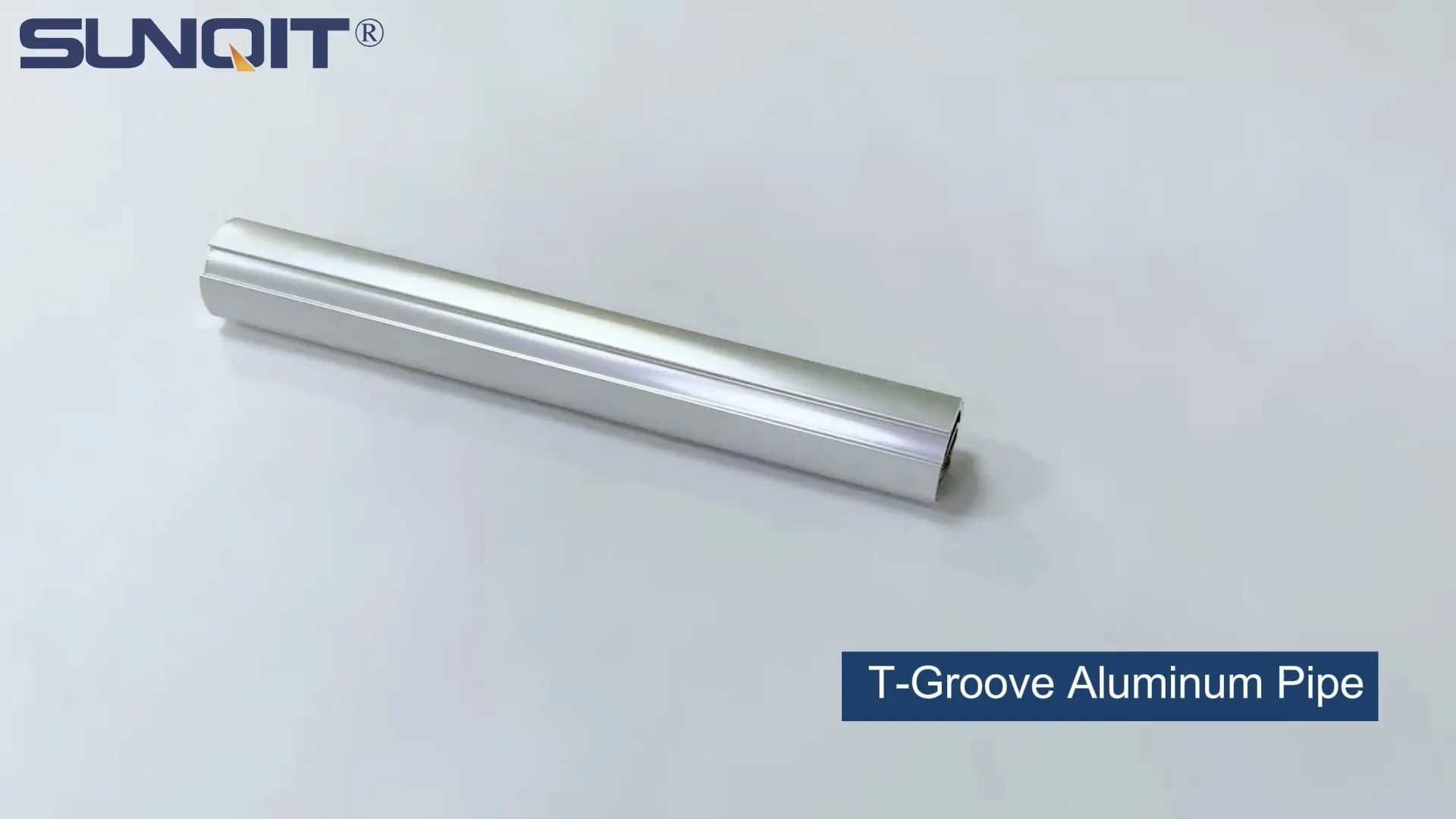
T-Groove Aluminum Pipe
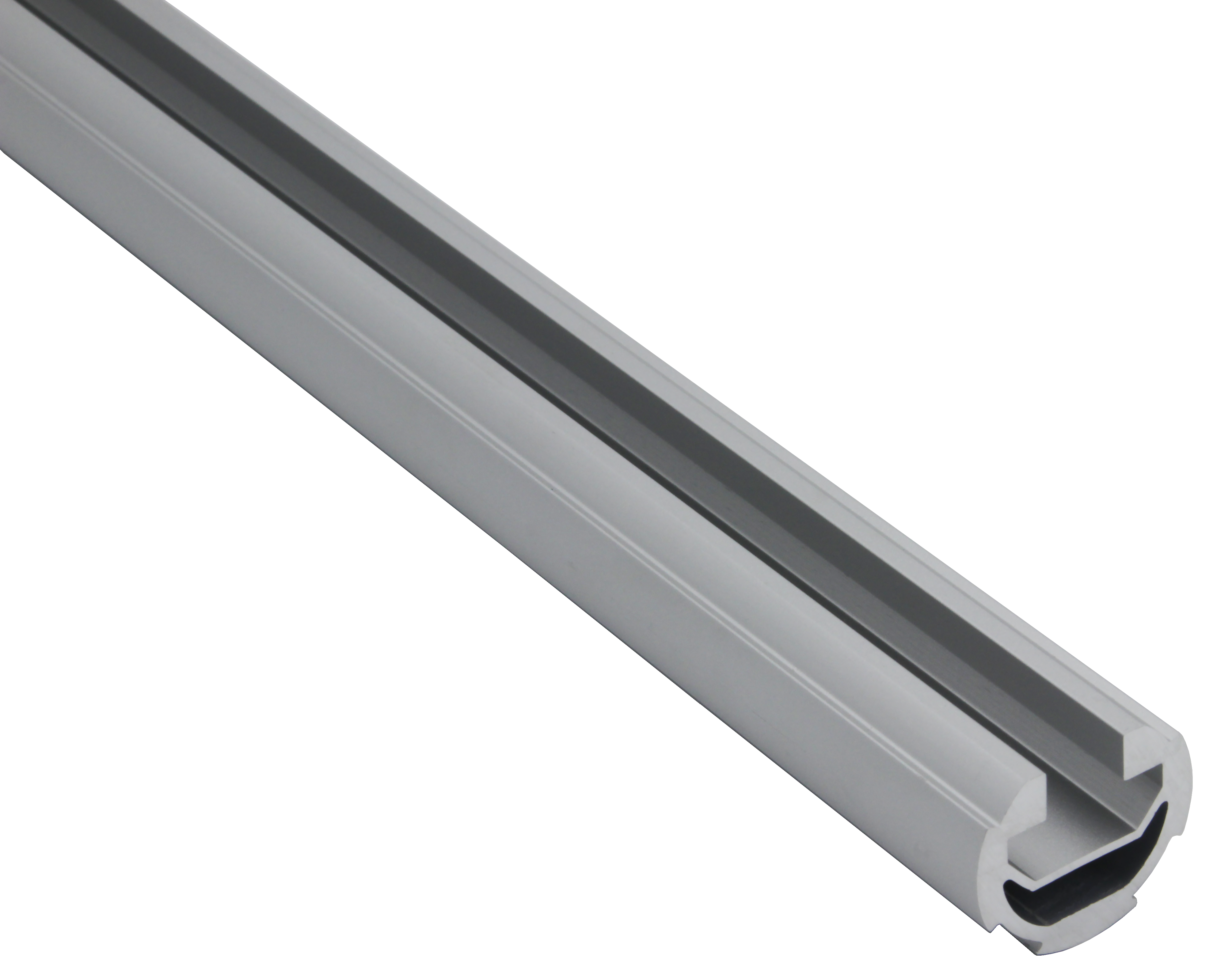
The aluminum pipe opening 10mm is installed into the T-shaped slider, which can be installed with casters or other matching functional parts. The groove can be used for positioning and is used for the track of the roller.
Walk into any busy production facility, and you'll likely spot the same challenge: rigid workstations and material racks that resist change. A new product line, a shift in workflow, or even a simple layout tweak can turn into a logistical nightmare—requiring custom fabrication, downtime, and a budget that balloons faster than expected. For years, manufacturers, warehouse managers, and facility planners have accepted this as the cost of doing business. But what if there was a better way? A system that adapts to your needs, grows with your business, and actually saves you money over time? Enter T-groove aluminum pipe systems—a modular, flexible solution that's quietly revolutionizing how businesses approach production setups, from workbenches to material handling.
Understanding T-Groove Aluminum Pipe Systems: More Than Just "Pipes"
Before diving into the cost savings, let's clarify what T-groove aluminum pipe systems are—and why they're different from the rigid steel or plastic setups you might be used to. At their core, these systems are built around aluminum extrusion profiles —hollow aluminum pipes with a T-shaped groove running along their length. This groove isn't just a design quirk; it's the key to their flexibility. Unlike welded steel or fixed plastic structures, T-groove pipes use aluminum profile accessories —brackets, joints, connectors, and fasteners—that slide into the T-slot and lock in place with simple bolts or clips. No welding, no drilling, no need for a team of fabricators. It's like building with an advanced set of building blocks, where every component is designed to work together seamlessly.
Take a basic workbench , for example. With traditional setups, you'd order a custom steel bench, wait weeks for fabrication, and once it's installed, it's stuck. If you need to add a shelf, adjust the height, or move it to a new location? You're looking at cutting, welding, or buying a whole new bench. With a T-groove aluminum workbench, you start with aluminum extrusion profiles for the frame, attach a worktop using profile brackets, and add shelves, tool holders, or even ESD (electrostatic discharge) mats using compatible accessories. Need to raise the height? Swap out the leg profiles. Relocate the bench? Just unbolt the joints, move the pieces, and reassemble—no power tools required. It's simplicity meets adaptability, and that adaptability is where the savings start to add up.
The Hidden Costs of Rigid Production Setups: What You're Really Paying For
To understand why T-groove aluminum systems save money long-term, we first need to acknowledge the hidden costs of rigid setups. Let's break them down:
1. Replacement Costs: "Outdated Before It's Even Installed" Rigid systems—whether steel, wood, or fixed plastic—are designed for a specific purpose. When your needs change (and they will), that setup becomes obsolete. A warehouse that switches from small parts to bulk items, for example, might find their fixed material racks are too short or narrow. A manufacturer launching a new product might need wider workbenches or taller shelving. In both cases, the old setup gets scrapped, and you pay for a brand-new custom solution. Over time, these replacements add up—often costing 2-3 times the initial investment within a decade.
2. Downtime: Every Hour Offline Is Money Lost When you need to modify a rigid setup, downtime is inevitable. Welding a new shelf onto a steel workbench? That's hours of production halted. Ripping out old racks and installing new ones? Days of lost productivity. For a facility running 24/7, even a single day of downtime can cost tens of thousands of dollars in missed output. Rigid systems don't just cost you in materials—they cost you in the time your team can't work.
3. Labor: The "Hidden" Budget Drain Custom fabrication, installation, and modification require skilled labor. Welders, fabricators, and installers don't come cheap, and their time adds up fast. Even small tweaks—like adding a caster to a heavy steel rack—can require hours of work. Over the lifespan of a rigid setup, labor costs for modifications and repairs often exceed the initial cost of the equipment itself.
4. Inefficiency: When Your Setup Fights Your Workflow Rigid systems force your workflow to adapt to them—not the other way around. A workbench that's too low leads to ergonomic issues and slower work. A material rack that's hard to reach means workers waste time fetching parts. These inefficiencies might seem small day-to-day, but over weeks and months, they translate to lower productivity and higher labor costs. According to a study by the Manufacturing Extension Partnership, poor workflow design can reduce productivity by up to 30%—a hidden cost that hits your bottom line hard.
Breaking Down the Cost-Benefit: Long-Term Savings in Action
Now, let's get to the heart of the matter: how T-groove aluminum pipe systems turn these hidden costs into savings. At first glance, you might hesitate—aluminum extrusion profiles and accessories can cost more upfront than basic steel or plastic. But that initial investment is just the starting point. When you factor in lifespan, flexibility, labor savings, and efficiency gains, the long-term cost-benefit tilts dramatically in favor of T-groove systems. Let's break it down:
1. Durability: Aluminum Extrusion Profiles Last Longer (Saving on Replacements)
Aluminum is naturally resistant to corrosion, rust, and wear—unlike steel, which needs painting or coating to avoid rust, or plastic, which can crack or warp under heavy use. In a typical production environment—where spills, tool drops, and constant use are the norm—aluminum extrusion profiles can last 10-15 years, compared to 3-5 years for steel or plastic setups. That means fewer replacements over time. Let's crunch the numbers: A basic steel workbench might cost $500 upfront but needs replacement every 4 years. Over 12 years, that's $1,500. A T-groove aluminum workbench might cost $800 upfront but lasts 12+ years. Even if you factor in minor accessory replacements (like worn-out casters), you're still saving $700 over the same period.
2. Flexibility: Reconfigure, Don't replace (Saving on New Equipment)
The biggest savings come from T-groove systems' ability to adapt. When your needs change, you don't need new equipment—you reconfigure what you already have. Let's say you run a small electronics assembly line and need to add a new testing station. With a rigid setup, you'd buy a new workbench ($500), wait for delivery (2 weeks), and pay for installation ($200). Total: $700 and 2 weeks of downtime. With T-groove? You take apart an unused section of an existing workbench, add a few new aluminum extrusion profiles and accessories, and have the testing station up and running in a day. Cost: $100 for extra accessories, 0 downtime. Over a year, if you make just 3 such changes, you've saved $1,800 and avoided weeks of lost productivity.
3. Labor Savings: Simple Assembly Means Less Skilled Labor (and Faster Setup)
Remember those hidden labor costs we talked about? T-groove systems eliminate them. Since they use simple aluminum profile accessories that lock into the T-slot, assembly and modification can be done by your existing team—no welders or fabricators needed. A study by the Aluminum Extruders Council found that modular aluminum systems reduce assembly time by 60-70% compared to traditional steel setups. Let's say assembling a 10-station workbench line takes 20 hours with steel (requiring 2 skilled welders at $50/hour: $2,000). With T-groove, the same line can be assembled by 2 general laborers in 6 hours ($15/hour: $180). That's a savings of $1,820 per setup. Multiply that by multiple lines or annual reconfigurations, and the numbers get staggering.
4. Efficiency Gains: Workflow That Adapts to Your Team (Boosting Productivity)
When your setup adapts to your workflow, your team works faster. A workbench that's height-adjustable reduces ergonomic strain, cutting down on fatigue and errors. Material racks with aluminum guide rails (another common accessory) let parts slide smoothly to workers, reducing time spent fetching items. A warehouse study by the Supply Chain Management Review found that facilities using modular aluminum systems reported a 15-20% increase in picking and assembly speeds. For a team of 10 workers making $20/hour, a 15% productivity boost translates to $12,000 in annual labor savings (assuming 2,000 working hours per year).
The Numbers Don't Lie: A 5-Year Cost Comparison
To put this all together, let's compare the 5-year total cost of ownership (TCO) for a small production line using traditional steel setups vs. T-groove aluminum systems. We'll assume 10 workbenches, 5 material racks, and 2 annual reconfigurations:
| Cost Category | Traditional Steel Setup | T-Groove Aluminum Setup | 5-Year Savings |
|---|---|---|---|
| Initial Equipment Cost | $10,000 (10 workbenches + 5 racks) | $15,000 (10 workbenches + 5 racks + accessories) | -$5,000 (Higher upfront) |
| Replacement Costs (every 4 years) | $5,000 (half the equipment replaced) | $500 (minor accessories only) | $4,500 |
| Labor for Assembly/Reconfigurations | $12,000 (20 hours/setup x 2 setups/year x $60/hour) | $3,000 (6 hours/setup x 2 setups/year x $25/hour) | $9,000 |
| Downtime Costs (2 days/setup x $5,000/day) | $10,000/year x 5 years = $50,000 | $1,000/year x 5 years = $5,000 | $45,000 |
| Productivity Gains (15% efficiency boost) | $0 (no gains) | $60,000 (10 workers x $20/hour x 2,000 hours x 15%) | $60,000 |
| 5-Year Total Cost | $77,000 | $23,500 | $53,500 |
That's a 5-year savings of over $50,000—even with the higher upfront cost of T-groove aluminum. For larger facilities or those with more frequent changes, the savings can easily climb into the six figures.

Real-World Applications: How Businesses Are Already Saving
Numbers on a page are one thing, but real-world results tell the full story. Let's look at two businesses that switched to T-groove aluminum systems and never looked back.
Case Study 1: A Mid-Sized Automotive Parts Manufacturer This company was using welded steel workbenches and fixed material racks for their assembly lines. When they introduced a new line of electric vehicle components, they needed to reconfigure 80% of their setup. With steel, their quote was $85,000 for new benches and racks, plus 2 weeks of downtime. Instead, they invested $45,000 in T-groove aluminum extrusion profiles, accessories, and workbenches. Their team reconfigured the existing setup in 3 days, using 70% of their old aluminum components. Result? They saved $40,000 upfront, avoided 11 days of downtime (worth $55,000 in lost production), and have since reconfigured the line 3 more times at a cost of just $2,000 in accessories. Total savings in 2 years: $97,000.
Case Study 2: A Regional Distribution Warehouse This warehouse struggled with seasonal demand swings—needing more material racks in Q4 and fewer in Q1. Their steel racks were fixed, so they'd rent extra storage space ($12,000/year) and still face inefficiencies. They switched to T-groove aluminum racks with aluminum guide rails for smooth part flow. Now, in peak season, they reconfigure existing racks to add shelves; in slow season, they break down unused sections and store the aluminum profiles. They eliminated rental costs, reduced picking time by 20%, and saved $15,000 in the first year alone.

Why Choose a Reputable T-Groove Aluminum Pipe Supplier?
Not all T-groove aluminum systems are created equal. To maximize your savings, it's critical to work with a supplier that specializes in high-quality aluminum extrusion profiles and aluminum profile accessories. Cheap, low-quality systems might save you a few dollars upfront, but they'll cost you in the long run—flimsy joints that loosen, accessories that don't fit, or aluminum profiles that bend under heavy loads. A reputable supplier will offer:
- Consistent Quality: Aluminum extrusion profiles with precise T-slot dimensions, ensuring accessories from different batches work together.
- Wide Range of Accessories: From basic joints to specialized components like ESD-safe workbench tops or heavy-duty casters, so you don't have to mix brands.
- Technical Support: Engineers who can help design your setup, ensuring it's optimized for your workflow and budget.
- Warranty: Coverage for defects in materials or workmanship, giving you peace of mind.
Conclusion: The Future of Production Setups Is Flexible (and Affordable)
Rigid production setups might feel like the "safe" choice—after all, they've been around for decades. But in today's fast-paced business world, safety often comes with a hidden price tag: downtime, replacement costs, and lost productivity. T-groove aluminum pipe systems flip that script. By focusing on flexibility, durability, and efficiency, they turn your production setup from a fixed expense into a long-term investment. Yes, the upfront cost is higher—but when you factor in 5-year savings of $50,000 or more, it's clear: the real cost isn't in switching to T-groove aluminum. It's in not switching.
So, the next time you're staring at a rigid workbench or a material rack that's holding back your workflow, ask yourself: What would it mean for your business to adapt in hours, not days? To save tens of thousands on replacements and downtime? To have a setup that grows with you? For more and more businesses, the answer is clear: T-groove aluminum pipe systems aren't just a tool—they're a smarter way to work.