- Company Articles
- Products and Technology
- Procurement Guidelines
- Cost Comparison: Roller Track Placon Mount Brackets vs. Custom Fabricated Mounts

Cost Comparison: Roller Track Placon Mount Brackets vs. Custom Fabricated Mounts
Related Product
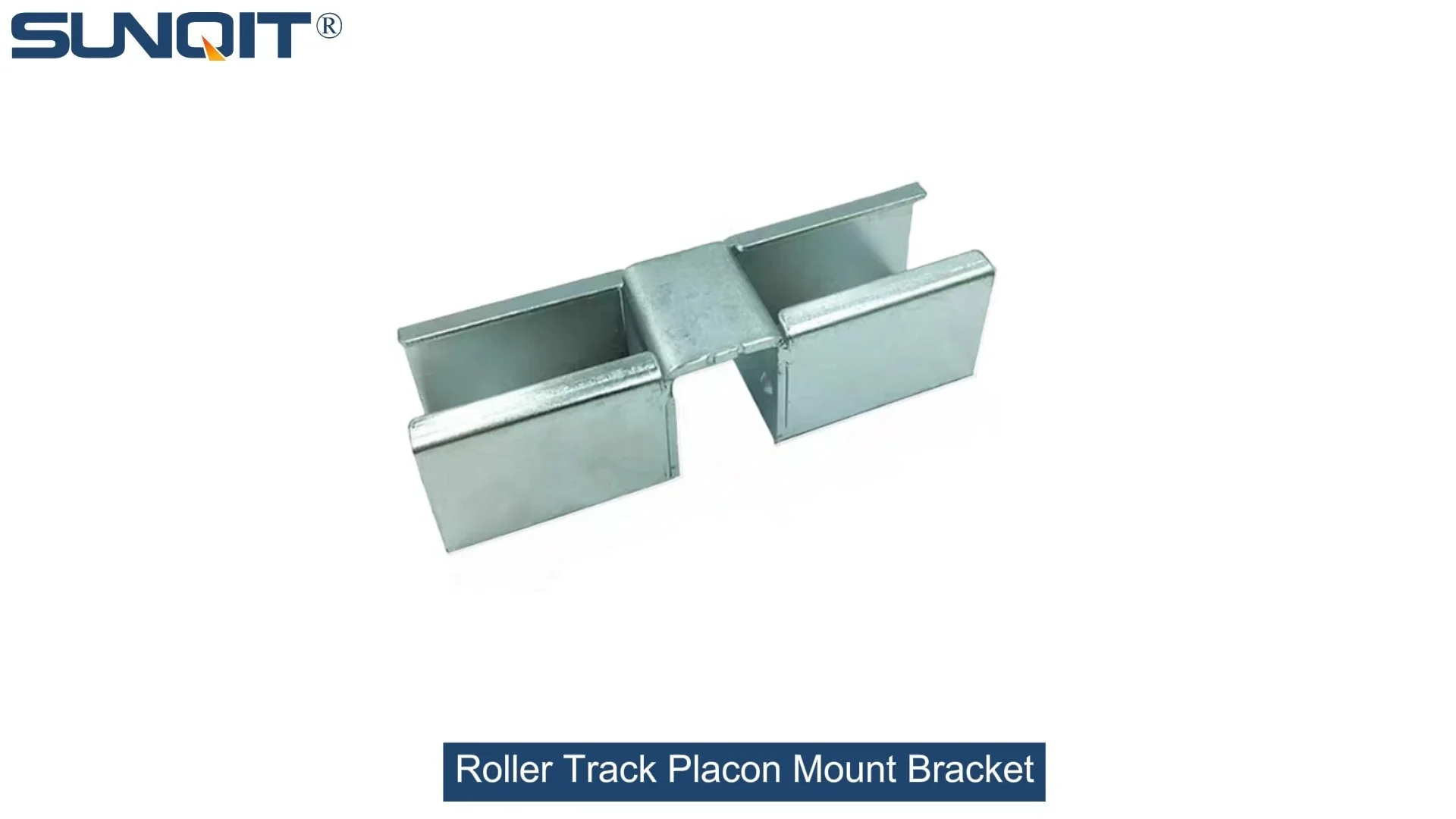
Roller Track Placon Mount Bracket
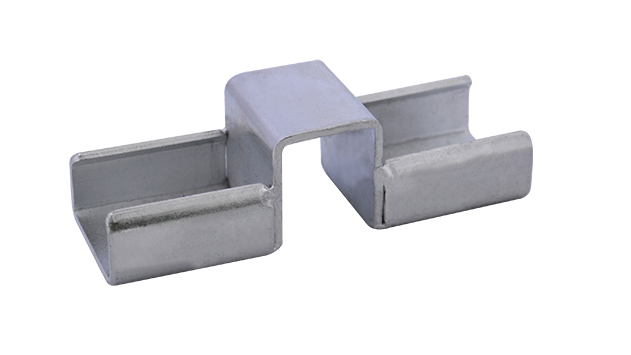
Roller track placon mount work as a connector for roller track and pipe or aluminum profile in rack syetem, it is a necessary parts in rack system which widely used in industrial plant and logistic,warehouse storage.
When you walk through a manufacturing plant—whether it's a 3C assembly line churning out smartphones or a warehouse center moving packages—your eyes are drawn to the big machines: the conveyors, the robotic arms, the shiny workbenches. But there's a silent hero holding it all together: the mounting brackets. These small, unassuming components might not get the spotlight, but choosing the right ones can make or break your production efficiency, maintenance costs, and long-term flexibility. Today, we're diving into a critical decision for factory managers and procurement teams: roller track placon mount brackets versus custom fabricated mounts. Which one delivers more value for your lean pipe system? Let's break it down.
Ever had to shut down a production line for days because your conveyor broke? Or spent weeks reworking a custom welded frame just to adapt to a new product size? You're not alone. In manufacturing, downtime and inflexibility cost real money—often more than the initial price tag of the parts themselves.
First Things First: What Are We Actually Comparing?
Roller Track Placon Mount Brackets: The "Plug-and-Play" Solution
Let's start with the star of the show: roller track placon mount brackets . These are pre-engineered, standardized components designed specifically for lean pipe systems and flow rack setups. Think of them as the Lego blocks of factory infrastructure—they come in uniform sizes, with pre-drilled holes and compatible connectors, ready to bolt onto your aluminum profile or lean tube without extra fabrication.
Most quality brackets (like those from reputable lean pipe suppliers) are made from durable materials: either high-grade aluminum profile (resistant to rust and light yet strong) or galvanized steel (for heavier loads). They're built to work seamlessly with roller tracks, conveyor systems, and material racks—no guesswork, no custom measurements, just straightforward assembly.
Who uses them? Factories that prioritize lean solutions —those focused on "reusable, continuously improvable" setups. Think 3C electronics manufacturers switching between product models, medical device plants needing quick line reconfigurations, or logistics centers adapting to seasonal demand spikes.
Custom Fabricated Mounts: The "One-of-a-Kind" Approach
On the other side, we have custom fabricated mounts. These are brackets made from scratch, usually by welding steel plates, cutting metal tubes, or bending sheets to fit a specific conveyor track, flow rack, or workbench design. If your setup has unique dimensions, odd angles, or non-standard load requirements, a local metal shop might pitch this as the "only option."
Custom mounts sound appealing at first—"made just for your needs!"—but they come with hidden strings. They're often one-offs, designed for a single purpose, and rely heavily on manual labor (and skill) to produce. No two are exactly alike, even if you order "the same" design twice.
The Cost Showdown: Beyond the Initial Price Tag
Let's cut to the chase: cost. At first glance, custom fabricated mounts might seem cheaper. A local welder can often knock out a set of steel brackets for less than the sticker price of brand-name roller track placon mount brackets . But here's the catch: in manufacturing, the "cheapest upfront" option rarely stays that way. Let's break down the costs step by step.
1. Initial Purchase Cost: The "Sticker Shock" Myth
Yes, custom fabricated mounts can have a lower initial cost—if you're comparing apples to rotten apples. For example, a no-name steel shop might charge $20 per custom welded bracket, while a standardized roller track placon mount bracket from a lean pipe supplier might run $35. But look closer: the $20 bracket is likely made from thin, uncoated steel (prone to rust), has imprecise holes (requiring on-site adjustments), and isn't tested for load capacity. The $35 bracket? It's aluminum profile or galvanized steel, pre-tested to hold 50kg+ per unit, and designed to fit perfectly with your existing lean tube and accessories.
Worse, custom costs add up fast with complexity. Need a bracket with a 135° angle? The welder will charge extra for design time. Want corrosion resistance? Add $5 per unit for painting. Suddenly, that "$20" bracket becomes $40—and now you're paying more for a lower-quality product.
With standardized brackets, what you see is what you get. Suppliers like those specializing in lean pipe wholesale pricing leverage mass production to keep costs down. Order 100 brackets, and the per-unit price drops—sometimes by 30% or more. Custom shops can't compete with that scale.
2. Installation Time: Downtime = Lost Revenue
Here's where the real cost difference hits: installation. Let's say you need to set up a new flow rack section with 20 brackets. With custom fabricated mounts:
- Day 1: Wait for the welder to deliver the brackets (if they're on time—custom shops are notoriously delayed).
- Day 2: Realize half the brackets are slightly misaligned (welding isn't perfect), so your team spends hours filing holes and bending metal to make them fit.
- Day 3: Finally mount the brackets, but the uneven spacing causes the roller track to jam—now you're repositioning and re-welding on-site.
Total downtime: 3+ days. For a mid-sized factory, that could mean $10,000+ in lost production per day.
Now, swap in roller track placon mount brackets :
- Day 1: Unbox the brackets (they arrived on time, since suppliers stock them).
- Day 1 afternoon: Bolt them onto your aluminum profile using standard tools—no welding, no filing. The pre-drilled holes line up perfectly with your lean pipe system.
- Day 2 morning: Install the roller track and test—done. Your line is up and running.
Total downtime: 1.5 days. That's a 50% reduction in lost revenue right there.
3. Durability & Maintenance: The "Fix-It Later" Tax
Imagine this: It's six months later. Your production line is humming, and suddenly—*clunk*—a bracket snaps. If it's a custom welded mount, the failure is probably at the weld joint (where stresss). Now you have to:
- Shut down the line to remove the broken bracket.
- Call the welder (who's busy with another job) and wait 2-3 days for a replacement.
- Pay rush fees for the emergency weld.
And that's just one bracket. Custom mounts, especially those made with low-grade steel, corrode quickly in factories with oil, moisture, or dust. You'll spend endless hours repainting, replacing rusted parts, and fixing bent brackets—all while your lean system suffers.
Standard roller track placon mount brackets ? They're built for the long haul. Aluminum profile brackets resist rust entirely; galvanized steel ones fight corrosion for years. The bolted connections don't weaken over time like welds do, and since they're standardized, you can keep spares in stock—no waiting for a custom part. Need to replace one? Swap it out in 10 minutes and get back to production.
4. Flexibility: The Hidden Cost of "One-and-Done" Design
Manufacturing isn't static. Your factory today might make 10-inch widgets; next year, it's 12-inch widgets. Or you might adopt a new lean manufacturing process that requires reconfiguring your conveyor system. This is where custom fabricated mounts fail spectacularly—they're one-trick ponies.
Suppose you spent $5,000 on custom brackets for a specific conveyor layout. Six months later, you need to shorten the line by 2 meters. Those custom brackets? They're useless. You'll have to scrap them and pay for a whole new set—wasting money and materials. That's the opposite of lean solution principles, which emphasize "reusable, continuously improvable" systems.
Standard brackets? They're modular by design. Need to shorten the line? Unbolt the brackets, move them, and reattach. Want to adjust the height of your flow rack? Swap out a few aluminum profile pieces and reposition the brackets. It's like rearranging furniture instead of building a new house every time you want a new layout. Over time, this flexibility saves you 2-3x the cost of your initial investment.
5. Total Cost of Ownership (TCO): The 5-Year Verdict
Let's crunch the numbers for a typical scenario: a factory setting up a 10-meter conveyor line with 50 brackets. Here's how the TCO stacks up over 5 years:
| Cost Factor | Custom Fabricated Mounts | Roller Track Placon Mount Brackets |
|---|---|---|
| Initial bracket cost (50 units) | $20 x 50 = $1,000 | $35 x 50 = $1,750 |
| Installation labor (3 days vs. 1.5 days) | $500/day x 3 = $1,500 | $500/day x 1.5 = $750 |
| Maintenance/replacement (6-month intervals) | $200/year x 5 = $1,000 | $50/year x 5 = $250 |
| Downtime for repairs/adjustments | 5 days x $10,000/day = $50,000 | 1 day x $10,000/day = $10,000 |
| Replacement cost after line reconfiguration (Year 3) | $1,000 (new custom set) | $0 (reuse existing brackets) |
| 5-Year TCO | $54,500 | $12,750 |
That's right: over 5 years, custom fabricated mounts cost 4x more than standard roller track placon mount brackets. The "cheap" initial choice becomes a financial drain, while the slightly higher upfront investment in standardized parts pays for itself many times over.
Real-World Example: A 3C Factory's Wake-Up Call
A mid-sized 3C assembly plant in Shenzhen once faced this exact dilemma. They'd been using custom fabricated mounts for their flow racks and conveyor systems for years, priding themselves on "saving money" with local welders. Then, a product launch required reconfiguring 3 production lines to accommodate a new smartphone model. The result? 10 days of downtime, $80,000 in lost production, and $6,000 in scrapped custom brackets.
Frustrated, they switched to roller track placon mount brackets and aluminum profile components from a lean pipe supplier. The next line reconfiguration? Done in 2 days, with zero scrapped parts (they reused 80% of the brackets). As the plant manager put it: "We were penny-wise and pound-foolish. The standard brackets didn't just save us money—they let us adapt faster than our competitors."
When Would You Choose Custom Fabricated Mounts?
To be fair, custom mounts aren't always a bad idea. If you have a truly unique setup—say, a conveyor system with extreme angles (150°+) or a load capacity beyond what standardized brackets can handle (e.g., 500kg per bracket)—custom might be necessary. But these cases are rare in most manufacturing environments. For 90% of factories, the flexibility, durability, and long-term savings of roller track placon mount brackets make them the smarter choice.
The Bottom Line: Invest in Your Lean System's Foundation
At the end of the day, brackets are more than just metal pieces—they're the foundation of your lean pipe system, flow racks, and conveyor lines. Choosing between roller track placon mount brackets and custom fabricated mounts isn't just about cost; it's about choosing efficiency, flexibility, and peace of mind. Custom mounts might save you a few dollars today, but they'll cost you in downtime, maintenance, and lost opportunities tomorrow. Standardized brackets? They're an investment in your factory's ability to adapt, grow, and stay lean—exactly what the modern manufacturing world demands.
So, the next time you're sourcing brackets for your production line, ask yourself: "Am I paying for a quick fix, or building for the future?" For most of us, the answer is clear. After all, lean manufacturing isn't about cutting costs—it's about creating value. And there's no better value than a system that works with you, not against you.