- Company Articles
- Products and Technology
- Product knowledge
- Cost-Effective 2020 Aluminum Profile End Caps: Long-Term Savings Analysis

Cost-Effective 2020 Aluminum Profile End Caps: Long-Term Savings Analysis
Related Product
2020 Aluminum Profile End Cap
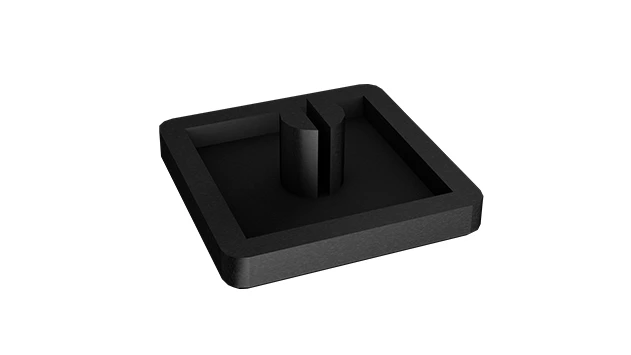
The aluminum profile end cap adds a finishing touch to your project and closes off profile ends to limit dust and debris buildup, also it can avaid some scratch for material and labor during the assemble work.
If you've ever walked through a manufacturing floor, a warehouse, or even a small workshop, you've probably seen them: those sleek, modular structures made of silver or black bars, holding up workbenches, material racks, or conveyor systems. Chances are, those bars are aluminum extrusion profiles—versatile, lightweight, and the backbone of modern lean system setups. But here's a tiny component of those profiles that's easy to overlook, yet surprisingly critical to your bottom line: the 2020 aluminum profile end caps. These small, unassuming pieces might seem like an afterthought, but skimping on them could cost your business far more than you realize. Let's dive into why investing in quality 2020 aluminum profile end caps isn't just a purchase—it's a long-term savings strategy.
First Things First: What Are 2020 Aluminum Profile End Caps?
Before we talk savings, let's get clear on what we're actually discussing. Aluminum extrusion profiles are those hollow, T-slot bars you see in everything from assembly line workbenches to shelving units. The "2020" in the name refers to their dimensions: 20mm by 20mm, a common size for light to medium-duty applications. Now, when these profiles are cut to length (which they almost always are to fit specific setups), the cut end leaves a raw, open edge. That's where end caps come in. 2020 aluminum profile end caps are small, usually plastic or aluminum covers designed to snap or press-fit into the open end of a 2020 profile, sealing it off.
At first glance, they might seem purely cosmetic. After all, they cover up a rough edge and give the profile a cleaner look. But their purpose goes way beyond aesthetics. Think of them as the "cap" on a water bottle—without it, the bottle still holds water, but it's messy, inefficient, and prone to spills. Similarly, end caps seal the profile from debris, protect workers from sharp edges, and even help maintain the structural integrity of the aluminum extrusion profile over time. And when you're building a lean system—where efficiency, safety, and durability are non-negotiable—those small roles add up.
The Hidden Costs of Cutting Corners on End Caps
Let's be honest: in business, every penny counts. It's tempting to skip "non-essential" components like end caps, or to buy the cheapest ones available. Maybe you think, "Why spend $2 on a cap when I can get a plastic one for $0.50?" Or worse, "We'll just leave the ends open—no one will notice." But here's the problem: those "savings" today often turn into bigger expenses tomorrow. Let's break down the hidden costs of skimping on 2020 aluminum profile end caps.
1. Worker Safety: The Price of a Scraped Hand (or Worse)
Raw, cut aluminum edges are sharp. Not "paper cut" sharp—we're talking "easily tear through gloves" sharp. Imagine a worker reaching across a workbench to grab a tool, their arm brushing against an exposed profile end. A deep scratch, a trip to the first-aid station, maybe even stitches. Now multiply that by how many workers you have, how many times a day they interact with those profiles, and how often those edges get jagged from wear. Suddenly, that $0.50 "savings" per cap doesn't look so great when you're paying for workers' compensation claims, lost productivity from downtime, or even OSHA fines for unsafe working conditions.
And it's not just cuts. Exposed ends can catch on clothing, hair, or equipment, leading to trips or falls. In a busy lean system environment—where materials are moving, and workers are focused on speed—those split-second accidents can have serious consequences. Quality end caps smooth out those edges, turning a hazard into a non-issue.
2. Debris and Corrosion: The Slow Degradation of Your Aluminum Extrusion Profile
Aluminum is naturally resistant to corrosion, but it's not invincible—especially when its inner surfaces are exposed. An open profile end is like an open door for dust, dirt, oil, and moisture. Over time, these contaminants build up inside the profile, creating a breeding ground for corrosion. You might not notice it at first, but eventually, that corrosion weakens the aluminum extrusion profile from the inside out. What was once a sturdy workbench leg could become a wobbly liability, forcing you to replace the entire profile far sooner than its expected lifespan.
Then there's the maintenance cost. To keep exposed profiles clean, you'll need to regularly blow out debris with compressed air, wipe down inner surfaces, or even use solvents. That's time your maintenance team could be spending on more critical tasks. End caps seal the profile, keeping contaminants out and reducing the need for constant cleaning. It's a small barrier that saves big on upkeep.
3. Product Damage: When Your "Savings" Hurt Your Bottom Line
If your aluminum profiles are part of a material handling system—like a flow rack, conveyor, or turnover trolley—exposed ends become a risk to the products you're moving. Imagine sliding a box of delicate electronics down a roller track, only to have the corner catch on an exposed profile end. A scratch, a dent, or even a cracked screen—suddenly, that product is defective, costing you money in returns, replacements, or lost customer trust.
Even in non-material handling setups, like workbenches, exposed ends can snag on tools, cables, or packaging materials. A frayed cable might need replacement, or a torn package could lead to inventory damage. These are small, daily costs that add up over time—costs that could be avoided with a simple end cap.

Long-Term Savings: The Numbers Behind the Caps
Okay, so we've established that skipping end caps leads to hidden costs. But how do those costs compare to the upfront investment in quality caps? Let's put it in black and white. Below is a hypothetical (but realistic) breakdown of costs over a 5-year period for a small manufacturing facility with 100 aluminum extrusion profile ends (a modest number—many facilities have hundreds). We'll compare two scenarios: using no end caps, using cheap $0.50 plastic caps, and using quality $2 aluminum or heavy-duty plastic 2020 aluminum profile end caps.
| Cost Category | No End Caps | Cheap $0.50 Caps | Quality $2 Caps |
|---|---|---|---|
| Initial Cost (100 caps) | $0 | $50 | $200 |
| Worker Injury Costs (1 incident/year avg.) | $5,000 (medical, downtime, claims) | $1,000 (cheaper caps crack, occasional exposure) | $0 (no incidents) |
| Profile Replacement (due to corrosion/damage) | $3,000 (replace 10 profiles/year at $60 each) | $1,500 (replace 5 profiles/year, caps degrade) | $300 (replace 1 profile/5 years) |
| Maintenance (cleaning, repairs) | $1,200/year (2 hours/week at $30/hour) | $600/year (1 hour/week, caps need replacing) | $120/year (1 hour/month, minimal upkeep) |
| Product Damage | $2,000/year (scratched goods, returns) | $800/year (fewer incidents, but caps fail sometimes) | $100/year (rare, minor damage) |
| Total 5-Year Cost | $56,000 | $13,350 | $1,200 |
Let that sink in: over five years, using no end caps could cost you over $50,000, while cheap caps still leave you with $13k in expenses. Quality end caps? Just $1,200 total. That's a return on investment (ROI) of over 10x. The upfront cost of $200 is dwarfed by the savings in injuries, replacements, maintenance, and product damage. And remember, this is for a small facility—larger operations with more profiles would see even bigger gaps in costs.

Beyond the Numbers: Intangible Savings That Matter
Numbers tell a big part of the story, but there are intangible benefits to quality end caps that are harder to quantify but equally valuable. For starters, worker morale. When employees see that their employer invests in small safety measures—like smooth, protected work surfaces—it sends a message: "We care about you." Happier, safer workers are more productive, stay longer, and take more pride in their work. That reduces turnover (which costs an average of $4,000 per employee to replace) and boosts overall efficiency.
Then there's compliance. Many industries—especially those with strict safety standards, like aerospace or medical device manufacturing—require work environments to be free of hazards like sharp edges. Skipping end caps could lead to failed audits, fines, or even lost contracts. Quality end caps help you meet those standards without the stress.
And let's not forget the flexibility of a lean system. A key principle of lean manufacturing is adaptability—being able to reconfigure workstations or material flows quickly. If your profiles are damaged or corroded, reconfiguring becomes a hassle (or impossible). Quality end caps help maintain the integrity of your aluminum extrusion profiles, so you can adjust your setup as needed without worrying about replacing components. That adaptability is priceless in a fast-changing market.
Choosing the Right End Caps: It's Not Just About Price
So, you're convinced—quality end caps are worth the investment. Now, how do you choose the right ones? Not all 2020 aluminum profile end caps are created equal. Here are a few factors to consider:
Material Matters
End caps come in plastic (PVC, nylon) or aluminum. Plastic is lightweight and affordable, but heavy-duty plastic (like reinforced nylon) is better for high-wear areas. Aluminum caps are more durable and heat-resistant, making them ideal for industrial environments or where aesthetics matter (they match the aluminum extrusion profile). For most applications, a heavy-duty plastic cap with a tight fit is sufficient, but don't skimp on thickness—thin plastic cracks easily.
Fit Is Critical
A cap that's too loose will fall off, leaving the end exposed. Too tight, and it's hard to install (or might crack the profile). Look for caps designed specifically for 2020 aluminum extrusion profiles—generic caps rarely fit perfectly. Reputable aluminum profile accessories suppliers will list the profile size their caps fit, so double-check before buying.
Supplier Reliability
Buying from a trusted aluminum profile accessories supplier isn't just about getting a quality product—it's about consistency. You don't want to order caps that fit perfectly one month and are loose the next. A good supplier will have strict quality control, ensuring every cap meets the same specs. They'll also have inventory on hand, so you're not left waiting for a restock when you need to replace a few caps.
Real-World Example: How One Shop Cut Costs with End Caps
Let's wrap up with a quick story. A local electronics assembly shop we worked with a few years back was struggling with frequent worker complaints about scratched arms from exposed profile ends on their workbenches. They were also replacing 5-6 aluminum profiles every year due to corrosion, and their maintenance team was spending 3 hours a week cleaning out debris from open ends. They were using cheap plastic caps, but they kept cracking or falling off, so they eventually stopped using them altogether.
After crunching the numbers (similar to our table above), they realized they were spending over $8,000 a year on injuries, replacements, and maintenance related to exposed ends. They invested $400 in 200 quality $2 end caps (they had 200 profile ends) and within six months, the results were clear: no more injuries, maintenance time dropped to 30 minutes a month, and they haven't replaced a single profile in three years. The ROI? Over $20,000 in savings—and happier workers. It's a small change that made a huge difference.
Final Thoughts: The Cap That Keeps on Giving
At the end of the day, 2020 aluminum profile end caps are a classic example of "pay now or pay later." Skipping them or buying cheap versions might save a few dollars upfront, but the long-term costs—injuries, replacements, maintenance, product damage—are far steeper. Quality end caps protect your workers, your equipment, and your bottom line. They're a tiny component with a huge impact.
So, the next time you're ordering aluminum extrusion profiles for your lean system, don't overlook the end caps. Invest in quality, buy from a reliable aluminum profile accessories supplier, and rest easy knowing you're not just covering a sharp edge—you're building a more efficient, safer, and more cost-effective operation. After all, in lean manufacturing, every detail counts. And sometimes, the smallest details save the biggest dollars.