- Company Articles
- Products and Technology
- Solution
- Cost-Effective Aluminum Pipe with Tray Holder: Budget-Friendly Lean Solutions

Cost-Effective Aluminum Pipe with Tray Holder: Budget-Friendly Lean Solutions
Related Product
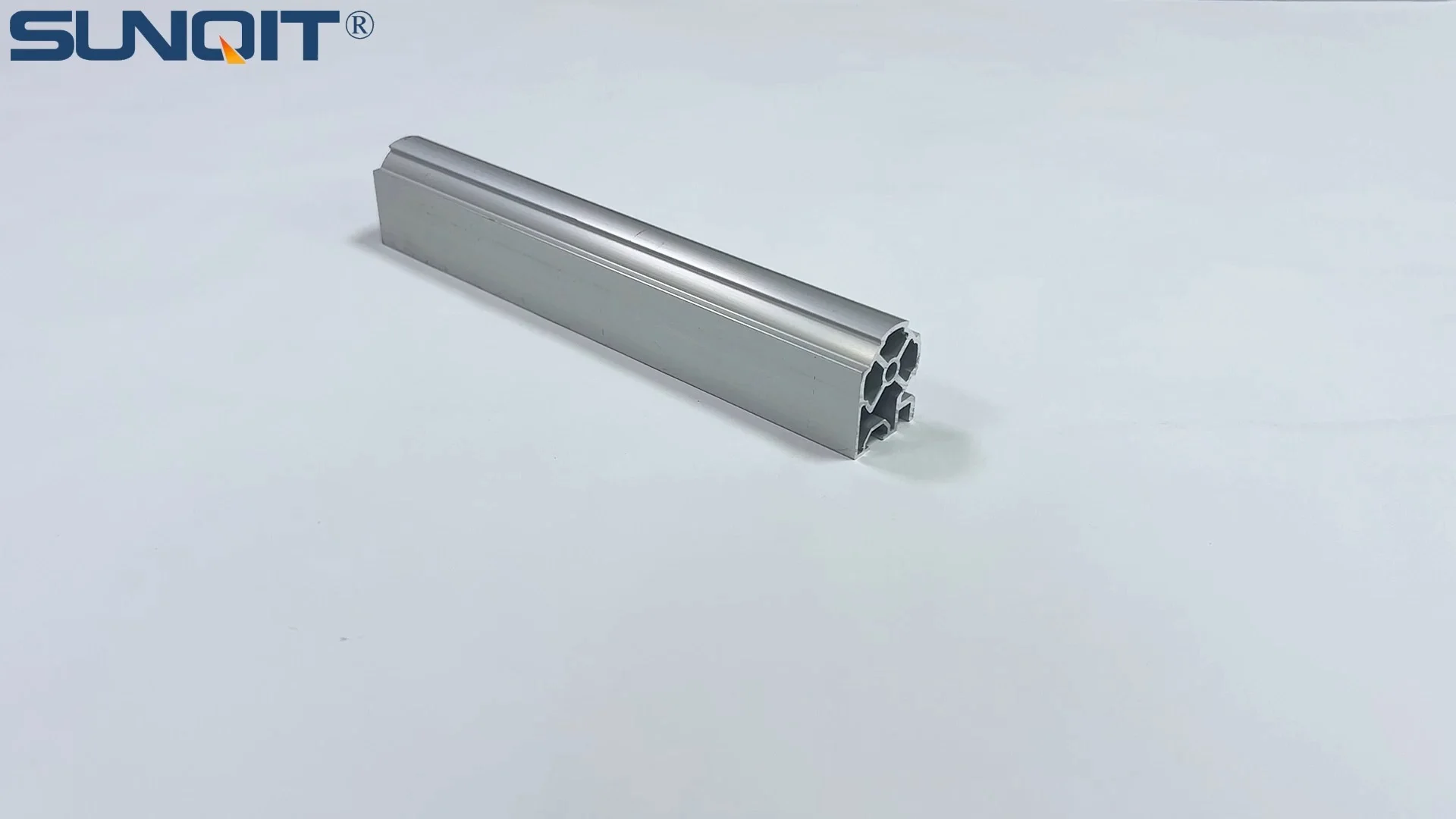
Aluminum Pipe with Tray Holder
Aluminum pipe with tray holder,the pipe one side connected by a joint, the other side with a slot which can hold a tray or a aluminum pannel.
The Hidden Cost of Cluttered Workflows: Why Small Manufacturers Struggle
Walk into almost any small manufacturing workshop, and you'll likely spot the same silent productivity killer: disorganization. Components pile up on tables, tools get misplaced, and workers spend precious minutes hunting for the right part instead of assembling products. For a team of 10 people losing just 15 minutes a day to these inefficiencies, that's over 300 hours of wasted time per year—time that could have been spent building, testing, or shipping. And wasted time, as any business owner knows, translates directly to wasted money.
Many small businesses try to fix this with quick fixes: cheap plastic bins, second-hand metal racks, or even repurposed shelves. But these solutions often create new problems. Plastic bins crack under heavy parts; metal racks are bulky and hard to reconfigure when workflows change; and repurposed shelves rarely fit the unique needs of a production line. Before long, the workshop is cluttered again, and the cycle repeats.
The root of the issue? A lack of systems designed for lean system principles—specifically, systems that prioritize flexibility, organization, and waste reduction. That's where the unassuming aluminum pipe with tray holder comes in. It's not just a piece of hardware; it's a budget-friendly foundation for building the efficient, adaptable workflows that small manufacturers need to compete.
What Is a Lean System, Anyway? It's Simpler Than You Think
You've probably heard the term "lean manufacturing" thrown around, but let's break it down in plain language. At its core, a lean system is all about cutting out waste. Not the "recycle more" kind of waste, but the kind that slows down work: too much inventory sitting unused, tools that are out of reach, unnecessary movement, or time spent fixing mistakes. Lean says: if it doesn't add value to the product, get rid of it.
For example, imagine a worker assembling circuit boards. If they have to walk 20 feet to grab resistors from a shelf, then 15 feet back to their station, that's "motion waste." If the resistors are stored in a disorganized bin, and they spend 2 minutes digging through it, that's "search waste." Multiply that by 50 workers and 200 days a year, and suddenly you're losing thousands of dollars in productivity.
Lean systems solve this by designing workflows around the worker, not the other way around. They organize tools and materials so everything is within arm's reach, reduce unnecessary steps, and make it easy to adjust when production needs change. And the best part? You don't need a six-figure consultant or fancy software to start. Sometimes, the solution is as simple as the right physical tools—like an aluminum pipe with tray holder that keeps parts exactly where they're needed, exactly when they're needed.

Aluminum Pipe with Tray Holder: The Unsung Hero of Lean Workflows
So, what makes an aluminum pipe with tray holder so special? Let's start with the basics. It's exactly what it sounds like: a lightweight aluminum tube (usually 28mm or 30mm in diameter) paired with a sturdy tray that attaches to the pipe via brackets. But don't let the simplicity fool you—this combination solves three big lean problems at once.
First, it organizes materials at the point of use . Instead of parts sitting in a distant bin, the tray holder brings them right to the workbench where assembly happens. A worker building a small appliance, for example, can have screws, washers, and gaskets in separate sections of the tray, eliminating the need to walk away or rummage through drawers. That cuts down on motion and search waste in one go.
Second, it's modular . Unlike fixed metal racks, aluminum pipes are easy to cut, connect, and reconfigure using simple joints and brackets (more on those later). Need to add a second tray for larger components? Just slide on a new bracket. Want to move the whole setup to the other side of the workshop? Unscrew a few joints, carry the pieces over, and reassemble in 10 minutes. This flexibility is key for small businesses, where production needs can shift overnight—say, from assembling 100 units of Product A to 200 units of Product B.
Third, it's durable without the bulk . Aluminum is strong enough to hold heavy parts (think metal brackets or small motors) but light enough that even one person can move a fully loaded setup. Unlike steel, it won't rust, so it holds up in workshops with moisture or oils. And because it's lightweight, it doesn't take up valuable floor space with unnecessary heft—perfect for small facilities where every square foot counts.
But the real magic is how it plays well with others. An aluminum pipe with tray holder isn't a standalone solution; it's part of a ecosystem that includes flow racks , workbenches, and other lean tools. Together, they create a seamless workflow where materials move smoothly from storage to assembly, and finished products move just as easily to packaging. Let's dive into how these pieces fit together.

Building Your Lean Ecosystem: How Pipe, Tray, Workbench, and Flow Rack Work as a Team
Let's paint a picture of how this system might look in action. Say you run a small electronics assembly workshop, building Bluetooth speakers. Your production line has three main steps: soldering components onto circuit boards, assembling the speaker housing, and testing the final product. Here's how aluminum pipes, tray holders, workbenches, and flow racks would transform each step.
Step 1: Soldering Station – At the soldering workbench, the worker needs resistors, capacitors, and IC chips close by. An aluminum pipe runs vertically along the back of the workbench, with two tray holders: one for small components (sorted by size) and one for soldering tools (wire cutters, flux, spare tips). The pipe is connected to the workbench using simple L-brackets, so it's sturdy but easy to adjust if the worker needs more space.
Step 2: Housing Assembly – Next door, another workbench handles putting the circuit board into the plastic speaker housing. Here, a flow rack (made from aluminum pipes and roller tracks) feeds empty housings down to the worker. The flow rack is tilted slightly, so gravity moves the housings forward as each one is taken—no more reaching for stacks of boxes. Above the workbench, an aluminum pipe with a deeper tray holds screws, adhesive strips, and gaskets, all organized by the assembly step.
Step 3: Testing Station – Finally, finished speakers move to a testing workbench via a small conveyor (another aluminum pipe-based tool). On this bench, an aluminum pipe with a tray holds testing equipment (multimeters, power supplies) and a separate tray for units (to be repaired later). The pipe is mounted on casters, so the testing tools can be rolled aside when the bench needs to be cleaned or reconfigured.
What's beautiful about this setup is how little it costs compared to industrial-grade solutions. A basic aluminum pipe with tray holder costs a fraction of a custom metal rack, and because it's modular, you can start small (just one workbench setup) and expand as you grow. Plus, if you need to retool for a new product—say, a smaller speaker—you can disassemble the pipes, re-cut them, and reassemble the system in an afternoon. No need to buy all-new equipment.
The Numbers Don't Lie: Cost-Benefit of Aluminum Pipe Systems vs. Traditional Racks
We get it—talking about "lean principles" is great, but at the end of the day, you need to know: will this actually save me money? Let's crunch the numbers. Below is a side-by-side comparison of a traditional setup (using second-hand steel racks and plastic bins) versus a lean setup using aluminum pipes, tray holders, workbenches, and flow racks for a small workshop with 5 assembly stations.
| Category | Traditional Setup | Aluminum Pipe Lean Setup |
|---|---|---|
| Initial Cost | $1,500 (5 steel racks at $300 each) | $1,800 (pipes, tray holders, workbench brackets, flow rack parts) |
| Setup Time | 8 hours (bolting racks to floor, assembling bins) | 3 hours (no tools needed beyond a hex key; modular joints snap together) |
| Annual Labor Waste | 1,200 hours (workers searching for parts, moving between stations) | 300 hours (materials at point of use; reduced motion) |
| Reconfiguration Cost | $750 (hiring a handyman to modify steel racks; buying new bins) | $0 (reuse existing pipes and joints; just need new brackets) |
| 5-Year Total Cost | $1,500 + ($1,200hr x $20/hr x 5yr) + $750 = $122,250 | $1,800 + ($300hr x $20/hr x 5yr) + $0 = $31,800 |
Yes, the initial cost of the aluminum setup is slightly higher ($1,800 vs. $1,500), but the long-term savings are massive. By cutting labor waste alone, the lean setup saves $90,450 over five years. And that's not even counting intangibles, like reduced frustration (happy workers are more productive!), fewer mistakes from disorganized parts, or the ability to take on larger orders because your workflow is efficient.
For small businesses, where cash flow is king, this is a game-changer. You're not just buying pipes and trays—you're investing in a system that pays for itself in under six months, then keeps saving you money for years to come.
Beyond the Basics: Aluminum Profile Accessories That Make the System Your Own
One of the best things about aluminum pipe systems is how easy they are to customize. With the right aluminum profile accessories , you can tweak your setup to fit your exact needs—no engineering degree required. Let's walk through some of the most useful accessories and how they can level up your workflow.
Adjustable Tray Dividers – These simple plastic or aluminum dividers snap into the tray holder, letting you split the tray into sections for different parts. If you're assembling something with 10 types of screws, you can have 10 sections—no more mixing up sizes.
Swivel Casters – Add casters to the bottom of a pipe frame, and suddenly your tray holder becomes a mobile cart. Need to move parts from the storage room to the assembly line? Just roll it over. Lock the casters, and it stays put—perfect for temporary workstations or quick material runs.
Elbow Joints and T-Joints – These metal or plastic connectors let you build 90-degree angles or branch off a main pipe. Want to add a side tray to your workbench setup? A T-joint lets you do that in seconds, no cutting or welding needed.
Label Holders – Small plastic holders that attach to the tray or pipe, so you can label what's in each section. This might seem trivial, but in a busy workshop, clear labels cut down on mistakes (e.g., grabbing a 10mm screw instead of an 8mm one) and make training new workers faster.
Height-Adjustable Brackets – These brackets let you slide the tray holder up or down the pipe, so it's at the perfect height for the worker. A taller worker might want the tray at chest level, while a shorter one might prefer waist level—no more straining or bending.
The key here is that you don't need to buy all these accessories upfront. Start with the basics (pipes, tray holders, a few joints), then add dividers or casters as you notice pain points. Over time, your system evolves with your business, ensuring you're never paying for features you don't need.
From Chaos to Clarity: A Real-World Example
Let's hear from "Maria," a fictional but realistic small business owner who runs a custom woodworking shop (we'll call it "CraftWood Co.") with 8 employees. Before switching to aluminum pipe systems, Maria's workshop was a mess. "We built custom furniture, so every project was different," she says. "Tools and lumber scraps were everywhere, and my team was always tripping over piles. I was losing orders because we couldn't keep up with deadlines—even though we were working 60-hour weeks."
Maria started small: she bought two aluminum pipes, four tray holders, and a handful of joints. She set up one system at the cutting station, using the trays to organize saw blades, measuring tapes, and clamps. "The first week, I noticed my lead cutter wasn't walking to the tool closet 10 times a day anymore," she recalls. "He was finishing 20% more cuts. I thought, 'Okay, maybe this is worth it.'"
Encouraged, she added flow racks for lumber (using aluminum pipes and roller tracks) so boards rolled to the cutting station instead of being stacked on the floor. She mounted pipe systems above each assembly workbench, with trays for screws, glue, and sandpaper. Within three months, CraftWood Co. was completing 35% more projects per month, and overtime hours dropped by half. "We didn't add any new workers—we just stopped wasting time," Maria says. "The aluminum system paid for itself in two months, and now I'm looking to expand into a bigger space because we can handle more orders."
Maria's story isn't unique. Across industries—electronics, automotive, food packaging, even small-scale manufacturing—aluminum pipe with tray holder systems are helping small businesses do more with less. They're not just tools; they're a mindset shift: from "making do with what we have" to "designing workflows that work for us."
Getting Started: Your First Lean Setup in 5 Easy Steps
Ready to ditch the clutter and start building your lean system? Here's how to get started with an aluminum pipe with tray holder setup, even if you've never done anything like this before.
Step 1: Map Your Pain Points – Walk around your workshop and note where waste happens. Is it at the workbench (searching for tools)? In storage (parts getting damaged)? Or in movement (workers walking too far)? Focus on the worst pain point first—this will give you the quickest win.
Step 2: Measure Your Space – For a workbench setup, measure the width and height of the bench, and how much space you have behind or above it for the pipe system. For a flow rack, measure the distance between the storage area and the assembly station to determine the length of the rack.
Step 3: Buy the Basics – Start with: 2-3 aluminum pipes (6-8 feet long), 2-4 tray holders, 4-6 joints (T-joints or elbow joints), and a few brackets to attach to the workbench or floor. Most suppliers sell starter kits that include these parts for under $200.
Step 4: Assemble and Test – Follow the supplier's instructions (or watch a YouTube tutorial—there are tons!). Assemble the system loosely at first, then adjust the height and tray position. Have the worker who'll use it test it for a day—they'll notice if something's in the way or hard to reach.
Step 5: Iterate – After a week, check in: what's working? What's not? Add dividers, adjust the height, or move the system if needed. Lean is all about continuous improvement—your setup should evolve as you learn more about what works for your team.
Remember: you don't need to overhaul your entire workshop at once. Start small, celebrate the wins, and expand from there. Even one well-designed aluminum pipe setup can make a noticeable difference in productivity and morale.
Final Thoughts: Lean Doesn't Have to Be Expensive—It Just Has to Be Smart
At the end of the day, lean manufacturing isn't about fancy buzzwords or huge budgets. It's about respecting your workers' time, valuing efficiency over chaos, and building systems that grow with your business. An aluminum pipe with tray holder might not look like much, but it's a powerful tool in that mission.
It's durable enough to handle the daily grind of a workshop, flexible enough to adapt when your needs change, and affordable enough that even the smallest businesses can invest. Pair it with workbenches, flow racks, and the right aluminum profile accessories, and you've got a lean system that transforms how you work—without breaking the bank.
So, what are you waiting for? The next time you walk through your workshop and see clutter, don't just sigh and keep going. Imagine what it would look like with materials organized, tools at arm's reach, and workers focused on building great products instead of fighting chaos. That vision is within reach—and it starts with a simple aluminum pipe.