- Company Articles
- Products and Technology
- Product knowledge
- Cost-Effective Lean Pipe Clamp Chrome: Balancing Quality and Budget

Cost-Effective Lean Pipe Clamp Chrome: Balancing Quality and Budget
Related Product
Lean Pipe Clamp Chrome
Lean pipe clamp is used for rack system hang monitor or other panel for workbenck, flowrack in production daily use.
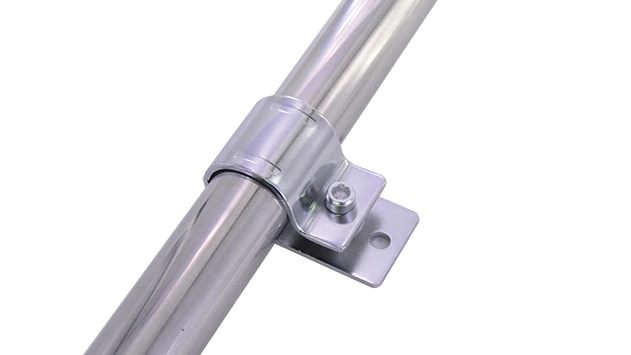
Introduction: The Unsung Hero of Lean Manufacturing
In the fast-paced world of manufacturing, every component counts. From the largest conveyor belts to the smallest connectors, each part plays a role in keeping operations running smoothly. But if there's one element that often flies under the radar while quietly driving efficiency, it's the humble lean pipe clamp. Specifically, the lean pipe clamp chrome has emerged as a game-changer for businesses looking to build robust, flexible workspaces without breaking the bank.
Imagine walking through a busy factory floor: workbenches line the space, each customized to fit a specific task. Conveyors hum as materials glide from one station to the next. Underpinning all of this? A network of pipes and joints that hold everything together. And at the heart of that network? Clamps. Not just any clamps, though—chrome-plated ones that balance durability, ease of use, and cost in a way few other components can.
But why does this matter? For manufacturers, especially small to mid-sized operations, the pressure to cut costs while maintaining quality is constant. Investing in cheap, flimsy equipment might save money upfront, but it leads to frequent replacements, downtime, and frustrated workers. On the flip side, splurging on overpriced, industrial-grade components can drain budgets, leaving less room for other critical investments like technology or workforce training. That's where lean pipe clamp chrome steps in: it's the sweet spot between "good enough" and "top-of-the-line," designed to meet the demands of modern lean systems without the premium price tag.
What Makes Lean Pipe Clamp Chrome Stand Out?
At first glance, a lean pipe clamp might seem like a simple piece of hardware. It's a small, metal component designed to connect pipes, right? But dig deeper, and you'll realize there's more to it—especially when it's chrome-plated. Let's break down what sets this clamp apart from its counterparts, like aluminum or stainless steel options.
First, the chrome plating. It's not just about aesthetics (though a shiny, corrosion-resistant finish never hurts in a factory setting). Chrome adds a protective layer that shields the underlying metal from rust, scratches, and wear. In environments where spills, humidity, or frequent cleaning are part of the daily routine, this resistance is a lifesaver. A standard steel clamp might start showing signs of rust within months; a chrome-plated one? It can last years, even in tough conditions.
Then there's the design. Lean pipe clamp chrome is engineered with flexibility in mind. Most models feature a simple, intuitive locking mechanism that allows for quick assembly and disassembly. This is a big deal for lean manufacturing, where adaptability is key. Need to reconfigure a workbench to accommodate a new product line? With these clamps, you can take apart the existing structure and rebuild it in hours, not days. No special tools, no complicated instructions—just a wrench (or sometimes even just your hands) and a clear vision.
Compatibility is another win. These clamps play well with a wide range of lean pipe and accessories, from basic aluminum tubes to stainless steel pipe series. Whether you're building a lightweight turnover trolley or a heavy-duty material rack, you can trust that the chrome clamp will create a secure, stable connection. This versatility means you don't have to invest in a whole new system if you want to mix and match materials—just swap out the pipes, and the clamps stay the same.

Quality vs. Cost: The Balancing Act Every Manufacturer Faces
Let's talk numbers. No one wants to overspend, but cutting corners on quality can cost more in the long run. So where does lean pipe clamp chrome fall on the spectrum? To answer that, let's compare it to two common alternatives: aluminum lean pipe joints and stainless steel clamps.
| Feature | Lean Pipe Clamp Chrome | Aluminum Lean Pipe Joint | Stainless Steel Pipe Series Clamp |
|---|---|---|---|
| Initial Cost | Moderate (mid-range) | Low to moderate | High (premium) |
| Durability | High (resistant to rust and wear) | Moderate (prone to dents) | Very high (but overkill for most tasks) |
| Corrosion Resistance | Excellent (chrome layer) | Good (natural oxide layer) | Excellent (but heavier) |
| Flexibility | High (easy to assemble/disassemble) | High (lightweight, but less sturdy) | Moderate (heavier, harder to reconfigure) |
| Best For | General manufacturing, workbenches, material racks | Light-duty applications, temporary setups | Food processing, medical equipment (high sanitation needs) |
As the table shows, lean pipe clamp chrome hits the sweet spot. It's more affordable than stainless steel (which is often overkill for standard manufacturing environments) and more durable than aluminum (which can bend or dent under heavy loads). For most factories, warehouses, or assembly lines, this balance is exactly what's needed. You get a clamp that can handle daily wear and tear without forcing you to drain your budget.
Consider this scenario: A small electronics manufacturer needs to build 10 workbenches for their assembly line. If they opt for stainless steel clamps, they might pay 30-40% more per unit. Over 10 workbenches, that adds up to thousands of dollars—money that could be better spent on tools, training, or upgrading other equipment. On the flip side, using cheap aluminum clamps might save upfront, but within a year, they'd start noticing looseness in the joints, leading to wobbly workbenches and potential safety hazards. The chrome clamp? It lasts, it's reliable, and it doesn't break the bank.
Key Features to Look For When Shopping for Lean Pipe Clamp Chrome
Not all chrome clamps are created equal. To ensure you're getting the best value for your money, keep an eye out for these key features:
1. Thickness of the Chrome Plating: Not all chrome layers are the same. A thin layer might look good initially but will wear off quickly with frequent use. Look for clamps with a plating thickness of at least 0.0005 inches (12.7 microns). This ensures the protective layer stays intact, even with repeated assembly and disassembly.
2. Material of the Base Metal: Chrome plating is only as good as the metal underneath. Most high-quality clamps use low-carbon steel as the base, which is strong yet malleable enough to form a tight grip on pipes. Avoid clamps made from cheap alloys—they're more likely to crack or bend under pressure.
3. Clamping Mechanism: The best clamps feature a "tooth" or "grip" design that digs slightly into the pipe when tightened. This prevents slipping, even when the structure is supporting heavy loads. Some cheaper models use a smooth inner surface, which can loosen over time—especially if the pipe is slightly worn or dirty.
4. Compatibility with Pipe Sizes: Most lean pipes come in standard diameters (like 28mm or 30mm). Make sure the clamp you choose is designed for your specific pipe size. A clamp that's too loose won't hold; one that's too tight might damage the pipe or the clamp itself.
5. Ease of Adjustment: Look for clamps with a hex-head bolt or a wing nut for easy tightening. Wing nuts are great for quick adjustments, while hex-head bolts offer a tighter, more permanent hold. Depending on your needs (frequent reconfigurations vs. static setups), one might be better than the other.
How Lean Pipe Clamp Chrome Integrates with Lean Systems
Lean manufacturing is all about eliminating waste—whether it's time, materials, or space. Lean pipe clamp chrome aligns perfectly with this philosophy by enabling the creation of flexible, custom workspaces that adapt to changing needs. Let's look at a few common applications where these clamps shine:
Workbenches: A well-designed workbench is the cornerstone of any assembly line. With lean pipe clamp chrome, you can build a workbench that's tailored to your team's needs. Add a shelf for tools, a roller track for materials, or even a lighting bar—all by simply clamping on additional components. When the project changes, take it apart and rebuild it. No need to buy a new workbench; just reconfigure the existing one.
Material Racks: Storing raw materials and finished products efficiently is a challenge in any factory. Chrome clamps make it easy to build multi-tiered racks that maximize vertical space. For example, a material rack B (3 row and 3 floor) can be assembled in hours using pipes, clamps, and a few basic tools. The chrome finish ensures the rack stays sturdy, even when loaded with heavy boxes or parts.
Turnover Trolleys: Moving materials from one station to another should be seamless. Chrome clamps allow you to build lightweight yet durable trolleys with casters for easy mobility. The clamps ensure the frame stays rigid, even when the trolley is loaded to capacity. Plus, if you need to change the trolley's size or add a shelf, it's as simple as loosening a few clamps and adjusting the pipes.
Flow Racks: In lean systems, just-in-time (JIT) delivery is key. Flow racks, which use gravity to feed materials to workers, are a great way to implement JIT. Chrome clamps secure the roller tracks and side guides, ensuring the rack stays stable even as materials slide through. The corrosion resistance of the clamps also means the rack will last, even in environments where dust or moisture is present.
Real-World Success: How One Manufacturer Saved 20% on Workspace Costs
To put this into perspective, let's look at a real example. A mid-sized automotive parts manufacturer in Ohio was struggling with outdated workbenches. Their existing setup used wooden tables and fixed metal frames, which were heavy, hard to adjust, and starting to show signs of wear. The company needed to replace 15 workbenches but was hesitant to spend $500+ per bench on pre-made industrial models.
After researching options, they decided to build custom workbenches using lean pipe, lean pipe clamp chrome, and aluminum honeycomb panels for the work surfaces. The total cost per bench? Around $300—nearly 40% less than pre-made models. But the savings didn't stop there.
Within six months, the company launched a new product line that required taller workbenches. Instead of buying new benches, they simply adjusted the height of the existing ones by adding longer pipes and re-tightening the chrome clamps. The whole process took two workers one day, saving them both time and money. Plus, the chrome clamps held up perfectly—no signs of rust or wear, even with daily use.
"We were skeptical at first," said the plant manager. "We thought building our own benches might be flimsy or time-consuming. But the chrome clamps made all the difference. They're sturdy, easy to use, and we haven't had to replace a single one in two years. It was one of the best decisions we've made for our production floor."
Choosing the Right Lean Pipe Supplier: What to Look For
Even the best clamp design can fall flat if it's poorly manufactured. That's why choosing a reliable lean pipe supplier is just as important as selecting the right clamp. Here are a few tips to help you find a supplier you can trust:
1. Check for Certifications: Look for suppliers who adhere to international standards like ISO 9001. This ensures their manufacturing processes are consistent and their products meet quality benchmarks.
2. Ask for Samples: Before placing a large order, request a few sample clamps. Test them by assembling a small structure (like a mini workbench) and see how they hold up. Tighten and loosen them repeatedly to check for wear on the chrome plating and the clamping mechanism.
3. Inquire About Lead Times: In manufacturing, delays can be costly. Choose a supplier with a proven track record of meeting delivery deadlines. If you need clamps in a hurry, ask if they offer expedited shipping options.
4. Look for Bundled Deals: Many suppliers offer discounts when you buy clamps, pipes, and accessories together. This can save you money and ensure all components are compatible. For example, a "lean pipe and accessories" bundle might include clamps, pipes, joints, and even casters—everything you need to build a complete system.
5. Read Customer Reviews: A quick search online can tell you a lot about a supplier's reputation. Look for reviews from customers in similar industries (manufacturing, warehousing, etc.) to get a sense of how the clamps perform in real-world settings.
Conclusion: Why Lean Pipe Clamp Chrome is a Smart Investment
At the end of the day, manufacturing is about balance. You need equipment that's durable enough to handle daily use, flexible enough to adapt to change, and affordable enough to keep your budget in check. Lean pipe clamp chrome checks all three boxes.
It's not the flashiest component on the production floor, but it's one of the most essential. From connecting pipes to building workbenches, from material racks to flow racks, these clamps form the backbone of lean systems around the world. They save you money upfront by being more affordable than premium materials, and they save you money in the long run by lasting years—even in tough factory environments.
So, if you're looking to upgrade your workspace, build a new lean system, or simply replace old, worn-out clamps, consider lean pipe clamp chrome. It's a small investment that delivers big returns—proving that sometimes, the best solutions are the ones that work quietly, reliably, and without fanfare.
After all, in lean manufacturing, efficiency isn't about being the loudest—it's about being the smartest. And when it comes to smart, cost-effective hardware, lean pipe clamp chrome is hard to beat.