- Company Articles
- Products and Technology
- Solution
- Cost-Effective Plastic Pipe Covers: Budget-Friendly Solutions for Small Factories

Cost-Effective Plastic Pipe Covers: Budget-Friendly Solutions for Small Factories
Related Product
Plastic Pipe Cover
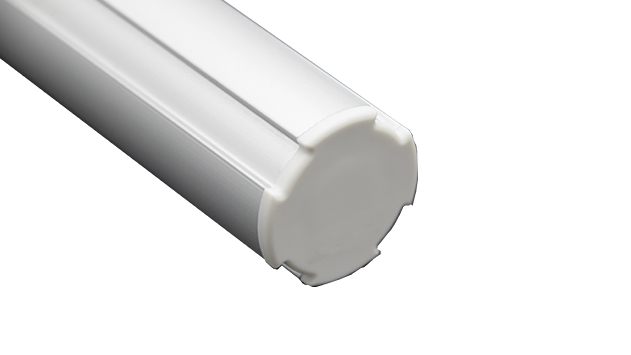
Plastic pipe cover to cover dia 28MM aluminum pipe end at workbench, flow rack, to prevent metal surface scratch material or worker.
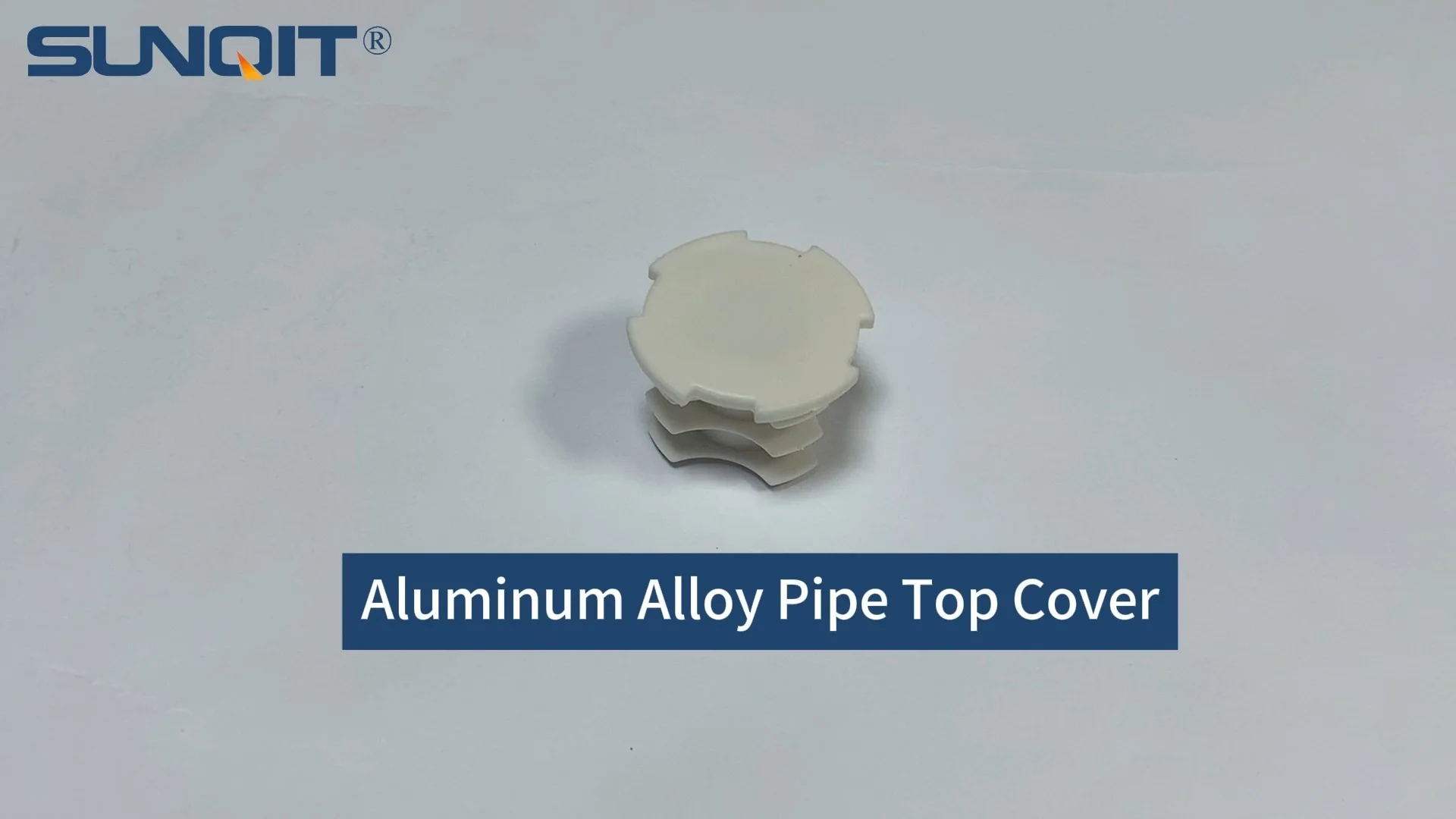
How simple plastic components are transforming workspace efficiency, safety, and savings for growing manufacturing teams
The Small Factory Struggle: Why Every Penny (and Pipe) Counts
Running a small factory isn't just about making products—it's about making every resource stretch. Whether you're assembling electronics, packaging goods, or fabricating parts, your workspace is a puzzle where every piece needs to fit: from the tools on the workbench to the racks storing raw materials. And if you're like most small business owners, you've felt the pinch of tight budgets, limited storage, and the constant pressure to do more with less.
Here's a scenario many small factory managers know too well: You invest in a set of metal or aluminum pipes to build a temporary storage rack or a custom lean system workstation. It works great for a few months—until you notice the ends of the pipes are chipping, the edges are sharp enough to snag gloves (or worse, skin), and rust is starting to form where the metal meets moisture. Suddenly, that "cost-effective" rack is costing you in replacement parts, worker downtime, and even potential safety fines.
But what if there was a solution so simple, so affordable, that it could extend the life of your equipment, boost safety, and keep your budget intact? Enter plastic pipe covers: unassuming components like the plastic pipe end cap and plastic pipe sleeve that are quietly becoming unsung heroes in small manufacturing spaces. In this article, we'll dive into why these tiny tools deserve a spot in your factory, how they work, and how they can help you build a more resilient, efficient workspace—without breaking the bank.
What Are Plastic Pipe Covers, Anyway? Breaking Down the Basics
Before we jump into their benefits, let's get clear on what we're talking about. Plastic pipe covers are protective components designed to fit over the ends or exteriors of pipes—typically metal, aluminum, or even PVC—to shield them from damage, prevent injuries, and extend their usability. They come in two main forms that are especially useful for small factories:
1. The Plastic Pipe End Cap: Your Pipe's First Line of Defense
Imagine a metal pipe cut to length for your new workbench. The raw end is sharp, prone to rust, and might even collect dust or debris that could contaminate your products. A plastic pipe end cap is a simple, usually cylindrical or domed piece of plastic that snaps or screws onto the end of the pipe, sealing it off. Think of it as a "cap" for your pipe—hence the name. They're made from durable plastics like PVC (polyvinyl chloride), PE (polyethylene), or nylon, which are resistant to impact, moisture, and most industrial chemicals.
End caps come in various sizes to fit standard pipe diameters—from small 0.5-inch pipes used in lightweight racks to larger 2-inch pipes for heavy-duty shelving. Some are flexible, allowing them to stretch over slightly irregular pipe ends, while others have rigid, snug fits for a secure seal. Many are also color-coded, which can help with organization: yellow for high-traffic areas, gray for storage zones, or red for caution zones.
2. The Plastic Pipe Sleeve: Protecting the Pipe's "Body"
While end caps protect the "tips" of pipes, plastic pipe sleeves wrap around the pipe's exterior, acting like a protective jacket. They're ideal for pipes that rub against other surfaces (like in a rolling trolley), are exposed to frequent handling, or need insulation from temperature changes. Sleeves are often made from thicker, more flexible plastic than end caps, allowing them to slide over the pipe and stay in place via friction or adhesive.
For example, if you have a metal pipe on your assembly line that workers lean against or bump into with tools, a sleeve can prevent scratches, dents, and corrosion. They also add a non-slip grip, which is handy for pipes used as handles or supports. Like end caps, sleeves come in various lengths and diameters, and some are even ribbed or textured for extra grip or aesthetics.
| Product Type | Common Materials | Primary Use Case | Price Range (Per Unit) | Key Advantage for Small Factories |
|---|---|---|---|---|
| Plastic Pipe End Cap | PVC, PE, Nylon | Sealing pipe ends; preventing rust, sharp edges, debris | $0.10–$0.50 | Low cost; easy to install; universal fit for most pipes |
| Plastic Pipe Sleeve | PE, Polypropylene, Rubberized PVC | Protecting pipe exteriors; reducing friction, scratches | $0.30–$1.20 (depending on length) | Reusable; absorbs impact; customizable lengths |
| Rubber Pipe Grommet | Natural Rubber, EPDM | Insulating pipes through holes; reducing vibration | $0.25–$0.75 | Noise reduction; protects surfaces from pipe damage |
*Prices based on bulk wholesale orders (100+ units). Smaller quantities may have slightly higher per-unit costs.
Why Small Factories Can't Afford to Ignore Plastic Pipe Covers
At first glance, plastic pipe covers might seem like "nice-to-have" items—something you'd add if you had extra cash lying around. But for small factories operating on tight margins, they're actually "need-to-have" tools that deliver tangible, bottom-line benefits. Let's break down why:
1. They Extend Equipment Lifespan (Saving You Replacement Costs)
Metal and aluminum pipes are durable, but they're not invincible. Exposure to moisture, chemicals, and physical impact can lead to rust, corrosion, and dents—all of which weaken the pipe over time. A plastic pipe end cap seals off the open end, preventing water, dust, and debris from getting inside and causing internal rust. Similarly, a plastic pipe sleeve acts as a buffer against scratches and dents from tools, pallets, or accidental bumps.
Consider this: A standard 1-inch aluminum pipe costs around $5–$8 per foot. If a rusted or damaged pipe forces you to replace a 6-foot section of your workbench frame, that's $30–$48. But a pack of 100 plastic end caps costs just $10–$15, and a sleeve for that 6-foot pipe is $2–$5. For less than $20, you could potentially double the lifespan of that pipe, saving you hundreds of dollars in replacements over a year.
2. They Boost Workplace Safety (Avoiding Costly Accidents)
Sharp pipe ends are a hidden hazard in factories. Even a small nick on a pipe can tear gloves, scratch skin, or catch on clothing—leading to cuts, bruises, or worse. In the U.S., the average cost of a workplace injury claim is over $40,000, according to the National Safety Council. For a small factory, that's a potentially business-ending expense.
Plastic end caps eliminate sharp edges with a simple snap-on design. They're also non-conductive, which is a bonus if your workspace involves electrical equipment. Sleeves add grip, reducing the risk of tools or materials slipping off pipes, and they can even dampen noise from metal-on-metal contact—making your factory a quieter, less stressful place to work.
Maria, a production manager at a small electronics assembly plant in Ohio, shared her experience: "We used to have a problem with workers getting nicks on their arms from the raw pipe ends on our workbench frames. We'd bandage them up, but it was a constant hassle. Then we started using plastic end caps. Overnight, the cuts stopped. It sounds small, but it made a huge difference in morale—no one likes starting their day with a scrape."
3. They Support Lean Manufacturing Principles (Streamlining Workflows)
Small factories thrive on lean system principles: eliminating waste, optimizing workflows, and maximizing efficiency. Plastic pipe covers might seem trivial, but they play a role here too. By extending the life of your equipment, they reduce waste from premature replacements. Their low cost means you can stock up without tying up capital, and their easy installation means workers can quickly repair or modify equipment without waiting for maintenance teams.
For example, if a pipe on your flow rack gets damaged, a sleeve can temporarily repair it while you order a replacement—keeping production moving instead of halting the line. Or, if you need to reconfigure a workstation, end caps and sleeves let you cut pipes to custom lengths without worrying about sharp edges, making it easier to adapt to new orders or product lines.

Beyond the Basics: Creative Ways Small Factories Are Using Plastic Pipe Covers
Plastic pipe covers aren't just for protection—small factory owners and workers are finding clever, cost-effective ways to use them to solve everyday problems. Here are a few examples that might spark ideas for your own workspace:
1. Custom Tool Holders on Workbenches
Ever struggled to keep screwdrivers, pliers, or small hand tools organized on your workbench ? Drill a hole in a plastic pipe end cap slightly smaller than the tool's handle, then attach the cap to the edge of the workbench with a screw. The cap acts as a holder, keeping tools upright and within reach. Since plastic is flexible, it won't scratch tool handles, and you can color-code caps by tool type (red for screwdrivers, blue for pliers) for even faster access.
2. Non-Slip Feet for Mobile Trolleys
Mobile trolleys are great for moving materials around the factory, but they can slide or scratch floors. Cut a plastic pipe sleeve into 1-inch sections, then slit one side and slip it over the trolley's metal feet. The rubberized or textured surface of the sleeve adds friction, preventing slips, and the plastic protects floors from scratches. It's a cheaper alternative to commercial trolley pads, which can cost $5–$10 per foot.
3. Temporary Dust Covers for Machinery
During maintenance or slow periods, machinery like drills or sanders can collect dust, which clogs moving parts and reduces efficiency. Stretch a long plastic pipe sleeve over the machine's exposed parts (like drill bits or belts) to keep dust out. Since sleeves are flexible, they conform to odd shapes, and they're easy to remove and reuse when you're ready to start production again.
4. Cable Management on Lean System Workstations
A cluttered lean system workstation with tangled cables is the opposite of efficient. Use plastic pipe sleeves to bundle cables together. Cut a sleeve lengthwise, slip it over the cables, and secure it with zip ties. The sleeve protects cables from being crushed by equipment and makes it easier to trace and repair connections when something goes wrong.

How to Choose the Right Plastic Pipe Covers for Your Factory
Not all plastic pipe covers are created equal. To get the most value, you'll need to consider your specific needs. Here's a step-by-step guide to choosing the right ones:
Step 1: Measure Your Pipes (Twice!)
The most common mistake is buying covers that don't fit. Pipes are measured by their outer diameter (OD), so grab a caliper or ruler and measure the OD of your pipes. For example, a "1-inch pipe" might actually have an OD of 1.315 inches (common for steel pipes), so a 1-inch end cap would be too small. Most suppliers list the compatible pipe OD on their product pages, so match that number exactly.
Step 2: Consider the Environment
Will the covers be exposed to chemicals, high temperatures, or UV light? PVC end caps work well for general use, but if you're in a food-processing facility, look for FDA-approved PE (polyethylene) covers. For high-heat areas (like near ovens or welding stations), heat-resistant nylon sleeves are a better bet. Outdoor or UV-exposed areas might need UV-stabilized plastic to prevent cracking.
Step 3: Think About Installation
Do you need covers that can be installed quickly, without tools? Snap-on end caps are ideal for this—they stretch slightly to fit over the pipe and stay in place via friction. If you need a permanent seal, look for glued end caps (with PVC cement) or heat-shrink sleeves, which shrink tight when heated with a hair dryer or heat gun. For temporary setups, reusable sleeves with Velcro closures might be better.
Step 4: Buy in Bulk (But Don't Overstock)
Plastic pipe covers are cheapest when bought in bulk—many suppliers offer discounts for orders of 100+ units. But don't overbuy: plastic can degrade over time if stored in direct sunlight or extreme temperatures. A good rule of thumb is to buy 2–3 months' worth of covers, then reorder as needed. This keeps your inventory fresh and your cash flow healthy.
Real Stories: How Small Factories Are Winning with Plastic Pipe Covers
Still skeptical? Let's hear from small factory owners who've made the switch and seen results.
Case Study 1: A Furniture Assembly Shop Cuts Replacement Costs by 60%
John runs a small furniture assembly shop in North Carolina with 12 employees. His team uses aluminum pipes to build temporary workbenches and storage racks for each new order. "We were replacing pipes every 3–4 months because they'd get dented or rusted from glue and sawdust," he says. "It was costing us $200–$300 a month in new pipes."
After reading about plastic pipe end cap and plastic pipe sleeve solutions, John ordered a bulk pack of end caps and sleeves. "Installation took 10 minutes per bench—just snap the caps on and slide the sleeves over the rails. Six months later, we've only replaced two pipes, and those were from a forklift accident, not wear and tear. We're saving over $1,500 a year now, which goes straight to our bottom line."
Case Study 2: A Bakery Reduces Workplace Injuries to Zero
Marta owns a small artisanal bakery in California, where her team uses metal racks to cool pastries and store ingredients. "Our workers were always getting small cuts on their arms from the rack pipes," she recalls. "We had a few near-misses with hot pans catching on sharp edges, too. OSHA visited last year and noted the hazards—we knew we needed to fix it fast."
Marta's solution? She bought red plastic pipe end cap for all rack ends and clear sleeves for the horizontal rails. "The red caps are bright, so everyone notices them, and the sleeves make the racks feel 'softer'—no more scratches. In the past year, we've had zero cuts or near-misses. The OSHA inspector was impressed on his follow-up visit, and our insurance rates even went down a bit!"
Where to Buy: Finding Reliable Suppliers for Plastic Pipe Covers
Now that you're sold on plastic pipe covers, where should you buy them? Here are a few options, depending on your needs:
1. Online Industrial Suppliers
Sites like Amazon Business, Uline, or Grainger offer a wide range of plastic pipe covers, with bulk discounts and fast shipping. They're great for small orders or if you need something quickly. Just be sure to check reviews—some generic brands might be too thin or brittle.
2. Lean System and Pipe Suppliers
If you already buy lean system components or pipes from a supplier (like a lean pipe supplier ), ask if they carry plastic covers. Many specialize in factory accessories and can offer bundled discounts when you buy pipes and covers together. They'll also be familiar with the pipe sizes and materials used in manufacturing, so you can trust their recommendations.
3. Local Hardware Stores
For small, immediate needs (like replacing a few lost end caps), local hardware stores like Home Depot or Lowe's carry basic PVC end caps and sleeves. Prices are higher per unit, but you can grab them the same day.
Final Thoughts: Small Tools, Big Impact
In the world of small factory management, it's easy to focus on big-ticket items: new machinery, larger workspaces, fancy software. But sometimes, the most powerful solutions are the smallest ones. Plastic pipe end cap and plastic pipe sleeve might not make headlines, but they deliver real value: longer equipment life, safer workplaces, and more efficient workflows—all for pennies per unit.
Whether you're building a new workbench , organizing a lean system workstation, or just trying to stretch your budget further, these unassuming plastic covers deserve a spot in your factory toolkit. They're proof that you don't need deep pockets to build a better, more resilient business—just a little creativity and a willingness to invest in the details that matter.
So, the next time you're staring at a stack of pipes or a frayed workbench, remember: sometimes, the best fix is also the cheapest. Grab a pack of plastic pipe covers, snap them on, and get back to what you do best—growing your factory, one small improvement at a time.