- Company Articles
- Products and Technology
- Product knowledge
- Cost-Effective Plastic Pipe End Caps: Reducing Production Expenses

Cost-Effective Plastic Pipe End Caps: Reducing Production Expenses
Related Product
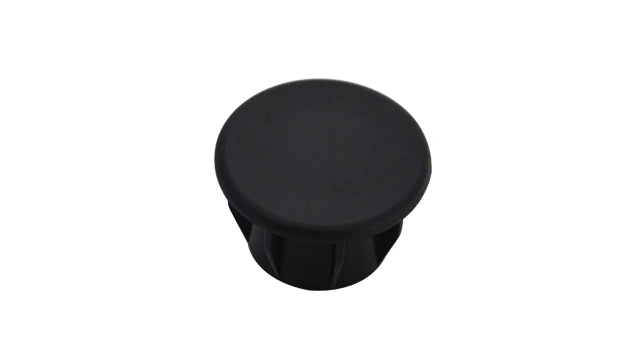
Plastic pipe end cap
Plastic pipe cover, used for 28mm two end cover and protection, to avoid any scratch from sharp metal surface.
In the fast-paced world of manufacturing, where every dollar and every minute counts, it's often the smallest components that make the biggest difference. While production managers focus on large machinery, assembly lines, and high-tech tools, there's a humble hero working behind the scenes: the plastic pipe end cap. These unassuming pieces might seem trivial at first glance, but their impact on reducing production expenses—especially within a lean system—can't be overstated. In this article, we'll dive into why plastic pipe end caps have become a go-to choice for manufacturers, how they align with lean principles, and how they deliver tangible cost savings across everything from lean pipe workbenches to flow racks.
The Unsung Hero: What Are Plastic Pipe End Caps?
Let's start with the basics. Plastic pipe end caps are small, often cylindrical components designed to fit snugly over the ends of pipes, tubes, or rods. They're typically made from durable plastics like polypropylene (PP), polyethylene (PE), or ABS, chosen for their strength, flexibility, and resistance to wear and tear. While their primary function is to seal or cap pipe ends, their role extends far beyond that: they protect pipe edges from damage, prevent debris from entering tubes, reduce noise during operation, and even enhance safety by eliminating sharp edges that could injure workers.
What makes plastic end caps stand out is their versatility. They come in various sizes, from tiny 0.5-inch caps for delicate tubing to larger 2-inch versions for heavy-duty pipes. Some are designed with ribs or textured surfaces for a tighter grip, while others feature flanges or lips to secure them in place. This adaptability means they're used across industries: automotive, electronics, aerospace, logistics, and more. But where they truly shine is in environments focused on efficiency—like those built around lean system principles.
Aligning with Lean Systems: Reducing Waste, Boosting Efficiency
Lean system thinking is all about eliminating waste—whether that's time, materials, or effort—and optimizing workflows to create more value with fewer resources. In this context, plastic pipe end caps are more than just "caps"; they're tools for waste reduction. Let's break down how:
1. Minimizing Material Waste: Traditional metal end caps are often over-engineered, using more material than necessary to achieve durability. Plastic caps, by contrast, are lightweight and precision-molded, using exactly the amount of plastic needed. This reduces raw material usage, lowering production costs for the caps themselves and cutting down on waste from excess material.
2. Speeding Up Assembly Time: In a lean system, every second of downtime matters. Plastic end caps are designed for quick installation—many snap on by hand, requiring no tools, adhesives, or specialized training. Compare that to metal caps, which often need screws, bolts, or crimping tools. On a production line with hundreds of pipes, those saved seconds add up to hours of labor saved each week.
3. Reducing Maintenance Waste: Metal caps are prone to rust, corrosion, and dents, especially in humid or high-traffic environments. When a metal cap fails, it can damage the pipe underneath, leading to costly repairs or replacements. Plastic caps, however, resist corrosion, won't rust, and are flexible enough to absorb minor impacts without cracking. This means fewer replacements, less downtime, and lower maintenance costs over time.
For manufacturers running a lean system, these benefits aren't just "nice to have"—they're critical. By integrating plastic pipe end caps into their processes, teams can streamline workflows, reduce waste, and keep production lines running smoother and more cost-effectively.

Why Plastic Trumps Metal, Rubber, and Other Materials
You might be wondering: Why plastic? Why not stick with metal, rubber, or even wood? The answer lies in the unique combination of cost, performance, and practicality that plastic offers. Let's compare:
| Material | Initial Cost per Unit | Installation Time (per cap) | Durability (Average Lifespan) | Weight (per cap, 1-inch size) | Corrosion Resistance |
|---|---|---|---|---|---|
| Plastic (PP/PE) | $0.15–$0.50 | 5–10 seconds (tool-free snap-on) | 2–5 years (indoors); 1–3 years (outdoors) | 5–10 grams | Excellent (resists water, chemicals, rust) |
| Metal (Steel/Aluminum) | $1.00–$3.00 | 30–60 seconds (requires screws/tools) | 5–10 years (but prone to rust without coating) | 30–50 grams | Poor (steel rusts; aluminum corrodes in saltwater) |
| Rubber | $0.50–$1.50 | 15–20 seconds (stretches on, may tear) | 6–12 months (degrades in sunlight/heat) | 15–25 grams | Good (resists water, but not oils/chemicals) |
The data speaks for itself: plastic end caps offer the lowest initial cost, fastest installation, and best corrosion resistance. While metal caps may last longer in ideal conditions, their higher weight increases shipping costs (imagine transporting 10,000 metal caps vs. plastic ones—plastic weighs 1/6 as much!), and their rust risk adds hidden maintenance costs. Rubber caps, meanwhile, degrade quickly in harsh environments, leading to frequent replacements—a classic example of "cheap now, expensive later" waste that lean systems aim to eliminate.

Real-World Applications: From Lean Pipe Workbenches to Flow Racks
To understand the impact of plastic pipe end caps, let's look at two common manufacturing setups: lean pipe workbenches and flow racks. These are workhorses of production lines, and end caps play a starring role in making them efficient.
1. Lean Pipe Workbenches: Stability and Safety
A lean pipe workbench is the heart of many assembly stations. Built from modular pipes and joints, it's designed to be flexible—easily reconfigured as production needs change. But without end caps, those pipes can become a liability. Sharp, exposed pipe ends can scratch tools, damage components, or even cut workers' hands. Metal end caps would add weight and cost, while rubber caps might slip off during reconfiguration.
Plastic end caps solve this perfectly. They snap onto the ends of the workbench's pipes, creating a smooth, safe surface. During reconfiguration, they stay in place, so workers don't waste time hunting for lost caps or reattaching loose ones. For example, a electronics manufacturer in Vietnam recently upgraded their lean pipe workbenches with plastic caps. They reported a 20% reduction in minor workplace injuries (from scrapes) and a 15% faster setup time when reconfiguring benches for new product lines—all because the caps stayed put and required no tools to adjust.
2. Flow Racks: Smooth Material Flow, Reduced Downtime
Flow racks are essential for just-in-time (JIT) production, allowing materials to glide from storage to assembly lines via gravity. They rely on roller tracks or conveyor systems to keep items moving smoothly. But if the pipes or rollers that make up these racks have rough, unprotected ends, materials can get stuck, leading to jams and downtime.
Plastic end caps on flow rack rollers or support pipes ensure a clean, even finish. They prevent debris from lodging in pipe ends (which could block rollers) and reduce noise as materials slide along the rack. A automotive parts supplier in Mexico shared that after switching to plastic caps on their flow racks, they saw a 30% drop in "line stops" caused by material jams. Workers no longer had to stop production to clear blocked rollers—saving an average of 2 hours per day in downtime.
Calculating the Cost Savings: Beyond the Price Tag
To truly appreciate the value of plastic pipe end caps, we need to look beyond their low upfront cost. Let's crunch the numbers for a hypothetical mid-sized manufacturer using 10,000 end caps per year across workbenches, flow racks, and other equipment. We'll compare plastic caps to metal caps (a common alternative) and calculate the total annual savings:
- Initial Cost: Plastic caps cost $0.30/unit vs. metal at $2.00/unit. Annual cap cost: $3,000 (plastic) vs. $20,000 (metal). Savings: $17,000 .
- Installation Labor: Plastic caps take 5 seconds each to install; metal takes 45 seconds. At $25/hour labor cost, plastic installation costs $347/year; metal costs $3,125/year. Savings: $2,778 .
- Shipping Costs: Plastic caps weigh 8g each; metal weighs 48g each. Shipping 10,000 caps: plastic costs ~$150 (via ground); metal costs ~$900. Savings: $750 .
- Maintenance/Replacement: Plastic caps last 3 years; metal (uncoated) lasts 2 years (due to rust). Annual replacement cost: $1,000 (plastic) vs. $10,000 (metal). Savings: $9,000 .
Total annual savings? $29,528 . For a single component that costs pennies each, that's a return on investment that's hard to ignore. And this doesn't even include intangible savings, like reduced downtime from jams or fewer worker injuries—both of which have real financial impacts on a business.
Case Study: How a Furniture Manufacturer Cut Costs by 15% with Plastic End Caps
A mid-sized furniture manufacturer in North Carolina was struggling with rising production costs. Their assembly lines used metal end caps on lean pipe workbenches and flow racks, but they were facing issues: rusted caps were staining wooden components, installation took too long, and shipping costs for metal caps were eating into margins. They decided to test plastic end caps on one production line, then expanded to all lines after 3 months.
Results were striking: Installation time per workbench dropped from 20 minutes to 5 minutes. Staining defects from rusted caps decreased by 100%. Annual shipping costs for caps fell by $8,000. Over a year, the switch saved them $45,000—15% of their total annual "small parts" budget. As the plant manager put it: "We never thought a $0.30 cap could make such a big difference. It's the kind of lean win that adds up fast."
Choosing the Right Supplier: A Critical Step
Not all plastic pipe end caps are created equal. To maximize cost savings, you need a supplier who delivers quality, consistency, and value. Here's what to look for:
Quality Materials: Opt for suppliers who use high-grade plastics (like PP or ABS) that resist cracking, warping, or UV damage. Ask for material certifications to ensure durability.
Customization Options: Your pipes might have unique sizes or requirements (e.g., ESD-safe caps for electronics manufacturing). A good supplier should offer custom sizes, colors, or features without inflating prices.
Bulk Pricing: Since end caps are often needed in large quantities, look for suppliers who offer tiered pricing for bulk orders. The more you buy, the lower the per-unit cost—another lean win.
Reliable Lead Times: In JIT production, delays in cap deliveries can halt lines. Choose suppliers with a track record of on-time shipping and buffer stock for emergency orders.
Future Trends: Innovations in Plastic Pipe End Caps
As manufacturing evolves, so do plastic pipe end caps. Here are two trends to watch:
Eco-Friendly Materials: Suppliers are developing caps from recycled plastics or biodegradable polymers, aligning with sustainability goals. These caps perform as well as traditional plastic but reduce environmental impact—a key consideration for brands focused on ESG (Environmental, Social, Governance) metrics.
Integrated Features: Some caps now include built-in labels or RFID tags, making it easier to track tools or materials on lean pipe workbenches. Others have anti-slip surfaces or ESD (electrostatic discharge) protection, critical for sensitive electronics manufacturing.
Conclusion: Small Component, Big Impact
In the world of manufacturing, it's easy to overlook the small stuff. But plastic pipe end caps prove that even the tiniest components can drive significant cost savings. By aligning with lean system principles—reducing waste, speeding up workflows, and cutting hidden costs—they deliver value that goes far beyond their low price tag.
Whether you're building lean pipe workbenches, optimizing flow racks, or streamlining any part of your production line, plastic end caps deserve a spot on your cost-saving checklist. They're not just caps—they're a smart, simple way to make your operation more efficient, safer, and more profitable. And in today's competitive market, that's the kind of advantage that matters.
So the next time you walk past a production line, take a closer look at those pipe ends. Chances are, there's a plastic cap there—quietly doing its part to keep costs down and efficiency up. Sometimes, the best innovations are the ones that fit in the palm of your hand.