- Company Articles
- Products and Technology
- Product knowledge
- Cost-Effective Solutions: One Way Rotatory Straight Lean Pipe Joint Chrome Pricing Guide

Cost-Effective Solutions: One Way Rotatory Straight Lean Pipe Joint Chrome Pricing Guide
Related Product
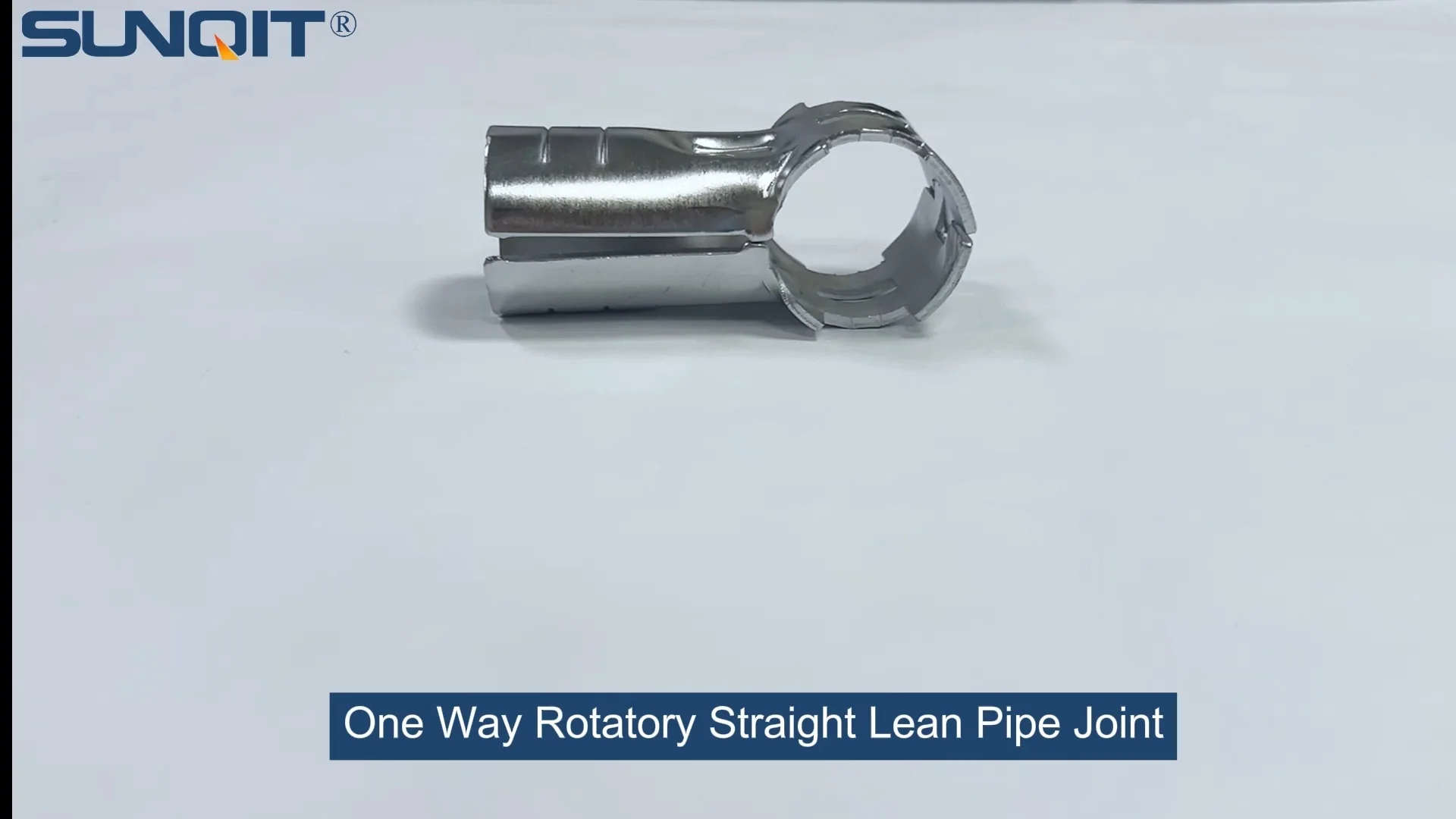
One Way Rotatory Straight Lean Pipe Joint Chrome
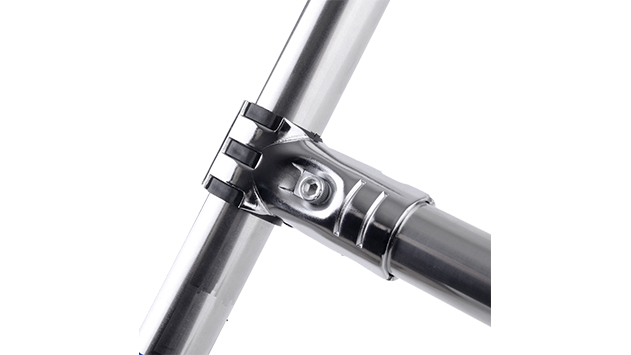
Two way lean pipe joint for 2 pcs 28MM lean pipe connection in straight angle with rotatory fucntion, which used widely in workbench, flow rack, hand trolley frame connection.
The Unsung Hero of Lean Systems: Why Joints Matter More Than You Think
When we talk about lean systems, the conversation often turns to big-ticket items: workbenches, conveyors, or flow racks. But here's a little secret the pros know: the real backbone of any efficient lean setup isn't the flashy equipment—it's the small, unassuming components that hold everything together. I'm talking about joints. Specifically, the one way rotatory straight lean pipe joint chrome. These little connectors might not get the spotlight, but they're the reason your production line can adapt, grow, and keep up with the chaos of daily operations.
Think about it: a workbench that wobbles because of a flimsy joint, a flow rack that jams because a connector can't handle the weight, or a turnover trolley that breaks down mid-shift—all of these headaches trace back to cutting corners on the "small stuff." In lean manufacturing, where every second and every dollar counts, a reliable joint isn't just a nice-to-have; it's the difference between smooth workflows and costly delays. And if you're in the market for one, you've probably realized there's a lot to unpack: materials, pricing, suppliers… it can feel overwhelming. That's why we're breaking down everything you need to know about the one way rotatory straight lean pipe joint chrome—from what it does to how much it should cost—so you can make smart, cost-effective choices for your lean system.
What Even Is a One Way Rotatory Straight Lean Pipe Joint Chrome?
Let's start with the basics. You've seen lean pipes—those metal or aluminum tubes that form the skeleton of workbenches, racks, and trolleys. To turn those tubes into something functional, you need joints. The one way rotatory straight lean pipe joint chrome is a specific type designed for flexibility and strength.
First, the "one way rotatory" part: unlike fixed joints that lock tubes in place, this joint lets you rotate one section of pipe relative to another in a single direction (think of a door hinge that only swings one way). That might sound simple, but in a production assemble line, that small range of motion is a game-changer. It means you can adjust angles slightly to fit odd-sized parts, reposition tools without rebuilding the entire structure, or tilt a flow rack to speed up material flow—all without grabbing a wrench.
Then there's the "chrome" coating. Chrome isn't just for shine (though it does look sleek); it's a protective layer that resists rust, scratches, and the wear and tear of daily use. If your shop deals with moisture, oils, or frequent cleaning, a chrome finish ensures your joints won't corrode and weaken over time. Compare that to uncoated steel joints, which might start rusting after a few months in a humid environment—suddenly, that extra coating feels like a no-brainer.
And let's not forget the "straight" design. This joint connects two pipes in a straight line but adds that rotational twist. It's not for T-junctions or corners—that's what three-way or 90-degree joints are for—but when you need a straight run with a little give, this is your go-to. Whether you're building a roller track for parts to glide down or a support beam for a heavy workbench, this joint balances rigidity where you need it and flexibility where you don't.
Why It's a Must-Have in Lean Systems
Lean systems thrive on three things: efficiency, adaptability, and durability. The one way rotatory straight lean pipe joint chrome checks all three boxes, and here's how:
Efficiency in Production Assemble:
Every second counts on the shop floor. If a worker has to stop and adjust a rigid structure to fit a new part, that's downtime. With a rotatory joint, they can tweak the angle in seconds, keeping the line moving. For example, imagine a flow rack where parts sometimes get stuck at a sharp corner. A slight rotation of the joint to smooth out the angle could eliminate jams entirely—saving minutes (or hours) of frustration each day.
Adaptability for Changing Needs:
Lean isn't static. Your production line today might need a workbench 4 feet high; next month, you might need it 3 feet to fit a new machine. Fixed joints would mean taking the whole thing apart and rebuilding. With rotatory joints? Loosen a few screws, adjust the angle, retighten, and you're done. It's like having a modular system that grows with your business, without the cost of buying all-new equipment.
Durability That Saves Money Long-Term:
Cheap joints might save you a few bucks upfront, but they'll cost you in the long run. A flimsy joint can bend under heavy loads, leading to wobbly workbenches that risk damaging parts or injuring workers. The chrome coating on this joint adds years to its lifespan, and the metal core (usually steel or aluminum) is built to handle heavy weights—we're talking hundreds of pounds without bending. When you factor in fewer replacements and repairs, the initial cost feels like a smart investment.

Pricing Guide: What Determines the Cost?
Now, the question you're here for: how much does this joint cost? The short answer: it depends. Prices can range from $5 to $20 per joint, and sometimes more for specialty sizes or bulk orders. To avoid overpaying (or worse, buying cheap and regretting it), let's break down the key factors that influence pricing:
1. Material Quality:
Not all joints are made equal. A joint made with low-grade steel and a thin chrome coating will be cheaper—maybe $5–$8—but it won't hold up to heavy use. On the flip side, a joint made with high-carbon steel, a thick chrome layer, and precision-machined parts will cost more ($12–$20) but last 3–5 times longer. If your shop runs 24/7 or handles heavy parts, skimping on material quality is a false economy.
2. The Lean Pipe Supplier You Choose:
Where you buy matters. Big-box industrial suppliers might mark up prices by 30% because they're middlemen. A direct lean pipe supplier, on the other hand, cuts out the middleman and passes savings to you. For example, a supplier that manufactures joints in-house can offer the same quality joint for $10 that a retailer sells for $15. But be wary of "too good to be true" prices from unknown suppliers—some cut corners on chrome thickness or use recycled steel, which weakens the joint.
3. Order Quantity:
Like most industrial parts, the more you buy, the less you pay per unit. A single joint might cost $18, but order 100, and that price could drop to $12 each. If you're planning a big project (say, building 10 workbenches or a new flow rack system), buying in bulk is a no-brainer. Even if you don't need 100 joints today, storing extras (they take up almost no space!) can save you money later when you need to expand.
4. Accessories and Extras:
Sometimes, the joint itself is just the start. Do you need washers to prevent slipping? Special bolts for extra tightness? Or maybe a protective cap to keep dust out of the joint? These add-ons can increase the total cost, but they're often worth it. For example, a $2 washer might prevent a joint from loosening and causing a $200 part to crash to the floor. When comparing prices, ask if accessories are included or sold separately—some suppliers bundle them to make the initial price look lower, then charge more for the "extras" you actually need.
To put this all together, here's a quick table showing typical price ranges based on these factors:
Remember, these are ballpark numbers. Prices can vary by region, supplier, and even current metal costs (steel and aluminum prices fluctuate with the market). Always get a quote from a few suppliers before deciding—most will happily send a free estimate, even for small orders.
| Scenario | Price Per Joint | Best For |
|---|---|---|
| Low-quality, single order, no accessories | $5–$8 | DIY projects or light, temporary use |
| Mid-quality, 50+ order, basic accessories included | $10–$13 | Small to medium production lines, regular use |
| High-quality (chrome plated, steel core), 100+ order, full accessory kit | $15–$20 | Heavy-duty production assemble, 24/7 operations, humid/dirty environments |
How to Pick the Right Lean Pipe Supplier
You could have the best joint design in the world, but if your supplier drops the ball, you're in trouble. So what should you look for when choosing a lean pipe supplier for your one way rotatory straight lean pipe joint chrome?
1. Quality First—Ask for Samples:
Any reputable supplier will send you a sample joint (sometimes for free, sometimes for a small fee refundable with your order). Test it! Twist it, pull on it, even scratch the chrome with a key (gently!). A good chrome coating won't flake off, and the joint should feel solid, not cheap or hollow. If a supplier refuses to send a sample, that's a red flag—they might be hiding poor quality.
2. Bulk Pricing Transparency:
A trustworthy supplier will clearly list bulk pricing upfront. If you have to dig through their website or pester sales reps to find out how much 100 joints cost, that's a sign they might not value your time. Look for suppliers with a "volume discounts" page or a pricing calculator—transparency builds trust.
3. Customer Service That Doesn't Disappear:
What happens if a joint arrives damaged? Or if you realize you ordered the wrong size? A good supplier will have a responsive customer service team that fixes issues quickly. Check reviews online—if other customers complain about "ghosting" after the sale, steer clear. Lean systems don't stop for bad customer service, and neither should you.
4. Range of Lean Pipe and Accessories:
It's easier (and often cheaper) to buy all your lean components from one supplier. If your joint supplier also sells lean pipes, casters, and roller track connectors, you can bundle orders to save on shipping and maybe get a discount. Plus, you'll know all the parts are designed to work together—no guessing if a joint from Supplier A will fit a pipe from Supplier B.
Cost-Effective Hacks: Getting More Bang for Your Buck
You don't have to break the bank to get quality joints. Here are a few pro tips to save money without sacrificing performance:
Buy in Bulk (Even If You Don't Need It Now):
As the table above shows, ordering 100 joints instead of 10 can cut the per-unit cost by 20% or more. Joints have a long shelf life—they won't rust (thanks to the chrome!) or expire—so stock up when you find a good deal. Think of it as an investment in your future lean system expansions.
Combine with Lean Pipe and Accessories from the Same Supplier:
Many suppliers offer bundle discounts when you buy pipes, joints, and accessories together. For example, a "lean pipe starter kit" with 20 pipes, 10 joints, and 5 casters might cost 15% less than buying each part separately. It's also more convenient—one order, one shipment, one invoice.
Skip the "Fancy" Brands—Focus on Quality:
You don't need a big-name brand to get a good joint. Some smaller, local lean pipe suppliers make high-quality products at lower prices because they don't spend as much on marketing. Ask for references or samples, and if the joint feels solid and the supplier is responsive, give them a chance. Your wallet (and your production line) will thank you.
Repurpose Old Joints (Carefully):
If you're replacing an old lean system, check if the joints are still usable. Clean them with a wire brush to remove rust, apply a little lubricant to the rotating parts, and they might work like new. Just be honest—if a joint is bent, cracked, or the chrome is peeling, toss it. Reusing a faulty joint is a false economy that could lead to accidents or downtime.
Real-World Uses: How This Joint Solves Everyday Problems
Still not sure if this joint is right for you? Let's look at a few real-world examples of how it's used in shops like yours:
Workbenches That Adapt:
A mechanic at a small auto shop uses a lean pipe workbench with one way rotatory joints to hold tools. When they switch from working on cars to motorcycles (smaller parts, different angles), they rotate the tool holders slightly to bring wrenches and screwdrivers closer to eye level—no need to rebuild the bench.
Flow Racks with Adjustable Angles:
A electronics manufacturer uses flow racks to move circuit boards from one station to the next. On humid days, the boards sometimes stick to the roller track. By rotating the one way joints, they tilt the rack up by 5 degrees, giving the boards a little extra momentum to glide smoothly.
Turnover Trolleys That Fit Through Tight Doors:
A warehouse uses turnover trolleys to move boxes between storage and shipping. Some doorways are narrower than others, so they added rotatory joints to the trolley handles. When approaching a tight door, workers rotate the handles inward to slim the trolley's width, then rotate them back out once through—no more struggling to squeeze through or leaving boxes behind.
These are small problems, but small problems add up to big delays. The one way rotatory straight lean pipe joint chrome turns "annoying" into "effortless," and that's the heart of lean manufacturing.
Final Thoughts: Invest in the Joints, Invest in Your Lean System
At the end of the day, a lean system is only as strong as its weakest link. And more often than not, that link is a cheap, flimsy joint. The one way rotatory straight lean pipe joint chrome might seem like a small purchase, but it's an investment in efficiency, adaptability, and durability—three things no lean system can thrive without.
When you're comparing prices, remember: the cheapest option isn't always the best deal. A $5 joint that breaks in six months will cost you more in downtime and replacements than a $15 joint that lasts five years. And when you find a reliable lean pipe supplier who offers quality, transparency, and good customer service, hold onto them—they're worth their weight in chrome-plated gold.
So go ahead, dive into those supplier quotes, test those samples, and stock up on the joints that will keep your lean system running smoothly for years to come. Your production line (and your bottom line) will thank you.