- Company Articles
- Products and Technology
- Product knowledge
- Cost-Effectiveness Analysis: Single Side Aluminum Pipe vs Stainless Steel Pipes

Cost-Effectiveness Analysis: Single Side Aluminum Pipe vs Stainless Steel Pipes
Related Product
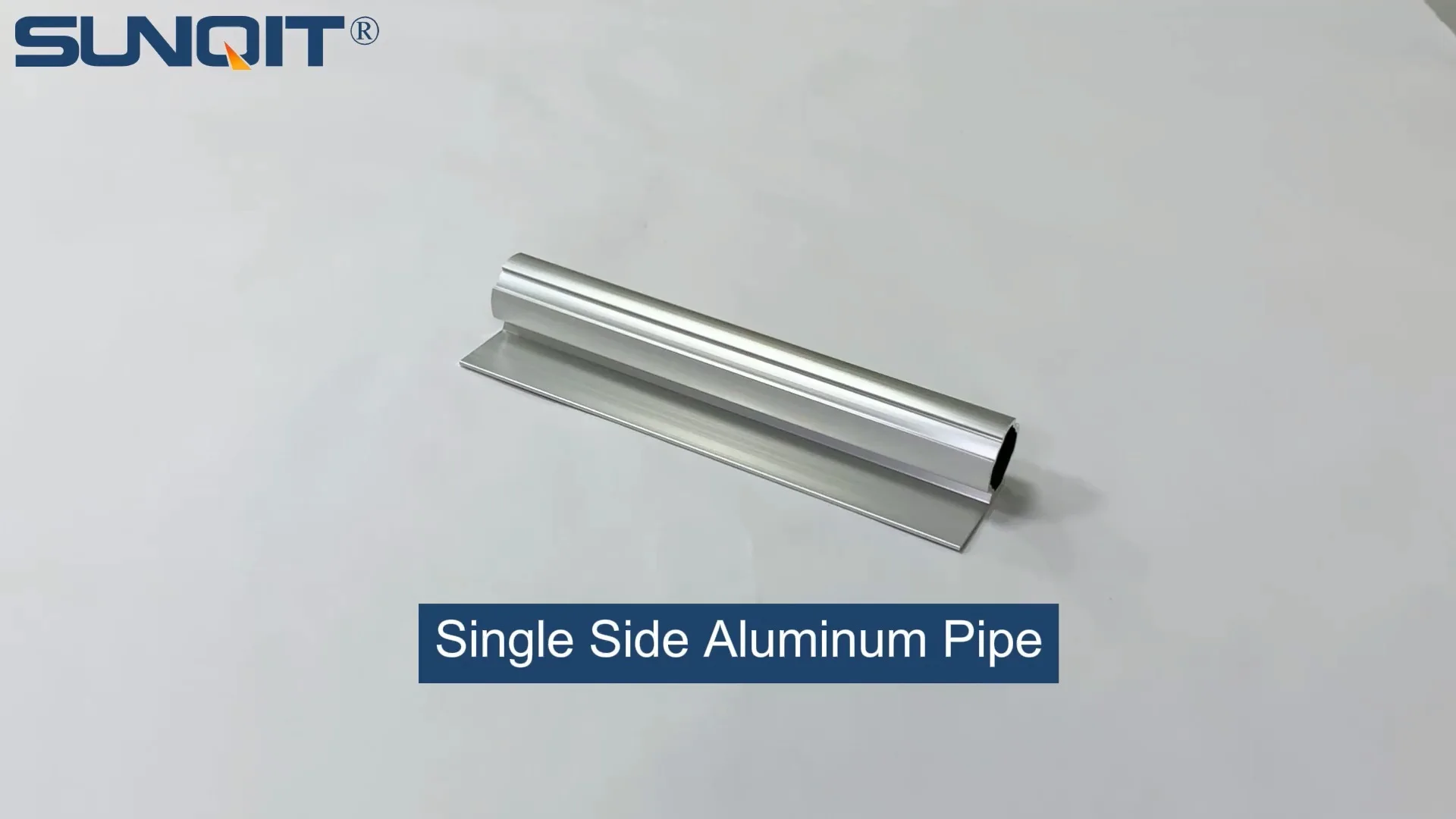
Single Side Aluminum Pipe
The single-sided plane can be installed with a back-mounted material box, and can also be used as a sidewall or partition.
Let's face it: running a production facility, warehouse, or even a small workshop means making a lot of decisions that boil down to one question: "Will this help us work smarter, not harder?" When it comes to building the backbone of your workspace—think workbenches, material racks, flow lines, or lean system setups—the choice of materials can make or break your efficiency, budget, and long-term success. Today, we're diving into two heavyweights in the industrial material world: single side aluminum pipe and stainless steel pipe series. We'll break down their costs, performance, and practicality so you can decide which one truly delivers the best bang for your buck.
First Things First: What Are We Actually Comparing?
Before we get into the nitty-gritty, let's make sure we're on the same page. Single side aluminum pipe is exactly what it sounds like: a lightweight, aluminum-based pipe with a specific profile—often designed with a flat or "single side" edge to simplify mounting accessories like brackets or shelves. It's part of the broader family of aluminum extrusion profiles, known for being modular, easy to assemble, and corrosion-resistant (though not as much as stainless steel).
On the other side, we have the stainless steel pipe series . These are pipes made from stainless steel alloys, prized for their strength, durability, and resistance to rust, chemicals, and extreme temperatures. They're the tough guys of the material world, often used in environments where hygiene, heavy loads, or harsh conditions are part of the daily grind—think food processing plants, automotive factories, or outdoor storage areas.
Both have their fans, but when you're trying to optimize a lean system —where waste reduction, flexibility, and cost control are king—small differences in performance and price can add up fast. Let's start by looking at the numbers everyone cares about first: cost.
The Price Tag: Upfront Costs vs. Long-Term Investment
Let's cut to the chase: if you're comparing upfront costs, single side aluminum pipe often has the edge. Aluminum is generally less expensive per linear foot than stainless steel, especially when you factor in the thickness needed for similar strength. For example, a 10-foot length of 1.5mm thick single side aluminum pipe might cost 30-40% less than a comparable stainless steel pipe of the same dimensions. That's a big difference if you're building a large setup—say, a series of flow racks or a production line with dozens of pipe sections.
But here's the catch: upfront cost isn't the whole story. Let's talk about total cost of ownership (TCO)—the sum of upfront purchase, installation, maintenance, and replacement costs over time. Stainless steel, for all its heft, tends to have a longer lifespan. In a dry, indoor environment, aluminum might last 5-8 years before showing signs of wear (like bending or surface scratches). Stainless steel? In the same conditions, it could easily hit 10-15 years. If you're running a high-volume facility where downtime for replacements is costly, that longer lifespan might offset the higher initial price.
Then there are aluminum profile accessories —the brackets, connectors, and end caps that hold your aluminum setup together. Aluminum systems often use lightweight, standardized accessories that are cheaper and easier to source than stainless steel equivalents. A pack of aluminum connectors might cost $20, while stainless steel ones could run $35 for the same quantity. Multiply that by hundreds of connections in a large system, and the savings add up. Stainless steel accessories, on the other hand, are heavier and sometimes require specialized tools to install, which can hike up labor costs during setup.

Durability: When "Tough" Matters More Than "Cheap"
Let's talk about how these materials hold up in real-world conditions. Stainless steel's claim to fame is its resistance to corrosion and rust, thanks to its chromium content. If your workspace deals with moisture, chemicals, or food products (think a brewery or a pharmaceutical lab), stainless steel is a no-brainer. A spill of water or cleaning solution won't leave it pitted or stained, which means less maintenance and longer life.
Aluminum, while naturally resistant to rust (it forms a protective oxide layer), isn't as tough in extreme environments. In high-humidity areas or places with frequent chemical exposure, aluminum might start to show discoloration or weakening over time. That said, in a standard dry factory or warehouse—where the biggest threats are dents from forklifts or heavy tool drops—aluminum holds its own surprisingly well. Its lightweight nature actually works in its favor here: if a pipe gets bumped, it's less likely to bend permanently than a heavier stainless steel pipe, which might warp under impact.
Load capacity is another key factor. Stainless steel, being denser and stronger, can handle heavier weights without sagging. A 2-inch stainless steel pipe might support 500 lbs per linear foot, while the same size aluminum pipe might top out at 350 lbs. If you're building a rack for heavy machinery parts or bulk materials, stainless steel's higher load capacity could mean fewer supports are needed, which might offset some of its upfront cost. But for lighter loads—like small components on a workbench or lightweight totes on a flow rack—aluminum is more than sufficient, and its lighter weight makes the entire structure easier to move or reconfigure later.

Installation & Flexibility: Time Is Money, Too
Here's where aluminum really starts to shine for lean system users: installation speed and flexibility. Single side aluminum pipe is lightweight—often half the weight of stainless steel of the same size. That means your team can carry, cut, and assemble it without heavy lifting equipment or extra manpower. A two-person crew might knock out a simple aluminum workbench in an hour, whereas the same crew might take 90 minutes with stainless steel, just because of the extra weight and effort needed to maneuver the pipes.
Aluminum's modular design also plays a role. Most single side aluminum pipe systems use snap-on or bolt-on aluminum profile accessories that don't require welding. You can cut pipes to length with a standard hacksaw or miter saw, and connectors slide into place with minimal effort. This is a game-changer for lean environments, where being able to reconfigure a production line or workbench on the fly is critical. Need to add a shelf to a rack? Swap out a connector. Want to shorten a flow line? Cut the aluminum pipe and reattach the accessories—no need to call in a welder or wait for specialized parts.
Stainless steel, by contrast, often requires welding or heavy-duty fasteners to ensure stability, especially for load-bearing structures. Welding adds labor costs and time, and once a stainless steel structure is built, it's not easy to take apart and rebuild elsewhere. If your lean system relies on frequent updates—like seasonal changes in production or new product lines—aluminum's flexibility can save you hours of downtime and rework.

Real-World Comparison: Key Factors at a Glance
To make this easier, let's put the most important factors side by side:
| Factor | Single Side Aluminum Pipe | Stainless Steel Pipe Series |
|---|---|---|
| Upfront Cost | 30-40% lower per linear foot | Higher initial investment |
| Installation Time | Faster (no welding, lightweight) | Slower (heavier, may require welding) |
| Corrosion Resistance | Good in dry environments; fair in humid/chemical areas | Excellent in all environments |
| Load Capacity | Moderate (350-400 lbs/linear ft for 2-inch pipe) | High (500+ lbs/linear ft for 2-inch pipe) |
| Flexibility/Reconfigurability | High (easily disassembled and modified) | Low (permanent once installed) |
| Accessory Cost | Lower (aluminum profile accessories are affordable) | Higher (specialized stainless steel accessories) |
Who Should Choose Which? It Depends on Your "Why"
At the end of the day, the "better" choice depends on your specific needs. Let's break it down by scenario:
Choose single side aluminum pipe if… You're working within a tight budget, need a lightweight, easy-to-assemble structure, or plan to reconfigure your setup often (hello, lean system enthusiasts!). It's also ideal for dry, indoor environments with moderate load requirements—think electronics assembly lines, small parts warehouses, or office-based workbenches. The lower upfront cost and affordable aluminum profile accessories make it a favorite for startups or facilities looking to scale gradually.
Choose stainless steel pipe series if… Your workspace deals with moisture, chemicals, or heavy loads (500+ lbs regularly). Food processing plants, marine facilities, or outdoor storage areas will benefit from stainless steel's corrosion resistance and strength. If you need a permanent structure that will stay in place for 10+ years and won't require frequent changes, the higher initial investment pays off in lower maintenance and longer life.
The Bottom Line: It's About Balance
There's no one-size-fits-all answer, but here's the takeaway: single side aluminum pipe is often the more cost-effective choice for most lean system setups, thanks to its lower upfront cost, faster installation, and flexibility. Its lightweight design and affordable aluminum profile accessories make it easy to adapt as your needs change, which is exactly what lean manufacturing is all about—continuous improvement.
That said, stainless steel pipe series earns its keep in environments where durability and corrosion resistance are non-negotiable. If your facility can't afford downtime for replacements or deals with harsh conditions, the extra investment in stainless steel will save you headaches (and money) in the long run.
Whichever you choose, remember: the best material is the one that aligns with your budget, workflow, and long-term goals. After all, a lean system isn't just about cutting costs—it's about building something that works for your team, not against them. And whether that "something" is made of aluminum or stainless steel, the right choice will help you keep things flowing smoothly for years to come.