- Company Articles
- Products and Technology
- Product knowledge
- Cost-Effectiveness of 3030a EU Standard Aluminum Profile in Long-Term Use

Cost-Effectiveness of 3030a EU Standard Aluminum Profile in Long-Term Use
Related Product
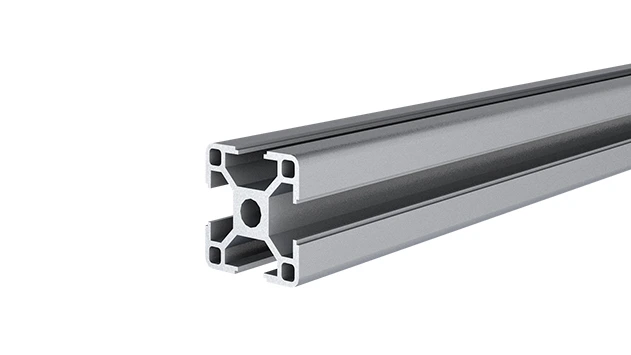
3030A EU Standard Aluminum Profile
3030 is a 3.00 x 3.00CM fractional 30 series square extrusion T-slot profile with four open T-slots, each side with 3.00cm face. The profile has align-a-grooves to assist in aligning connecting profiles.
If you've ever run a workshop, managed a factory floor, or even set up a small-scale production space, you've probably faced the same problem: equipment that doesn't keep up. Maybe it's a workbench that starts to wobble after six months, a storage rack that rusts through in a humid environment, or a production line setup that becomes obsolete the moment your workflow changes. These aren't just minor annoyances—they're silent budget drains. Replacement costs, downtime, and lost productivity add up fast. But what if there was a solution that didn't just fix today's issues but actually grew with you, saving money over time? That's where the 3030a EU Standard Aluminum Profile comes into play. Let's dive into why this unassuming piece of aluminum extrusion profile is quietly becoming the go-to choice for businesses that care about long-term value.
What Even Is a 3030a EU Standard Aluminum Profile?
First things first: let's demystify the jargon. The "3030a" refers to its dimensions—30mm by 30mm, a common size for industrial and commercial use. "EU Standard" means it meets strict European quality and safety benchmarks, so you're not getting a flimsy knockoff. And "aluminum extrusion profile" simply describes how it's made: heated aluminum is pushed through a die to create a consistent, hollow shape with T-slots running along its length. Those T-slots are the secret sauce—they let you attach aluminum profile accessories like connectors, brackets, and panels without welding or drilling. Think of it as a grown-up version of building blocks, but for adults who need their creations to withstand heavy loads and daily wear.
Unlike traditional materials like steel or wood, this profile isn't just a static piece of metal. It's a system. Pair it with the right aluminum profile accessories—things like 90° aluminum profile connectors, end caps, or even caster wheels for mobility—and you can build everything from workbenches to material racks to full lean systems for production lines. And because it's modular, you're never stuck with a "one-and-done" setup. That flexibility alone is a game-changer, but we'll get to that later.
The Upfront Cost Myth: Why "Cheap Now" Often Means "Expensive Later"
Let's address the elephant in the room: aluminum isn't the cheapest material upfront. If you're comparing price tags at the hardware store, a steel pipe or a wooden plank might look more appealing. But here's the thing: cost-effectiveness isn't about what you pay today—it's about what you pay over the next 5, 10, or even 20 years. To really understand the value, we need to talk about total cost of ownership (TCO). That includes initial purchase, maintenance, replacement, and even the hidden costs of downtime when your equipment fails.
Real Talk from a Small Manufacturer:
"Three years ago, I bought steel racks for my warehouse because they were $200 cheaper than aluminum ones. Last year, half of them rusted through from our coastal humidity—had to replace all of them. The new 3030a aluminum racks cost more upfront, but I haven't spent a dime on maintenance. And when we expanded, I just added more sections instead of buying new racks. Wish I'd done it sooner." — Maria, owner of a electronics assembly shop in Portugal.
To put this in perspective, let's look at a side-by-side comparison of 3030a aluminum profile with two common alternatives: mild steel and plywood. This table breaks down the key factors that affect TCO over a 10-year period:
| Factor | 3030a Aluminum Profile | Mild Steel | Plywood |
|---|---|---|---|
| Initial Cost (per meter) | $25–$35 | $15–$20 | $8–$12 |
| Estimated Lifespan | 15–20 years | 5–8 years (without regular maintenance) | 2–3 years (in industrial settings) |
| Annual Maintenance Cost | $0–$5 (occasional cleaning, accessory replacement) | $30–$50 (painting, rust treatment, welding repairs) | $20–$40 (sealing, replacing warped boards) |
| Flexibility (Reconfigurability) | High (easily add/remove accessories, reconfigure layouts) | Low (requires welding/cutting to modify) | Very Low (once built, difficult to alter without damage) |
| Total Cost Over 10 Years* | $35–$55 (initial + maintenance) | $105–$150 (initial + 2 replacements + maintenance) | $148–$212 (initial + 4 replacements + maintenance) |
*Estimates based on average industrial usage. Costs include material, labor for installation/maintenance, and downtime for replacements.
The numbers speak for themselves. While plywood or steel might save you money on day one, 3030a aluminum profile starts to pull ahead by year 3 and leaves them in the dust by year 10. And that's not even counting the intangibles—like not having to halt production to tear down and rebuild a rusted steel rack, or being able to adapt your workspace for a new product line in a weekend instead of a month.

Durability: When "Built to Last" Isn't Just a Slogan
Aluminum has a reputation for being lightweight, but don't let that fool you—it's surprisingly tough. Unlike steel, it doesn't rust. Unlike wood, it doesn't warp, rot, or attract pests. Even in humid factories, coastal warehouses, or environments with chemical exposure (common in manufacturing), 3030a profiles hold their own. The secret is aluminum's natural oxide layer, which forms instantly when it's exposed to air, acting as a built-in shield against corrosion. You could spray it with water daily, and it would still look new in a decade.
But durability isn't just about resisting the elements—it's about handling real-world abuse. drop a heavy tool on a wooden workbench, and you'll get a permanent dent. Do the same on a steel bench, and you might chip the paint, leaving it vulnerable to rust. But a workbench built with 3030a aluminum profiles? It might scratch, but that scratch won't spread or weaken the structure. And because the profile is hollow, it's lightweight enough to move (with the right casters) but rigid enough to support hundreds of pounds. We've seen these profiles used as shelving for 50kg toolboxes, as frames for assembly lines with constant vibration, and even as part of conveyor systems—all without showing significant wear after years of use.
Flexibility: Adapt or Die (But With Aluminum, You Adapt)
Here's where the 3030a profile really shines: it grows with your business. Let's say you start with a simple aluminum workbench A—just a flat surface on a frame. Six months later, you need to add a shelf underneath for tools. No problem: slide a few 90° aluminum profile connectors into the T-slots, attach some crossbars, and you're done. A year after that, you expand your production line and need the workbench to roll to a new location. Swap out the fixed feet for caster wheels (another aluminum profile accessory), and suddenly it's mobile. Two years later, you pivot to a new product that requires a taller work surface. Loosen the connectors, adjust the height, retighten, and boom—your "old" workbench is now brand-new.
Compare that to a wooden workbench. To add a shelf, you'd need to drill into the legs (risking splits) or nail on brackets (which loosen over time). To make it mobile, you'd have to bolt on casters, which might not align properly and could crack the wood. And adjusting the height? Forget it—you'd might as well build a new bench from scratch. Steel isn't much better: modifying it would require welding, which means hiring a professional and taking the bench out of commission for hours (or days). With 3030a aluminum, you're not just buying a product—you're buying a system that adapts to your needs, which means you'll rarely have to replace it entirely.
Case Study: A Lean System That Grew With a Bakery
A small artisanal bakery in Germany started with a basic 3030a aluminum profile setup: a workbench for dough preparation and a material rack for storing ingredients. As they expanded, they added a second level to the material rack using 135° aluminum profile connectors. When they introduced gluten-free products, they needed a separate workspace—so they reconfigured part of the original workbench into a smaller, dedicated station. Two years later, they moved to a larger facility and simply disassembled the entire system, transported it, and rebuilt it in the new space. Total cost of modifications over five years? Less than $200 in new accessories. If they'd used wood or steel, they would have spent over $2,000 replacing equipment.
Aluminum Profile Accessories: The Cherry on Top
You can't talk about the 3030a profile without mentioning its sidekicks: aluminum profile accessories. These little parts—connectors, end caps, hinges, even rubber strips for noise reduction—turn a basic aluminum extrusion into a versatile system. For example, 45° aluminum profile connectors let you build angled structures like sloped material racks for gravity-fed workflows. T-slot rubber seal covers fill in the slots when you're not using them, preventing dust buildup and making surfaces easier to clean. And end caps? They protect the ends of the profile from sharp edges (safety first!) and give your setup a polished look.
The best part? These accessories are standardized. That means you don't have to hunt for "brand-specific" parts. Any supplier of 3030a EU Standard Aluminum Profile will carry compatible accessories, so you're never stuck waiting for a custom order. Need a replacement connector? Pop into a local hardware store or order online, and it'll arrive in days. This availability keeps maintenance costs low and downtime to a minimum—another win for long-term cost-effectiveness.
Who Should Care About This? (Hint: Probably You)
The 3030a profile isn't just for big factories. It's for anyone who wants to stop throwing money away on disposable equipment. Small businesses, workshops, makerspaces, even home garages—if you need something sturdy, adaptable, and long-lasting, this profile delivers. Here are just a few examples of how people use it:
- Workbenches: From simple assembly stations to heavy-duty lab benches, the 3030a profile provides a stable, customizable base.
- Material Racks: Store tools, raw materials, or finished products with adjustable shelves that can handle varying weights.
- Lean Systems: Build production lines, kanban boards, or workflow stations that optimize efficiency and reduce waste.
- Retail Displays: Create modular shelving or product stands that can be rearranged for seasonal promotions.
- DIY Projects: Hobbyists love it for everything from 3D printer enclosures to custom storage solutions—no welding required.
The Bottom Line: Cost-Effectiveness Isn't About Being Cheap
At the end of the day, cost-effectiveness isn't about buying the cheapest option upfront. It's about getting the most value over time. The 3030a EU Standard Aluminum Profile might cost a bit more than steel or wood when you first buy it, but its durability, flexibility, and low maintenance mean it will outlast those alternatives by decades. And because it's modular, you'll rarely need to replace the entire system—just tweak it with new aluminum profile accessories. Whether you're a small business owner trying to stretch your budget or a factory manager looking to reduce downtime, this aluminum extrusion profile is an investment that pays dividends.
So the next time you're tempted to go with the "cheaper" option, ask yourself: How much will this cost me in 5 years? 10 years? With 3030a aluminum, the answer is probably "a lot less than you think." And that's the kind of cost-effectiveness that keeps businesses thriving—even when the unexpected happens.