- Company Articles
- Products and Technology
- Product knowledge
- Cost-Effectiveness of Aluminum Guide Rail B: Long-Term Savings for Manufacturers

Cost-Effectiveness of Aluminum Guide Rail B: Long-Term Savings for Manufacturers
Related Product
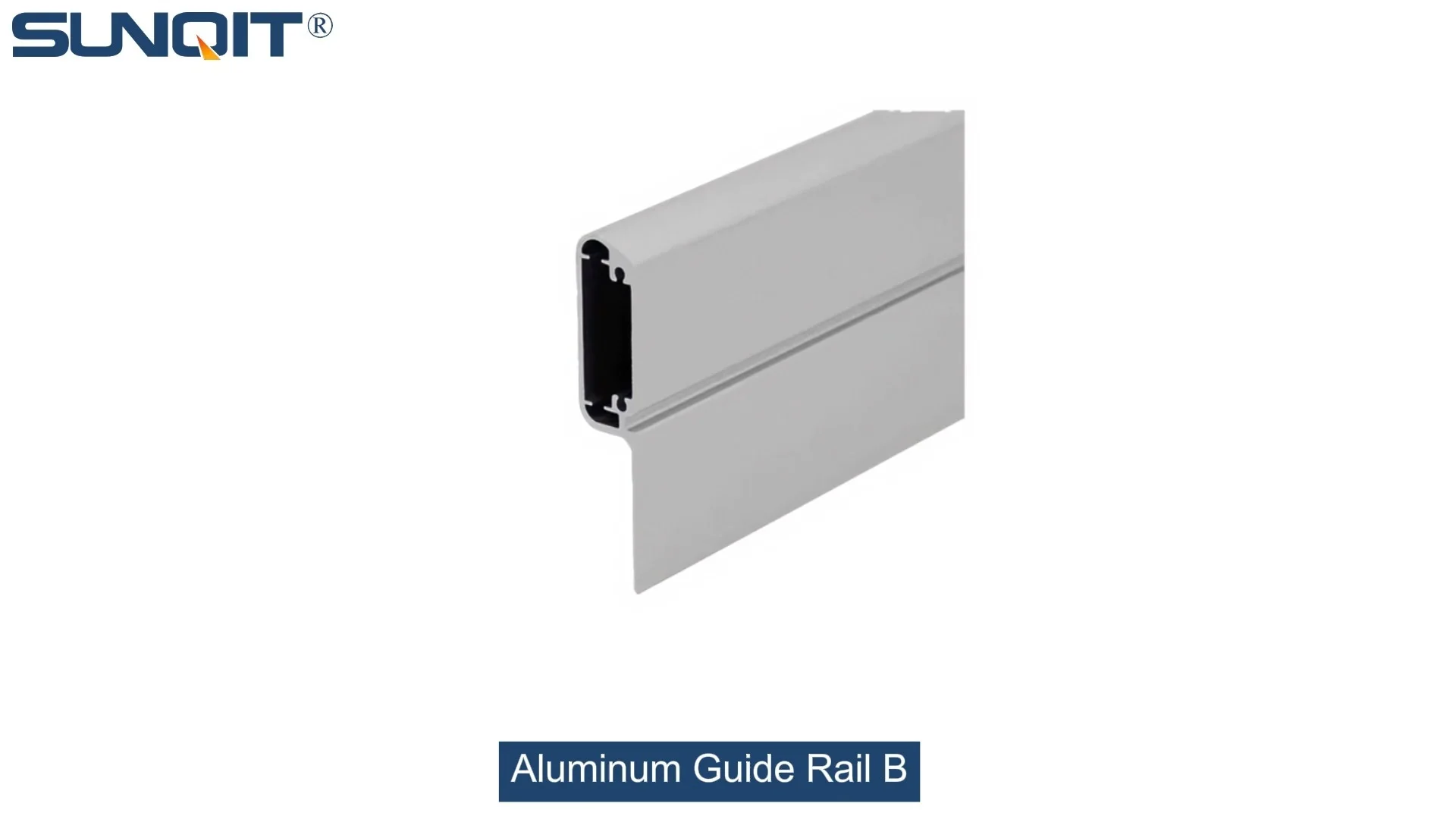
Aluminum Guide Rail B
The aluminum guide rails hold the transport goods securely on the roller track. For installation, the guide rails are simply pushed over the roller tracks.To protect sensitive products.
In the fast-paced world of manufacturing, where every dollar counts and efficiency is king, the smallest components often hide the biggest opportunities for savings. Today, we're shining a spotlight on one such unsung hero: Aluminum Guide Rail B. It might not grab headlines like a high-tech robot or a flashy new assembly line, but this unassuming piece of aluminum could be the key to slashing your long-term costs—without sacrificing performance. Let's dive in.
Why the "Little Things" Like Guide Rails Matter
Think about your production floor for a second. What keeps things moving? The conveyors shuffling parts, the flow racks feeding components to workers, the workbenches where assemblies take shape. Now, what's the backbone of all those systems? Guide rails. They're the silent organizers, the steady hands that keep materials sliding smoothly, bins aligned, and processes on track.
But here's the problem: Not all guide rails are created equal. Many manufacturers still rely on cheap steel rails that rust after a year, plastic rails that crack under heavy loads, or one-size-fits-all designs that lock you into rigid setups. The result? Constant replacements, unexpected downtime, and costly overhauls every time your production needs change. Sound familiar?
That's where Aluminum Guide Rail B steps in. It's not just a rail—it's a long-term investment in your plant's efficiency and flexibility. Let's break down why it's worth every penny.
The Basics: What Makes Aluminum Guide Rail B Different?
First, let's get to know the star of the show. Aluminum Guide Rail B is part of the broader aluminum profile family, engineered specifically for the demands of modern manufacturing. It's made from high-grade aluminum alloy, treated with a smooth, corrosion-resistant finish, and designed to play well with almost any setup—flow racks, conveyors, workbenches, you name it.
But what really sets it apart? Three key traits:
- Durability that outlasts the competition: Unlike steel, aluminum doesn't rust or corrode, even in humid workshops or near cleaning chemicals. And unlike plastic, it won't warp under heat or crack when you slide a heavy bin over it. We're talking a lifespan of 8–10 years, compared to 2–3 years for standard alternatives.
- Flexibility to grow with your needs: Manufacturing lines aren't static. You launch a new product, adjust batch sizes, or reconfigure workflows—and your equipment needs to keep up. Aluminum Guide Rail B is easy to cut, bend, and reattach. No need for special tools or custom parts; a hacksaw and basic fasteners are all you need to adapt it to new layouts.
- Compatibility with lean systems: If you're into lean manufacturing (and let's be real, who isn't these days?), you know the value of "reusable, sustainable improvement." Aluminum Guide Rail B fits right into that philosophy. It works seamlessly with lean pipe systems, flow racks, and modular workstations, so you can build, tweak, and rebuild without tossing out old components.

The Cost-Effectiveness Breakdown: Short-Term Spend vs. Long-Term Gain
Let's talk numbers—the ones that hit your bottom line. At first glance, Aluminum Guide Rail B might seem pricier than, say, a basic steel rail. A meter of steel might cost $15, while Aluminum Guide Rail B could run you $25. That's a 66% upfront difference. But here's the catch: Cost isn't just about the first invoice. It's about total cost of ownership (TCO)—what you pay over the rail's entire life.
To illustrate, let's compare three common options over a 10-year period. We'll factor in initial cost, replacement frequency, and annual maintenance (like cleaning rust, fixing cracks, or lubricating sticky parts):
| Guide Rail Type | Initial Cost (per meter) | Typical Lifespan | Annual Maintenance Cost | Total Cost Over 10 Years |
|---|---|---|---|---|
| Standard Steel Rail | $15 | 3 years | $5 (rust removal, repainting) | $15 (initial) + ($15 x 3 replacements) + ($5 x 10 years) = $70 |
| Plastic Rail | $10 | 2 years | $3 (crack repairs, lubrication) | $10 (initial) + ($10 x 5 replacements) + ($3 x 10 years) = $90 |
| Aluminum Guide Rail B | $25 | 8–10 years | $1 (occasional cleaning) | $25 (initial) + ($0 replacements) + ($1 x 10 years) = $35 |
That's right—over a decade, Aluminum Guide Rail B costs half as much as steel and less than 40% of plastic. The math speaks for itself: paying a little more upfront saves you big time down the road.
Pro Tip: When calculating ROI, don't forget downtime. A rusted steel rail jamming a flow rack might take 2 hours to fix—costing you $200 in labor and lost production. Aluminum Guide Rail B's durability means fewer interruptions, which adds up to even more savings.

Beyond Dollars: How Aluminum Guide Rail B Boosts Efficiency
Cost savings aren't just about spending less—they're also about earning more by working smarter. Aluminum Guide Rail B delivers here, too, by supercharging your line's efficiency in three key ways:
Smoother Flow = Faster Production
Ever watched a worker struggle to slide a heavy bin off a sticky steel rail? Or seen a conveyor grind to a halt because a misaligned rail derailed a part? Those seconds add up. Aluminum Guide Rail B's smooth, corrosion-free surface reduces friction, so materials glide effortlessly. One electronics manufacturer we worked with reported a 12% faster material flow after switching—translating to 500 more units assembled per day.
Flexibility = Adaptability to Market Changes
When a new product hits the market or customer demand shifts, you can't afford to wait weeks for custom rails. Aluminum Guide Rail B's modular design lets you reconfigure flow racks, conveyors, and workstations in hours, not days. A medical device maker in Guangzhou recently launched a new surgical tool line; by reusing their existing Aluminum Guide Rail B, they avoided $15,000 in new rail costs and hit production targets 2 weeks early.
Compatibility with Lean Systems = Less Waste
Lean manufacturing is all about eliminating waste—whether it's excess inventory, unnecessary motion, or unused space. Aluminum Guide Rail B plays perfectly with lean pipe systems, ESD workstations, and flow racks, letting you build exactly what you need, no more. It's "right-sized" efficiency, which means you're not paying for extra materials or storage space you don't use.
Real-World Impact: A 3C Manufacturer's Success Story
Let's put this in context with a real example. A 3C assembly plant in Shenzhen was struggling with their old steel guide rails. Every monsoon season, the humidity would cause the rails to rust, leading to frequent jams on their flow racks. They were replacing rails every 18 months, at a cost of $8,000 per line. Plus, the rough, rusted surfaces were scratching delicate phone components, leading to a 2% defect rate.
In 2023, they switched to Aluminum Guide Rail B. Here's what happened in the first year:
- No rail replacements needed (and none since—they're still going strong).
- Defect rate dropped to 0.5% (saving $40,000 in wasted parts).
- Flow rack speed increased by 10%, allowing them to boost daily output by 300 units.
Total savings in Year 1? $58,000. And that's before factoring in the 8+ years of expected rail life ahead. For a relatively small investment in Aluminum Guide Rail B, they turned a recurring headache into a long-term profit driver.

Why Aluminum Profile Matters: The Material Advantage
You might be wondering: "Why aluminum? Why not just use better steel or another metal?" Great question. Aluminum's magic lies in its unique combo of strength, lightness, and resistance to corrosion. Unlike steel, it doesn't need paint or coatings to stay rust-free—saving you maintenance time and money. It's also 30% lighter than steel, which means easier installation (no need for heavy machinery) and less strain on the frames of your flow racks or conveyors.
Aluminum Guide Rail B is part of the broader aluminum profile family, which is designed for modularity. That means it works with standard aluminum profile accessories—joints, brackets, end caps—so you can mix and match components without hunting for custom parts. It's like building with Lego bricks for adults: endless possibilities, zero hassle.
Sustainability: The Hidden Savings of "Green" Manufacturing
These days, sustainability isn't just a buzzword—it's a business imperative. Customers, regulators, and even investors are pushing for greener practices, and Aluminum Guide Rail B checks this box, too. Aluminum is 100% recyclable, and recycling it uses just 5% of the energy needed to produce new aluminum. When your rail finally reaches the end of its long life (decades from now), you can sell it as scrap and recoup some of your initial investment. Compare that to plastic rails, which end up in landfills, or steel rails that lose value as they rust.
Plus, by reusing and reconfiguring Aluminum Guide Rail B instead of replacing it, you're cutting down on waste and reducing your carbon footprint. It's a win-win: good for the planet, good for your brand, and good for your budget.
The Bottom Line: Invest in Long-Term Savings
At the end of the day, manufacturing is a marathon, not a sprint. The decisions you make today—about the "small" things like guide rails—will shape your costs, efficiency, and competitiveness for years to come. Aluminum Guide Rail B isn't just a rail; it's a tool that lets you build a more resilient, adaptable, and profitable operation.
So, if you're tired of replacing rusted steel rails, fixing cracked plastic, or being stuck with rigid, outdated systems, it's time to make the switch. The upfront cost might make you pause, but when you factor in durability, flexibility, and efficiency, Aluminum Guide Rail B pays for itself—and then some. Your production floor (and your wallet) will thank you.
Ready to start saving? Let's talk about how Aluminum Guide Rail B can fit into your specific setup. After all, the best savings are the ones tailored to your needs.