- Company Articles
- Products and Technology
- Product knowledge
- Cost-Effectiveness of Aluminum Honeycomb Panels in Long-Term Manufacturing Projects

Cost-Effectiveness of Aluminum Honeycomb Panels in Long-Term Manufacturing Projects
Related Product
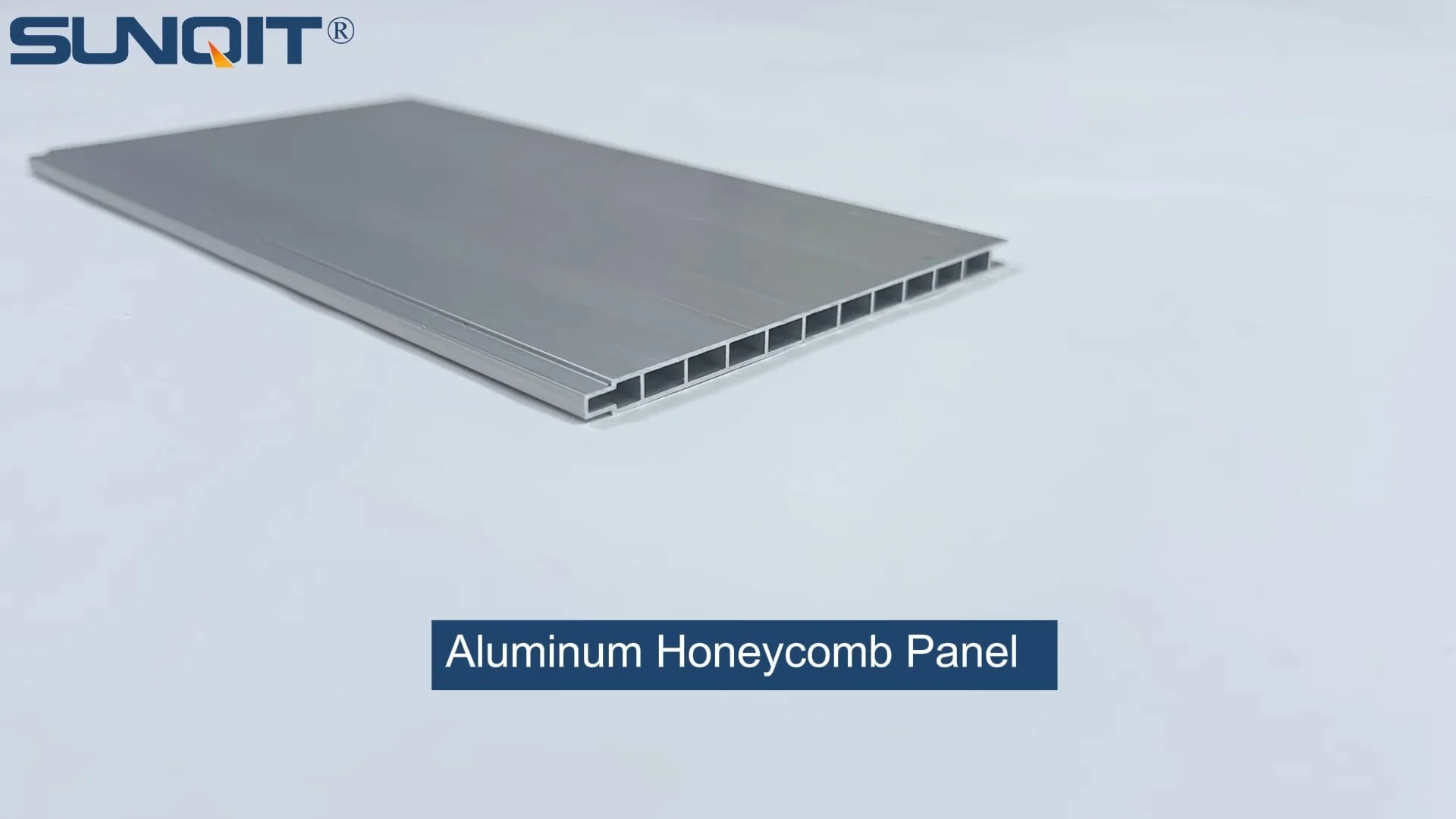
Aluminum Honeycomb Panel
Aluminum honeycomb panel used as table top, side wall, it is connected one pcs by one pcs from the side slot to make a full pieces.This panel width 105mm, 55mm, 35mm are optional for slection.
In the fast-paced world of manufacturing, where every dollar and minute counts, the search for materials that balance durability, flexibility, and cost-efficiency is never-ending. Production managers, facility planners, and lean system engineers often find themselves caught between choosing cheaper, short-term solutions and investing in materials that promise long-term savings. One material that's been quietly revolutionizing this decision-making process is the aluminum honeycomb panel. Far more than just a lightweight alternative to traditional materials, these panels are redefining what it means to be "cost-effective" in manufacturing—especially when viewed through the lens of long-term projects.
Let's start by addressing the elephant in the room: upfront costs. It's true that aluminum honeycomb panels often come with a higher initial price tag than plywood, standard steel sheets, or even conventional solid aluminum. But anyone who's managed a manufacturing facility for more than a year knows that initial cost is just one piece of the puzzle. Maintenance, replacement, energy use, and even labor costs add up over time, turning a "cheap" choice today into a costly headache tomorrow. Aluminum honeycomb panels, with their unique structure and properties, are designed to minimize these hidden expenses—making them a smart bet for projects that prioritize sustainability and long-term ROI.
What Are Aluminum Honeycomb Panels, Anyway?
Before diving into cost figures, it's helpful to understand what makes aluminum honeycomb panels different. Picture a sheet of material where the core isn't solid but instead a grid-like structure—resembling a honeybee's comb—made from thin aluminum foil. This core is then bonded between two outer layers (or "skins") of aluminum, creating a sandwich-like panel. The result? A material that's incredibly strong for its weight. The honeycomb design distributes weight evenly across the panel, meaning it can withstand heavy loads without bending or warping, even though it's significantly lighter than solid aluminum or steel.
This structure isn't just a feat of engineering—it's a masterclass in efficiency. By replacing solid material with air pockets (in the honeycomb cells), the panels reduce weight by up to 60% compared to solid aluminum sheets of the same thickness, without sacrificing structural integrity. For manufacturers, this translates to easier handling, lower transportation costs, and reduced strain on equipment like conveyors and workbenches. But the real magic lies in how these properties intersect with long-term cost savings.
The Hidden Costs of "Cheap" Materials in Manufacturing
To appreciate the cost-effectiveness of aluminum honeycomb panels, let's first look at the alternatives. Many manufacturing facilities still rely on plywood for workbenches, particleboard for shelving, or solid steel for material racks. While these materials are familiar and often cheaper upfront, they come with a litany of hidden costs that become apparent over time.
Take plywood, for example. It's affordable and easy to cut, so it's a common choice for workbenches and temporary storage. But plywood absorbs moisture, which leads to warping, rotting, or mold growth in humid manufacturing environments. A warped workbench isn't just an eyesore—it can throw off assembly precision, slow down production, and even pose safety risks if tools or parts slide off uneven surfaces. Replacing a plywood workbench every 2–3 years might seem manageable, but multiply that by dozens of workbenches across a facility, and the costs add up quickly. Then there's the labor: taking down old benches, disposing of them, and installing new ones—all of which disrupts workflow.
Solid steel, on the other hand, is durable but heavy. A steel workbench might last 10 years, but its weight makes it difficult to move. In lean manufacturing setups, where lines are reconfigured regularly to adapt to new products or processes, a heavy steel bench becomes a liability. Moving it requires forklifts or multiple workers, eating into labor hours and risking damage to floors or equipment. Plus, steel is prone to rust if not regularly painted or treated—another maintenance cost that sneaks up over time.
Conventional solid aluminum sheets avoid some of steel's issues (lighter, rust-resistant) but are still heavier than honeycomb panels. Their solid construction also means higher material costs, as you're paying for more aluminum than you actually need for structural support. When used in large applications—like conveyor side panels or material rack shelves—the extra weight adds up, increasing energy use for conveyor motors and wear on casters and rollers.

Breaking Down the Cost-Effectiveness of Aluminum Honeycomb Panels
Aluminum honeycomb panels address these pain points by targeting the three biggest drivers of long-term manufacturing costs: durability, weight, and adaptability. Let's break down how each factor contributes to savings over time.
1. Durability: Less Replacement, More Productivity
Aluminum honeycomb panels are built to last. The aluminum skins are resistant to corrosion, moisture, and impact, while the honeycomb core resists warping or crushing under heavy loads. In real-world manufacturing settings, this translates to a lifespan of 15–20 years—compared to 2–5 years for plywood or 10–12 years for solid steel. Let's put that into numbers: if a plywood workbench costs $200 and needs replacement every 3 years, over 15 years, you'll spend $1,000 (plus labor for 5 replacements). An aluminum honeycomb workbench might cost $500 upfront, but with no replacement needed for 15 years, you've saved $500—and that's just for one workbench. Multiply that by 50 workbenches in a facility, and you're looking at $25,000 in savings, not counting labor.
But durability isn't just about replacement costs. It's also about consistency. A warped plywood shelf might cause parts to jam on a conveyor, leading to production delays. A rusted steel bench could contaminate sensitive components (like electronics or medical devices). Aluminum honeycomb panels maintain their shape and integrity, reducing unplanned downtime and quality control issues—both of which have direct cost implications for manufacturers.
2. Weight: Saving on Energy, Labor, and Equipment Wear
The honeycomb design's biggest advantage might be its weight-to-strength ratio. A typical 1220x2440mm (4x8ft) aluminum honeycomb panel weighs 8–10kg, compared to 25–30kg for a solid aluminum sheet of the same thickness and size, and 40–50kg for a steel sheet. This lightness ripples through every stage of a panel's lifecycle, from transportation to daily use.
Transportation costs: Lighter panels mean more units per truckload, reducing fuel costs and carbon emissions. For a manufacturer sourcing materials from a supplier, this can cut shipping expenses by 30–40% compared to steel or solid aluminum.
Installation and labor: A single worker can carry an aluminum honeycomb panel, whereas solid steel or even plywood sheets often require two people. This reduces labor time for assembly—whether building workbenches, material racks, or conveyor systems. For example, assembling a lean system workbench with honeycomb panels takes 30% less time than with solid wood or steel, according to data from manufacturing equipment suppliers. Over a large project, those labor hours add up to significant savings.
Equipment wear and energy use: Lighter panels put less strain on equipment like conveyor belts, casters, and roller tracks. Conveyor motors, for instance, use less energy to move lighter loads, cutting electricity costs. Casters on mobile workbenches last longer, as they're not bearing as much weight—reducing replacement costs for caster wheels and accessories. Even floor maintenance costs decrease, since lighter equipment is less likely to scratch or dent concrete floors.
3. Adaptability: Aligning with Lean Manufacturing Principles
In today's manufacturing landscape, flexibility is key. Products change, production lines reconfigure, and space needs shift—often overnight. Lean system principles emphasize minimizing waste, and one of the biggest wastes is inflexible infrastructure. Aluminum honeycomb panels, when paired with aluminum profile systems, excel here.
Aluminum profiles—extruded aluminum rails with T-slots—are the backbone of modern modular manufacturing setups. They're lightweight, strong, and compatible with a wide range of accessories (brackets, connectors, hinges) that allow for quick assembly and reconfiguration. Aluminum honeycomb panels integrate seamlessly with these profiles, creating workbenches, material racks, and even conveyor side panels that can be adjusted or repurposed in hours, not days.
For example, imagine a facility that needs to reconfigure a production line from assembling small electronics to larger appliances. With traditional plywood or steel workbenches, this might require building entirely new benches. But with aluminum honeycomb panels and aluminum profile accessories, existing benches can be modified: panels can be cut to new sizes, profiles can be reconnected with new brackets, and the entire setup can be rearranged with minimal labor. This adaptability reduces downtime and avoids the cost of building new infrastructure from scratch—aligning perfectly with lean system goals of waste reduction and continuous improvement.
| Material | Initial Cost (per m²) | Estimated Lifespan | Weight (kg/m²) | Annual Maintenance Cost | 15-Year Total Cost (Including Replacement & Maintenance) |
|---|---|---|---|---|---|
| Plywood | $40–$60 | 2–3 years | 15–20 | $10–$15 (painting, repairs) | $350–$525 |
| Solid Steel | $80–$120 | 10–12 years | 40–50 | $20–$30 (rust treatment, painting) | $380–$570 |
| Solid Aluminum | $150–$200 | 15–20 years | 25–30 | $5–$10 (minimal maintenance) | $180–$230 |
| Aluminum Honeycomb Panel | $120–$180 | 15–20 years | 8–10 | $2–$5 (negligible maintenance) | $126–$188 |
The table above illustrates the long-term cost advantage of aluminum honeycomb panels. While their initial cost is higher than plywood or steel, their lifespan, low maintenance, and weight-related savings make them the most affordable option over 15 years. Even compared to solid aluminum, they offer lower total costs due to reduced weight (lower transportation/labor/energy expenses) and similar durability.

Real-World Applications: Where Aluminum Honeycomb Panels Shine
To see these benefits in action, let's look at specific manufacturing applications where aluminum honeycomb panels deliver tangible cost savings.
Workbenches: The Heart of the Production Line
Workbenches are the workhorses of manufacturing facilities, and their design directly impacts productivity and costs. Aluminum honeycomb panels are ideal here for several reasons. First, their flat, smooth surface is easy to clean—critical for industries like food processing, pharmaceuticals, or electronics, where hygiene is paramount. Unlike wood, they don't absorb spills or harbor bacteria, reducing the need for harsh cleaning chemicals and lowering maintenance time.
Second, their lightweight nature makes mobile workbenches (equipped with casters) easy to move, supporting agile manufacturing setups. A mobile honeycomb workbench can be repositioned by a single worker in minutes, allowing production lines to adapt to changing needs without disrupting workflow. In contrast, a heavy steel workbench might require a forklift, causing delays.
Third, when paired with aluminum profiles, honeycomb workbenches are highly customizable. Panels can be cut to any size, and accessories like tool holders, shelves, or LED lights can be attached using aluminum profile accessories (e.g., T-slot nuts, brackets). This modularity means workbenches grow with your needs—no need to replace them when new tools or parts are introduced. For example, a workbench initially used for assembling small parts can be upgraded with additional shelves or a larger top panel (using the same aluminum profile frame) when production shifts to larger items.
Material Racks and Flow Racks
Material storage is another area where aluminum honeycomb panels excel. Traditional material racks often use plywood or steel shelves, which can sag under heavy loads over time. Aluminum honeycomb shelves, with their high strength-to-weight ratio, maintain their shape even when loaded with heavy components—reducing the risk of shelf collapse and product damage.
In flow rack systems—where parts slide from the back to the front via gravity—honeycomb panels are ideal for shelf surfaces. Their smooth, flat texture ensures consistent part flow, reducing jams and improving picking efficiency. Additionally, their light weight makes the entire rack system easier to install and reconfigure, which is crucial for lean inventory management (e.g., adjusting rack height to accommodate new part sizes).
Conveyor Systems and Roller Tracks
Conveyor systems rely on lightweight, durable materials to minimize energy use and maintenance. Aluminum honeycomb panels are often used as side guards or dividers on conveyors, providing a barrier to keep parts on track without adding unnecessary weight. Their corrosion resistance is especially valuable in environments with moisture or chemicals, as they won't degrade like wood or require painting like steel.
Roller tracks, a key component of flow racks and conveyors, also benefit from honeycomb panel integration. When used as support structures for roller tracks, the panels reduce the overall weight of the system, allowing rollers to spin more freely and reducing strain on motors. This not only extends roller life but also lowers energy consumption—another long-term cost saver.
Case Study: XYZ Electronics' 5-Year Savings with Aluminum Honeycomb Panels
Background: XYZ Electronics, a mid-sized manufacturer of consumer electronics, was struggling with high maintenance costs for its production line workbenches and material racks. Most of their existing equipment used plywood shelves and steel workbenches, which required frequent replacement (every 3–4 years) and were difficult to reconfigure. In 2019, they decided to upgrade 50 workbenches and 20 material racks with aluminum honeycomb panels and aluminum profile frames.
Initial Investment: The upgrade cost $45,000 (including panels, profiles, accessories, and labor). This was 60% higher than the cost of replacing the plywood/steel equipment with new versions of the same materials ($28,000).
5-Year Savings:
- Replacement Costs: No workbenches or racks needed replacement, compared to an estimated $35,000 to replace plywood/steel equipment twice over 5 years.
- Labor Costs: Assembly and reconfiguration time decreased by 40%, saving 200+ labor hours annually ($10,000/year in labor costs).
- Energy Costs: Lighter conveyors and mobile workbenches reduced electricity use by 8%, saving $2,500/year.
- Maintenance Costs: Cleaning and repair time dropped by 50%, saving $3,000/year.
Total 5-Year Savings: $35,000 (replacement) + $50,000 (labor) + $12,500 (energy) + $15,000 (maintenance) = $112,500. Net ROI: $112,500 – $45,000 = $67,500.
Conclusion: Despite the higher upfront cost, XYZ Electronics saved $67,500 over 5 years—proving that aluminum honeycomb panels deliver significant long-term value.
Addressing the Upfront Cost Concern
It's natural to hesitate at the higher initial cost of aluminum honeycomb panels. After all, manufacturing budgets are tight, and justifying a 50–60% higher upfront investment requires confidence in long-term savings. But as the XYZ Electronics case study shows, the payback period is often shorter than you might think—typically 2–3 years for most manufacturing applications.
Another way to mitigate upfront costs is to phase the transition. Instead of replacing all workbenches or racks at once, start with high-wear areas (e.g., workbenches in high-traffic zones, flow racks with frequent part turnover). This allows you to test the benefits firsthand while spreading costs over time. Many aluminum profile and honeycomb panel suppliers also offer bulk discounts, reducing per-unit costs for larger orders.
It's also worth considering the intangible benefits. Reduced downtime, improved worker ergonomics (lighter equipment is easier to handle, reducing fatigue), and a more agile production line can lead to higher productivity and employee satisfaction—both of which contribute to bottom-line success, even if they're not captured in direct cost savings.
Conclusion: Investing in the Future of Manufacturing
Aluminum honeycomb panels are more than just a material—they're an investment in the long-term health of your manufacturing operation. By prioritizing durability, weight savings, and adaptability, they address the hidden costs that erode profits over time: frequent replacements, high labor, equipment wear, and inflexible infrastructure.
In a world where manufacturing is under constant pressure to do more with less, choosing materials that deliver long-term value isn't just smart—it's essential. Aluminum honeycomb panels, when paired with aluminum profile systems and lean manufacturing principles, offer a clear path to reducing costs, improving efficiency, and building a more resilient production environment.
So, the next time you're evaluating materials for a manufacturing project, remember: cost-effectiveness isn't about what's cheapest today. It's about what will keep your facility running smoothly, adaptably, and affordably for years to come. Aluminum honeycomb panels, with their proven track record of long-term savings, just might be the material that takes your manufacturing operation to the next level.