- Company Articles
- Products and Technology
- Product knowledge
- Cost-Efficiency of 1.5mm Stainless Steel Pipe in Small-Batch Manufacturing

Cost-Efficiency of 1.5mm Stainless Steel Pipe in Small-Batch Manufacturing
Related Product
1.5mm Stainless Steel Pipe
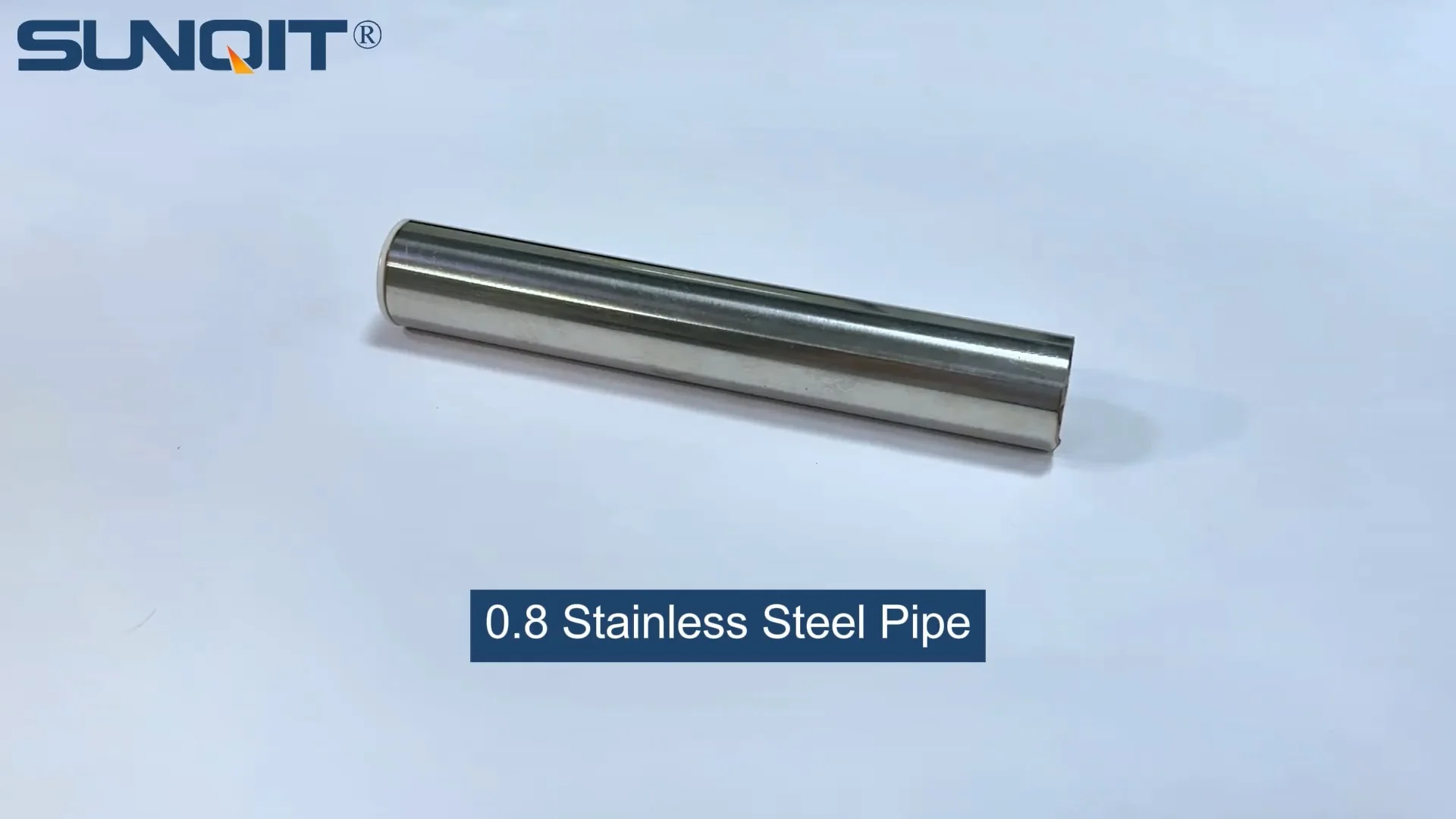
Stainless steel pipe, lean pipe, diameter is 28mm, material is SS201 or SS304, SS201 is normally used in the market. It knows a KARAKURI, KAIZEN material for industrial plant to improve efficiency, save labor cost, standard management.
Running a small-batch manufacturing operation often feels like walking a tightrope. You're balancing tight budgets, ever-changing customer demands, and the need to stay agile—all while wearing 10 different hats (production manager,, quality control, and maybe even shipping clerk on busy days). When every dollar counts, the materials you choose can make or break your bottom line. That's where 1.5mm stainless steel pipe comes in. It's not just a metal tube; it's a quiet workhorse that's been helping small manufacturers cut costs, reduce headaches, and keep up with the chaos of small-batch production. Let's dive into why this unassuming component might just be the secret to your next efficiency win.
Small-Batch Manufacturing: The Hidden Costs No One Talks About
Small-batch manufacturing isn't just "big manufacturing but smaller." It's a whole different beast. Unlike large-scale operations with massive production runs and dedicated machinery, small batches mean frequent changeovers, custom setups, and limited space. And with limited space often comes limited resources—both in terms of money and manpower. The last thing you need is to sink cash into equipment or materials that only work for one product, or worse, wear out after a few uses.
Take workbenches, for example. If you're making custom phone cases one week and small electronic components the next, your workbench needs to adapt. A fixed, wooden workbench might work for the first batch, but when you need to add a shelf or adjust the height for the next project, you're stuck. Or material racks: if you're storing delicate parts one month and heavier components the next, a flimsy rack could lead to damaged inventory (and lost revenue). And let's not forget about mobility—moving materials from the warehouse to the production line with a rickety trolley that's always getting stuck? That's time wasted, and time, as they say, is money.
The problem with many traditional materials is that they're either too rigid (think welded steel) or too flimsy (plastic tubing). Welded steel is strong, but once it's built, it's built—reconfiguring it means cutting and rewelding, which costs time and labor. Plastic is cheap upfront, but it cracks, bends, or warps under heavy loads, so you're replacing it every few months. What small manufacturers really need is something in the middle: strong enough to handle daily use, flexible enough to adapt to new batches, and durable enough to avoid constant replacements. Enter 1.5mm stainless steel pipe.
Why 1.5mm? The Sweet Spot of Strength and Practicality
Stainless steel pipe comes in all shapes and sizes, but 1.5mm thickness hits a unique balance that's perfect for small-batch work. Let's break it down: 1.2mm is thinner, which might save a few cents per meter, but it bends under heavy loads—imagine stacking boxes on a rack made with 1.2mm pipe and watching it sag. Not ideal. On the flip side, 2.0mm is tough, but it's heavier, harder to work with, and more expensive. For small teams without heavy machinery, wrestling with thick steel pipes to build a trolley or rack is a recipe for frustration (and maybe a few scraped knuckles).
1.5mm stainless steel pipe, though? It's like the Goldilocks of tubing. Thick enough to support the weight of most small-batch materials—think circuit boards, small tools, or even lightweight automotive parts—without being so heavy that you need two people to carry a single length. And because it's stainless steel, it brings another critical benefit to the table: corrosion resistance. Whether your workshop is humid, dusty, or prone to the occasional spill (we've all been there), stainless steel holds up. No rust, no degradation, no worrying about your rack disintegrating after a rainy season. That durability alone saves you from replacing materials every year, which adds up fast.
But the real magic isn't just in the thickness or the material—it's in how it fits into the lean system mindset. Lean manufacturing is all about eliminating waste, and 1.5mm stainless steel pipe is practically built for that. It's modular, meaning you can assemble it, take it apart, and reassemble it again and again without losing strength. Need a taller workbench for a new product? Swap out a few pipes. Switching from storing small parts to larger components? Reconfigure your material rack in an hour. No need to buy new equipment—just reuse what you already have. That's the kind of flexibility small manufacturers crave.

Cost-Efficiency 101: Why 1.5mm Stainless Steel Pipe Saves You Money (Yes, Even Upfront)
Let's talk numbers. At first glance, 1.5mm stainless steel pipe might seem pricier than, say, plastic tubing or 1.2mm galvanized steel. But "pricier upfront" doesn't equal "more expensive in the long run." Let's break down the costs where it really matters:
1. Initial Investment vs. Lifespan: The "Cost Per Use" Win
Plastic tubing is cheap—like, "buy-a-bundle-for-$20" cheap. But how long does it last? Maybe 6 months to a year if you're gentle. After that, it cracks, bends, or gets brittle from exposure to heat or chemicals. So you're buying new tubing every year, and each time, you're also spending time (and labor) to rebuild your racks or workbenches. 1.5mm stainless steel pipe, on the other hand, can last 5, 10, even 15 years with minimal maintenance. Do the math: $20 for plastic that lasts 1 year vs. $50 for stainless steel that lasts 10 years. Suddenly, the stainless steel is costing you $5 per year, while the plastic is $20 per year. That's a no-brainer.
2. Assembly: No Welders, No Problem
Welding steel is strong, but it's also expensive. Hiring a welder to build a custom rack could cost hundreds of dollars, and if you need to reconfigure it later? You're paying for welding again. 1.5mm stainless steel pipe, though, uses lean pipe joints —those clever, twist-and-lock connectors that let you assemble a workbench or trolley with just a hex key. No special skills, no expensive tools, no waiting for a welder to fit you into their schedule. A small team can build a basic material rack in an afternoon, saving on labor costs and getting back to production faster.
3. Reusability: Your Materials, Your Rules
Remember that phone case vs. electronics component example? With 1.5mm stainless steel pipe, you don't need two separate workbenches. You build one, then when the next batch comes in, you take it apart and rebuild it. The pipes and joints don't degrade when you disassemble them—they're just as strong the second (or tenth) time around. This is huge for small-batch manufacturers, where product lines can change quarterly (or even monthly). You're not buying new materials for each project; you're reusing what you already invested in.
4. Compatibility: Play Well With Others (AKA, No Custom Parts)
One of the biggest hidden costs in manufacturing is custom parts. If your workbench needs a specific wheel or your rack needs a unique bracket, you're paying a premium. But 1.5mm stainless steel pipe is part of the stainless steel pipe series , which means it's compatible with a huge range of off-the-shelf accessories. Need to make your trolley mobile? Add caster wheels (the standard ones, no custom ordering). Want to add a shelf to your workbench? Use standard lean pipe clamps. These accessories are cheap, widely available, and designed to work seamlessly with your pipes—no more paying extra for "one-of-a-kind" components.

Comparing the Options: Why 1.5mm Beats Thinner (and Thicker) Pipes
Still not convinced 1.5mm is the right pick? Let's put it head-to-head with other common thicknesses. The table below breaks down how 1.5mm stainless steel pipe stacks up against 1.2mm stainless steel, 2.0mm stainless steel, and 1.5mm galvanized steel (a common alternative) in key areas small manufacturers care about:
| Material | Cost per Meter (Approx.) | Weight per Meter | Max Load Capacity (Horizontal) | Best For | Small-Batch Fit Score (1-10) |
|---|---|---|---|---|---|
| 1.2mm Stainless Steel Pipe | $8-$10 | 0.8kg | 50kg | Light parts, temporary setups | 6/10 (Too flimsy for frequent use) |
| 1.5mm Stainless Steel Pipe | $10-$12 | 1.1kg | 80kg | Workbenches, trolleys, material racks | 9/10 (Balances strength, weight, cost) |
| 2.0mm Stainless Steel Pipe | $14-$16 | 1.5kg | 120kg | Heavy machinery, industrial racks | 5/10 (Overkill for small batches; higher cost/weight) |
| 1.5mm Galvanized Steel Pipe | $9-$11 | 1.2kg | 80kg | Outdoor use, non-corrosive environments | 7/10 (Prone to rust in humid workshops) |
As you can see, 1.5mm stainless steel pipe hits the sweet spot. It's strong enough for most small-batch needs (80kg horizontal load is more than enough for circuit boards, tools, or small components), light enough to handle without heavy machinery, and affordable enough to fit into tight budgets. Galvanized steel comes close, but its rust resistance can't match stainless steel—critical if your workshop is in a humid area or deals with liquids (like cleaning solutions).
Real-World Wins: Small Manufacturers Who Switched (and Never Looked Back)
Numbers and tables are great, but nothing beats hearing from real people. Let's look at a few small manufacturers who made the switch to 1.5mm stainless steel pipe and saw tangible results.
Example 1: The Custom Electronics Shop That Cut Setup Time by 60%
Maria runs a small electronics shop in Portland, making custom Arduino-based sensors for hobbyists. Her team of 5 was struggling with setup time—every new sensor design required a different workbench configuration. They were using wooden workbenches with fixed shelves, and each changeover took half a day (and a lot of frustration). After switching to 1.5mm stainless steel pipe workbenches with lean pipe joints, they cut setup time to 2 hours. "We can take the workbench apart, add a shelf, or lower the height in minutes now," Maria says. "And because the pipes are so durable, we haven't had to replace a single one in 3 years. The initial cost was higher than wood, but we've already saved that back in labor alone."
Example 2: The Bakery That Solved Its Storage Nightmare
Jake owns a small artisanal bakery in Chicago, making custom cakes and pastries for local cafes. His problem? Storing delicate cake decorations and baking tools. He'd tried plastic racks, but they cracked under the weight of metal mixing bowls. Then he tried welded steel racks, but they were too heavy to move (and impossible to adjust when he added new tools). Enter 1.5mm stainless steel pipe material racks with caster wheels. "Now we can roll the racks right into the kitchen when we need them, and adjust the shelves to fit taller cake stands or wider baking sheets," Jake explains. "And since stainless steel doesn't rust, we don't have to worry about flour dust or occasional water spills ruining the racks. It's been a game-changer for our small space."
Example 3: The Toy Manufacturer That Reduced Waste by 40%
Luis's company makes eco-friendly wooden toys for kids, with small production runs (50-100 units per design). They were using plastic tubing to build assembly line trolleys, but the tubing kept bending under the weight of wooden blocks, leading to damaged toys (and waste). Switching to 1.5mm stainless steel pipe trolleys eliminated the bending, and because the trolleys are modular, they can reconfigure them for different toy sizes. "We used to throw away 10-15 damaged toys per batch because the trolley would sag," Luis says. "Now it's maybe 1 or 2. And when we launch a new toy, we don't need a new trolley—we just adjust the existing ones. It's saved us thousands in waste and new equipment costs."
Choosing the Right Partner: Why Your Lean Pipe Supplier Matters
Okay, so you're sold on 1.5mm stainless steel pipe. Now what? The next step is finding a reliable lean pipe supplier . This might seem like a small detail, but it's actually critical. A bad supplier can mean inconsistent pipe thickness (which weakens your structures), delayed shipments (throwing off your production schedule), or joints that don't fit properly (leading to wobbly workbenches). So what should you look for?
First, check their range. A good supplier should carry not just the pipes, but also the full ecosystem: lean pipe joints, caster wheels, workbench accessories, and maybe even pre-built kits for common setups (like standard workbenches or material racks). This saves you from ordering from multiple suppliers (and dealing with multiple shipping delays).
Second, ask about material quality. Not all stainless steel is created equal. Look for suppliers who specify the grade (304 stainless steel is a good bet for most workshops—it's corrosion-resistant and affordable). Avoid suppliers who can't tell you the grade or thickness—you don't want to end up with pipes that are "1.5mm" in name only (we've heard horror stories of pipes that measure 1.3mm, which is too flimsy).
Third, read reviews—especially from other small manufacturers. A supplier might be great for large factories, but if they don't understand the needs of small-batch operations (like fast shipping or technical support for custom setups), they'll leave you frustrated. Look for reviews that mention "responsive customer service" or "helped us design a custom rack"—those are the suppliers who get it.
At the end of the day, 1.5mm stainless steel pipe isn't just a material—it's a tool for survival in the chaotic world of small-batch manufacturing. It's strong enough to handle the daily grind, flexible enough to keep up with changing demands, and affordable enough to fit into tight budgets. Whether you're building workbenches, material racks, or trolleys, it's the kind of investment that pays off in saved time, reduced waste, and fewer headaches. And in small manufacturing, where every little win counts, that's invaluable. So next time you're staring at a budget spreadsheet or struggling with a rigid, outdated setup, remember: sometimes the solution is simpler than you think. It might just be a 1.5mm stainless steel pipe away.