- Company Articles
- Products and Technology
- Product knowledge
- Cost-Saving Benefits: Long-Term ROI of Vertical Lean Pipe Joint Chrome

Cost-Saving Benefits: Long-Term ROI of Vertical Lean Pipe Joint Chrome
Related Product
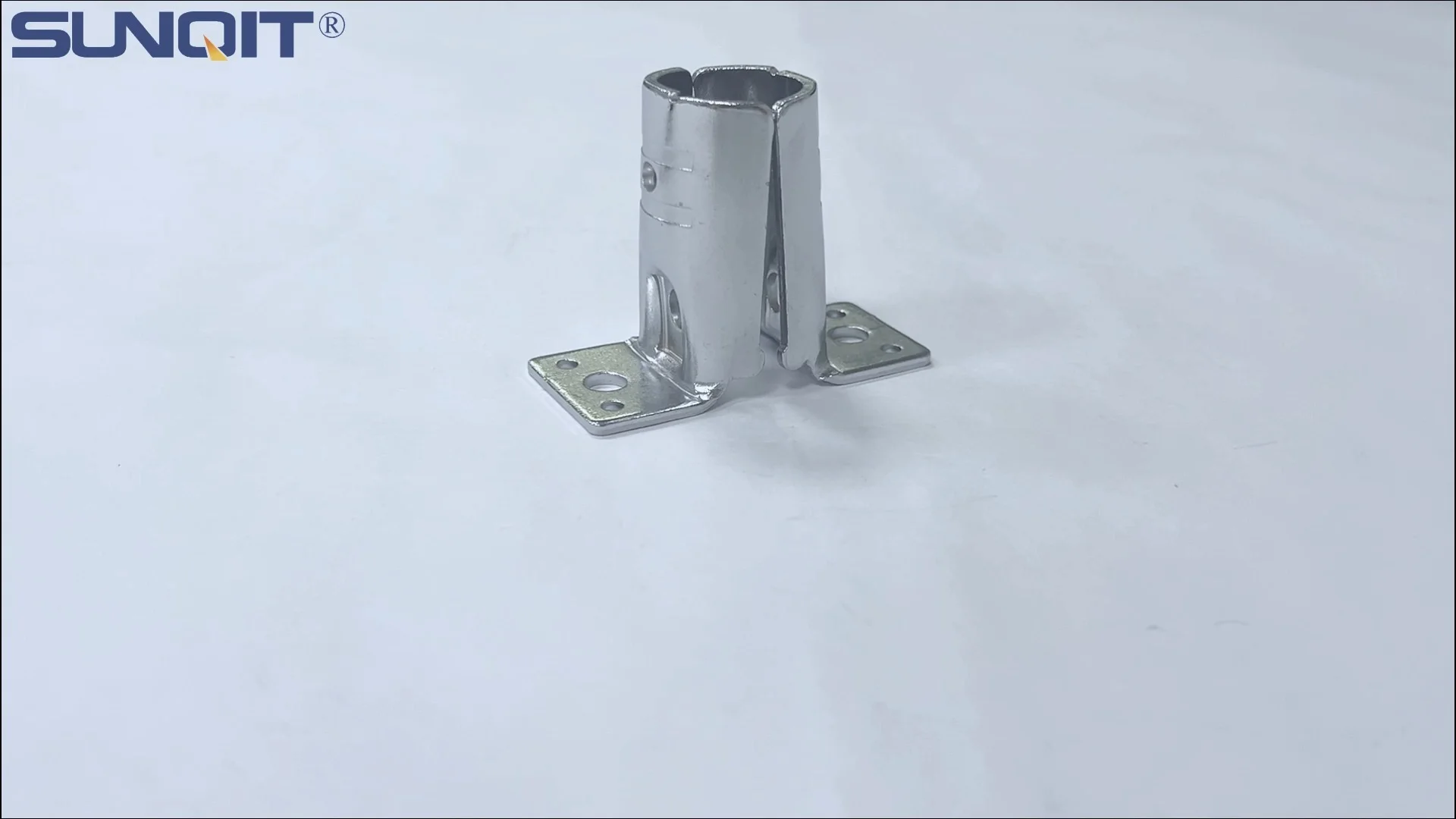
Vertical Lean Pipe Joint Chrome
Vertical lean pipe joint is used for 28mm lean pipe fixed on ground and keep it stable.
Every production floor manager knows the drill: tight deadlines, shrinking budgets, and the constant pressure to do more with less. You've probably stared at your assembly line or warehouse setup and thought, "There has to be a better way to cut costs without sacrificing efficiency." The truth is, the smallest components in your workflow can often make the biggest difference in your bottom line. Today, we're diving into one such unsung hero: the vertical lean pipe joint chrome. This unassuming piece of hardware isn't just a connector—it's a gateway to long-term savings, adaptability, and sustainable growth for your lean system. Let's explore how this joint transforms operations, why it outperforms traditional alternatives, and how partnering with the right lean system supplier can amplify these benefits.
What Is the Vertical Lean Pipe Joint Chrome, Anyway?
Before we jump into cost savings, let's get clear on what we're talking about. The vertical lean pipe joint chrome is a specialized connector designed to link lean pipes (often aluminum lean pipe or steel pipes) in vertical configurations. Its chrome plating isn't just for shine—it adds corrosion resistance, durability, and a smooth finish that reduces friction during adjustments. Unlike rigid, one-size-fits-all joints, this component is engineered for flexibility: it locks securely when in use but loosens quickly with basic tools, allowing for on-the-fly reconfigurations.
Think of it as the "Swiss Army knife" of your lean setup. Whether you're building a lean pipe workbench, a flow rack, or a custom material handling system, this joint acts as the backbone, holding everything together while still letting you adapt to changing needs. And in lean manufacturing, adaptability isn't just a nice-to-have—it's the cornerstone of reducing waste and maximizing value.
How It Strengthens Your Lean System
Lean manufacturing is all about eliminating waste—whether that's time, labor, materials, or space. The vertical lean pipe joint chrome aligns perfectly with this philosophy in three key ways:
- Minimizes Setup Time: Traditional steel joints often require welding or heavy tools to adjust. With chrome-plated vertical joints, a simple hex key is all you need to loosen, reposition, and retighten. What used to take a team an hour now takes 15 minutes. That's hours of labor saved every time you reconfigure a workbench or flow rack.
- Reduces Material Waste: When you can reuse the same pipes and joints across multiple setups, you cut down on the need to purchase new materials for every change. For example, a lean pipe workbench used for assembling small electronics can be disassembled and repurposed into a flow rack for storing larger components—no new pipes required, just a few adjustments to the vertical joints.
- Enhances Ergonomics: A poorly designed workspace leads to fatigue, errors, and downtime. The vertical lean pipe joint chrome lets you adjust heights and angles precisely, ensuring workbenches and material racks are tailored to your team's needs. Happier, healthier workers mean fewer sick days and higher productivity.

The Cost-Saving Breakdown: Short-Term Investment, Long-Term Gains
Let's talk numbers. It's easy to look at the price tag of a premium joint and think, "Is this worth it?" But when you calculate the long-term return on investment (ROI), the answer becomes clear. Here's how the vertical lean pipe joint chrome delivers savings over time:
1. Lower Labor Costs During Installation and Reconfiguration
Traditional steel joints often require skilled labor—think welders or technicians with specialized tools. The vertical lean pipe joint chrome, on the other hand, can be installed by your existing team with minimal training. A study by the Lean Manufacturing Institute found that teams using modular joints reduced installation time by 60% compared to welded setups. For a typical lean pipe workbench installation, that's cutting a 4-hour job down to 1.5 hours. At an average labor rate of $30/hour, that's $75 saved per bench. Multiply that by 10 benches, and you're looking at $750 in immediate savings—before considering future reconfigurations.
2. Reduced Downtime During Line Changes
Manufacturing lines aren't static. Seasonal demand, new product launches, or process improvements often require shifting layouts. With rigid joints, changing a flow rack or assembly station means shutting down production for hours (or even days). The vertical lean pipe joint chrome changes the game. Its quick-release design lets teams reconfigure a section of the line in under 30 minutes. If your line runs at $500/hour in revenue, avoiding a 2-hour shutdown saves $1,000 right there. Do that 10 times a year, and you're looking at $10,000 in retained revenue.
3. Longevity That Cuts Replacement Costs
Chrome plating isn't just for aesthetics—it's a shield against rust, wear, and tear. In high-moisture environments (like food processing or automotive plants), traditional steel joints can corrode within 2–3 years, requiring full replacements. The vertical lean pipe joint chrome, however, has a lifespan of 7–10 years in similar conditions. Let's say a standard steel joint costs $5 and needs replacement every 3 years. Over 10 years, that's 4 replacements (including the initial) totaling $20. A chrome-plated joint might cost $10 upfront but lasts 10 years—half the total cost over the same period. For a facility with 100 joints, that's $1,000 saved in replacement costs alone.
4. Adaptability That Future-Proofs Your Investment
One of the biggest hidden costs in manufacturing is "obsolescence." A custom-built workstation that works today might become useless when you launch a new product next year. The vertical lean pipe joint chrome's modularity means your setup grows with you. For example, a small startup might begin with a single lean pipe workbench. As they scale, they can add shelves, extend flow racks, or build turnover trolleys using the same joints and pipes. No need to scrap the old system—just expand it. This adaptability saved a electronics manufacturer in Ohio over $25,000 last year when they pivoted to producing medical devices; they reused 80% of their existing lean system components.

Vertical Lean Pipe Joint Chrome vs. Traditional Alternatives: A Cost Comparison
| Feature | Vertical Lean Pipe Joint Chrome | Traditional Steel Joints | Plastic Joints |
|---|---|---|---|
| Initial Cost per Joint | $10–$15 | $5–$8 | $3–$6 |
| Installation Time per Joint | 5 minutes | 20 minutes (welding required) | 8 minutes |
| Expected Lifespan | 7–10 years | 2–3 years (corrosion-prone) | 1–2 years (brittle in high heat) |
| Annual Maintenance Cost | $0.50 (occasional lubrication) | $3.00 (rust removal, repainting) | $2.00 (replacement of cracked parts) |
| Reconfigurability | High (unlimited adjustments) | Low (permanent once welded) | Medium (limited to 2–3 adjustments before breaking) |
| 10-Year Total Cost per Joint* | $12.50 | $34.00 | $32.00 |
*Includes initial cost, installation labor ($30/hour), maintenance, and replacements.
Real-World Impact: How a Lean System Supplier Delivered Results
Numbers tell a story, but real examples bring it to life. Let's meet Mike, a production manager at a automotive parts plant in Michigan. Two years ago, Mike's team was struggling with inefficient workflows and high turnover due to ergonomic issues. Their old workbenches, held together with clunky steel joints, were hard to adjust, leading to worker fatigue and frequent errors. Mike reached out to a lean system supplier specializing in aluminum lean pipe solutions, and together they redesigned the line using vertical lean pipe joint chrome.
"The difference was night and day," Mike recalls. "We used to spend 4 hours every month reconfiguring workstations for new part sizes. Now, with the chrome joints, it takes 45 minutes. Our scrap rate dropped by 18% because workers aren't rushing to meet deadlines, and we've saved over $40,000 in labor and replacement costs alone." Today, Mike's plant has expanded their lean system to include flow racks and turnover trolleys, all using the same vertical joints. "It's not just about the joints," he adds. "It's about partnering with a supplier who understands lean principles—they didn't just sell us parts; they helped us build a system that grows with our needs."
Why Choosing the Right Lean System Supplier Matters
Not all vertical lean pipe joint chrome products are created equal. To maximize your ROI, you need more than just a low price—you need a supplier who offers quality, expertise, and support. Here's what to look for:
- Quality Materials: Opt for suppliers who use high-grade chrome plating (at least 0.0005 inches thick) and durable base metals. Cheap joints might save you a dollar today but will corrode or break within a year.
- Technical Support: A good lean system supplier doesn't just ship parts—they provide assembly guides, video tutorials, and even on-site training. This ensures your team installs joints correctly, avoiding costly mistakes.
- Inventory Availability: Downtime waiting for replacement joints is expensive. Choose a supplier with a large stock of vertical lean pipe joint chrome and related accessories (like caster wheels or roller tracks) to minimize delays.
- Custom Solutions: Every plant is unique. Look for suppliers who can design custom configurations, like adjustable flow racks or ergonomic workbenches, tailored to your specific needs.
Invest in the Future: Your Bottom Line Will Thank You
The vertical lean pipe joint chrome might seem like a small component, but its impact ripples through your entire operation. From reducing labor costs to future-proofing your setup, this unassuming connector delivers savings that compound over time. As Mike's story shows, the right tools—paired with a trusted lean system supplier—can transform your workflow from a source of stress into a competitive advantage.
So, take a walk through your facility today. Look at those old, rigid joints holding your workbenches and racks together. Imagine the time, money, and frustration you could save by upgrading to a system built for flexibility and durability. The vertical lean pipe joint chrome isn't just an expense—it's an investment in efficiency, adaptability, and long-term profitability. Your team deserves a setup that works as hard as they do, and your bottom line deserves the savings. Ready to make the switch? Your future self (and your budget) will be glad you did.