- Company Articles
- Products and Technology
- Solution
- Critical Roles of End Support for Roller Track Placon Mount with Stop in Lean Workshops

Critical Roles of End Support for Roller Track Placon Mount with Stop in Lean Workshops
Related Product
End Support for Roller Track Placon Mount with Stop
Roller track placon mount work as a connector for roller track and pipe or aluminum profile in rack syetem, it is a necessary parts in rack system which widely used in industrial plant and logistic,warehouse storage.
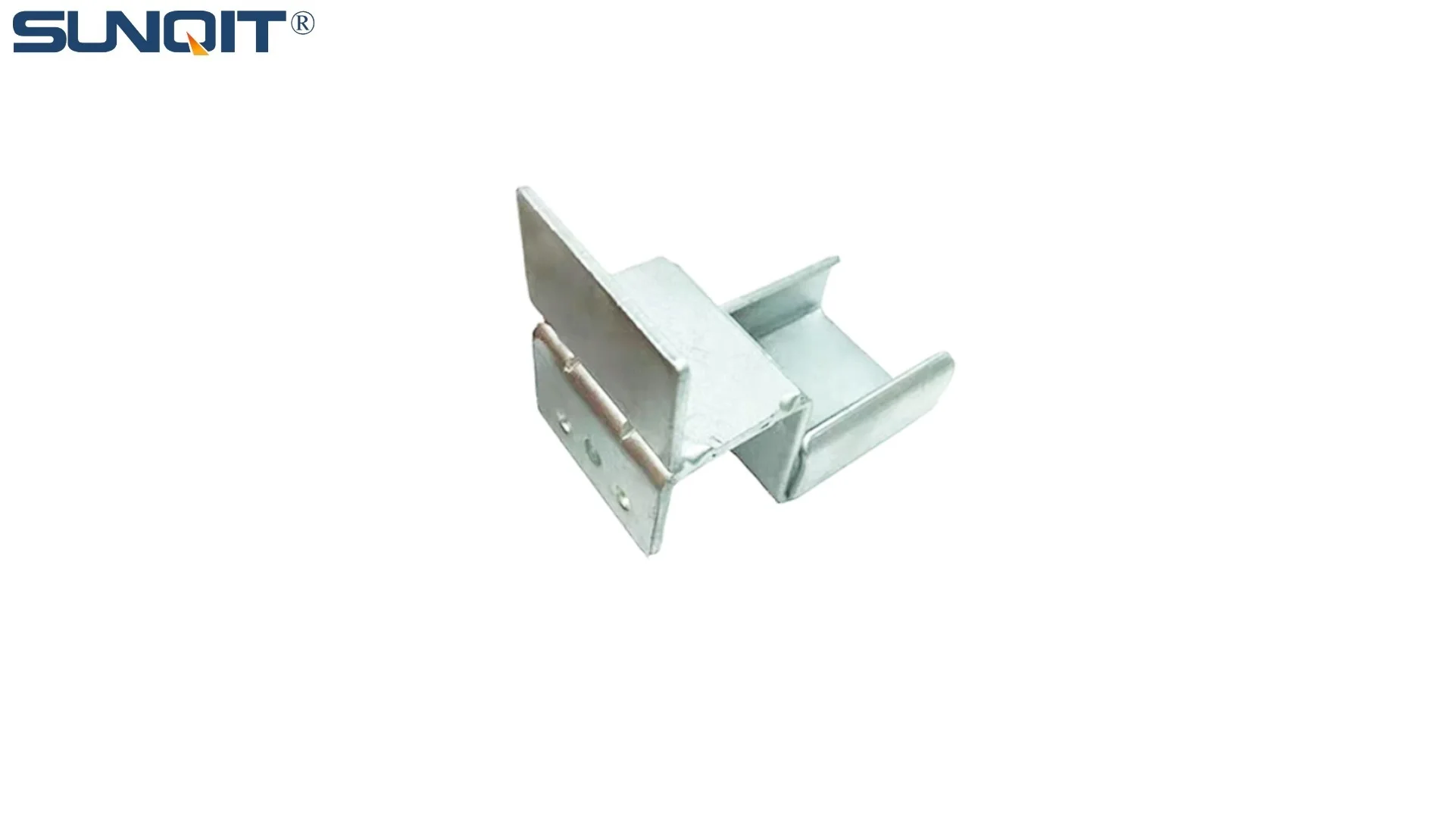
In the fast-paced world of manufacturing, where efficiency and precision can make or break a production line, every component—no matter how small—plays a vital role. Lean workshops thrive on minimizing waste, optimizing workflows, and ensuring seamless material flow, and one often-overlooked hero in this ecosystem is the
The Backbone of Lean Material Flow: Understanding Roller Track Systems
Before we zoom in on the end support, let's set the stage with the bigger picture: roller track systems. In lean manufacturing, material handling is the lifeblood of productivity. Whether it's moving components between workstations, feeding assembly lines, or organizing inventory in warehouses,
But a roller track is only as reliable as its weakest link. Imagine a
What Is an End Support for Roller Track Placon Mount with Stop?
At its core, this component is a mounting bracket designed to secure the end of a roller track system. But its "stop" feature is what makes it indispensable. Unlike basic end supports, which simply hold the track in place, the stop mechanism acts as a gentle brake, halting materials at a precise position. Think of it as a traffic light for your roller track: it says, "You've reached your destination—stop here, safely."
Constructed from durable materials like aluminum (a staple in

5 Critical Roles of End Support with Stop in Lean Workshops
Now, let's break down why this small but mighty component is a non-negotiable in lean environments. From boosting efficiency to enabling flexibility, its impact ripples through every stage of production.
1. Precision Positioning: Eliminating Waste in Material Handling
In lean manufacturing, "waste" isn't just about scrap—it includes time wasted on searching for materials, repositioning items, or correcting errors. The end support with stop eliminates these inefficiencies by ensuring materials land exactly where they need to be. For example, in an automotive parts assembly line, a gearbox housing sliding down a roller track will stop precisely at the workstation, so the operator doesn't have to reach, stretch, or adjust its position. This cuts down on motion waste and reduces the risk of ergonomic strain, keeping workers focused and productive.
Table 1 below illustrates how precision positioning with end supports impacts key lean metrics in a hypothetical electronics manufacturing plant:
| Metric | Before End Support with Stop | After Implementation | Improvement |
|---|---|---|---|
| Material positioning time per unit | 45 seconds | 12 seconds | 73% reduction |
| Scrap rate due to misalignment | 2.1% | 0.3% | 86% reduction |
| Worker fatigue complaints | 12 per month | 2 per month | 83% reduction |
2. Safety First: Protecting Workers and Materials
Safety and lean go hand in hand—an unsafe workplace leads to downtime, high turnover, and compromised quality. Loose or unstopped roller tracks pose a hidden danger: materials can slide off the end,.The end support with stop acts as a physical barrier, preventing overshoots and collisions. In medical device manufacturing, where sterility and precision are critical, this is especially vital. A
3. Supporting Flexibility: A Key Player in Adaptive Lean Systems
Modern manufacturing isn't static—product lines change, demand fluctuates, and workflows evolve. Lean systems must adapt quickly, and the end support with stop is designed with this flexibility in mind. Made from lightweight aluminum, it's easy to reposition or reconfigure when layouts change. For example, a consumer electronics plant shifting from smartphone to tablet production can adjust its roller tracks and end supports to accommodate larger components without replacing the entire system. This aligns with the "sustainable improvement" principle of lean, where investments in adaptable tools pay off over time.
This flexibility also extends to compatibility. Whether paired with
4. Enhancing Visual Management: A Lean Communication Tool
Visual management is a cornerstone of lean: it turns abstract processes into clear, actionable visuals that everyone on the floor can understand. The end support with stop contributes to this by marking clear "end points" in material flow. When operators see a stop mechanism at the end of a roller track, they instantly know where materials should rest, reducing confusion and standardizing workflows. In a busy warehouse, this visual cue helps new employees get up to speed faster and minimizes errors in picking or staging orders.
5. Durability and Cost Efficiency: Long-Term Value in Lean Operations
Lean isn't just about short-term gains—it's about sustainable value. The end support with stop, typically made from high-grade aluminum or steel, is built to last. Unlike plastic alternatives that crack under heavy loads or corrode in humid environments, metal supports withstand the rigors of manufacturing, reducing replacement costs and downtime. For example, in a automotive parts plant with 24/7 operations, a durable end support might last 5+ years, outperforming cheaper options that need replacement every 12–18 months. When multiplied across hundreds of roller tracks, this durability translates to significant long-term savings.

Real-World Impact: End Support in Action Across Industries
To bring these roles to life, let's look at two industry-specific examples where the end support with stop makes a tangible difference.
Case Study 1: 3C Assembly Plant Streamlines Production
A leading 3C manufacturer was struggling with bottlenecks in its laptop assembly line. Components arriving at the
Case Study 2: Medical Device Warehouse Improves Inventory Accuracy
A medical device distributor needed to comply with FDA regulations requiring strict inventory control. Their

Beyond the End Support: Integrating with the Wider Lean Ecosystem
The end support with stop doesn't work in isolation—it's part of a larger
- Lean pipes form the frame of roller track systems, providing lightweight, modular support.
- Roller tracks carry materials, with end supports ensuring controlled stops at each workstation.
- Flow racks use these tracks to create first-in, first-out (FIFO) inventory systems, reducing waste from expired or obsolete stock.
- Custom workbenches are positioned precisely at the end of tracks, so materials arrive exactly where operators need them.
This integration is where true lean excellence happens. A supplier that understands how these components work together can deliver solutions that aren't just "good enough"—they're tailored to amplify each other's strengths. For instance, a
Choosing the Right End Support: Key Considerations for Manufacturers
Not all end supports are created equal. To maximize their impact, manufacturers should consider a few key factors when selecting or designing them:
Load Capacity: Different materials (e.g., heavy automotive parts vs. lightweight electronics) require supports with varying weight limits. Overloading a support can lead to bending or failure, so matching capacity to needs is critical.
Environmental Conditions: In humid or corrosive environments (like food processing or marine manufacturing), stainless steel or coated aluminum supports resist rust and degradation better than standard materials.
Adjustability: Look for supports with adjustable stop positions to accommodate different material sizes. This future-proofs the system for product changes down the line.
Compatibility: Ensure the support works with existing roller tracks, profiles, and workbenches. A truly lean supplier will offer components that integrate seamlessly, avoiding the need for custom adapters or overhauls.
Conclusion: Small Component, Big Lean Impact
In the world of lean manufacturing, success lies in the details. The end support for roller track placon mount with stop may not grab headlines, but its role in ensuring precision, safety, and flexibility is irreplaceable. From reducing waste and boosting efficiency to supporting adaptive workflows and compliance, it's a testament to how even the smallest components can drive meaningful change in the pursuit of lean excellence.
As manufacturers continue to evolve and embrace smarter, more sustainable practices, partnering with suppliers who understand these nuances—who see beyond individual parts and focus on integrated