- Company Articles
- Products and Technology
- Solution
- Custom 2.0mm Stainless Steel Pipe Solutions for 3C Assembly Lines

Custom 2.0mm Stainless Steel Pipe Solutions for 3C Assembly Lines
Related Product
2.0mm Stainless Steel Pipe
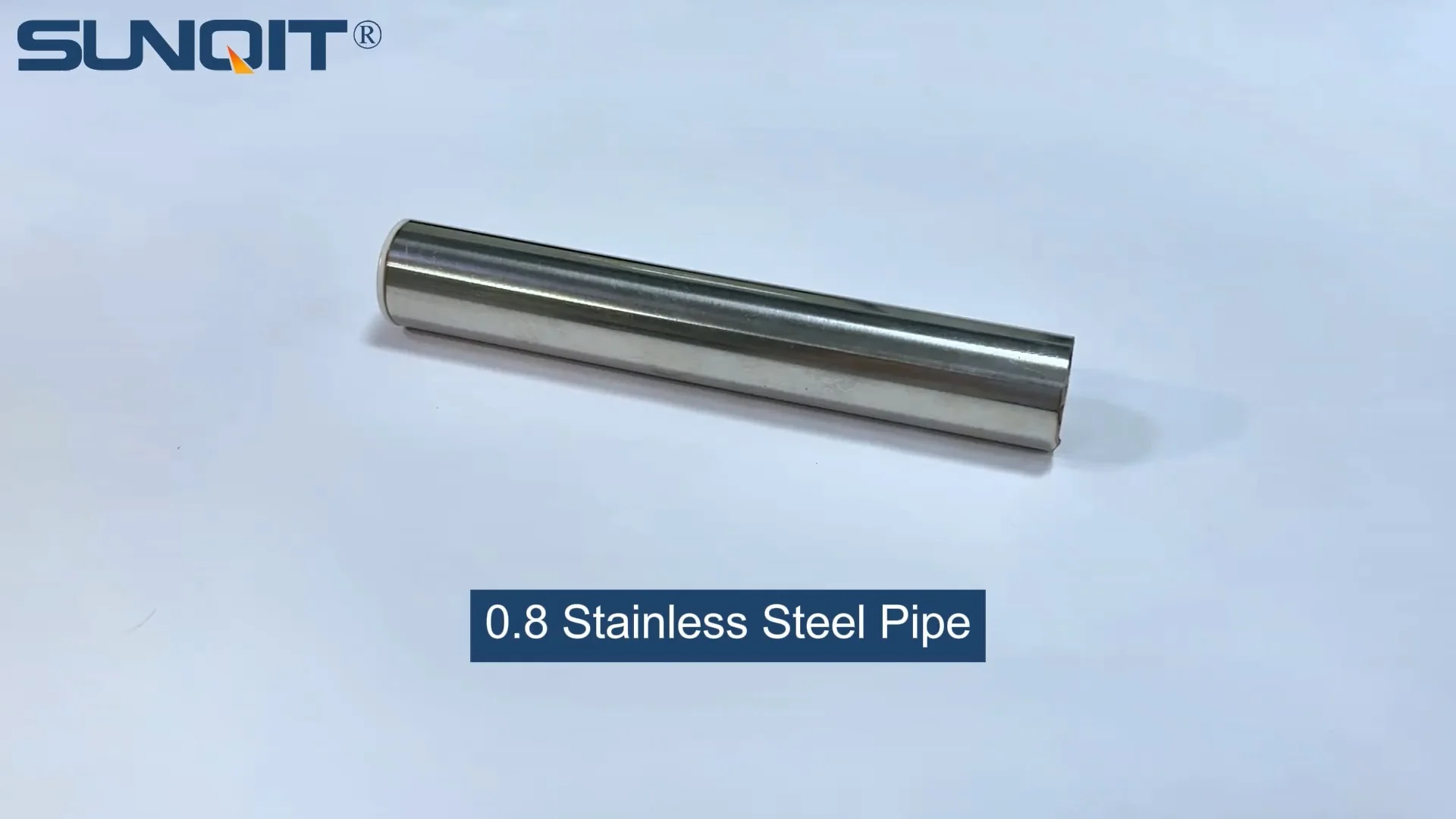
Stainless steel pipe, lean pipe, diameter is 28mm, material is SS201 or SS304, SS201 is normally used in the market. It knows a KARAKURI, KAIZEN material for industrial plant to improve efficiency, save labor cost, standard management.
The Pulse of 3C Manufacturing: Why Assembly Lines Can't Afford to Compromise on Infrastructure
Walk into any 3C (computers, communications, consumer electronics) manufacturing plant today, and you'll feel it immediately—the hum of precision, the urgency of speed, and the unrelenting pressure to innovate. From smartphones that fit in your palm to laptops that power global businesses, these products demand assembly lines that are as dynamic as the industry itself. But here's the thing: even the most advanced robotics and cutting-edge software can't overcome a foundational flaw—an inflexible, unreliable infrastructure. That's where the right materials and design come into play, and it's why more and more manufacturers are turning to 2.0mm stainless steel pipe solutions to build the backbone of their operations.
Let's start with the basics: 3C assembly lines are not your average production floors. They're environments where every inch of space matters, where components as small as a microchip need to move seamlessly from station to station, and where downtime can cost thousands of dollars per minute. Traditional setups—think rigid metal frames or flimsy plastic structures—often fall short. They rust, they bend under heavy loads, they're hard to reconfigure when a new product model launches, and worst of all, they can introduce static electricity risks that fry sensitive electronics. For 3C manufacturers, this isn't just an inconvenience; it's a threat to quality, efficiency, and ultimately, their bottom line.
Why 2.0mm Stainless Steel Pipe? It's All About Strength, Flexibility, and Longevity
When it comes to choosing materials for assembly line infrastructure, 3C manufacturers have options. Aluminum is lightweight but can lack the heft for heavy-duty use. Plastic is cheap but degrades quickly under constant wear. So why is 2.0mm stainless steel pipe emerging as the gold standard? Let's break it down.
Strength That Stands Up to 3C's Demands
First, thickness matters. A 2.0mm wall thickness isn't arbitrary—it's engineered to balance durability with practicality. In 3C assembly, workbenches hold tools, components, and even semi-assembled products that can weigh 50kg or more. Flow racks need to support stacks of PCBs (printed circuit boards) or display panels without sagging. Trolleys loaded with parts must roll smoothly across factory floors, even over minor bumps. A 2.0mm stainless steel pipe doesn't just "handle" these loads—it does so consistently, day in and day out, without warping or weakening over time. Compare that to thinner pipes (1.2mm or 1.5mm) that might start to bend after six months of heavy use, forcing costly replacements and unplanned downtime.
Corrosion Resistance: A Must for Clean, Controlled Environments
3C manufacturing floors are often kept clean—some even operate in near-sterile conditions to prevent dust or contaminants from damaging electronics. But "clean" doesn't mean "gentle." Cleaning agents, humidity, and even the oils from workers' hands can take a toll on lesser materials. Stainless steel, by nature, resists corrosion and rust, thanks to its chromium content, which forms a protective oxide layer. This isn't just about aesthetics; it's about maintaining a hygienic environment where metal flakes or rust particles won't contaminate sensitive components. For manufacturers producing devices with strict quality standards (looking at you, smartphone makers), this is non-negotiable.
Flexibility to Keep Pace with 3C's Rapid Evolution
Here's a stat that hits home: the average lifespan of a smartphone model is now less than 18 months. For assembly lines, that means reconfiguring workstations, adjusting flow racks, or redesigning material handling systems almost yearly. Rigid infrastructure—welded steel frames or fixed plastic structures—can't keep up. They require cutting, welding, or complete replacement, which eats into production time and budgets. 2.0mm stainless steel pipe, on the other hand, is designed for modularity. With the right joints and connectors (think 90° fixed lean pipe joints or parallel rotatory joints), manufacturers can disassemble, reconfigure, and rebuild sections of their line in hours, not days. It's like having a Lego set for adults—one that's strong enough to support real-world manufacturing needs.
| Pipe Type | Thickness | Load Capacity (Per Meter) | Corrosion Resistance | Reconfigurability | Best For |
|---|---|---|---|---|---|
| 1.2mm Stainless Steel | 1.2mm | Up to 30kg | High | Moderate | Light-duty shelving, temporary structures |
| 1.5mm Stainless Steel | 1.5mm | Up to 50kg | High | Good | Medium-load workbenches, small flow racks |
| 2.0mm Stainless Steel | 2.0mm | Up to 80kg | Excellent | Excellent | Heavy-duty assembly lines, 3C manufacturing, ESD-sensitive areas |

Beyond the Pipe: Custom Solutions Tailored to 3C's Unique Needs
A 2.0mm stainless steel pipe is just the starting point. What makes these solutions truly transformative is how they integrate with a ecosystem of accessories and custom designs to solve 3C-specific challenges. Let's dive into the three most critical applications: workbenches, flow racks, and material handling trolleys—all built on the foundation of the stainless steel pipe series.
Workbenches: Where Precision Meets Ergonomics
If the assembly line is the body of 3C manufacturing, workbenches are its hands. This is where operators spend hours piecing together components, where tools need to be within arm's reach, and where static electricity can spell disaster for microchips. A poorly designed workbench doesn't just slow down production—it increases errors and employee fatigue.
Custom 2.0mm stainless steel workbenches address these issues head-on. Take, for example, a "workbench e (single deck-without caster)" configuration—stripped down to the essentials but built to last. The 2.0mm stainless steel frame supports a solid surface (often ESD-safe) that won't warp under the weight of soldering irons, testing equipment, or batches of components. Unlike wooden or plastic workbenches, stainless steel is easy to clean with alcohol or disinfectants, ensuring no residue builds up to contaminate parts. And because the frame is modular, manufacturers can add shelves, tool hooks, or LED task lighting without compromising structural integrity.
But here's the kicker: ergonomics. 3C assembly often requires operators to lean, reach, or stand for extended periods. Custom workbenches can be adjusted for height, with optional anti-fatigue mats and angled surfaces to reduce strain. When paired with the right accessories—like swivel roller balls (1 inch or 0.5 inch) embedded in the surface—components glide smoothly from one side to the other, cutting down on manual handling and speeding up tasks.
Flow Racks: Keeping Materials Moving, Without the Headaches
In 3C manufacturing, material flow is everything. Parts need to move from storage to assembly stations, and finished sub-assemblies need to move to the next line—all without bottlenecks, damage, or delays. That's where flow racks shine, and 2.0mm stainless steel is the perfect material to build them.
A typical flow rack (say, "material rack b (3 row and 3 floor)") uses inclined roller tracks to let gravity do the work. Boxes or bins of components slide gently from the loading end to the picking end, ensuring operators always have access to the next part without walking to a storage area. But for this to work reliably, the rack itself must be sturdy enough to handle stacked loads (often 100kg+ per shelf) and the roller tracks must align perfectly to prevent jams. 2.0mm stainless steel pipes provide the rigidity needed to keep the rack square and stable, even when fully loaded. And because stainless steel resists warping, the roller tracks stay aligned for years, reducing maintenance headaches.
Stainless steel swivel roller balls (1 inch) are a game-changer here. Unlike plastic rollers that can crack or degrade under heavy use, these steel balls glide smoothly, even with small, heavy components like camera modules or battery packs. They're also easy to replace individually if one wears out, so you don't have to swap out an entire track—another win for lean system principles, which prioritize minimizing waste.
Material Handling Trolleys: Mobility Without Compromise
Even the most optimized assembly line needs a way to move materials between stations, warehouses, or testing areas. That's where material handling trolleys come in, and here again, 2.0mm stainless steel pipe and caster wheel technology steal the show.
Imagine a trolley loaded with 20kg batches of circuit boards. It needs to roll smoothly over factory floors (which are rarely perfectly flat), stop instantly when needed, and withstand bumps from forklifts or other equipment. A flimsy frame would flex, risking damage to the boards; cheap casters would jam or lock up, causing delays. But a trolley built with 2.0mm stainless steel pipes? It's a tank—sturdy enough to handle the load, yet lightweight enough for a single operator to maneuver. Pair that with high-quality caster wheels (think 4-inch heavy-duty swivel casters with brake locks) and you've got a mobile solution that keeps pace with the line.
What's more, these trolleys are customizable. Need a shelf for tools? Add a stainless steel pipe frame. Want to secure bins to prevent tipping? Install side rails. And because the stainless steel is corrosion-resistant, you can use these trolleys in cleanrooms or areas with strict hygiene standards—no rust stains on the floor, no flaking paint to contaminate parts.

Lean System Integration: How Stainless Steel Pipe Solutions Support Smarter Manufacturing
At this point, you might be thinking, "This all sounds great, but isn't stainless steel more expensive than aluminum or plastic?" It's true—upfront costs are higher. But in 3C manufacturing, where downtime and inefficiency cost far more than materials, the long-term ROI is undeniable. That's especially true when these solutions are paired with lean system principles, which focus on eliminating waste, streamlining processes, and continuous improvement.
Lean manufacturing thrives on adaptability. When a new product design requires a shorter assembly line, or when demand spikes and you need to add a third shift, you can't wait weeks to rebuild infrastructure. Modular stainless steel pipe systems let you reconfigure workbenches, flow racks, or trolleys in hours. Need to move a workbench six feet to the left? Disassemble the joints, relocate the pipes, and reassemble—no welding, no cutting, no specialized tools. This flexibility reduces "waste of waiting" and "waste of overprocessing," two of the seven deadly wastes in lean methodology.
Another lean principle is "visual management"—making problems and progress visible at a glance. Stainless steel pipe systems support this with their clean, uniform design. Add color-coded bins or labels to flow racks, and operators can instantly see which parts go where. Use whiteboard panels on workbenches to track daily targets. Unlike cluttered, ad-hoc setups, these systems keep the line organized and transparent, making it easier to spot inefficiencies and address them quickly.
Case Study: How a Major Smartphone Manufacturer Cut Downtime by 30% with 2.0mm Stainless Steel Solutions
The Challenge: A leading global smartphone brand was struggling with its final assembly line. Their existing setup used 1.5mm aluminum flow racks and wooden workbenches, which were prone to warping and required frequent repairs. Material jams on the flow racks were common, and the wooden workbenches couldn't withstand daily cleaning, leading to splinters that occasionally contaminated parts. The result? 12 hours of unplanned downtime per month and a 5% error rate in final inspections.
The Solution: The manufacturer partnered with a lean system supplier specializing in stainless steel pipe series. They replaced all aluminum flow racks with 2.0mm stainless steel "material rack b (3 row and 3 floor)" units, fitted with stainless steel swivel roller balls (1 inch). Wooden workbenches were swapped for custom 2.0mm stainless steel "workbench e (single deck-without caster)" models with ESD-safe surfaces. Material handling trolleys were upgraded with 2.0mm stainless steel frames and heavy-duty caster wheels with brakes.
The Results: Within three months, unplanned downtime dropped to 8 hours per month—a 30% reduction. The stainless steel flow racks eliminated jams, and the ESD workbenches reduced contamination-related errors by 40%. Operators reported less fatigue due to smoother material handling, and the maintenance team cut repair time by 60% since the stainless steel components rarely needed replacement.
Choosing the Right Partner: What to Look for in a Stainless Steel Pipe Solution Supplier
Not all stainless steel pipe solutions are created equal, and neither are suppliers. When shopping for a partner, it's easy to get drawn in by low prices or flashy catalogs, but the best suppliers offer more than just products—they offer expertise in 3C manufacturing and a commitment to your success. Here's what to prioritize:
Customization Capabilities
Every 3C assembly line is unique. A supplier that only offers off-the-shelf products will leave you with gaps in your setup. Look for a partner that can design custom workbenches, flow racks, or trolleys based on your line's layout, load requirements, and ESD needs. Ask to see examples of past custom projects—ideally in the 3C space—to ensure they understand the nuances of electronics manufacturing.
Quality of Materials
Not all stainless steel is the same. Verify that the supplier uses 304 or 316 grade stainless steel (the most corrosion-resistant for industrial use) and that their 2.0mm pipes meet strict thickness tolerances. A pipe that's even 0.2mm thinner than advertised can compromise load capacity, so ask for material certifications and test reports.
Range of Accessories
A great stainless steel pipe is only as good as the accessories that connect it. Look for suppliers that offer a full suite of joints, roller tracks, caster wheels, and ESD components. This ensures compatibility (no mismatched parts) and simplifies ordering and maintenance.
Lean System Expertise
The best suppliers don't just sell products—they help you optimize your line. Ask if they have lean manufacturing consultants on staff who can work with your team to design layouts that reduce waste and improve flow. A supplier that understands "5S" (Sort, Set in Order, Shine, Standardize, Sustain) or "kanban" systems will add far more value than one that just drops off pipes and walks away.
The Future of 3C Assembly: Why Stainless Steel Pipe Solutions Will Only Grow in Importance
As 3C products get smaller, more complex, and more in-demand, the pressure on assembly lines will only intensify. We're already seeing trends like miniaturization (think foldable phones with 100+ components), mass customization (devices tailored to regional markets), and faster product cycles (new models launching every 6–8 months). To keep up, manufacturers need infrastructure that's not just strong and durable, but infinitely adaptable.
2.0mm stainless steel pipe solutions fit this future perfectly. They're built to last, easy to reconfigure, and compatible with emerging technologies like IoT sensors (which can be mounted on the frames to track material flow or equipment health). And as sustainability becomes a bigger priority, stainless steel's recyclability and long lifespan align with green manufacturing goals—reducing the need for frequent replacements and cutting down on waste.
At the end of the day, 3C manufacturing is about precision, speed, and reliability. It's about building products that connect people, power businesses, and drive innovation. And to do that, you need an infrastructure that's as resilient and forward-thinking as the industry itself. 2.0mm stainless steel pipe solutions aren't just a tool—they're a investment in the future of manufacturing. For 3C plants ready to take their assembly lines to the next level, the choice is clear: build on stainless steel, and build to last.