- Company Articles
- Products and Technology
- Product knowledge
- Custom 2020 Aluminum Profile End Caps: Tailored Solutions for Unique Needs

Custom 2020 Aluminum Profile End Caps: Tailored Solutions for Unique Needs
Related Product
2020 Aluminum Profile End Cap
The aluminum profile end cap adds a finishing touch to your project and closes off profile ends to limit dust and debris buildup, also it can avaid some scratch for material and labor during the assemble work.
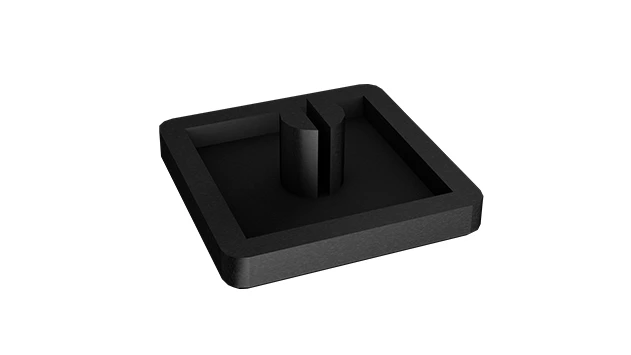
In the world of aluminum extrusion profiles, every component plays a role—some flashy, others quietly critical. If the aluminum profile itself is the backbone of a structure, then the end caps are the unsung guardians, working behind the scenes to protect, enhance, and complete the design. For anyone working with 2020 aluminum profiles—a size so popular it's become a staple in manufacturing, robotics, and DIY projects alike—finding the right end cap can feel like solving a puzzle. Standard options work for basic setups, but what happens when your project has unique specs, strict safety requirements, or a brand identity to uphold? That's where custom 2020 aluminum profile end caps step in, turning "good enough" into "perfectly tailored."
What Are 2020 Aluminum Profile End Caps, Anyway?
Let's start with the basics. Aluminum extrusion profiles are created by forcing heated aluminum through a die, resulting in consistent cross-sectional shapes—think T-slots, squares, or rectangles—that are strong, lightweight, and endlessly versatile. The 2020 aluminum profile, as the name suggests, typically measures 20mm by 20mm, making it ideal for everything from small workbenches and machine guards to shelving units and 3D printer frames. But raw aluminum profiles have open ends, and that's where end caps come in.
An end cap is a small, often unassuming piece designed to fit snugly into the open end of an aluminum profile. At first glance, it might seem like a minor detail, but its roles are surprisingly vital:
-
Protection:
Aluminum profiles, especially those with T-slots, have sharp edges or exposed internal surfaces that can catch on wires, fabrics, or even skin. End caps smooth these edges, preventing snags and damage to both the profile and surrounding materials.
-
Safety:
In workplaces like factories or labs, exposed profile ends pose a risk of cuts or injuries. End caps add a soft, rounded barrier, making structures safer for employees and users.
-
Aesthetics:
Raw aluminum ends can look unfinished, especially in visible applications like retail displays or office furniture. End caps give projects a polished, professional look by covering gaps and creating clean lines.
-
Debris Prevention:
In dusty or industrial environments, open profile ends can collect dirt, debris, or liquids, which can corrode the aluminum over time. End caps seal these openings, extending the profile's lifespan.
Standard end caps are mass-produced to fit common profile sizes like 2020, 3030, or 4040. They're affordable and easy to find, but they're designed with broad use cases in mind—not the unique challenges of your specific project. That's where customization becomes a game-changer.
Why One-Size-Fits-All Falls Short: The Case for Custom End Caps
Picture this: You're building a custom workbench for a medical device assembly line. The 2020 aluminum profile frame needs to meet strict (sanitary) standards, so exposed crevices where bacteria could hide are a no-go. Standard end caps, which might have small gaps or rough edges, won't cut it. Or maybe you're designing a retail display for a high-end brand, and the end caps need to match your company's signature blue color to reinforce brand identity. Standard end caps only come in black, white, or gray. Suddenly, "one-size-fits-all" feels more like "one-size-fits-none."
The truth is, every project has its own quirks. Maybe your 2020 profile is part of a waterproof enclosure, requiring end caps that seal tightly against moisture. Or perhaps you're integrating sensors into the profile, and the end cap needs a small notch to route wiring through. Standard end caps, with their fixed shapes and limited features, can't adapt to these scenarios. Custom end caps, on the other hand, are built to your exact specifications—turning obstacles into opportunities.
Here are just a few reasons why customization matters:
-
Unique Project Requirements:
No two projects are identical. A robotics hobbyist might need end caps with ventilation holes to cool internal components, while a food processing plant might require end caps made from FDA-approved, food-safe materials. Customization lets you address these specific needs head-on.
-
Industry-Specific Standards:
Industries like aerospace, medical, or automotive have strict regulations for materials, durability, and safety. Custom end caps can be engineered to meet these standards—whether that means using flame-retardant plastics, conductive materials for ESD (electrostatic discharge) protection, or corrosion-resistant metals.
-
Brand Consistency:
In consumer-facing applications—think trade show booths, store fixtures, or museum displays—every detail contributes to brand perception. Custom end caps in brand colors or with embossed logos reinforce identity and make projects feel cohesive and intentional.
-
Cost Efficiency (Long-Term):
It might seem counterintuitive, but custom end caps can save money over time. Using a standard end cap that doesn't quite fit might require modifications (like trimming or adding adhesives), which eats up labor hours. A custom end cap that fits perfectly the first time reduces waste and rework.

The Customization Journey: From Idea to Finished Product
Ordering custom 2020 aluminum profile end caps isn't just about picking a color or shape—it's a collaborative process that turns your vision into a tangible part. Let's walk through how it typically works, step by step:
1. Initial Consultation: Sharing Your Needs
It all starts with a conversation. Whether you reach out via email, phone, or a supplier's online form, the first step is explaining your project. The more details you provide, the better: What's the end cap for? Is it for a manufacturing line, a retail display, or a medical device? What are the key challenges (e.g., "I need it to withstand high temperatures" or "It has to be easy to clean")? Do you have drawings, CAD files, or photos of the profile you're using? Even rough sketches can help the supplier understand your goals. A good supplier will ask follow-up questions to uncover hidden needs—like whether the end cap will be installed by hand or machine, or if it needs to be removable for future maintenance.
2. Design Collaboration: Turning Ideas into Drawings
Once your needs are clear, the supplier's design team gets to work. Using CAD (Computer-Aided Design) software, they'll create detailed drawings of the custom end cap, ensuring it fits your 2020 profile perfectly. This is where collaboration really shines: You'll review the designs and provide feedback. Maybe the initial draft has a rounded top, but you need a flat surface to mount a small label. Or perhaps the fit is too loose, and you need a tighter tolerance. Most suppliers offer 1-2 rounds of revisions to make sure the design aligns with your vision. If you're not familiar with CAD, don't worry—many suppliers will share 3D renderings or even physical sketches to help you visualize the end result.
3. Prototyping: Testing Before Full Production
Before mass-producing, a prototype is essential. Think of it as a "test run" to validate the design. Suppliers use methods like 3D printing (for plastic end caps) or CNC machining (for metal ones) to create a small batch—sometimes just 1-5 pieces. You'll then install the prototype on your 2020 profile to check: Does it fit snugly? Does it address the original problem (e.g., Is the edge now smooth? Does it seal out debris?)? Are there any unexpected issues (e.g., It's too hard to install, or it rattles when shaken)? Prototyping catches these problems early, avoiding costly mistakes in full production.
4. Material Selection: Choosing What Works Best
End caps aren't one-material-fits-all. The right material depends on your project's environment, load, and aesthetic needs. Common options include:
-
Plastics (PVC, Nylon, Polypropylene):
Lightweight, affordable, and available in a range of colors. PVC is flexible and easy to mold, making it great for tight fits; nylon is durable and chemical-resistant, ideal for industrial use; polypropylene is heat-resistant and food-safe, perfect for kitchen or medical applications.
-
Aluminum:
For projects where strength or conductivity is key, aluminum end caps are a solid choice. They match the profile's material, creating a seamless look, and can be anodized or painted for corrosion resistance or color.
-
Rubber or Silicone:
In applications where grip or vibration dampening is important—like machinery or fitness equipment—rubber or silicone end caps add friction and absorb shocks. They're also soft, making them ideal for safety-focused projects.
Your supplier will guide you through material pros and cons, helping you balance performance, cost, and availability. For example, if you need a custom color, plastic is easier to pigment than aluminum; if you're in a marine environment, nylon might outlast PVC due to its resistance to saltwater.
5. Production: Bringing the Design to Life
With the design finalized and materials selected, production begins. The method depends on the material and order size:
-
Injection Molding:
For plastic end caps and large quantities (think hundreds or thousands), injection molding is efficient. Molten plastic is injected into a custom mold, creating consistent, high-quality parts.
-
CNC Machining:
For metal end caps or small batches, CNC (Computer Numerical Control) machining is used. A machine cuts the end cap from a solid block of material, ensuring precision for complex shapes or tight tolerances.
-
3D Printing:
For prototypes or very small runs (fewer than 50 pieces), 3D printing is a fast, cost-effective option. It's also great for testing materials or designs before investing in molds.
6. Quality Control: Ensuring Perfection
Before shipping, every custom end cap undergoes inspection. Suppliers check dimensions (using calipers or 3D scanners) to ensure they fit the 2020 profile exactly. They test functionality: Does it snap into place easily? Does it stay secure when shaken? For specialized end caps, they might conduct additional tests—like temperature resistance, chemical exposure, or impact testing. Only when the end caps meet the agreed-upon standards do they get packaged and sent to you.
7. Delivery and Follow-Up: Supporting Your Success
Finally, your custom end caps arrive. But the process doesn't end there. A reputable supplier will follow up to make sure the parts work as expected. Did they fit perfectly? Are there any issues you didn't anticipate? This feedback helps refine future orders—and builds a relationship for ongoing projects.

Standard vs. Custom End Caps: A Side-by-Side Comparison
Still on the fence about custom vs. standard? Let's break down the differences with a quick comparison:
| Feature | Standard 2020 End Caps | Custom 2020 End Caps | Why Custom Might Be Better |
|---|---|---|---|
| Fit | Designed for "average" 2020 profiles; may be loose or tight if your profile has unique tolerances. | Engineered to match your specific profile's dimensions, including T-slot spacing, wall thickness, and edge details. | No gaps, rattling, or need for modifications—saves time during installation. |
| Material Options | Limited (e.g., black PVC, white nylon, silver aluminum). | Virtually unlimited: Choose from specialty plastics, metals, rubber, or composites to meet environment or performance needs. | Ensures the end cap can withstand your project's unique conditions (heat, chemicals, moisture, etc.). |
| Aesthetics | Basic colors; no branding or custom shapes. | Custom colors, logos, textures, or shapes (e.g., rounded, squared, or even branded with your company name). | Enhances visual appeal and reinforces brand identity in visible applications. |
| Functionality | Basic protection and safety; no extra features. | Can include added features: drainage holes, notches for wiring, ESD protection, or even integrated gaskets for waterproofing. | Solves specific problems standard end caps can't—like routing wires through the profile or sealing against liquids. |
| Lead Time | Ready to ship; available same-day or next-day. | Longer (2–4 weeks on average) due to design, prototyping, and production. | Worth the wait for projects where "close enough" isn't acceptable—avoids rework or compromised performance. |
| Cost per Unit | Lower upfront cost (e.g., $0.50–$2 per unit). | Higher initial cost (mold fees + per-unit cost), but decreases with larger orders. | Cost-effective for unique projects where standard end caps cause delays, waste, or safety risks. |
Real-World Examples: Custom End Caps in Action
To see the impact of custom 2020 aluminum profile end caps, let's look at a few real-world scenarios where they made all the difference:
Case Study 1: Automotive Manufacturing Line
A car parts manufacturer was using 2020 aluminum profiles to build workstations for assembling engine components. The standard black PVC end caps they'd been using kept falling off during cleaning—high-pressure hoses would dislodge them, leaving sharp profile ends exposed. Worse, the PVC was starting to degrade from contact with oil and cleaning chemicals, creating small plastic particles that risked contaminating the engine parts.
They reached out to a supplier for a custom solution. After discussing the issues, the supplier recommended a nylon end cap with a ribbed internal design (to grip the profile tighter) and a chemical-resistant coating. The custom end caps stayed in place during cleaning, withstood the harsh chemicals, and eliminated plastic debris. The result? Fewer safety incidents, cleaner workstations, and reduced downtime from end cap replacements.
Case Study 2: Retail Display for a Cosmetics Brand
A cosmetics company wanted to create eye-catching in-store displays using 2020 aluminum profiles painted gold to match their brand. The standard silver aluminum end caps clashed with the gold frames, making the displays look unfinished. They needed end caps in a specific metallic gold shade to tie the look together.
The supplier worked with their color team to match the brand's exact gold Pantone code, then produced custom aluminum end caps with an anodized gold finish. The end caps also included a small, embossed logo on the top surface, adding a subtle branding touch. The displays stood out in stores, with customers commenting on how "luxurious" and "put-together" they looked. The custom end caps turned a functional structure into a marketing tool.
Case Study 3: Medical Lab Workbench
A medical research lab needed workbenches built from 2020 aluminum profiles to hold sensitive equipment. The benches had to meet strict standards: easy to sanitize, non-porous, and resistant to bleach and alcohol-based cleaners. Standard plastic end caps had small crevices where bacteria could hide, and they warped when exposed to frequent cleaning.
The solution? A custom end cap made from solid aluminum, machined with a smooth, seamless surface and rounded edges. The aluminum was anodized to resist corrosion from cleaners, and the end cap was designed to snap into place without adhesives (which can harbor bacteria). The result was a workbench that passed lab inspections with flying colors, giving researchers peace of mind that their equipment and samples stayed contamination-free.
Choosing the Right Supplier: What to Look For
Not all custom end cap suppliers are created equal. To ensure your project goes smoothly, keep an eye out for these key qualities:
Experience with Aluminum Extrusion Profiles
Aluminum profiles come in hundreds of variations—even within the "2020" size, there are differences in T-slot design, wall thickness, and tolerances. A supplier that specializes in aluminum profile accessories (like end caps, brackets, or connectors) will understand these nuances better than a general manufacturer. Ask about their experience with 2020 profiles specifically: Have they worked with similar projects? Can they provide references or case studies?
Design Expertise
You don't need to be a CAD expert to order custom end caps—but your supplier should be. Look for a team that can take your rough ideas and turn them into precise designs, offering suggestions to improve functionality or reduce costs. Many suppliers provide free design consultations, so take advantage of that to gauge their creativity and problem-solving skills.
Prototyping Capabilities
A supplier that skips prototyping is a red flag. Even the best designs can have flaws in real-world use, and a prototype lets you catch those early. Ask what prototyping methods they use (3D printing, CNC machining) and how long it takes. Some suppliers even offer low-cost or free prototypes for small orders.
Quality Control Processes
How does the supplier ensure your end caps meet specs? Do they inspect every batch for fit, material consistency, and durability? A reputable supplier will be transparent about their quality control steps, whether that's dimensional checks with calipers, material testing (e.g., heat resistance), or load testing for strength.
Communication and Responsiveness
Custom projects require ongoing communication. If a supplier takes days to reply to emails or is vague about timelines, that's a sign of potential delays down the line. Look for a team that keeps you updated at every stage—from design to delivery—and is willing to adjust if your needs change.
Conclusion: Small Part, Big Impact
Custom 2020 aluminum profile end caps are more than just accessories—they're solutions. They bridge the gap between off-the-shelf convenience and the unique demands of your project, turning functional structures into optimized, safe, and visually cohesive creations. Whether you're building a manufacturing line that needs ESD-safe components, a retail display that screams brand identity, or a medical device that must meet strict standards, custom end caps prove that even the smallest details can make a big difference.
So the next time you're planning a project with 2020 aluminum profiles, don't overlook the end caps. Invest in ones that are tailored to your needs, and you'll not only protect your investment—you'll elevate it. After all, great projects aren't just built with strong backbones; they're finished with thoughtful, custom touches that make them truly one-of-a-kind.