- Company Articles
- Products and Technology
- Product knowledge
- Custom 3030 Aluminum Profile End Caps: When to Choose Bespoke Solutions

Custom 3030 Aluminum Profile End Caps: When to Choose Bespoke Solutions
Related Product
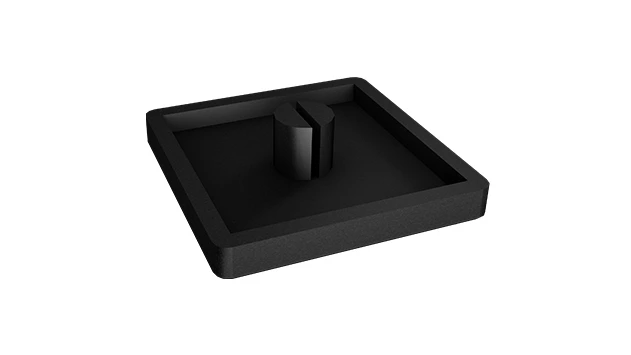
3030 Aluminum Profile End Cap
The aluminum profile end cap adds a finishing touch to your project and closes off profile ends to limit dust and debris buildup, also it can avaid some scratch for material and labor during the assemble work.
Introduction: The Unsung Heroes of Aluminum Profiles
Walk into any modern manufacturing facility, warehouse, or workshop, and you'll likely spot aluminum extrusion profiles hard at work. These versatile building blocks form the backbone of everything from workbenches and flow racks to lean system setups and material handling trolleys. Their popularity stems from a winning combination: lightweight yet durable, easy to assemble, and infinitely adaptable. But for all their strength and flexibility, aluminum profiles have a humble sidekick that often goes unnoticed—end caps. Specifically, 3030 aluminum profile end caps, those small, unassuming pieces that snap or press into the open ends of profiles. At first glance, they might seem like an afterthought, but in reality, they play a critical role in safety, functionality, and even the longevity of the entire structure.
Standard end caps work well for most off-the-shelf applications. They're affordable, readily available, and designed to fit the most common profile dimensions. But what happens when your project isn't "standard"? Maybe you're building a custom workbench with unique cable management cutouts, or designing a lean system for a food processing plant that requires FDA-compliant materials. Perhaps your aluminum extrusion profile has been modified with extra holes, slots, or custom lengths that standard caps can't accommodate. In these cases, off-the-shelf end caps can fall short—leading to gaps, safety hazards, or a disjointed aesthetic. That's where custom 3030 aluminum profile end caps come in. In this article, we'll explore when standard solutions aren't enough, the benefits of going bespoke, and how to navigate the process of creating custom end caps that align with your project's unique needs.
Understanding 3030 Aluminum Profiles: The Foundation of Modern Workspaces
Before diving into end caps, let's take a moment to appreciate the star of the show: the 3030 aluminum extrusion profile. Named for its dimensions—30mm in width and 30mm in height—this profile is a workhorse in industrial and commercial settings. Its square cross-section, reinforced by internal ribs, strikes a perfect balance between strength and weight, making it ideal for load-bearing structures like shelving, frames, and workbench legs. What truly sets 3030 profiles apart, though, is their modularity. Thanks to T-slots running along their length, they easily integrate with aluminum profile accessories like brackets, hinges, and connectors, allowing for endless configurations without welding or complex tools.
Common applications for 3030 profiles span industries. In manufacturing, they're used to build assembly line workbenches, material racks, and conveyor supports. In warehouses, they form the framework for flow racks and turnover trolleys, optimizing inventory management. Even in offices, they're repurposed into custom desks and storage solutions. Their versatility has made them a staple for lean system implementations, where adaptability and efficiency are key. But for all their flexibility, the open ends of these profiles present a challenge: sharp edges, dust and debris buildup, and a finished look that feels incomplete. That's where end caps step in—turning a functional frame into a polished, safe, and long-lasting structure.

The Role of End Caps: More Than Just a Finishing Touch
At their core, 3030 aluminum profile end caps are designed to solve three critical problems: safety, protection, and aesthetics. Let's break that down. First, safety. The raw ends of aluminum extrusion profiles can be surprisingly sharp, with burrs or rough edges left over from the extrusion process. In high-traffic areas like workshops or warehouses, these edges pose a risk of cuts or scrapes to workers handling the profiles or interacting with structures like workbenches. End caps smooth these edges, creating a rounded, user-friendly finish.
Second, protection. Aluminum profiles are often used in environments where dust, moisture, or debris is present—think factory floors or outdoor storage areas. Without end caps, these contaminants can enter the profile's hollow interior, accumulating over time and potentially causing corrosion or interfering with internal components (like cables run through the profile for power or data). End caps act as a barrier, sealing the ends and extending the life of the profile. They also protect the profile itself from impact damage; a well-fitted end cap can absorb minor knocks, preventing dents or bending at the vulnerable open ends.
Finally, aesthetics. In settings where appearance matters—like customer-facing showrooms or office workspaces—a profile with exposed, unfinished ends can look unprofessional. End caps create a clean, cohesive look, tying together the design of the entire structure. Standard end caps typically come in neutral colors like black, white, or gray, blending in with most profiles. But as we'll explore later, when standard colors or designs don't align with your brand or project needs, custom end caps become essential.

When Standard End Caps Fall Short: Scenarios That Demand Customization
Standard 3030 aluminum profile end caps are designed for the "average" user. They fit the most common profile tolerances, use generic materials like PVC or basic rubber, and come in a limited range of colors. For simple projects—say, a basic workbench or a standard flow rack—they work perfectly. But when your project veers into the realm of "uncommon," standard caps can quickly become a liability. Let's explore the key scenarios where bespoke solutions are not just preferable, but necessary.
1. Unique Profile Modifications
Aluminum extrusion profiles are rarely used in their "raw" state. More often than not, they're modified to fit specific needs: drilled with extra holes for wiring, cut to non-standard lengths, or notched to accommodate other components. For example, imagine you're building a lean system workbench with integrated cable management, where you've drilled a series of holes along the profile's length to route power cords. A standard end cap, designed to fit a smooth, unmodified end, might not account for these holes—leaving gaps where dust can enter or creating uneven pressure that causes the cap to pop loose. Similarly, if you've cut a profile at a non-90-degree angle (say, 45 degrees for a corner joint), standard square end caps will sit awkwardly, leaving sharp edges exposed.
2. Industry-Specific Safety or Regulatory Requirements
Certain industries have strict rules about materials, finishes, and safety features. Take the food and beverage sector, for instance. Any component that might come into contact with food—including end caps on workbenches or flow racks—must comply with FDA regulations, which prohibit toxic substances or materials that could harbor bacteria. Standard end caps often use generic plastics that may not meet these standards. Similarly, medical facilities require end caps that are easy to sanitize and resistant to harsh cleaning chemicals. In manufacturing settings with explosive or flammable materials, end caps might need to be made from anti-static materials to prevent static discharge. Standard caps rarely cater to these niche requirements, making customization a must.
3. Branding and Aesthetic Consistency
In customer-facing environments—like retail displays, trade show booths, or office lobbies—aluminum structures are as much about branding as they are about functionality. Standard end caps, with their generic colors and plain designs, can clash with a company's visual identity. A custom 3030 aluminum profile end cap, on the other hand, can be matched to brand colors, embossed with a logo, or even shaped to reflect brand aesthetics (e.g., rounded edges for a modern look, angular for a more industrial vibe). This level of customization transforms a utilitarian structure into a brand asset, reinforcing recognition and professionalism.
4. Extreme Environmental Conditions
Aluminum profiles are durable, but their end caps are often made from softer materials like PVC or rubber, which can degrade under extreme conditions. If your structure is used outdoors (e.g., a loading dock flow rack), standard end caps might crack or fade under UV exposure. In high-temperature environments like foundries or bakeries, they could melt or warp. Conversely, in cold storage facilities, brittle standard plastics might shatter upon impact. Custom end caps allow you to choose materials tailored to your environment—UV-resistant polymers for outdoors, heat-resistant silicone for high temps, or flexible rubber for cold storage.
5. Integration with Custom Aluminum Profile Accessories
One of the joys of working with aluminum extrusion profiles is their compatibility with a wide range of accessories. But when you're using custom or specialized aluminum profile accessories, standard end caps might not play nice. For example, suppose you're using a unique hinge or latch that mounts near the end of the profile. A standard cap could block the accessory's mounting points or create interference that prevents it from functioning properly. Custom end caps can be designed with cutouts, recesses, or notches to accommodate these accessories, ensuring a seamless fit and optimal performance.
The Benefits of Going Custom: Why Bespoke End Caps Are Worth the Investment
At this point, you might be wondering: "Custom sounds great, but is it worth the extra time and cost?" The short answer is yes—especially when standard caps are failing to meet your needs. Let's unpack the tangible benefits of investing in custom 3030 aluminum profile end caps.
1. Perfect Fit, Every Time
The most obvious advantage of custom end caps is the fit. Unlike standard caps, which are designed to accommodate a range of tolerances (and thus rarely fit perfectly), bespoke caps are engineered to match your exact profile dimensions—including any modifications like holes, notches, or angled cuts. This precision ensures a snug, secure fit that won't loosen over time, even with heavy use. A tight fit also means better protection against dust, debris, and moisture, extending the life of your aluminum extrusion profiles.
2. Enhanced Safety and Compliance
In industries where safety is non-negotiable—manufacturing, healthcare, food processing—custom end caps can be a lifesaver. By eliminating gaps, sharp edges, and loose components, they reduce the risk of cuts, scrapes, or trips. For example, a custom cap designed for a food processing workbench can be made from FDA-approved, non-porous materials that resist bacterial growth and are easy to sanitize. In medical settings, anti-microbial end caps can help maintain sterile environments. These features don't just keep workers safe—they keep your business compliant with industry regulations, avoiding costly fines or shutdowns.
3. Brand Alignment and Professionalism
Your facility's layout and equipment send a message about your brand. A workspace filled with mismatched, poorly finished structures can signal carelessness, while a cohesive, polished setup communicates attention to detail and quality. Custom end caps let you extend your brand identity to even the smallest components. Whether it's matching your company's signature blue, embossing your logo, or adopting a unique shape that reflects your brand's personality, these small touches add up to a more professional, memorable environment—impressing clients, partners, and employees alike.
4. Improved Functionality and Longevity
Custom end caps aren't just about looks—they can enhance the functionality of your entire structure. For example, if you need to run cables through a profile, a custom cap can include a small notch or grommet to route wires cleanly, eliminating the need for separate cable management accessories. In high-traffic areas, reinforced end caps (made from impact-resistant materials) can absorb shocks, preventing dents or damage to the profile itself. Over time, these small functional upgrades translate to fewer repairs, less downtime, and a longer lifespan for your aluminum structures.
Standard vs. Custom End Caps: A Comparative Overview
| Feature | Standard 3030 End Caps | Custom 3030 End Caps |
|---|---|---|
| Fit | Generic; fits standard, unmodified profiles with typical tolerances | Precision-engineered for modified profiles (holes, notches, angles) |
| Materials | Limited options (PVC, basic rubber) | Wide range (FDA-compliant plastics, heat-resistant silicone, anti-static materials) |
| Safety | Basic edge protection; may fail in specialized environments | Tailored to industry standards (non-toxic, anti-microbial, impact-resistant) |
| Aesthetics | Neutral colors; plain design | Custom colors, logos, and shapes to match branding |
| Cost | Lower upfront cost | Higher initial investment; better long-term value for specialized needs |
| Lead Time | Readily available (1–3 days) | Longer (2–4 weeks for design, prototyping, and production) |
| Compatibility with Accessories | May conflict with custom or specialized aluminum profile accessories | Designed to integrate seamlessly with custom accessories |
Case Studies: Real-World Success with Custom End Caps
To bring these concepts to life, let's look at three real-world examples where custom 3030 aluminum profile end caps solved critical challenges for businesses.
Case Study 1: Automotive Manufacturing Workbench with Integrated Cable Management
A leading automotive parts manufacturer approached a lean system supplier with a problem: their assembly line workbenches, built using 3030 aluminum extrusion profiles, were plagued by messy, tangled cables. Workers often tripped over loose wires, and dust buildup in the open profile ends was causing corrosion. The supplier proposed a solution: drill cable channels along the profiles and install custom end caps with built-in cable grommets. The custom caps were designed to fit the modified profiles (accounting for the new channels) and included rubber grommets to protect cables from sharp edges. The result? A 40% reduction in cable-related accidents, cleaner workspaces, and extended profile life due to reduced dust ingress.
Case Study 2: Food Processing Facility's FDA-Compliant Flow Racks
A food packaging company needed to upgrade their flow racks to meet FDA regulations for food contact surfaces. Their existing setup used standard PVC end caps, which were difficult to sanitize and contained trace chemicals that could leach into food products. Working with an aluminum profile accessories supplier, they developed custom end caps made from FDA-approved silicone. The new caps were smooth, non-porous, and resistant to the harsh cleaning chemicals used in the facility. They also featured a slightly tapered design to prevent water pooling (a common bacteria breeding ground). Post-installation, the company passed its FDA audit with zero violations, and cleaning time for the flow racks was reduced by 30%.
Case Study 3: Branded Trade Show Display for a Tech Startup
A tech startup wanted to stand out at a major industry trade show with a custom booth built from 3030 aluminum profiles. Their brand was known for its bold purple color and sleek, modern aesthetic, and they wanted every component—including end caps—to reflect this. Standard gray end caps would have clashed with their design vision. Instead, they partnered with a supplier to create custom purple end caps with their logo embossed on the surface. The caps were also designed with a slightly rounded edge to match the booth's curved framework. The result? A cohesive, eye-catching display that drew 50% more foot traffic than their previous booth—and countless compliments on the "attention to detail."
Key Considerations for Custom End Cap Design
If you've decided that custom 3030 aluminum profile end caps are right for your project, the next step is to design them effectively. This requires careful planning to ensure the final product meets your needs for fit, function, and compliance. Here are the critical factors to keep in mind.
1. Material Selection
The material of your end cap will dictate its durability, safety, and performance. Start by assessing your environment: Is it indoors or outdoors? Exposed to high temperatures, moisture, or chemicals? For general indoor use, PVC or ABS plastic is cost-effective and durable. For food/medical settings, opt for FDA-compliant silicone or polypropylene. In industrial environments with heavy impact, consider rubber or even aluminum (for maximum strength). Don't forget to factor in aesthetics—some materials (like matte-finish plastics) hide scratches better than others (like glossy PVC).
2. Dimensions and Tolerances
Precision is key when it comes to fit. Provide your supplier with detailed measurements of your modified profile, including any holes, notches, or angle cuts. If possible, share a physical sample of the profile (or a 3D scan) to ensure the cap matches the exact dimensions. Tolerances matter too—aluminum profiles can vary slightly in size due to manufacturing processes, so work with your supplier to define acceptable tolerance ranges (e.g., ±0.1mm) to avoid a cap that's too loose or too tight.
3. Functional Requirements
What does the end cap need to do ? If it's purely decorative, focus on aesthetics. If it needs to seal the profile, ensure a tight, dust-proof fit. If cables will pass through, include notches or grommets. For high-impact areas, add reinforcement ribs. Make a list of all functional requirements upfront—this will guide material choice, design, and testing.
4. Regulatory Compliance
If your industry has specific regulations (FDA, OSHA, RoHS), ensure your end caps meet them. For example, medical facilities may require caps that are latex-free and sterilizable, while aerospace settings might demand flame-retardant materials. Work with your supplier to source materials with the necessary certifications, and ask for test reports to verify compliance.
5. Cost vs. Value
Custom end caps are more expensive than standard ones, but the price can vary widely based on design complexity, materials, and order volume. Simple designs (e.g., a standard shape in a custom color) will cost less than highly complex ones (e.g., embossed logos with multiple material layers). Consider ordering in bulk if you need caps for multiple projects—suppliers often offer volume discounts. Remember: the cost of a poorly fitting or non-compliant cap (e.g., downtime, accidents, regulatory fines) far outweighs the upfront investment in a quality custom solution.
Working with a Supplier: Tips for a Smooth Custom Order
Designing custom end caps is a collaborative process, and choosing the right supplier is half the battle. Look for a partner with experience in aluminum extrusion profiles and aluminum profile accessories—they'll understand the nuances of profile tolerances, material compatibility, and industry standards. Once you've selected a supplier, follow these steps to ensure a successful partnership:
1. Start with a Clear Brief
Before reaching out, document your needs in detail: project scope, profile modifications, material requirements, safety standards, quantity, and timeline. The more information you provide upfront, the more accurate the supplier's quote and design will be. Include photos or drawings of the modified profiles, if possible—visuals help avoid miscommunication.
2. Request Prototypes
Never skip the prototype stage. A physical sample lets you test fit, functionality, and aesthetics before committing to a full order. Ask the supplier to produce 2–3 prototypes, and test them rigorously: install them on the profile, check for gaps, simulate impact (e.g., tapping with a rubber mallet), and verify they meet safety/regulatory requirements. Provide detailed feedback on any adjustments needed (e.g., "The cap is too loose—can we increase the diameter by 0.5mm?").
3. Discuss Production Timelines
Custom manufacturing takes time—typically 2–4 weeks for design, prototyping, and production (depending on complexity). Build this into your project timeline, and ask for regular updates to avoid delays. If you're on a tight schedule, prioritize simpler designs or see if the supplier can expedite production (for a premium).
4. Review Quality Control Processes
Ask the supplier about their quality control measures. Do they inspect each cap for defects? Test materials for compliance? A reputable supplier will be transparent about their processes and happy to share quality control reports. This ensures you receive consistent, high-quality caps that meet your specifications.
Conclusion: Elevating Your Aluminum Structures with Custom End Caps
In the world of aluminum extrusion profiles, it's easy to focus on the big-ticket items: the profiles themselves, the heavy-duty brackets, the complex lean system setups. But as we've explored, it's often the smallest components—like 3030 aluminum profile end caps—that make the biggest difference in safety, functionality, and professionalism. Standard end caps work for basic projects, but when your needs are unique—whether due to modified profiles, industry regulations, branding, or environmental conditions—custom solutions are the only way to go.
Custom 3030 aluminum profile end caps offer more than just a perfect fit; they're a reflection of your commitment to quality. They turn a functional structure into a safe, durable, and brand-aligned asset that stands the test of time. By investing in bespoke end caps, you're not just solving a problem—you're elevating your entire workspace, one small but mighty component at a time. So the next time you're planning a project with aluminum profiles, remember: don't overlook the end caps. Sometimes, the best solutions come in the smallest packages.