- Company Articles
- Products and Technology
- Solution
- Custom 3060 Aluminum Angle Yards Solutions for Lean Production Upgrades

Custom 3060 Aluminum Angle Yards Solutions for Lean Production Upgrades
Related Product
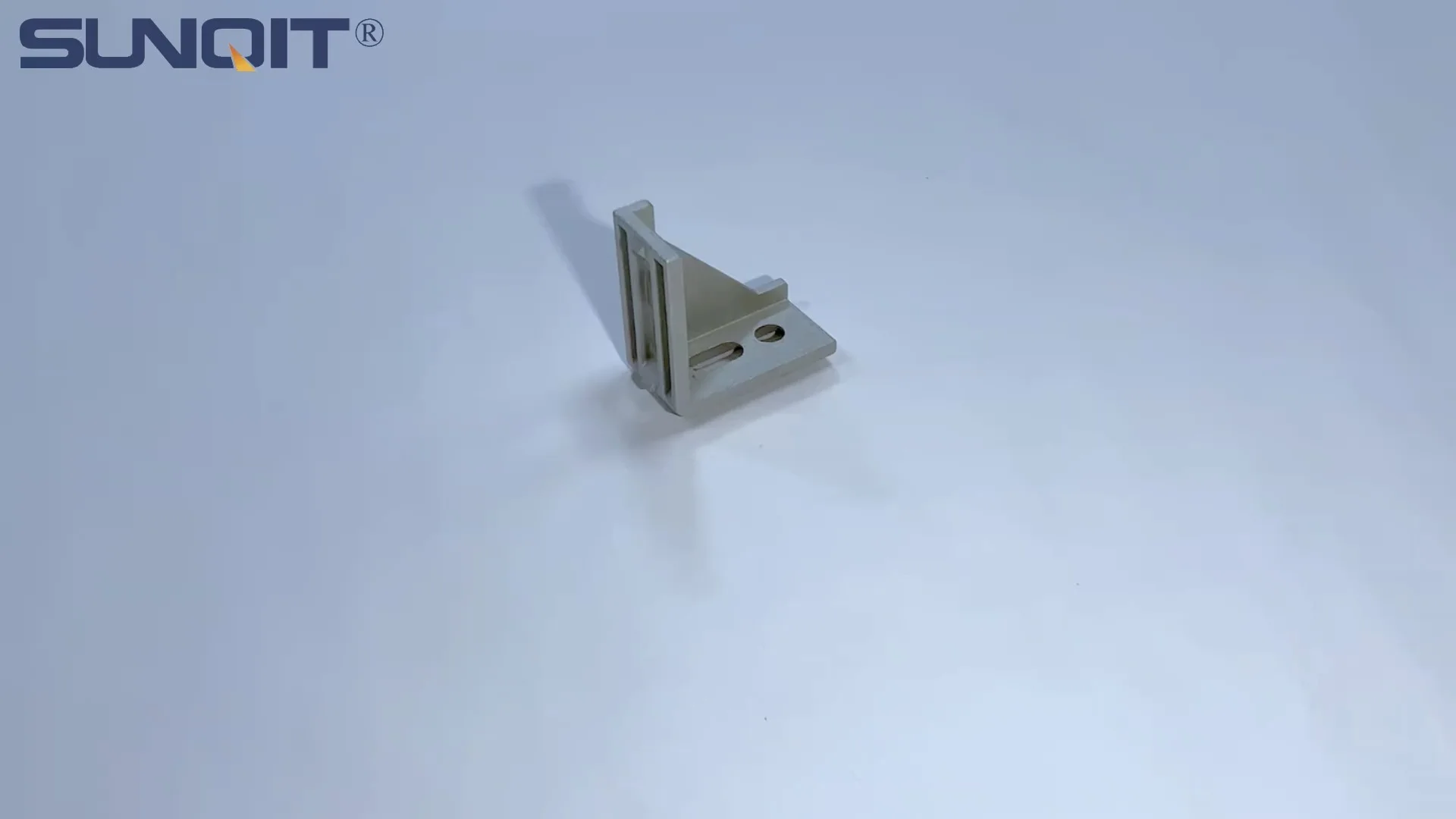
3060 Aluminum Angle Yards
It used for 90° flat connection for 20 series aluminum profile.
Introduction: The Need for Lean Production Upgrades
Walk into any modern manufacturing facility, and you'll likely hear the hum of machines, the clink of tools, and the steady rhythm of production. But behind that seemingly smooth operation, many teams are silently grappling with a familiar set of frustrations: workbenches that wobble under heavy parts, flow racks that don't quite align with assembly lines, and material carts that get stuck in tight corners. These might sound like small nuisances, but in the world of manufacturing, small inefficiencies add up—fast. They slow down workflows, increase the risk of errors, and even demotivate the people on the front lines who are trying to do their best work.
This is where lean production comes in. At its core, lean is about more than just "cutting waste"—it's about creating systems that work with your team, not against them. It's about designing every part of the production process to feel intuitive, efficient, and adaptable. And while lean often gets talked about in terms of software, data, and process maps, there's a quieter hero in this story: the physical infrastructure that forms the backbone of your facility. Things like workbenches, material racks, and conveyor systems. These aren't just "furniture" for factories—they're the foundation upon which lean principles come to life.
But here's the catch: one-size-fits-all solutions rarely work in lean environments. Every production line has its own quirks, from the size of the parts being assembled to the specific movements of the operators. That's why custom solutions have become a game-changer. And among the most versatile tools in this customization toolkit? 3060 aluminum angle yards. These unassuming pieces of metal might not grab headlines, but they're quietly revolutionizing how manufacturers build, adapt, and optimize their workspaces. Let's dive into why they matter, and how they can transform your lean production upgrades from a buzzword into a tangible reality.
Understanding 3060 Aluminum Angle Yards: More Than Just Metal
First things first: What are 3060 aluminum angle yards, anyway? Let's break it down. "3060" refers to their dimensions—typically 30mm in width and 60mm in height, though exact specs can vary slightly by supplier. The "angle yard" part describes their shape: a right-angle profile, like an L-shape, which gives them exceptional structural stability. Unlike flat sheets or round pipes, this angular design means they can bear weight from multiple directions, making them ideal for building sturdy frames, supports, and brackets.
But why aluminum? Why not steel, or plastic? For starters, aluminum hits that sweet spot between strength and weight. It's about a third the weight of steel, which makes it easier to handle during installation and reconfiguration—no need for heavy machinery just to move a section of a workbench. Yet despite its lightness, aluminum is surprisingly tough. It resists corrosion, which is a big plus in environments where spills, humidity, or chemicals are part of the daily grind. And unlike steel, it won't rust, so your infrastructure stays looking (and functioning) good for years, even in harsh conditions.
Another hidden benefit of aluminum? Its malleability. While 3060 angle yards are rigid enough for structural support, aluminum as a material is easy to cut, drill, and shape—so if you need a custom length or a specific hole pattern for mounting accessories, it's not a hassle. This flexibility is a lifesaver when you're trying to design a workspace that fits your unique needs, not the other way around.
But what really sets 3060 aluminum angle yards apart is their versatility. They're not just for building one type of structure—they're a blank canvas. Need a sturdy frame for a workbench? Combine angle yards with a plywood or aluminum honeycomb top. Want to build a flow rack that feeds parts directly to an assembly line? Pair them with roller tracks and connectors. Even something as simple as a tool holder or a side guard for a conveyor can be built using these profiles. They're the Swiss Army knife of lean infrastructure—simple, but endlessly adaptable.

Customization: Tailoring Solutions to Your Production Line
If there's one lesson lean teaches us, it's that every production line is unique. A electronics manufacturer assembling tiny circuit boards has very different needs than a heavy machinery plant building engine blocks. That's why "one-size-fits-all" infrastructure so often fails. A generic workbench might be too tall for your operators, or a standard flow rack might not hold the weight of your parts. The result? Wasted space, awkward workflows, and frustrated team members.
Custom 3060 aluminum angle yards solve this problem by putting you in the driver's seat. Let's say you run a small automotive parts shop, and your team spends hours each day moving heavy castings from a storage area to the assembly line. A standard cart might not have the right height to align with your workbench, forcing operators to bend and lift—wasting energy and increasing the risk of injury. With custom angle yards, you could design a cart with adjustable height, using 3060 profiles for the frame and adding casters with brakes for stability. The angle yards' L-shape ensures the cart can support the weight of the castings without flexing, while the custom height means operators can slide parts directly onto the workbench, no lifting required.
Customization isn't just about size, either. It's about the little details that make a big difference. Maybe you need angle yards with pre-drilled holes to attach accessories like tool hooks or LED light strips. Or perhaps you require a specific finish—like anodized aluminum—to match your facility's aesthetic (or to reduce glare on sensitive work). Some suppliers even offer custom colors, though in most cases, the natural silver of aluminum is preferred for its clean, industrial look.
Working with a supplier who specializes in aluminum profiles is key here. The best suppliers don't just sell you metal—they partner with you to design solutions. They'll ask questions about your workflow: Where do bottlenecks happen? What parts are heaviest? How often do you reconfigure your line? Then, they'll use that information to recommend the right angle yard dimensions, thickness (since 3060 profiles can vary in wall thickness for different load capacities), and accessories. For example, if you need a workbench that can be adjusted in height, they might suggest pairing 3060 angle yards with adjustable feet or telescoping joints. If you're building a flow rack that needs to tilt slightly to let parts glide forward, they'll help you calculate the perfect angle and choose the right roller track connectors.
The beauty of this collaborative approach is that it turns your vague "we need to be more efficient" into a concrete, buildable plan. It ensures that the infrastructure you invest in isn't just a Band-Aid, but a long-term solution that grows with your business.

Integrating 3060 Aluminum Angle Yards into Lean Systems
So, how do these angle yards actually fit into a lean production system? Let's look at three common applications where they shine: workbenches, flow racks, and turnover trolleys.
Workbenches: The Heart of the Assembly Line
A workbench is more than just a table—it's where your team spends most of their day, assembling, inspecting, and testing products. If it's unstable, too low, or cluttered, everything suffers. 3060 aluminum angle yards are perfect for building workbenches because they offer the stability needed for precision work without the bulk of steel. For example, a "Workbench E (single deck-without caster)" (a common model many suppliers offer) can be built using 3060 angle yards for the frame, paired with an aluminum honeycomb panel top for a lightweight, durable surface. The angle yards ensure the bench doesn't wobble when operators apply pressure, while the honeycomb top resists scratches and is easy to clean—important for maintaining a hygienic workspace, especially in industries like food processing or pharmaceuticals.
But the real advantage is adaptability. Add a shelf below using angle yards and brackets to store tools, or mount a light bar above using clamp-on accessories. If your team switches to assembling larger parts next quarter, you can easily swap out the top for a wider one or add side extensions—no need to buy a whole new bench. This kind of flexibility is exactly what lean production demands: the ability to pivot without throwing away your previous investments.
Flow Racks: Keeping Materials Moving
In lean systems, "material flow" is king. Parts should move smoothly from storage to assembly, with minimal handling. Flow racks (sometimes called gravity racks) are designed to do just that: they use inclined roller tracks to let parts slide forward as the front ones are taken, so operators always have what they need right at their fingertips. 3060 aluminum angle yards are ideal for building the frames of these racks because they can support the weight of multiple layers of parts without sagging. For example, a "Material Rack B (3 row and 3 floor)" (another common configuration) might use 3060 angle yards for the vertical supports and horizontal beams, with plastic roller track guide rails (yellow or grey, depending on your preference) mounted along the beams. The angle yards' L-shape provides a solid base for attaching the roller tracks, ensuring they stay aligned and don't shift over time—critical for keeping parts flowing smoothly.
What's more, because 3060 angle yards are lightweight, you can build flow racks that are tall enough to maximize vertical space (reducing floor clutter) without making them impossible to move or reconfigure. If you need to add a fourth row later, or adjust the angle of the rollers to speed up or slow down part flow, it's a simple matter of adding or modifying the angle yard supports.
Turnover Trolleys: Bridging the Gaps
Even with the best flow racks, there are times when materials need to be moved manually—from the warehouse to the production line, or from one station to the next. That's where turnover trolleys come in. These carts need to be sturdy enough to carry heavy loads, light enough for one person to push, and agile enough to navigate tight aisles. 3060 aluminum angle yards check all these boxes. The angle yards form a rigid frame that can support bins of parts or even small machinery, while the aluminum construction keeps the overall weight low. Add casters with brakes (like the "360° swivel expanding stem casters wheel with brake" from many suppliers), and you've got a trolley that's easy to maneuver but stays put when you need it to.
One of the best things about using 3060 angle yards for trolleys is that you can customize the size and layout to match your bins or parts. Need a trolley with dividers to separate different components? Add vertical angle yard sections. Want to include a shelf for tools? Mount a horizontal beam halfway up. The possibilities are endless, and because the angle yards are modular, you can even disassemble and rebuild the trolley if your needs change—no need to buy a new one.

Comparing Aluminum Profiles: Why 3060 Stands Out
Of course, 3060 aluminum angle yards aren't the only game in town. There are dozens of aluminum profiles out there, each with its own strengths. So when should you choose 3060 over, say, 2020 or 3030 profiles? Let's break it down with a quick comparison:
| Profile Type | Dimensions (WxH, mm) | Typical Load Capacity (per meter) | Common Uses | Best For |
|---|---|---|---|---|
| 2020 Aluminum Profile | 20x20 | Up to 50kg | Small shelving, light-duty workbenches, electronics racks | Lightweight, low-load applications; tight spaces |
| 3030 Aluminum Profile | 30x30 | Up to 150kg | Medium workbenches, tool carts, small flow racks | Balanced strength and size; general-purpose use |
| 3060 Aluminum Angle Yard | 30x60 (L-shape) | Up to 250kg | Heavy-duty workbenches, tall flow racks, turnover trolleys, machine frames | High load capacity, structural support, vertical/horizontal stability |
| 4040 Aluminum Profile | 40x40 | Up to 300kg | Industrial machinery frames, heavy storage racks | Maximum strength; large, heavy components |
As you can see, 3060 angle yards strike a balance between the smaller, lighter 2020/3030 profiles and the larger, heavier 4040. They're strong enough to handle most mid-to-heavy-duty tasks in a lean production line—think workbenches that hold power tools, flow racks stacked with metal parts, or trolleys carrying bins of hardware—without being overkill. And because of their L-shape, they offer better lateral stability than square profiles of similar size. For example, a 3060 angle yard can resist twisting or bending better than a 3030 square profile when side pressure is applied, which is crucial for structures like flow racks that need to stay aligned over time.
Another advantage is cost. While 4040 profiles are stronger, they're also more expensive and heavier, which can drive up shipping and installation costs. 3060 angle yards give you most of the strength you need at a lower price point, making them a smart choice for businesses looking to upgrade their lean systems without breaking the bank.
Real-World Impact: Case Studies in Lean Production Upgrades
Numbers and specs are great, but nothing tells the story better than real examples. Let's look at two manufacturers who upgraded their lean systems with custom 3060 aluminum angle yards—and the results they saw.
Case Study 1: Automotive Parts Manufacturer Cuts Setup Time by 40%
A mid-sized automotive parts company was struggling with their assembly line for brake calipers. Their existing workbenches were old, wooden, and uneven, leading to frequent rework as parts didn't align properly. Worse, whenever they switched production to a new caliper model (which happened 3-4 times a month), they had to completely rebuild the workbench layout—taking up to 8 hours and requiring two technicians. The team knew they needed a more flexible solution.
Working with an aluminum profile supplier, they designed custom workbenches using 3060 aluminum angle yards. The new benches had adjustable height legs, modular tool holders (attached to the angle yards via brackets), and a lightweight aluminum top that could be easily swapped out for different caliper sizes. They also added a small flow rack alongside the bench, built with 3060 angle yards and plastic roller tracks, to feed parts directly to the operator.
The results? Setup time for new models dropped from 8 hours to just 4.5 hours—a 40% reduction. Operators reported less fatigue, as the adjustable height meant they could work comfortably without bending. And because the angle yards were so sturdy, the workbench didn't wobble during precision tasks, cutting rework by 15%. The company estimated that the new setup paid for itself in just 3 months, thanks to the time and labor savings.
Case Study 2: Electronics Plant Improves Material Flow, Reduces Waste
A manufacturer of printed circuit boards (PCBs) was dealing with a different problem: material waste. Their existing storage system used static shelves, so operators often had to reach across multiple levels to grab components, leading to dropped parts and damaged PCBs. Plus, the shelves weren't designed for the specific bins they used, so space was wasted, and it was hard to keep track of inventory.
They turned to 3060 aluminum angle yards to build custom flow racks. The racks were designed with three levels (matching their most common bin sizes) and angled slightly to let bins slide forward as the front one was removed. The angle yards provided the structural support needed to hold the weight of full bins, while plastic roller track guide rails (grey, to match their facility's color scheme) ensured smooth movement. They also added dividers made from smaller aluminum profiles to separate different component types.
After installing the new racks, the plant saw a 25% reduction in dropped or damaged parts. Inventory checks became faster, as bins were always visible and easy to access. And because the racks were built to fit their exact bin sizes, they were able to add two more rows of storage in the same floor space, reducing the need for additional shelving. The operators loved it too—one team lead noted, "I don't have to climb or stretch anymore. Everything's right there, where I need it."
Choosing the Right Aluminum Profile Supplier: What to Look For
Now that you're sold on 3060 aluminum angle yards, the next step is finding a supplier who can help you bring your vision to life. But not all suppliers are created equal. Here's what to look for:
1. Experience with Lean Systems
A good supplier doesn't just sell aluminum profiles—they understand lean production. They should be able to talk to you about concepts like 5S (Sort, Set in Order, Shine, Standardize, Sustain), kanban systems, and continuous improvement. They'll ask questions about your workflow, pain points, and goals, and use that information to suggest solutions, not just products. For example, if you mention that you need to reduce changeover time, they might recommend modular angle yard components that can be quickly reconfigured, rather than fixed-length profiles.
2. Customization Capabilities
Avoid suppliers who only offer pre-cut, standard lengths. The best ones will cut, drill, and finish profiles to your exact specifications. Ask about their lead times for custom orders—you don't want to wait weeks for a simple cut. Also, check if they offer a range of accessories: brackets, connectors, casters, roller tracks, etc. Having one supplier for both profiles and accessories simplifies the ordering process and ensures everything works together seamlessly.
3. Quality Materials
Aluminum quality can vary. Look for suppliers who use high-grade aluminum (like 6063-T5, a common alloy for profiles) that's been anodized or powder-coated for durability. Ask for test reports or samples—you want to feel the weight, check for smooth edges, and ensure the finish is even. A cheap, low-quality profile might bend under load or corrode quickly, undoing all your lean gains.
4. Post-Purchase Support
Even the best designs hit snags during installation. Will your supplier help you troubleshoot if a bracket doesn't fit, or a roller track is misaligned? Do they offer installation guides, CAD drawings, or even on-site support? A supplier who stands behind their products and helps you through the process is worth their weight in aluminum.
Conclusion: Building a Leaner, More Resilient Production Future
At the end of the day, lean production isn't just about processes—it's about people. It's about creating environments where your team can work smarter, not harder. And 3060 aluminum angle yards are a powerful tool in that mission. They're not flashy, but they're reliable. They're not overly complex, but they're endlessly adaptable. They turn vague goals like "be more efficient" into concrete, buildable solutions—solutions that reduce waste, save time, and make work feel less like a chore and more like a well-oiled machine.
Whether you're building a new production line from scratch or upgrading an existing one, don't overlook the importance of your physical infrastructure. The right workbench, the right flow rack, the right trolley—these things matter. They're the silent partners in your lean journey, supporting your team every step of the way.
So, take the time to assess your current setup. Talk to your operators about what's working and what's not. Then, find a supplier who understands your needs and can help you design custom solutions using tools like 3060 aluminum angle yards. The investment might seem small compared to big-ticket machinery, but the returns—happier teams, faster workflows, and a more resilient business—are immeasurable.
In the world of manufacturing, the future belongs to those who can adapt. And with the right infrastructure, adaptation isn't just possible—it's easy. So why wait? Start building your leaner, more efficient production line today.