- Company Articles
- Products and Technology
- Solution
- Custom 40 Steel Roller Track White Wheel Solutions for Medical Device Manufacturing

Custom 40 Steel Roller Track White Wheel Solutions for Medical Device Manufacturing
Related Product
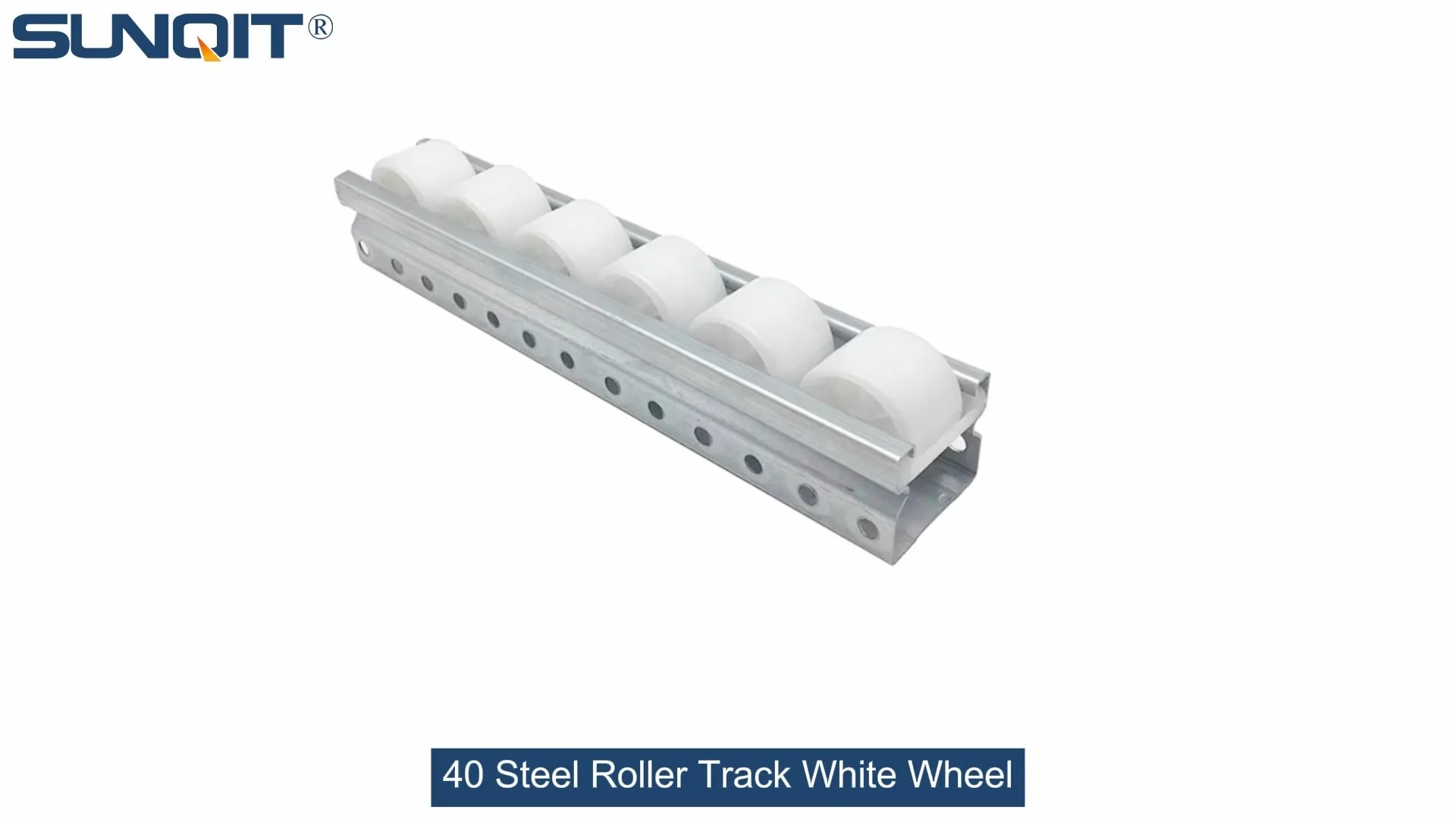
40 Steel Roller Track White Wheel
The roller track can be installed with multiple accessories to create different slopes and configurations of flow racks.All steel conveyor 40 roller track accessories are engineered to perfectly fit the sliding rail.
Why Medical Device Manufacturing Needs Specialized Material Handling
Medical device manufacturing is a field where precision, compliance, and reliability aren't just buzzwords—they're non-negotiable. Every component, from tiny surgical screws to complex diagnostic machines, must meet strict standards to ensure patient safety. This means your production line can't afford to cut corners on material handling: scratches on a sensitive transducer, static damage to an electronic implant, or contamination from a dirty roller wheel could lead to product recalls, regulatory fines, or even harm to patients.
That's where custom 40 steel roller track white wheel solutions come in. These systems aren't just pieces of equipment; they're tailored to address the unique challenges of medical manufacturing. The 40mm steel roller track (a common width for heavy-duty applications) paired with white wheels is designed to balance strength with cleanliness: the steel track handles heavy loads without bending, while the white wheels—often made of high-quality, non-abrasive plastic—resist debris buildup and are easy to sanitize. When combined with other lean components, these tracks form the backbone of a production line that's efficient, compliant, and adaptable.
Key Challenges Solved by Custom Solutions
Let's break down the most common pain points in medical device manufacturing and how custom roller track solutions address them:
- Static Electricity Risk: Electronic medical devices (like pacemakers or MRI coils) are extremely sensitive to electrostatic discharge (ESD). A single static spark can damage microcomponents, leading to hidden failures. Custom solutions integrate ESD workbenches and static-dissipative roller tracks to drain static away from parts, protecting them during assembly.
- Contamination Concerns: Standard roller wheels may shed particles or leave marks on surfaces, which is a major issue for sterile medical environments. White wheels are non-porous and easy to wipe down with disinfectants, reducing the risk of cross-contamination.
- Changing Production Lines: Medical device manufacturers often need to adapt quickly to new products (e.g., during a pandemic, shifting to produce more ventilators). Custom lean solutions use modular components that can be reconfigured in hours, not days, to meet changing demand.
- Inefficient Material Handling: Manual lifting of heavy bins or parts leads to worker fatigue, slow production, and increased injury risk. Integrated flow racks and conveyors with roller tracks automate material movement, cutting down on manual labor and improving workflow.

Core Components of a Custom Medical Manufacturing Solution
A custom 40 steel roller track system isn't just the track itself—it's a combination of lean components that work together to optimize your line. Let's dive into the key parts (including 5 essential keywords from our list):
1. ESD Workbenches
Electrostatic discharge (ESD) workbenches are a must for assembling sensitive medical devices. These workbenches have static-dissipative surfaces that channel static electricity away from components, preventing damage. When paired with 40 steel roller tracks, parts can roll directly onto the workbench from a conveyor or flow rack, eliminating the need for manual transfer. Customizations like height-adjustable legs, integrated drawers, or tool holders make these workbenches ergonomic, reducing worker strain and increasing productivity.
2. Lean Pipe Frames
Lean pipes are modular, lightweight aluminum or steel tubes used to build frames for workbenches, flow racks, and conveyor supports. They're connected with simple joints, so you can easily adjust the size or shape of your equipment as needed. For example, if you need to add more bins to a flow rack, you can extend the lean pipe frame without welding or special tools. This modularity aligns with lean manufacturing principles, reducing waste and allowing for continuous improvement.
3. Flow Racks
Flow racks use gravity to move parts from the back of the rack to the front, so workers always have access to the next bin of components without reaching or bending. When integrated with 40 steel roller tracks, flow racks become even more efficient: parts glide smoothly without getting stuck, and the white wheels keep surfaces clean. For medical manufacturing, flow racks are ideal for storing sterile parts or kits, as they reduce handling time and minimize contamination risk.
4. Conveyors
Conveyors with 40 steel roller tracks are perfect for moving parts across the production floor. They can be customized to fit your facility's layout—whether you need a straight line, a curve, or a incline. The white wheels ensure that parts aren't scratched or marked during transport, which is critical for finished medical devices. Conveyors also integrate seamlessly with flow racks and ESD workbenches, creating a seamless workflow from storage to assembly to packaging.
5. Custom Lean Solutions
No two medical device manufacturers are the same. A custom lean solution takes all your unique needs into account: the type of products you make, your production volume, regulatory requirements (like ISO 13485 or FDA 21 CFR Part 820), and worker ergonomics. For example, a company producing surgical instruments might need a system that combines ESD workbenches, flow racks for instrument kits, and conveyors for finished products. A company making diagnostic machines might require a more complex setup with automated roller tracks and modular assembly stations.

Real-World Case Study: Transforming a Diagnostic Device Line
Let's look at a fictional but realistic example of how custom 40 steel roller track solutions improved a medical device manufacturer's operations. We'll call the company MediTech Innovations, which produces ultrasound transducers (sensitive components used in diagnostic imaging).
Problem Statement
MediTech faced three major issues:
- 2.5% of transducers were damaged due to static electricity or scratches from standard roller wheels.
- Workers spent 15 minutes per transducer manually moving parts from storage to assembly stations.
- Their production line was inflexible—changing to a new transducer model took 2 weeks of reconfiguration.
Custom Solution Design
The supplier designed a modular system including:
- 10 ESD workbenches with integrated 40 steel roller track sections for part transfer.
- 5 flow racks built with lean pipes and 40 steel roller tracks to store transducer components.
- A 20-meter conveyor system connecting the flow racks to the workbenches.
- Modular lean pipe frames that could be reconfigured in hours to fit new transducer models.
Implementation Results
| Metric | Before Implementation | After Implementation | Improvement |
|---|---|---|---|
| Component Damage Rate | 2.5% | 0.3% | 88% Reduction |
| Material Handling Time per Unit | 15 Minutes | 5 Minutes | 66% Reduction |
| Production Volume per Day | 75 Units | 120 Units | 60% Increase |
| Line Reconfiguration Time for New Models | 2 Weeks | 4 Hours | 97% Reduction |
| Worker Injury Rate (Back/Shoulder) | 1.2% per Year | 0% per Year | 100% Reduction |
The results speak for themselves: MediTech reduced costs, improved compliance, and increased productivity—all while keeping their workers safe and their products high-quality.

Long-Term Benefits of Custom Solutions
Investing in custom 40 steel roller track solutions isn't just a short-term fix—it's a strategic decision that pays off for years to come:
- Compliance: Custom solutions are designed to meet regulatory standards, so you don't have to worry about failing audits or recalls.
- Scalability: Modular components allow you to expand or reconfigure your line as your business grows. For example, if you need to increase production volume, you can add more flow racks or extend your conveyor system without buying new equipment.
- Cost Savings: Reduced component damage, increased efficiency, and reusable parts lead to lower operational costs. Over time, these savings far outweigh the initial investment.
- Sustainability: Lean principles emphasize reducing waste. Custom solutions use reusable components (like lean pipes) that can be repurposed instead of thrown away, reducing your carbon footprint.
- Worker Satisfaction: Ergonomic design and automated material handling reduce strain on workers, leading to happier, more productive employees.
How to Get Started with a Custom Solution
If you're ready to transform your medical device production line, here's what to expect from the process:
- Consultation: Talk to a supplier about your needs—what products you make, your production volume, regulatory requirements, and pain points.
- Design: The supplier will create a custom design using 3D models to show you how the system will look and function. They'll work with you to adjust the design until it's perfect.
- Prototyping: Before full implementation, the supplier will build a small prototype so you can test it in your facility. This allows you to make changes before investing in the full system.
- Implementation: The supplier will install the system in your facility, train your workers on how to use it, and provide ongoing support.
- Optimization: After implementation, the supplier will check in regularly to ensure the system is working as expected. They'll help you make adjustments if your production needs change.
Final Thoughts
Custom 40 steel roller track white wheel solutions are more than just material handling equipment—they're a way to future-proof your medical device manufacturing line. By combining these tracks with ESD workbenches, lean pipes, flow racks, and conveyors, you can create a system that's efficient, compliant, and adaptable to changing needs. Whether you're producing surgical instruments, diagnostic machines, or implants, these solutions will help you meet the highest standards of patient safety while keeping your business competitive.
In a field where every detail matters, don't settle for off-the-shelf equipment. Invest in a custom solution that's tailored to your unique needs—and watch your production line thrive.