- Company Articles
- Products and Technology
- Solution
- Custom 4040 Aluminum Profile End Caps for Warehousing: Material Handling Solutions

Custom 4040 Aluminum Profile End Caps for Warehousing: Material Handling Solutions
Related Product
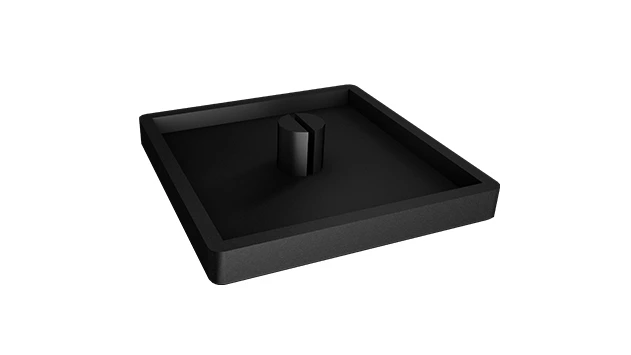
4040 Aluminum Profile End Cap
The aluminum profile end cap adds a finishing touch to your project and closes off profile ends to limit dust and debris buildup, also it can avaid some scratch for material and labor during the assemble work.
Let's talk about the unsung heroes of your warehouse. You know the ones—those small, unassuming parts that rarely get attention until something goes wrong. Today, we're shining a spotlight on a component that's way more important than it looks: 4040 aluminum profile end caps. These little caps might seem trivial, but when it comes to material handling, they're the quiet problem-solvers that keep your operations running smoothly, safely, and efficiently. Whether you're building workbenches, setting up flow racks, or fine-tuning your lean system, these end caps play a bigger role than you might think. Let's dive in.
The Daily Grind: Why Material Handling Feels Like an Uphill Battle
Picture a typical morning in your warehouse. Pallets are being unloaded, tools are scattered across workbenches, and your team is rushing to get orders out the door. Now, think about the aluminum workbenches lining your production floor. They're sturdy, right? But after months of use, you start noticing little issues: sharp edges where the aluminum profiles meet, chipped paint from equipment bumping into them, and even the occasional scrape on an employee's arm when they reach for a tool. Then there's the flow rack by the shipping area—its aluminum rails are supposed to let boxes glide smoothly, but lately, items get stuck because the profile ends are rough, catching on packaging tape.
These might seem like minor nuisances, but they add up. A rough edge on a workbench slows down tasks as employees avoid cuts. A stuck box on a flow rack disrupts the entire picking process, leading to delays. And over time, unprotected aluminum profiles wear down faster, forcing you to replace them sooner than expected. That's where 4040 aluminum profile end caps step in. They're not just "caps"—they're the first line of defense against these daily headaches.
What Are 4040 Aluminum Profile End Caps, Anyway?
Let's start with the basics. Aluminum profiles are the backbone of modern material handling equipment. They're lightweight, strong, and infinitely customizable—perfect for building everything from workbenches to flow racks. The "4040" in 4040 aluminum profiles refers to their dimensions: 40mm by 40mm. These are one of the most common profile sizes in warehouses because they strike the ideal balance between strength and versatility. Now, the end caps? They're exactly what they sound like: small covers designed to fit snugly over the exposed ends of these 4040 profiles.
But they're not just for show. Think of them as the "protective bumpers" of your aluminum structures. Made from durable materials like plastic or rubber, they slip over the ends of the profiles to smooth out sharp edges, prevent debris from getting stuck inside the profiles, and even reduce noise when items bump against the racks. They're part of the broader category of aluminum profile accessories—those little add-ons that turn basic aluminum rails into fully functional, long-lasting equipment.
Pro Tip: Not all end caps are created equal. Some are designed for heavy-duty use (think rubber caps that absorb impact), while others prioritize aesthetics (sleek plastic caps for clean, professional-looking workbenches). Choosing the right one depends on your warehouse's specific needs—more on that later!

3 Ways 4040 End Caps Transform Your Material Handling Systems
1. Safety First: No More Scrapes, Cuts, or Snags
Let's talk safety—because nothing matters more than keeping your team protected. Raw aluminum profiles have sharp, unfinished ends. When you're moving boxes, reaching across a workbench, or adjusting a flow rack, those edges are accidents waiting to happen. A quick brush against an exposed profile can leave a nasty scrape, or worse, tear through gloves. 4040 end caps eliminate that risk by softening those edges. They create a smooth, rounded finish that's safe to touch, even in the busiest environments. It's a small change, but ask any employee who's ever nicked their arm on a sharp profile—they'll tell you it makes a world of difference.
2. Durability: Making Your Equipment Last Longer
Warehouses are tough on equipment. Forklifts bump into racks, boxes slide against rails, and dust and debris get everywhere. Without end caps, the open ends of your 4040 profiles become magnets for dirt, grime, and even small tools that accidentally fall inside. Over time, this buildup weakens the profiles, making them more prone to bending or breaking. End caps seal off those ends, keeping out contaminants and preventing internal corrosion. They also act as a buffer when equipment collides with the profiles, absorbing shock and reducing wear. The result? Your workbenches, flow racks, and other structures last longer, saving you money on replacements down the line.
3. Lean Systems: Smoother Workflows, Less Waste
If you're familiar with lean system principles, you know the goal is to eliminate waste—whether it's time, materials, or effort. Unprotected profiles create hidden waste: time wasted fixing scraped arms, delays from stuck boxes on flow racks, and money wasted replacing worn-out equipment. 4040 end caps address all three. By keeping flow racks running smoothly (no more stuck boxes), reducing downtime from accidents, and extending the life of your equipment, they help streamline workflows. Suddenly, your team isn't stopping to fix small issues—they're focused on getting work done. That's lean in action.

From Workbenches to Flow Racks: Where End Caps Make the Biggest Impact
Now, let's get specific. Where exactly do these end caps shine in your warehouse? Let's break it down with two common pieces of equipment:
Workbenches: The Heart of Your Production Floor
Your workbenches are where the magic happens—assembly, packaging, quality checks. They take a beating every day. Without end caps, the 4040 profiles that frame these benches quickly show signs of wear. Tools get dropped, parts roll off the edges, and employees lean against the sides. End caps protect the bench's structure, but they also improve functionality. For example, rubber end caps add grip, preventing tools from sliding off the bench during use. Plastic end caps, on the other hand, create a clean surface that's easy to wipe down, keeping the workspace hygienic—critical for industries like food processing or electronics manufacturing.
Flow Racks: Keeping Products Moving
Flow racks are all about movement. They use gravity to let products slide from the back to the front, making picking faster and more efficient. But for that to work, the aluminum rails need to be smooth and unobstructed. Exposed profile ends can catch on box corners or packaging, bringing the whole flow to a halt. End caps ensure the rails stay smooth, so boxes glide without hesitation. They also prevent dust from clogging the tracks, which means less maintenance and more uptime. In short, end caps turn a "good" flow rack into a "great" one.
| Equipment Type | Problem Solved by End Caps | Best End Cap Material |
|---|---|---|
| Workbenches (Assembly Areas) | Sharp edges, tool damage, employee scrapes | Rubber (shock absorption) or plastic (easy cleaning) |
| Flow Racks (Picking/Shipping) | Stuck boxes, debris in profiles, noisy collisions | Low-friction plastic (smooth glide) or rubber (noise reduction) |
| Mobile Trolleys | Impact from bumps, dirt in profiles | Heavy-duty rubber (durability) |
Choosing the Right End Caps: It's All About Your Needs
So, how do you pick the perfect 4040 aluminum profile end caps for your warehouse? Start by asking yourself a few questions:
- What's the environment like? Is your warehouse humid? Go for moisture-resistant plastic caps. Do you handle heavy machinery that might bump into racks? Rubber caps offer better impact protection.
- Who's using the equipment? If employees are working close to the profiles (like at a workbench), prioritize soft, rounded caps to prevent injuries.
- What's your budget? Plastic caps are usually more affordable, while specialized options (like ESD-safe caps for electronics warehouses) might cost a bit more but are worth the investment for compliance.
Remember, end caps are part of a larger ecosystem of aluminum profile accessories. They work best when paired with other components like corner brackets, T-slot nuts, and panel mounts. When you source them from a reputable supplier, you can ensure they'll fit perfectly with your existing 4040 profiles—no guesswork, no mismatched parts.
Final Thoughts: Small Caps, Big Results
At the end of the day, 4040 aluminum profile end caps are a reminder that great material handling solutions aren't just about big machines or fancy software. They're about the small, intentional choices that make your warehouse safer, more efficient, and more resilient. Whether you're building a new workbench, upgrading your flow racks, or fine-tuning your lean system, don't overlook these tiny but mighty accessories. They might not grab headlines, but they'll save you time, money, and headaches—one smooth, protected profile at a time.
So, the next time you walk through your warehouse, take a look at those aluminum profiles. Are their ends exposed? If so, it might be time to invest in some end caps. Your team (and your bottom line) will thank you.